Biopesticides research extends beyond coffee
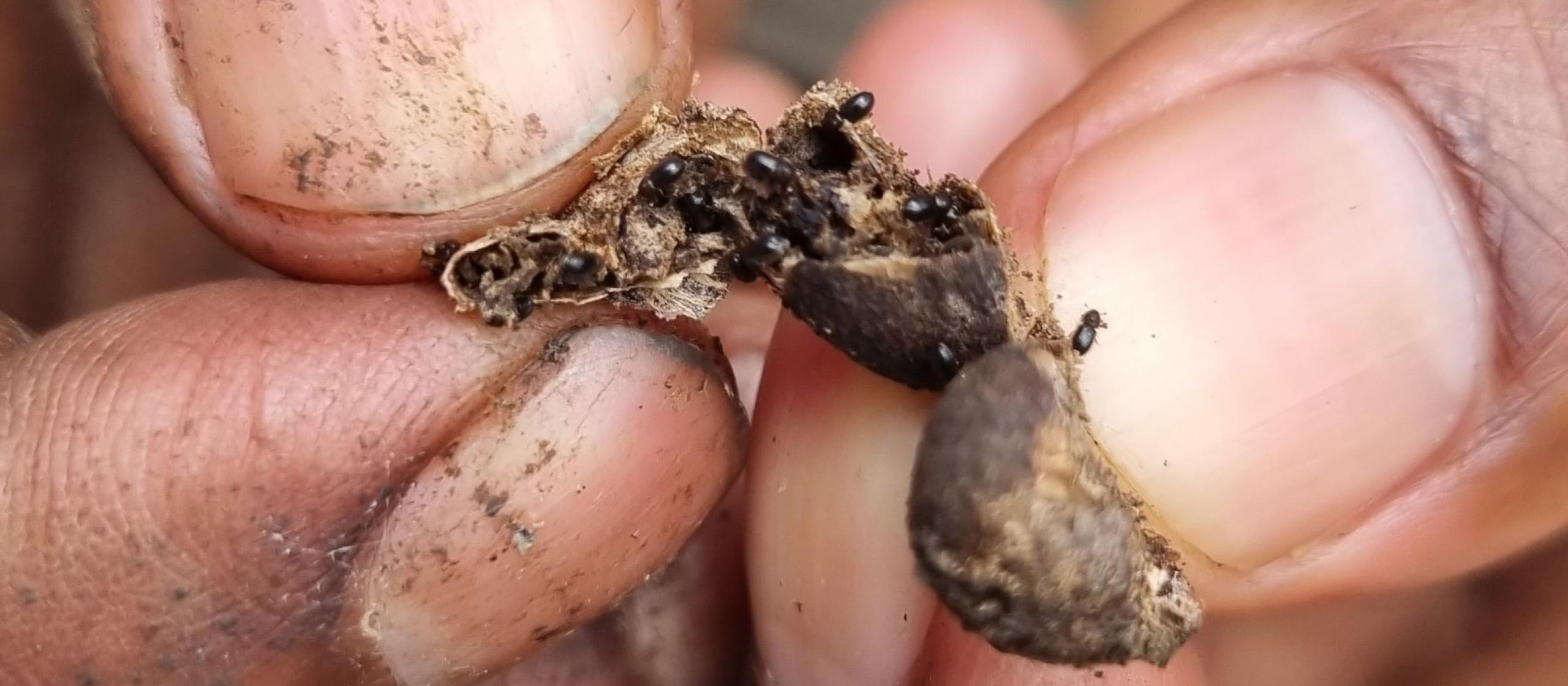
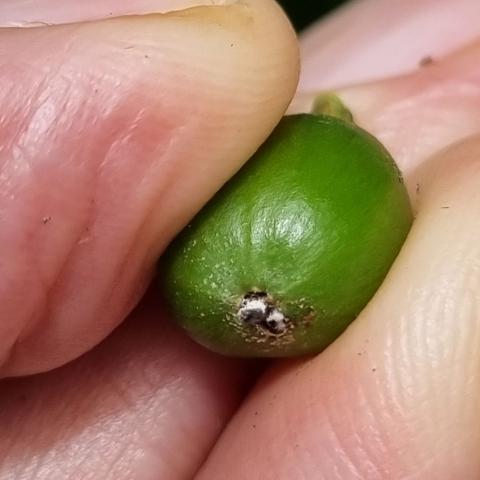
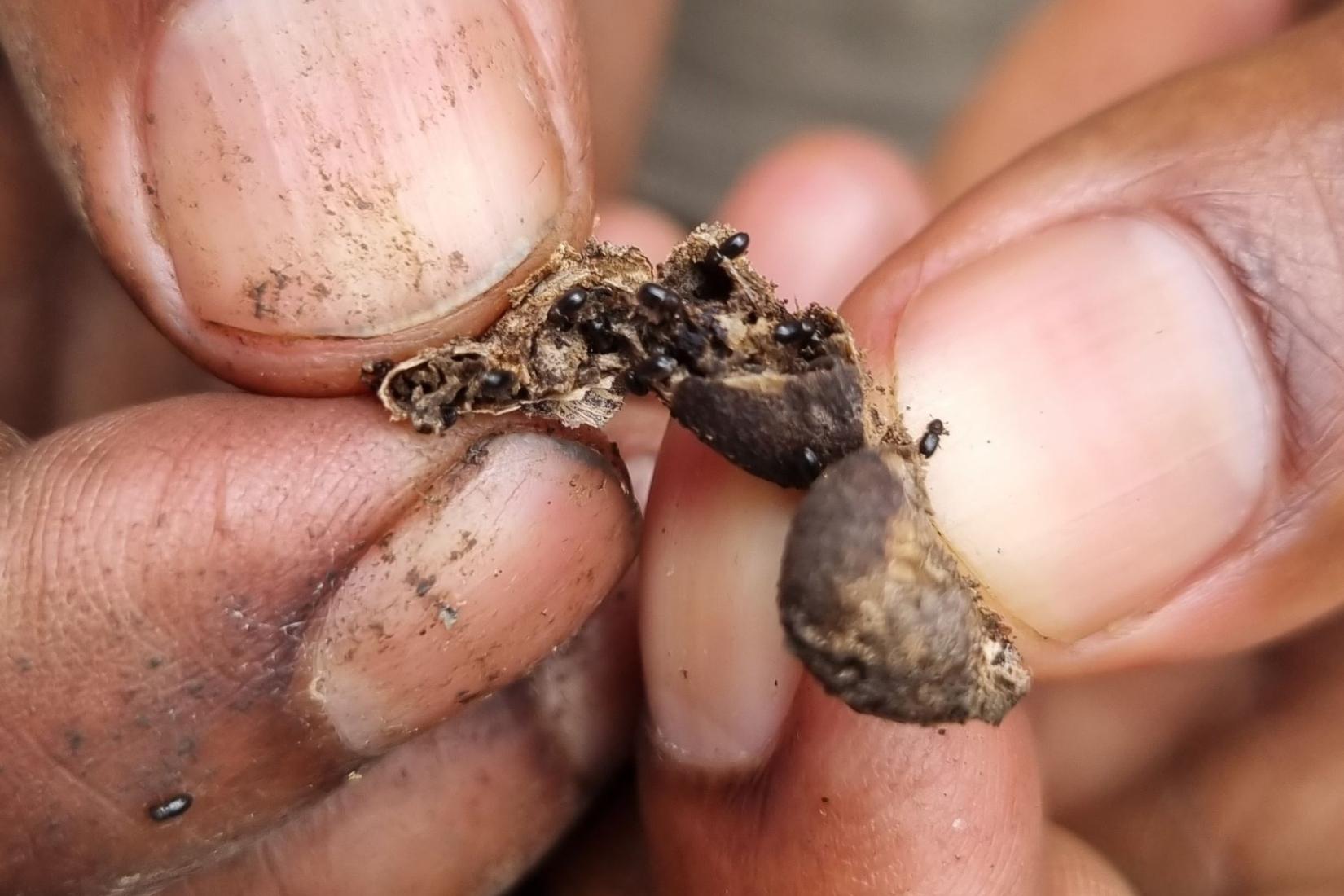
Part of the CBB research has involved researching strains of the insect-killing fungi Beauveria and Metarhizium in PNG and Australia for use in biopesticides. These have proved promising against CBB and other pests.
When the highly destructive fall armyworm arrived in Australia in 2020, the biopesticide research was expanded to fall armyworm and other pest species.
Prevalent around the world, fall armyworm is devastating to maize and sweetcorn crops and, to a lesser extent, crops such as sorghum, rice, millet, oats, wheat, fodder and hay crops.
‘Our initial trials research showed that Metarhizium rileyi was very effective against fall armyworm,’ said Dr Newton.
‘Our next phase is to assess different fungal strains, biopesticide formulations and production efficiency to give growers another tool against fall armyworm.’
With fall armyworm recently moving across Africa, Asia and the Pacific, and the pest’s increasing resistance to available pesticides, the ACIAR-supported biopesticide research has far-reaching implications for growers around the world.
The biopesticides have also proven effective against other crop pests including banana-spotting bugs and Queensland fruit fly.
ACIAR Research Program Manager, Horticulture, Dr Sandra McDougall said projects such as the CBB project highlight the benefits of agility in research and working with partners.
‘This project started out focusing only on coffee berry borer, but the biopesticide research expanded when fall armyworm arrived in Australia. Some of the strengths of ACIAR are its flexibility and partnerships with people such as Dr Newton and the Australian coffee industry, and it being able to act on an opportunity to benefit broader Australian agricultural industries through research.’
ACIAR Project: ‘Protecting the coffee industry from coffee berry borer in Papua New Guinea and Australia’ (HORT/2018/194)