ACIAR is committed to reducing poverty and improving the lives of smallholder farmers in our region through international agricultural research. ACIAR’s unique operating model is based on long-term partnerships, often spanning decades, which are particularly important for supporting steady progress on gender equality, disability and social inclusion.

Inclusive agricultural research for development is a practical approach for strengthening economic security, food security and social stability.

ACIAR generates, adapts and tests innovations so that women, men and other marginalised people can all benefit, with the aim of improving overall productivity and addressing social norms that limit equitable engagement in agricultural practice. 
Image
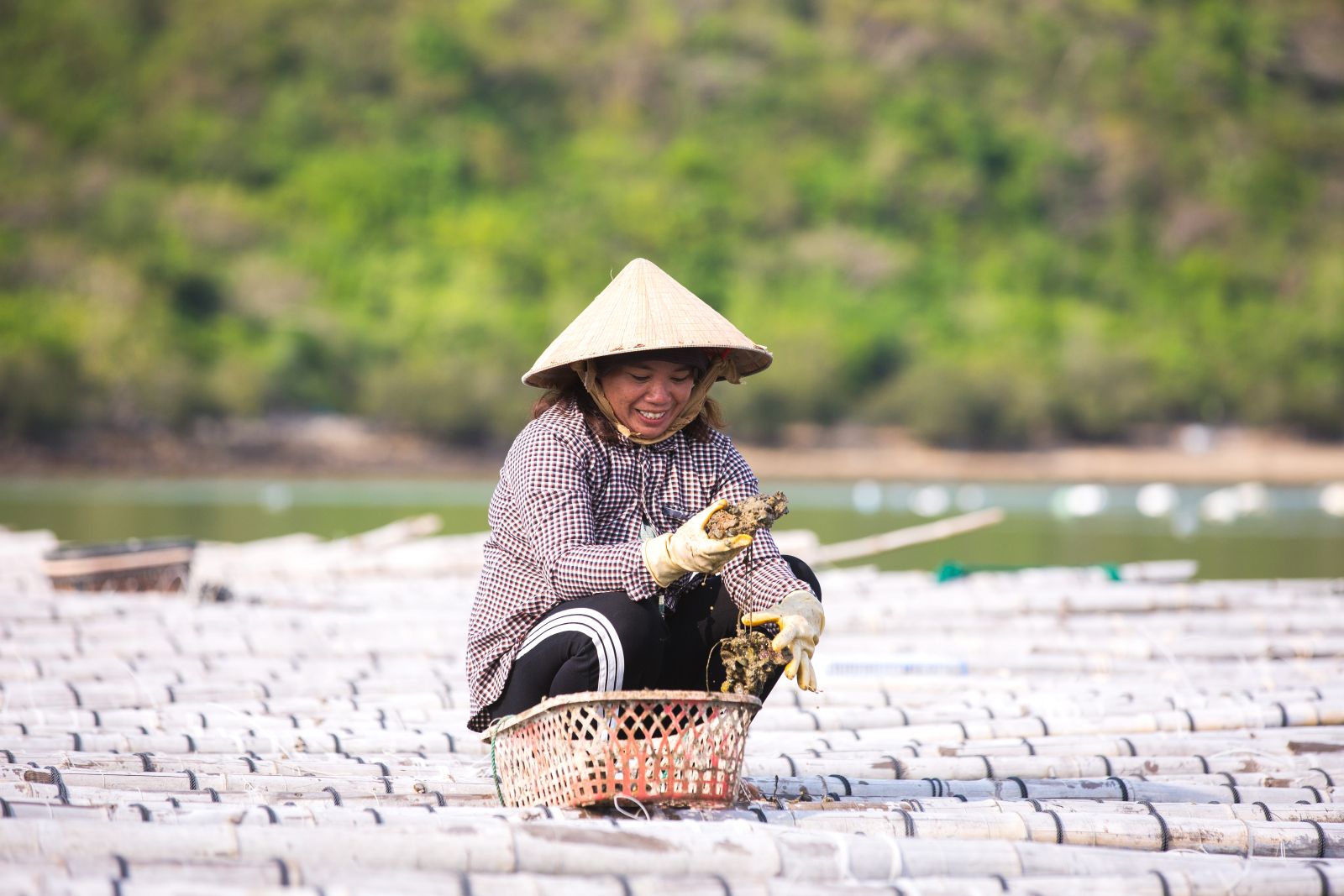
A woman farmer working on a half‑pearl oyster farm
A woman farmer works on a half-pearl oyster farm in Nha Trang, Vietnam.


Gender

ACIAR embeds gender considerations into every project. We actively consider gender during all project phases, from design and resourcing through to evaluation and learning. ACIAR strives to ensure progress towards gender outcomes is measurable, and that projects are making meaningful contributions towards our strategic objective of gender equality and women's empowerment.  

ACIAR Alumni Moana Bergmaier-Masau speaks about the role of gender in research in the Pacific context. 

We encourage commissioned organisations to pose gender-sensitive research questions. These can generate knowledge about how gender roles and relationships affect research projects, as well as policy and practice outcomes. They also help identify agricultural priorities and risks for both women and men.

ACIAR also encourages teams to ensure there are opportunities for female researchers and to model positive gender roles within research teams. 

Empowering women in agriculture

Image
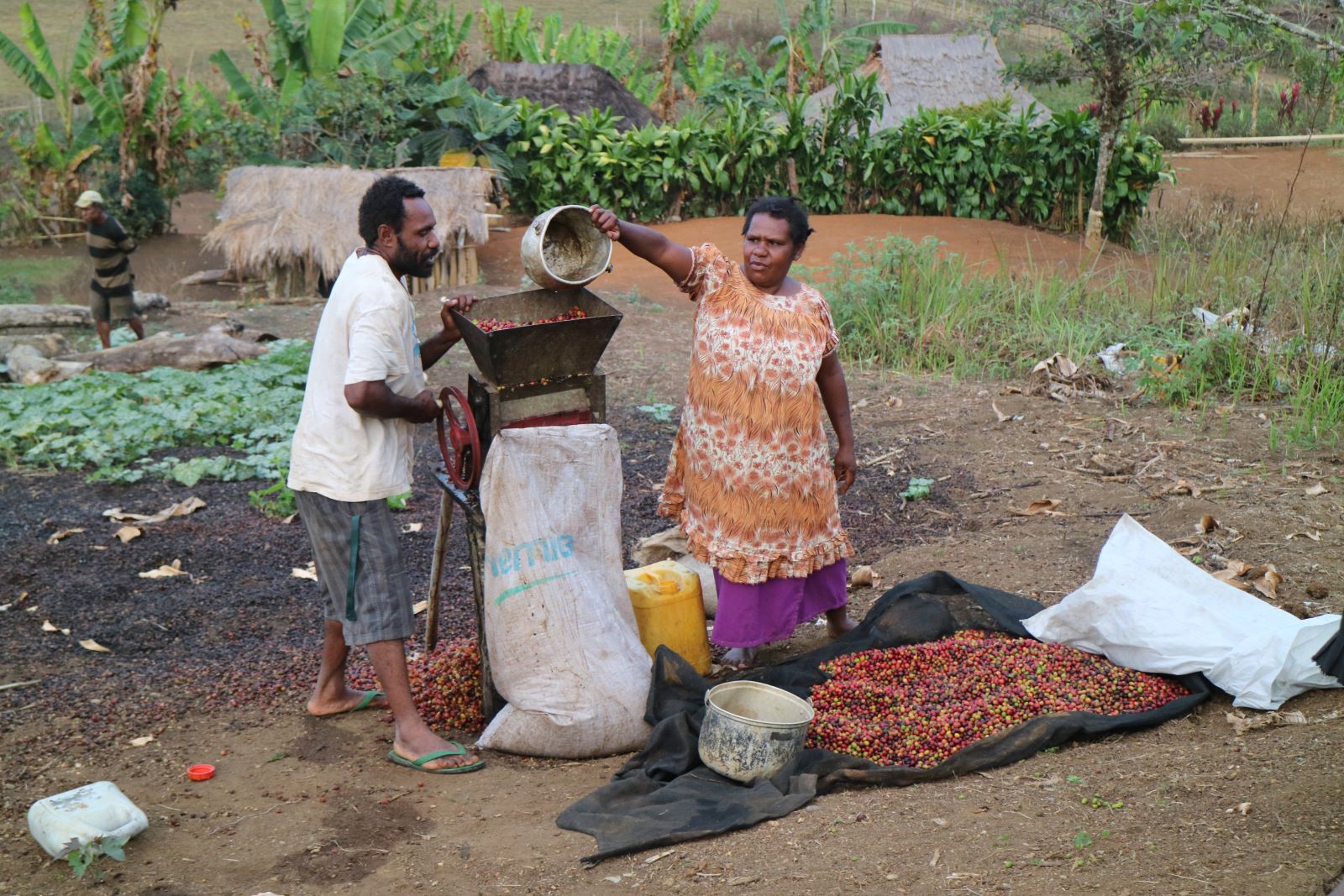
A woman and man pouring coffee berries into a machine.

Sustainable coffee production in Papua New Guinea

A 6-year ACIAR-supported project showed intercropping gave women a way to independently profit from coffee farming and had considerable benefits for the coffee production itself. 

Read more

Image
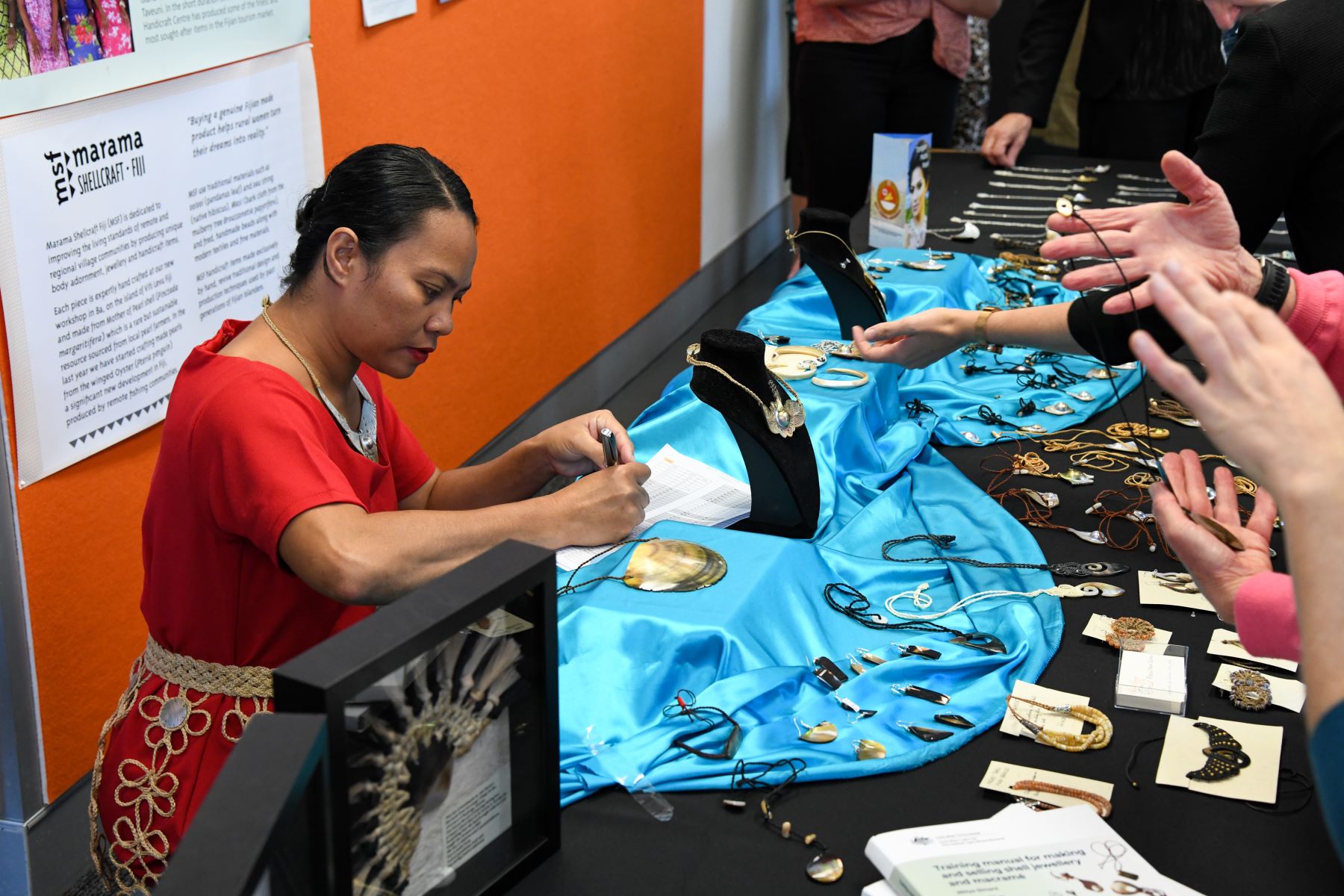
Women at a market table with artisan jewellery

Pearl farming livelihoods in Fiji, Tonga & Southeast Asia

ACIAR-supported training and market support is enabling women to participate in and benefit from the growing mabé pearl value chain through new skills, income and livelihood opportunities.

Read more

Image
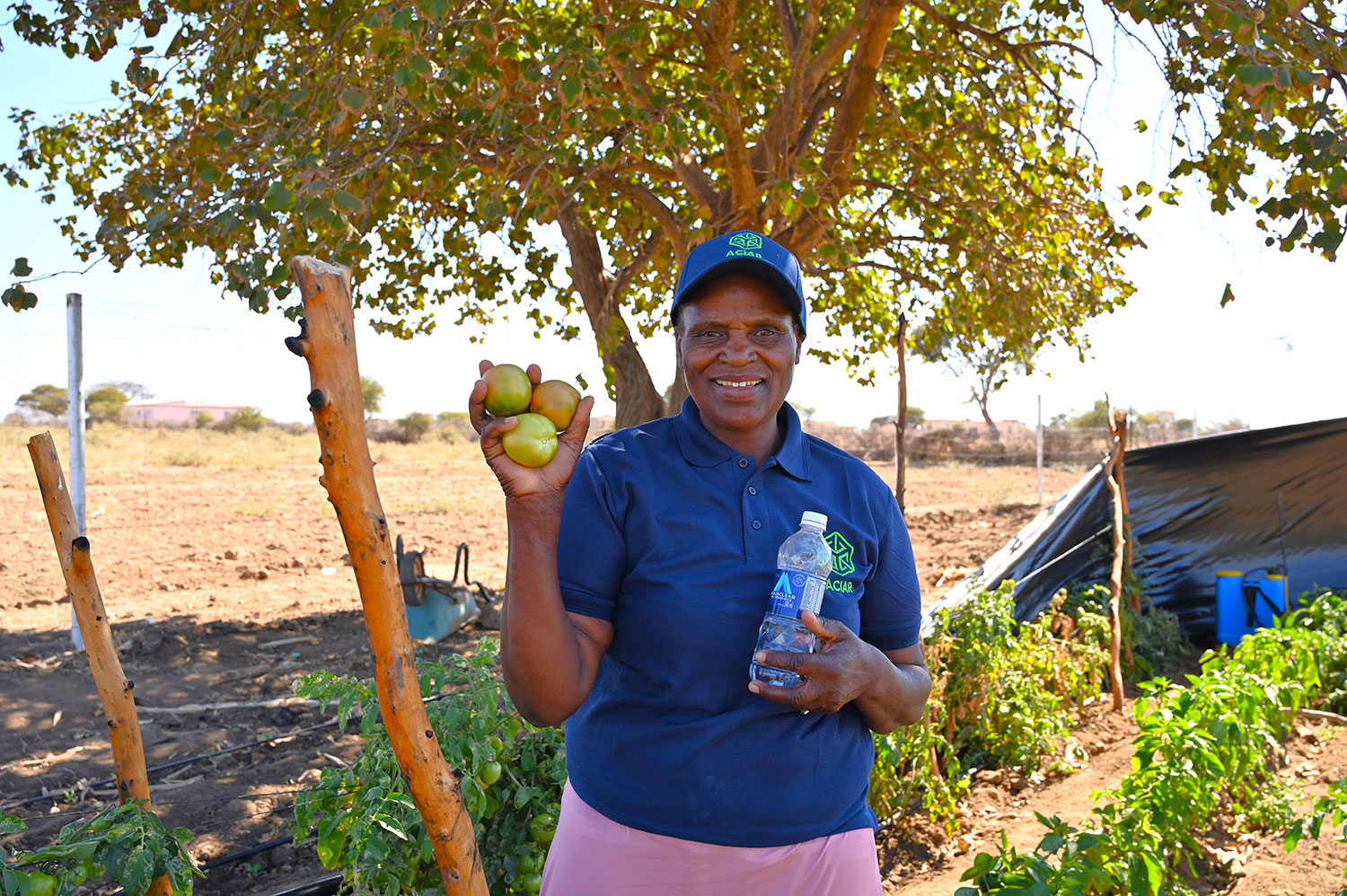
Woman holding tomatoes

Mrs Thandanani Dube’s farming revolution

ACIAR-supported research in Africa is helping women like Mrs Thandanani Dube transform her farm into a sustainable, productive system using integrated cropping and livestock practices, improving household nutrition. 

Read more

Image
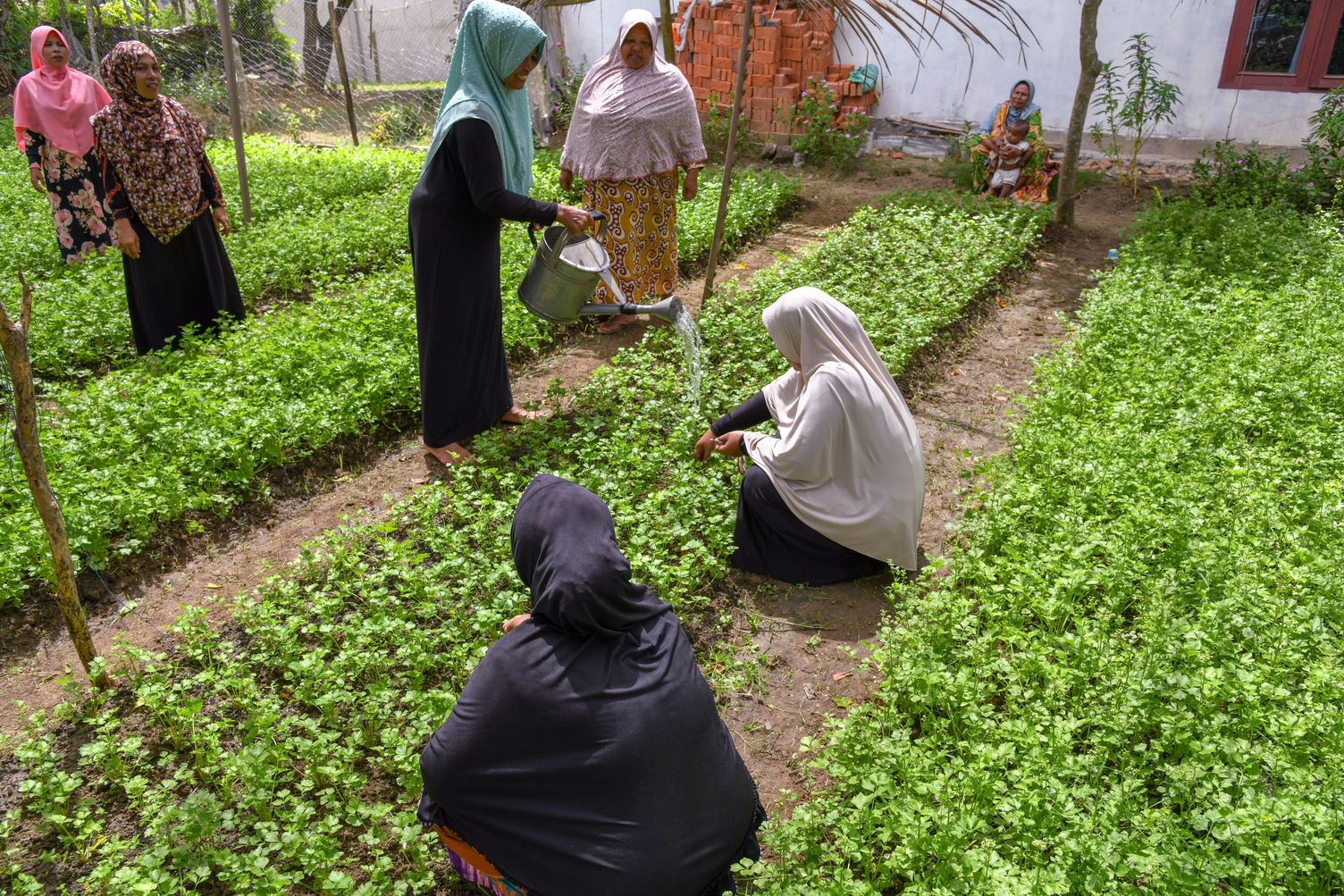
A group of women tending to crops

Regeneration and regrowth in Aceh

ACIAR-supported research in Aceh worked with women's farming groups, helping to improve food security and livelihood recovery following the 2004 Indian Ocean Tsunami. 

Read more


Disability and social inclusion

ACIAR promotes disability equity and social inclusion through partnerships that invite participation by those who are disadvantaged or marginalised.

The Australian Government is firmly committed to disability equity and rights in order to transform lives, reduce inequalities and build inclusive, cohesive communities.  

Australia’s Disability Equity and Rights Strategy outlines how we harness our expertise and resources to address discrimination and promote preconditions for social inclusion.

Image
A speaker presenting at an indoor event, with a presentation screen behind them and a lectern and laptop nearby.
Co-founder and Executive Director of the Advocacy for Women with Disabilities Initiative in Nigeria, Ms Patience Ogolo-Dickson, presenting to a workshop for the Africa-Australia Partnership for Climate Responsive Agriculture.

RESEARCH ACTIVITY

Investigating how agriculture impacts women with disabilities in Nigeria

ACIAR is partnering with Nigerian Advocacy for Women With Disabilities Initiative to understand and address the barriers faced by women with disabilities in agriculture, a sector that underpins Africa’s economy and supports millions of livelihoods. 

Read more


Project case studies
 

Image
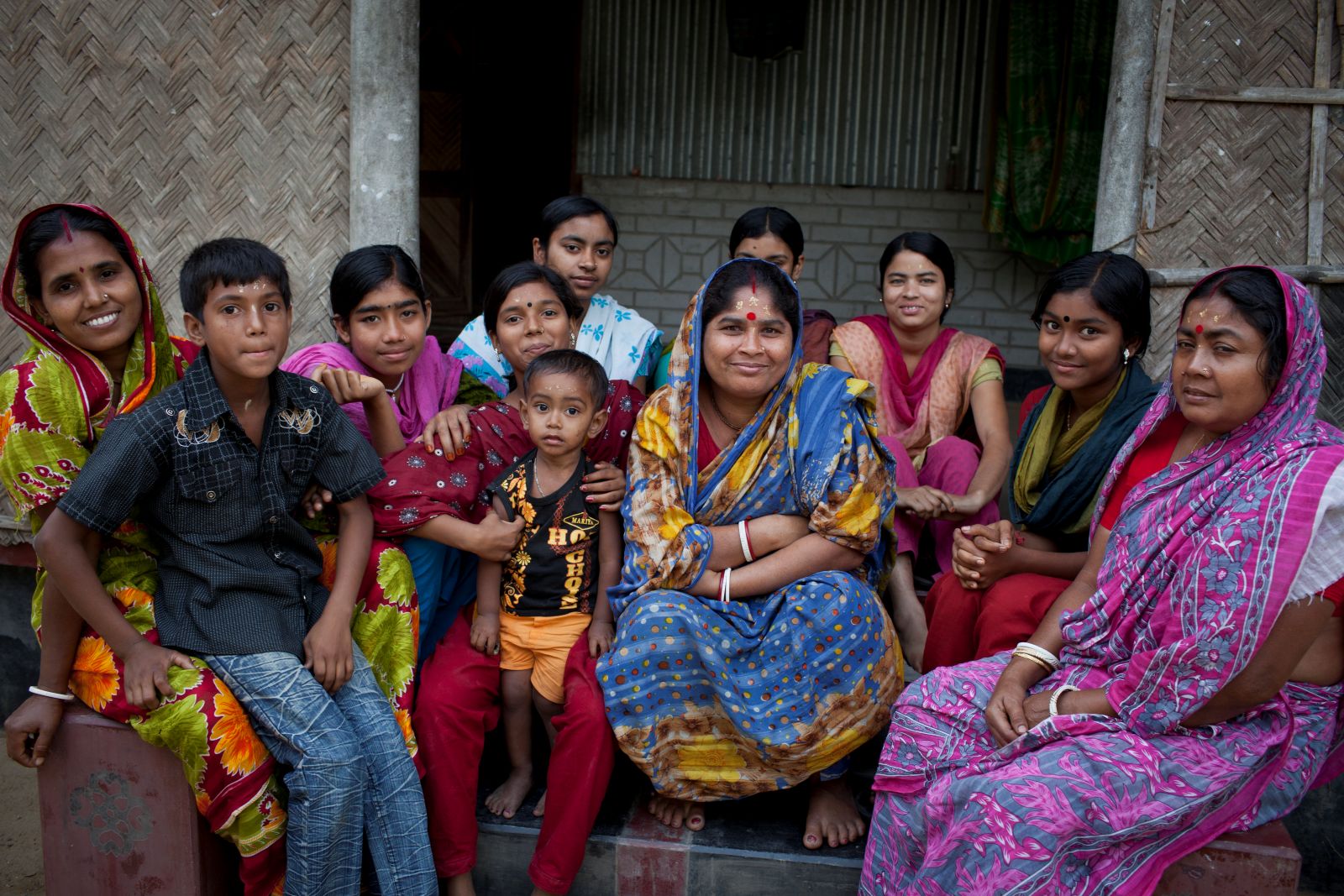
Small group gathered on steps outside a woven‑wall house.
Women in Bangladesh
Inclusive agricultural innovation
 

In the Eastern Gangetic Plains of Bangladesh, India and Nepal, ACIAR’s Sustainable and Resilient Farming Systems Intensification (SRFSI) project showed how social inclusion could be embedded in agricultural innovation. The project set clear targets for women’s participation and structured training, technology access and market pathways to ensure women could benefit meaningfully.  

By supporting women’s self-help groups to establish rice seedling enterprises for mechanical transplanting, SRFSI linked technical innovation with enabling institutional models, tailored training and mentoring. This approach enabled women to move from using technologies to owning and leading innovation, improving incomes and strengthening their standing in their communities.  

Through partnerships with national research institutes and NGOs, SRFSI also demonstrated inclusive pathways for adopting climate-smart practices, reaching large numbers of farmers and generating practical evidence on how addressing participation barriers delivers equitable and sustainable impact.

Read more about this project.

Image
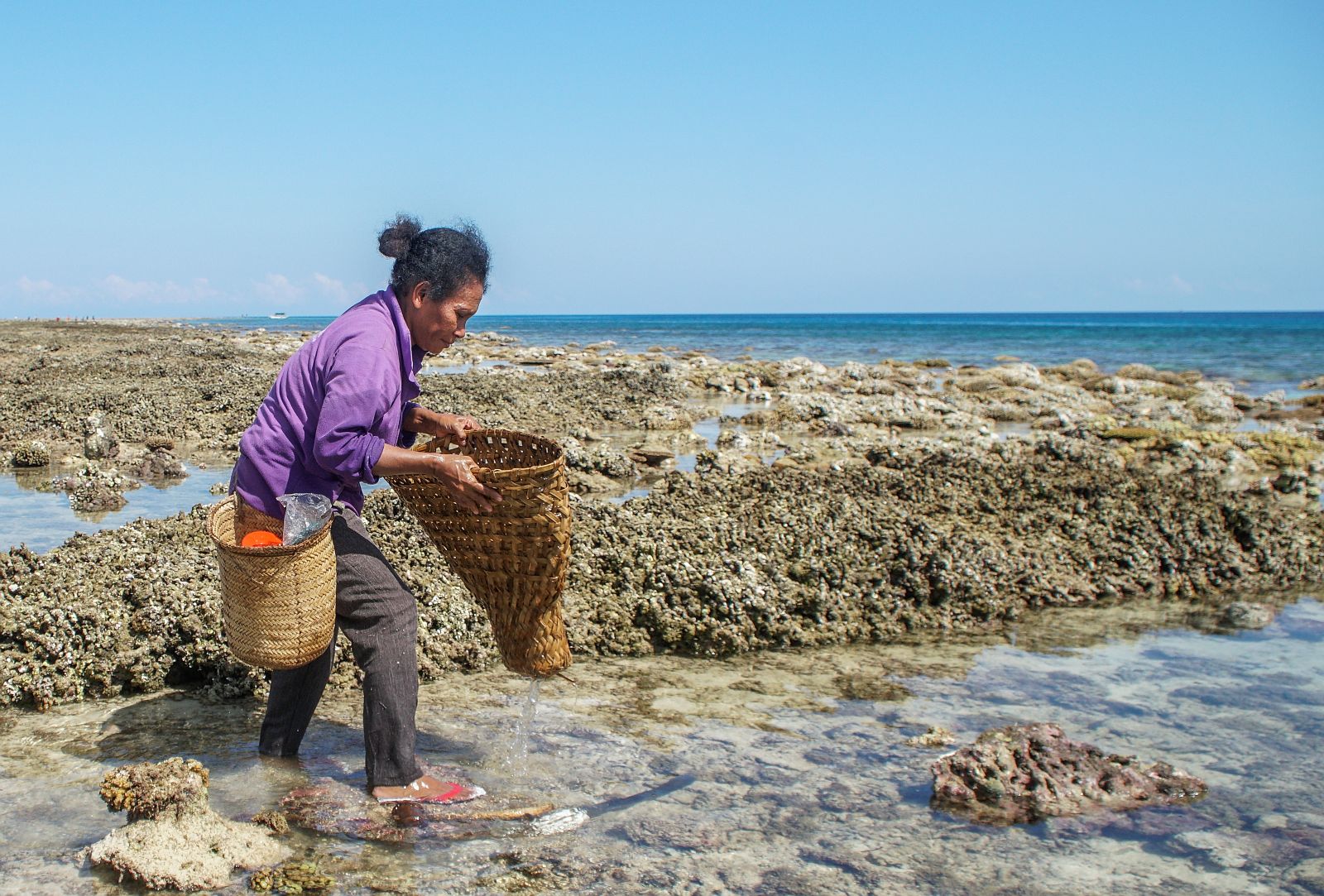
A woman collecting shellfish along a rocky shoreline.
A fisher woman in Timor Leste
Inclusive community fisheries management 


Although women are central to fisheries value chains, their roles can often be overlooked in formal decision‑making. ACIAR-supported projects in Timor-Leste and the Solomon Islands have addressed this by strengthening local platforms – such as community fisheries committees, women’s livelihood groups and co‑operatives – where women and men jointly identify priorities, test solutions and agree rules for sustainable resource use.  

By engaging women in co‑designing livelihood innovations and building leadership and facilitation skills, the approach improved the legitimacy of decisions and enabled women to influence how benefits are shared.  

Crucially, these locally led platforms are linked to national fisheries agencies, helping embed inclusive practice within government systems beyond a single project cycle. 

Read more about this project.