All investments across the ACIAR research portfolio seek to support farmers and the agriculture, fisheries and forestry sectors in partner countries to adapt to the impacts of climate change and reduce emissions from agricultural production systems and value chains. This can be achieved directly through supporting research to develop climate change resilient technologies and practices, and indirectly through generating knowledge and evidence to support in-country adaptation and mitigation policies and programs.

The integration of climate change adaptation and mitigation into ACIAR projects is part of the commitment of the Australian Government to support our regional neighbours adapt to and build resilience to the multiple and complex impacts of climate change. This focus is one of several ways that ACIAR contributes to Australia’s International Development Policy.
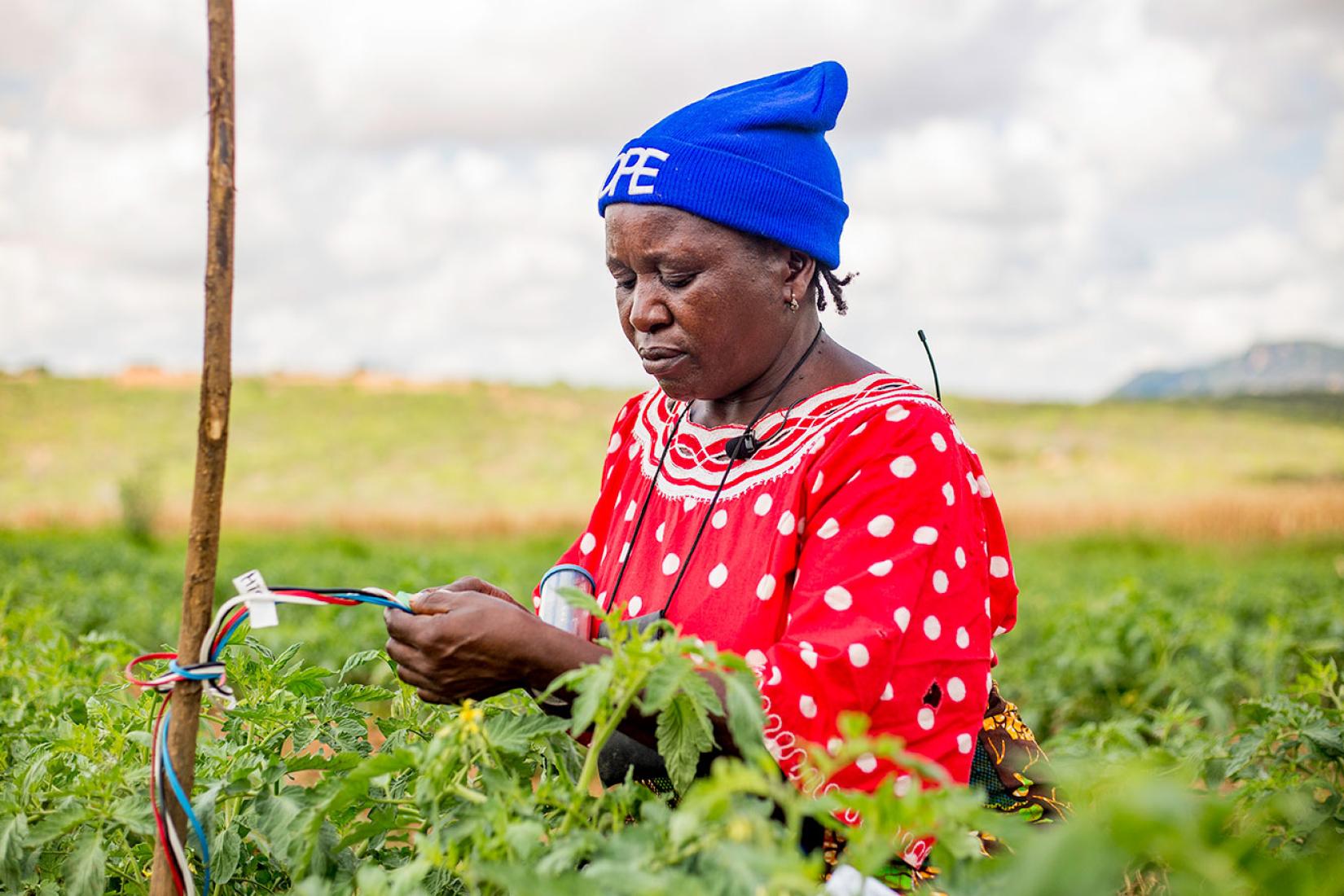
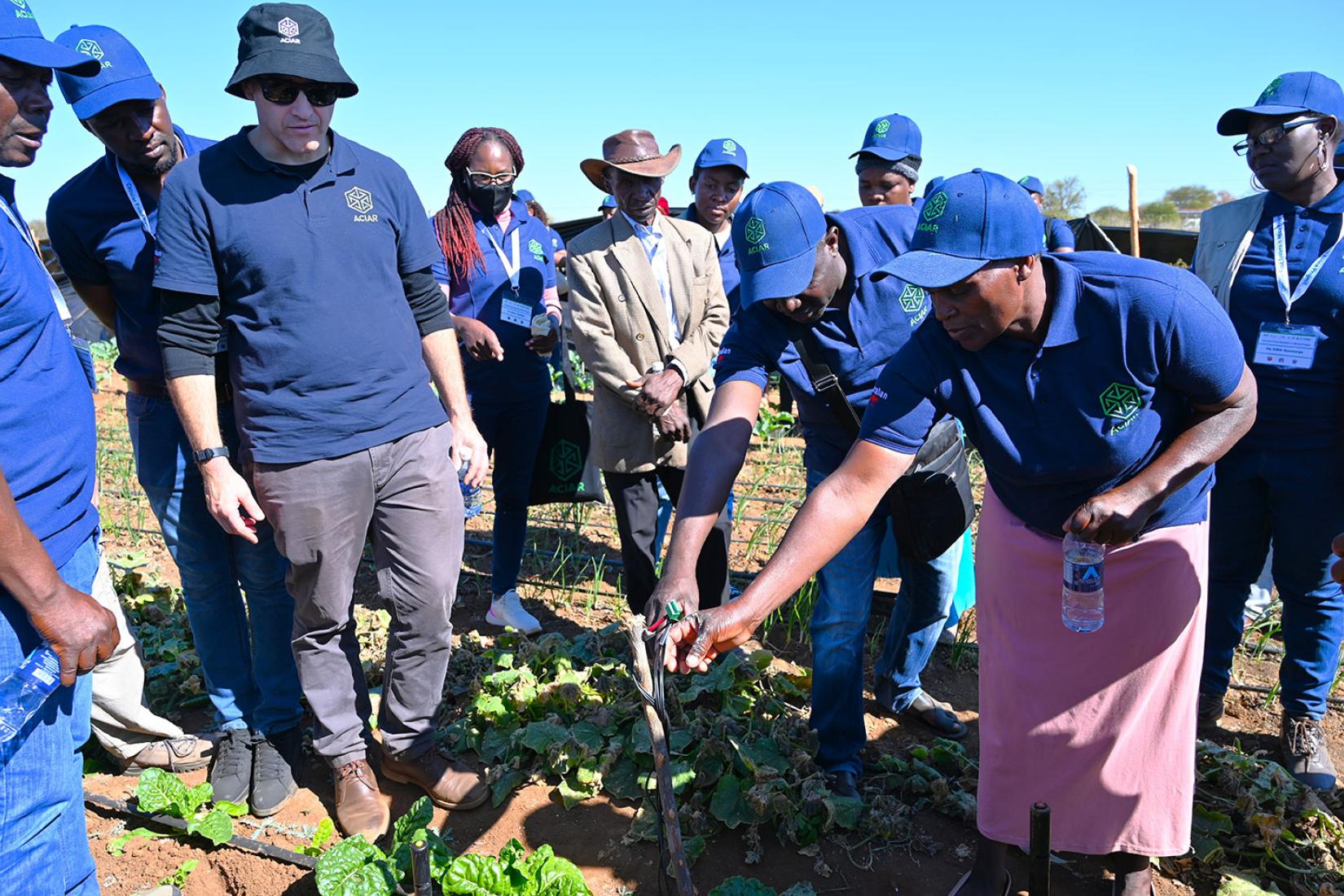


ACIAR establishes research partnerships between institutions in Australia and partner countries to:

  • support partner countries tackle climate change impacts and adapt to changing climates, in line with their national plans and strategies
  • build linkages between Australia and partner countries to understand, measure and mitigate emissions
  • strengthen Australia’s own agricultural climate change capabilities through trialling innovative approaches
  • address the differential impacts of climate adaption and mitigation to ensure equality across genders, abilities and cultures.


The objectives of the former ACIAR Climate Change Program have been integrated across the whole ACIAR research portfolio, and established projects are now managed by other programs. Through this change we seek to support the development of new knowledge and capacity by mainstreaming our climate change considerations across all research portfolios. 

For more information on the ACIAR research portfolio, browse through our research programs.


Related projects

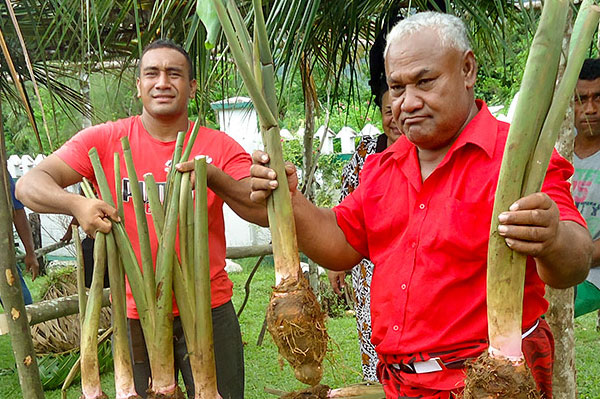
taro in Samoa
 
Sustainable agricultural intensification systems for climate resilient development in Pacific island countries


This project aims to evaluate biophysical and economic benefits of multiple Sustainable intensification of agriculture (SI) practices in crop-based farming systems in Samoa and Tonga, focusing on SI practices most likely to provide climate adaptation and mitigation benefits.

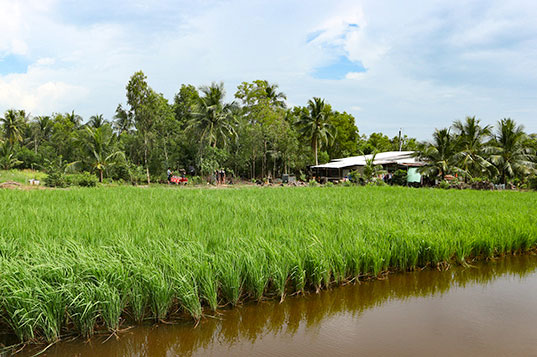
rice growing
 
Supporting greenhouse gas inventories and targeted rice mitigation options for Vietnam


This project aims to support Vietnam’s Ministry of Agriculture and Rural Development (MARD) to perform its new responsibility of managing and improving Vietnam’s greenhouse gas (GHG) inventory for agriculture, forestry and land use, using collaboration on rice emissions to strengthen capacities.

coast
 
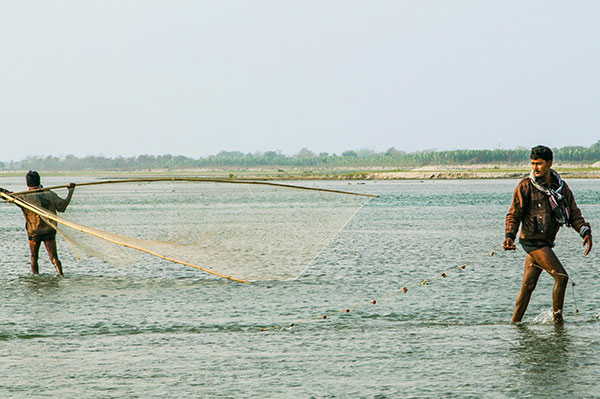
Paribartan: Participatory action research on locally-led iterative learning and inclusive business models for adaptive transformation in Bangladesh Polders


'Paribartan' will develop, trial and evaluate Locally-Led Adaptation (LLA) processes in the polder communities of coastal Bangladesh, building self-sustaining learning systems that will allow farming communities to respond adaptively to rapidly changing conditions.

Related content

transforming coastal food systems
 
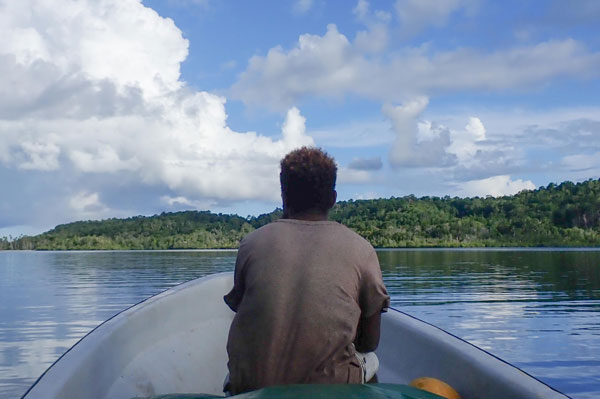
New initiative to transform coastal food systems in the Solomon Islands


New ACIAR-funded research in the Solomon Islands will help coastal communities transform food systems to become more resilient to the impacts of climate change.

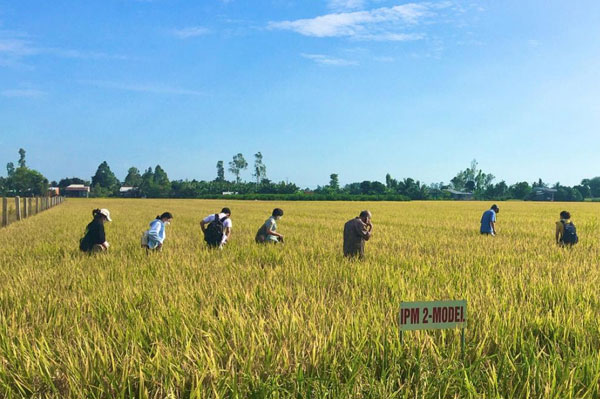
Mekong farmers visiting a rice field applying integrated pest management as part of the project. Photo: Can Tho University
 
How Mekong Delta farmers gained access to premium export markets


Through the Mekong Sustainable Rice initiative, Vietnamese farmers are creating pathways to premium markets.

Professor Peter Harrison with 4-year-old corals grown from larvae at Heron Island lagoon in 2020. Photo: Southern Cross University
 
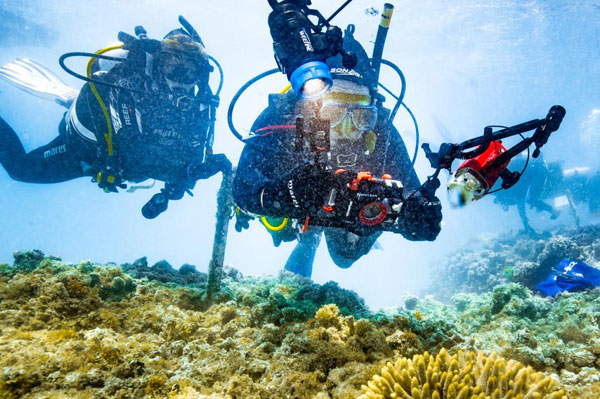
ACIAR support delivers 11th-​hour hope for the world’s coral reefs


A crucial partnership with ACIAR has helped marine scientist Distinguished Professor Peter Harrison lead research to develop coral restoration techniques.