



The contribution women farmers make to food production, and to pre-harvest and post-harvest activities, significantly boosts food security. However, that contribution can be overlooked.
The United Nations declared 2026 the International Year of the Woman Farmer to highlight the role women play in food security at the family, farm and community levels.
ACIAR has been a longtime supporter of research that empowers women in agriculture to improve their livelihoods and support food security for themselves, their families and their communities.
In this article, researchers speak about the ways ACIAR-supported projects are benefiting women as both farmers and leaders in their communities.
Improving opportunities in Solomon Islands
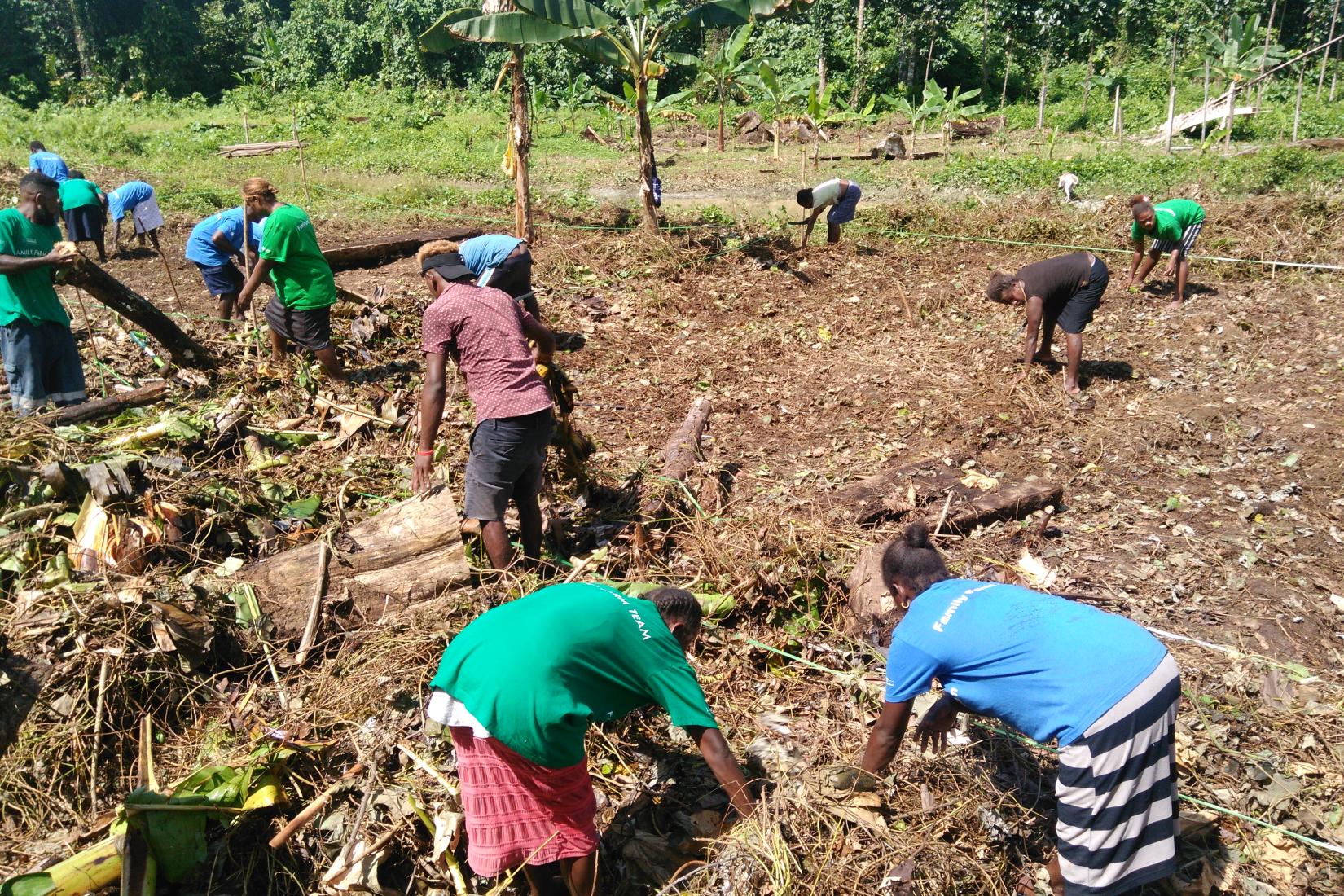
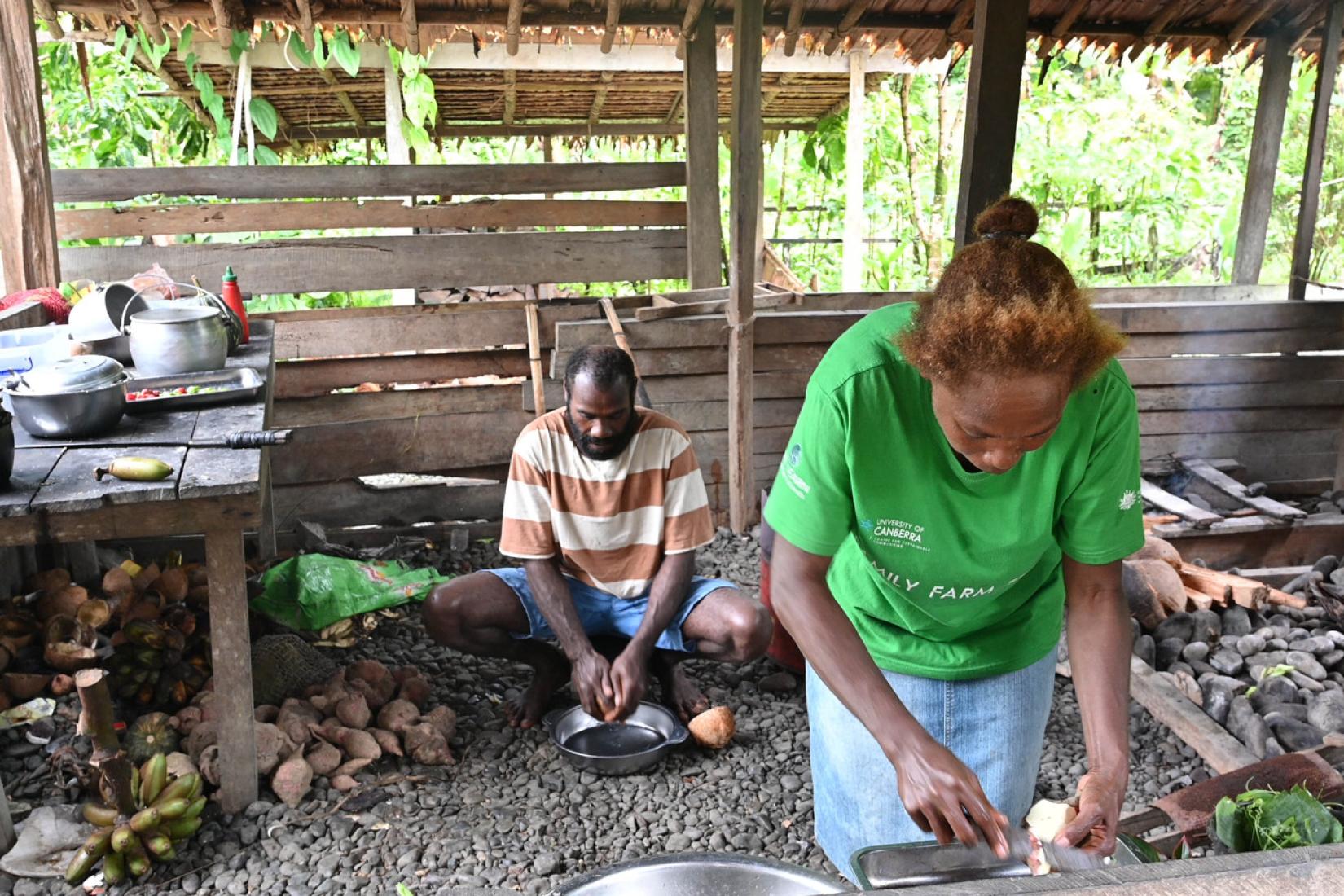
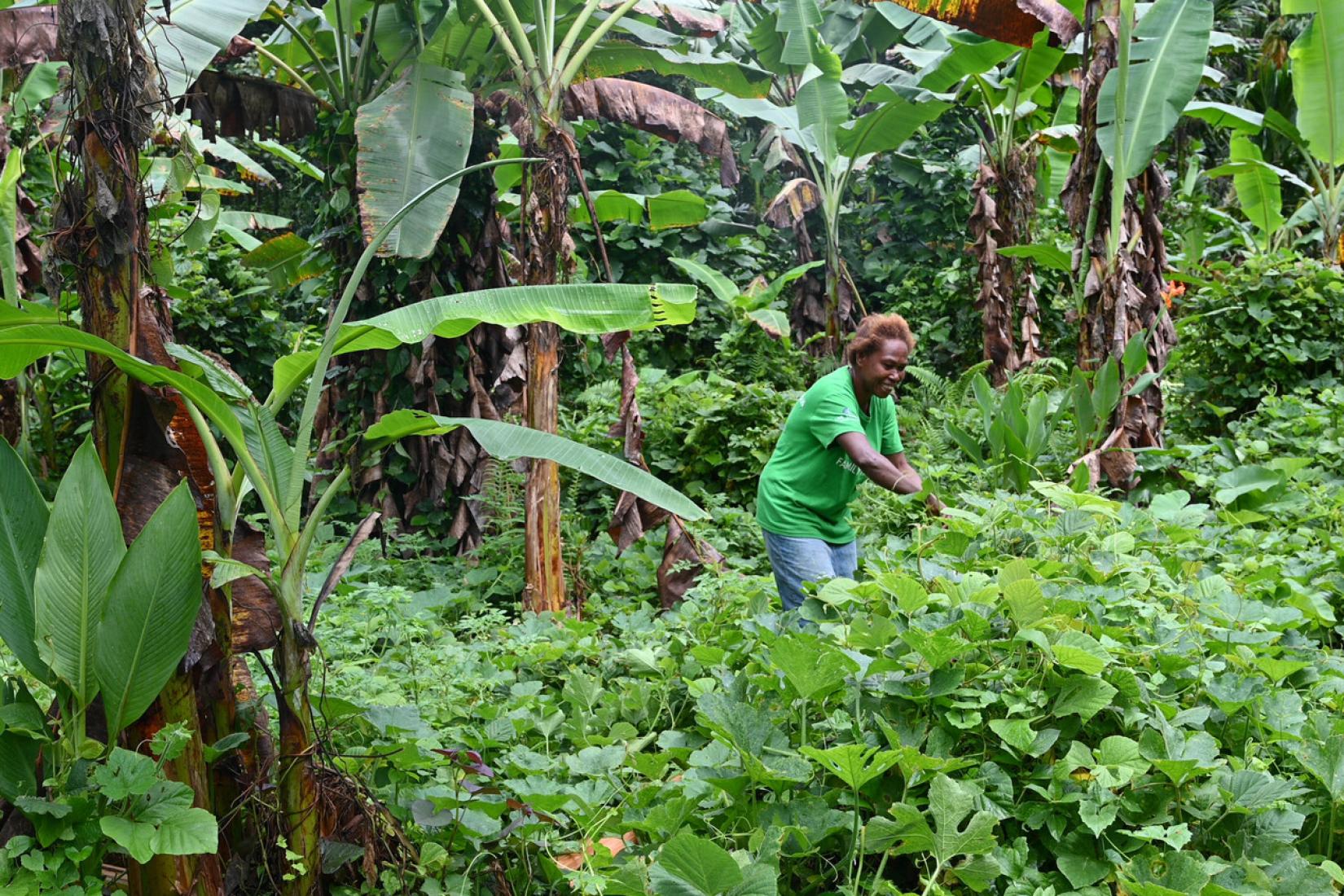
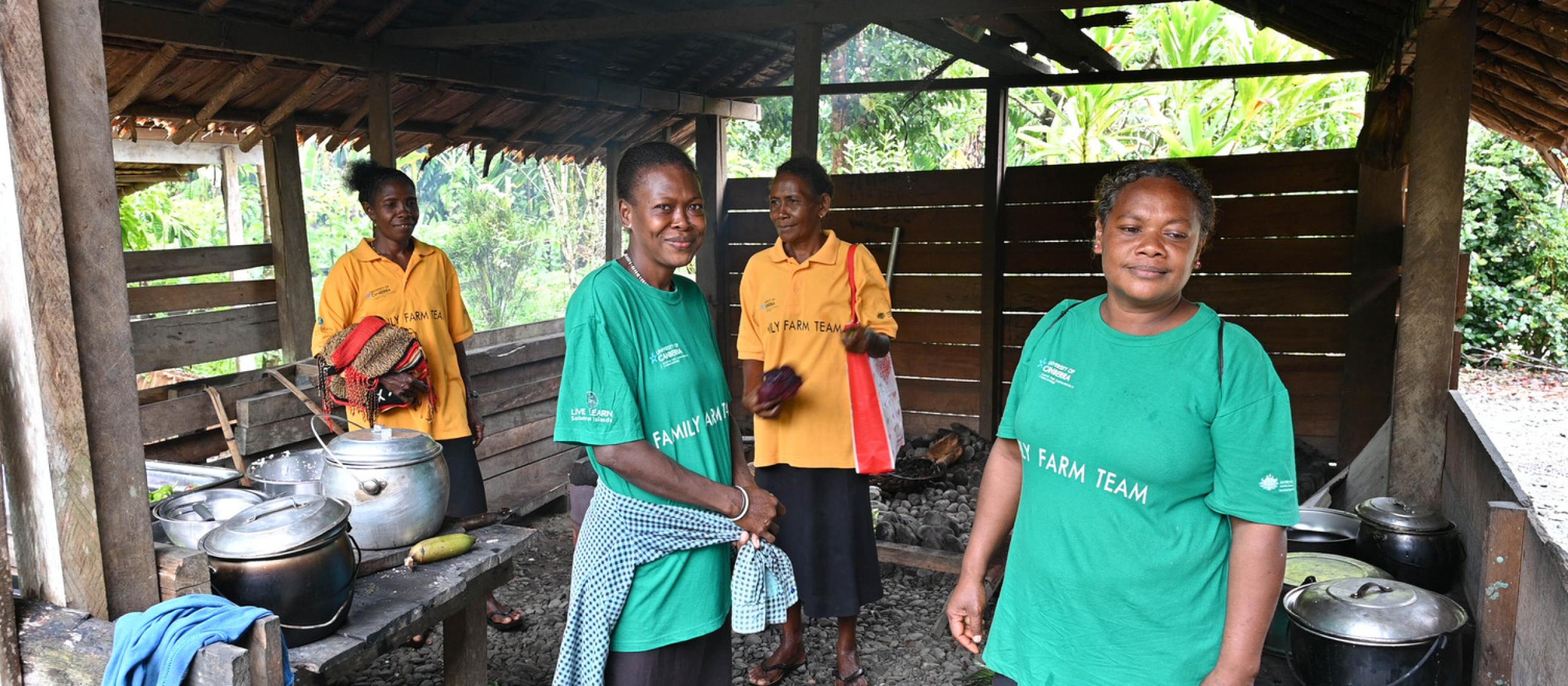
Smallholder farms are integral to life in many communities in Solomon Islands. An ACIAR-supported project has developed a Family Farm Team approach to support the livelihoods of farming families, particularly women.
This approach was part of a successful program in Papua New Guinea before being adapted for Solomon Islands. It aims to develop an equitable and effective way of sharing farming activities among family members.
Extension officers deliver agricultural training integrated with the Family Farm Team program. Modules include decision-making, communication, working as a team, family goals, planning and feeding the family farm team.
Associate Professor Deborah Hill is a researcher specialising in culture and linguistics at the University of Canberra and helped adapt the Family Farm Team program for Solomon Islands.
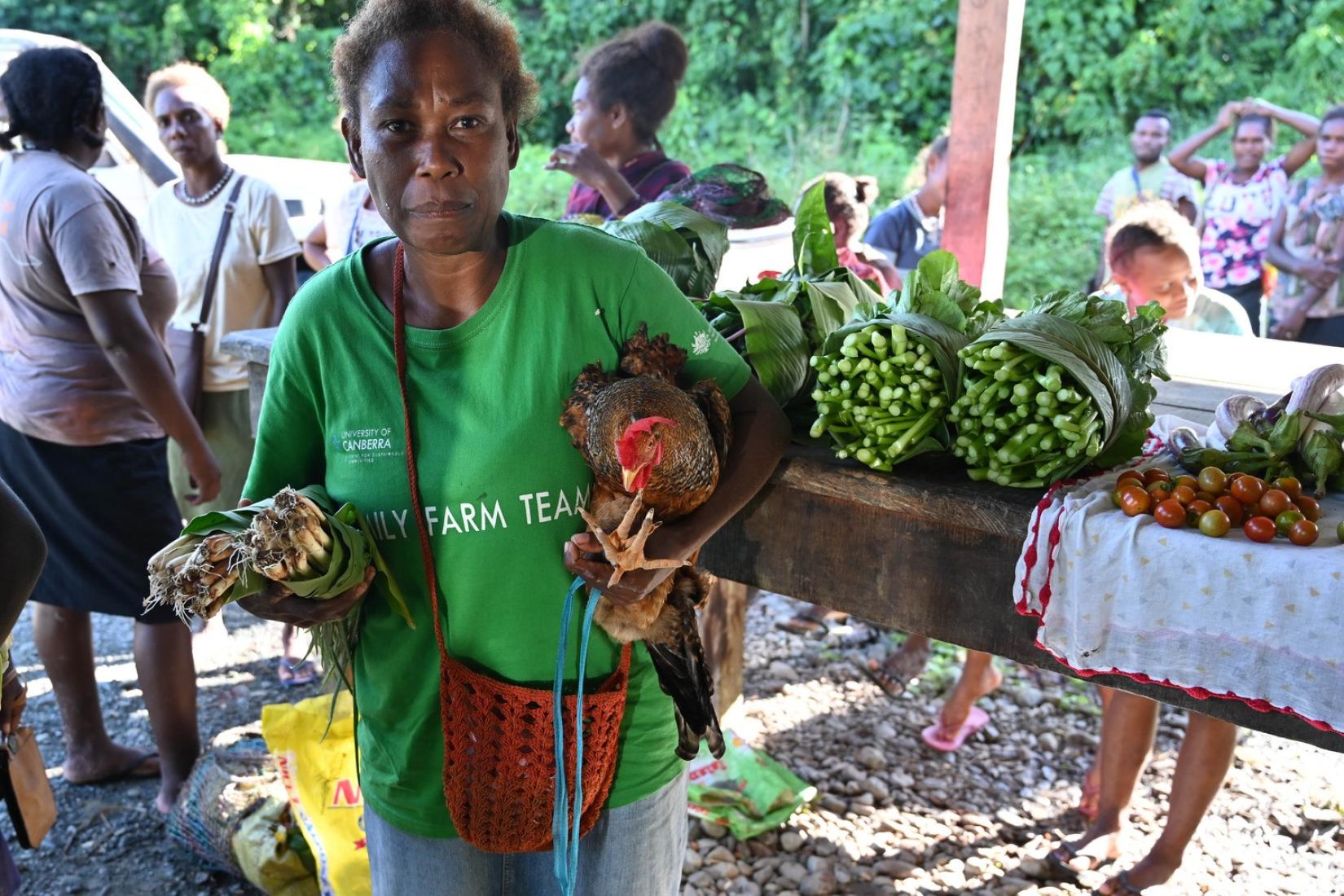
‘With the Family Farm Team framework, women farmers in Solomon Islands were able to improve farm production, share the produce and earn an income,’ said Associate Professor Hill.
‘Often a small increase in family income can mean children can get a better education, a savings plan can be started or new seed bought to expand the farm.
By making the family farm a team project, women have a much greater say in its operation. Women and men communicate more effectively within their families, and food production increases.
Associate Professor Deborah Hill,
University of Canberra