



Amid a climate crisis that continues to threaten food security across Africa, experts and pastoralists are calling for a rethink in planning and implementing development in pastoral regions of eastern and western Africa.
This call to action emerged from a recent workshop convened under the Africa–Australia Partnership for Climate Responsive Agriculture (AAPCRA), a flagship initiative of ACIAR and DFAT, valued at A$76.4 million.
At the heart of the workshop was a bold proposition: pastoralism should no longer be treated as a vulnerable and outdated livelihood system.
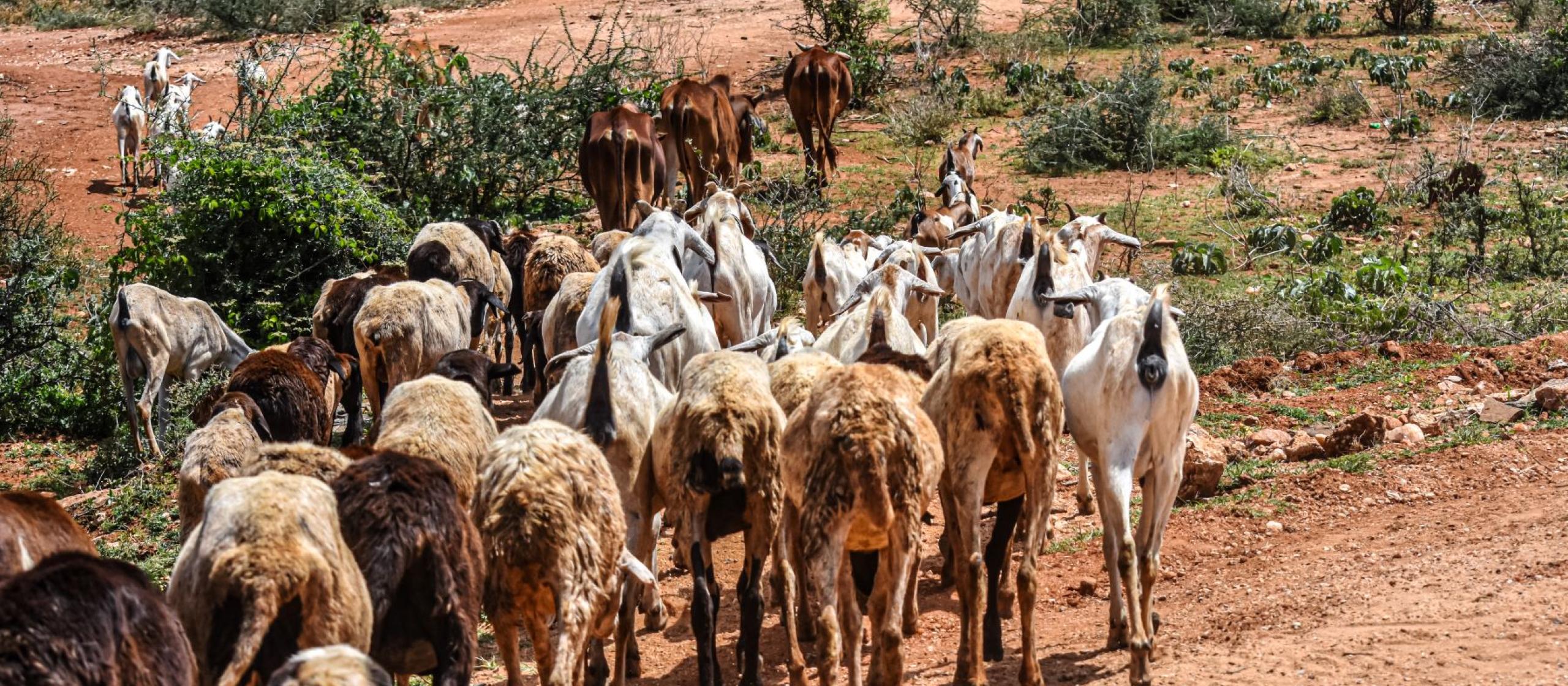
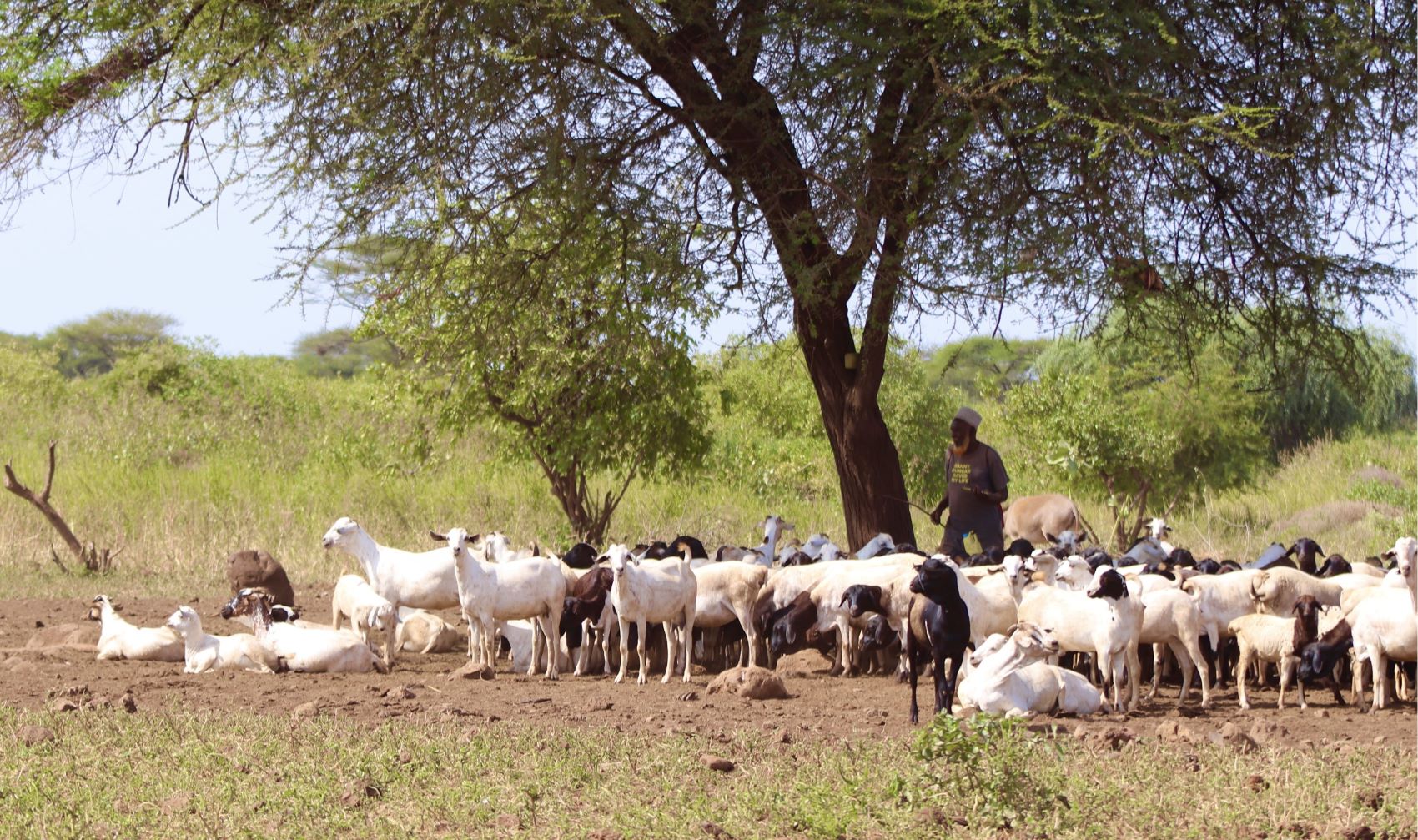
It must be recognised as the most viable livelihood system in the drylands, providing vital nutritional requirements for the people. Pastoralists themselves are often a network of ‘high-reliability professionals’, who consistently navigate uncertainty with skill, flexibility and indigenous knowledge.
‘Pastoralists are not just surviving climate shocks; they are managing risks, mobilising support networks, and stabilising food systems under the harshest conditions,’ said Dr Rahma Hassan, a female Researcher at the Centre for Research and Development in Drylands (CRDD) in Kenya. ‘This is resilience in action.’
Image
Partnership for climate-smart solutions
Launched by Australia’s Minister for Foreign Affairs, Senator Penny Wong, at the 2023 Commonwealth Heads of Government Meeting, AAPCRA is a six-year partnership aimed at enhancing access to climate-smart innovations for African smallholders while strengthening institutions and policy engagement across the continent.
‘Through innovative partnerships and Australian know-how, we are helping build a future where communities are fed, economies are stronger, and the environment is protected. It is about securing a better, more resilient future for all,’ said Minister Wong at the time.
In its inaugural year, AAPCRA is investing in bilateral research and capacity development in countries such as Ghana, Kenya, Nigeria, Senegal and Tanzania, where pastoral systems are facing increasing pressures from land grabs, resource conflicts, food insecurity and climate shocks.
These challenges, when viewed through a narrow lens, tend to encourage solutions based on current norms and biases.
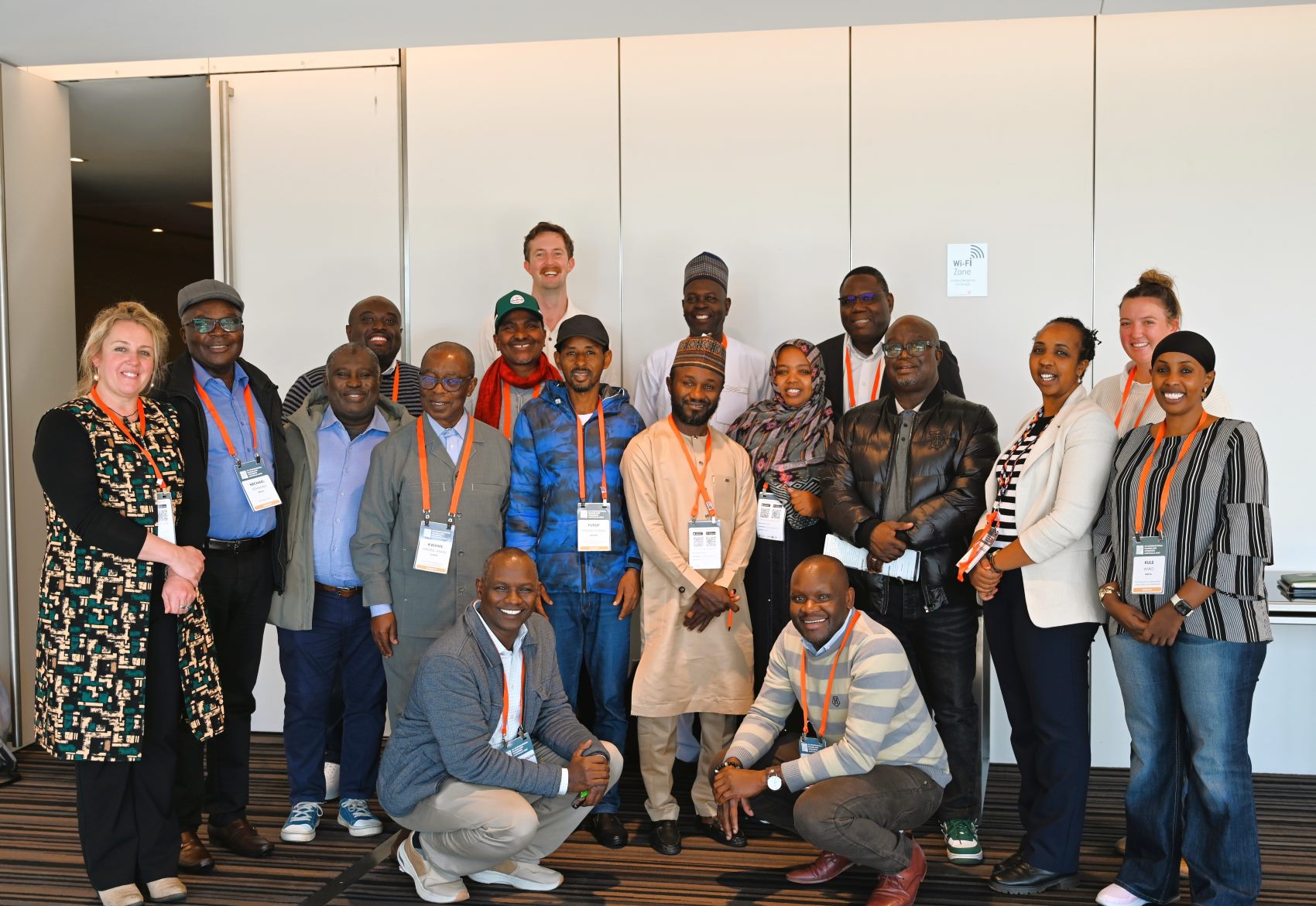
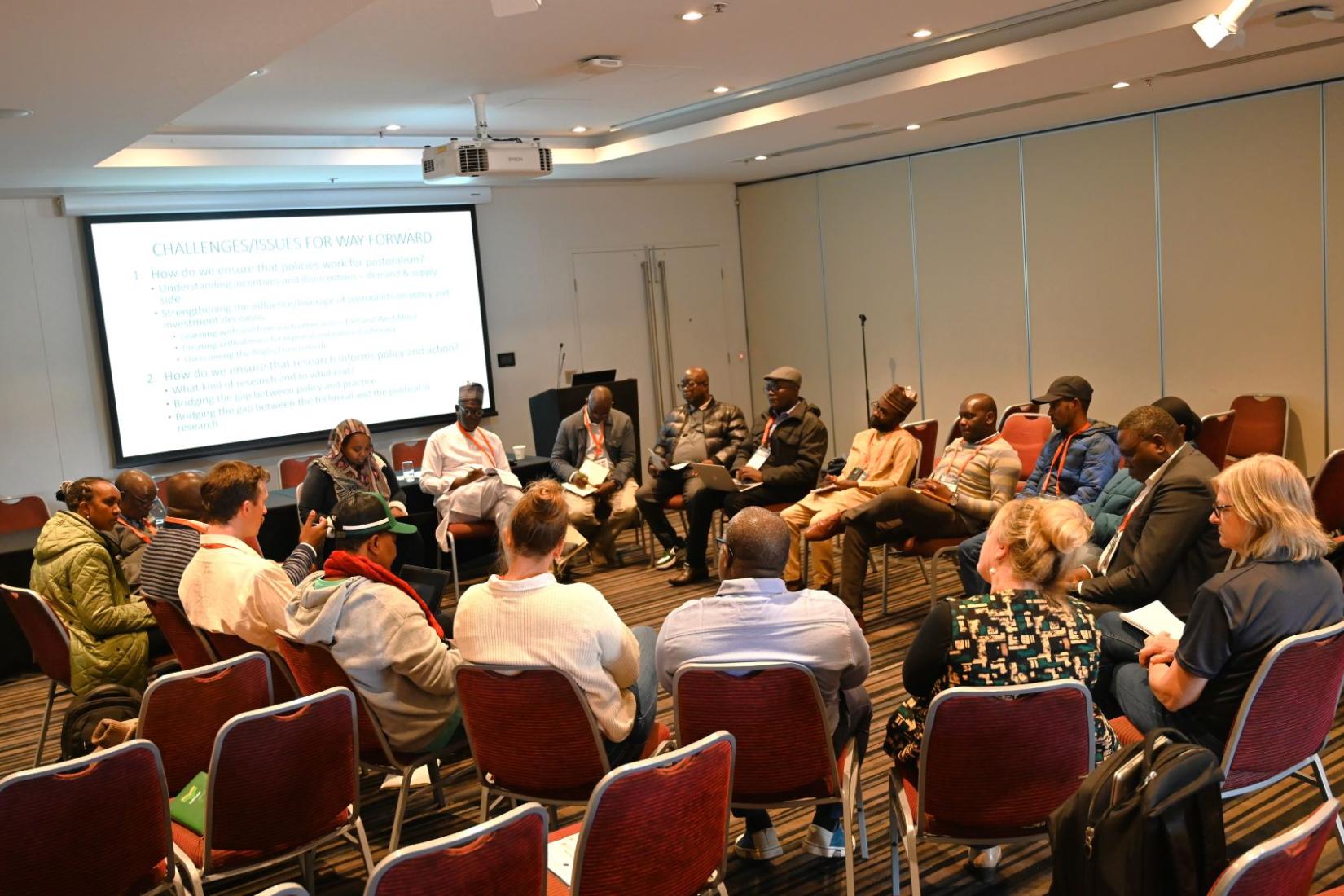
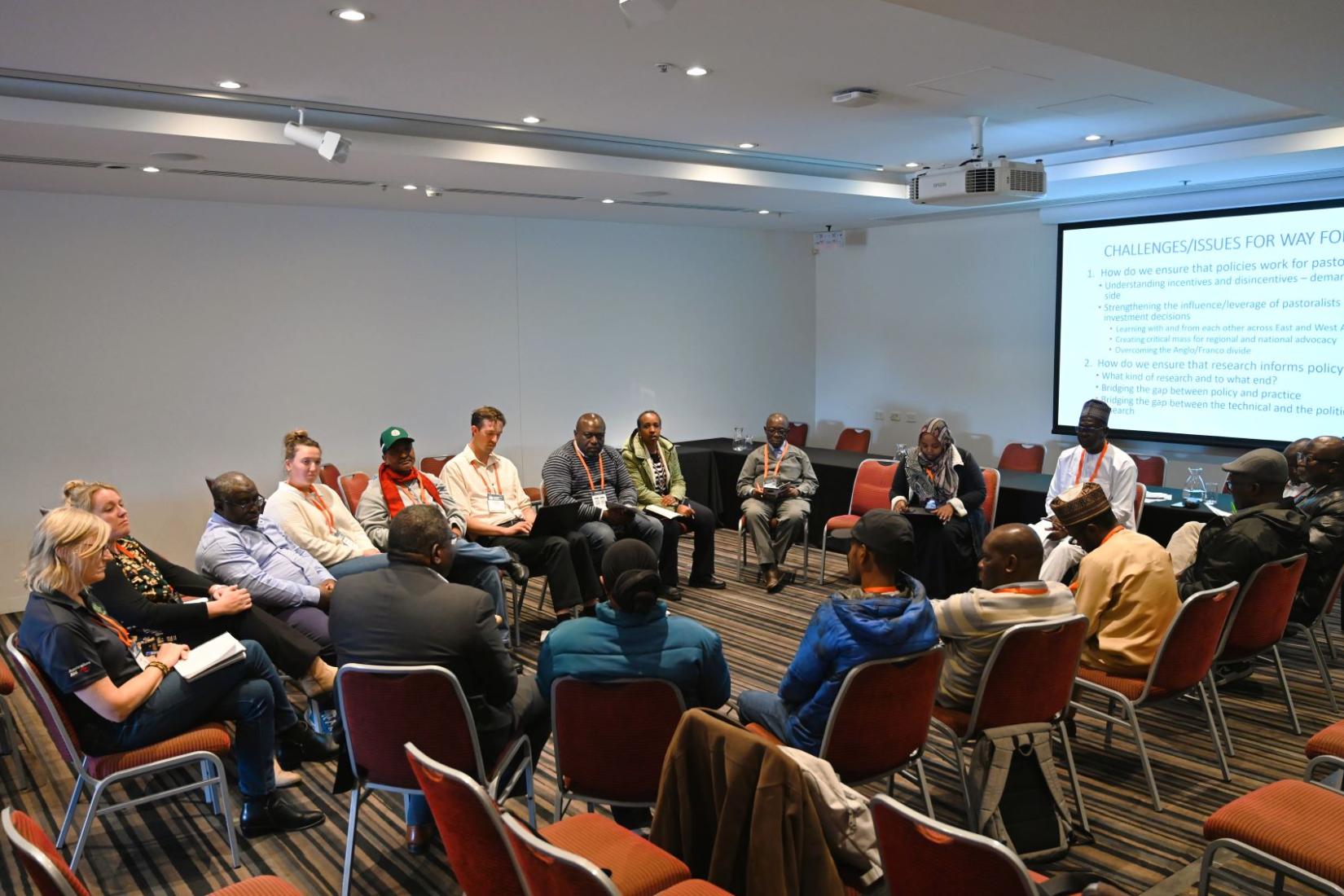
To help shift perspectives, AAPCRA-sponsored 15 delegates from these countries to attend the XII International Rangeland Congress in Adelaide, in June. The congress became a platform for meaningful discussions to generate new ideas, build momentum and restore a sense of hope around pastoralism.