Building on local strengths
One of the project's most significant achievements has been adapting the Livelihood Improvement through Facilitated Extension (LIFE) Model to Fiji's unique social and cultural context.
Dr Mary Johnson, Landcare Fiji Project Leader and Research Fellow at RMIT University, said the model offered valuable lessons about how research and development can work together to support communities.
The LIFE model is a community-based agricultural extension approach developed to improve farming livelihoods, build social capital, and foster peace in conflict-vulnerable and remote areas. It was originally created through a collaboration between ACIAR and Philippine partners in Mindanao.
Dr Mary Johnson
Landcare Fiji Project Leader
However, as the project progressed in Fiji, partners discovered that Fiji already possessed a similar community-based philosophy known as the ‘solesolevaki’. The word comes from sole (together) and vaki (to do or carry out), and it refers to a communal approach where people contribute their time, labour, skills and resources for the benefit of the group rather than the individual.
According to Mr Solomoni Nagaunavou, Landcare coordinator from the Fiji Ministry of Agriculture, the team saw an opportunity to strengthen an existing concept in Fijian culture and practice, rather than introduce an entirely new concept.
‘At its core, solesolevaki is based on the values of collective responsibility and community ownership. The Ministry is pleased to have been selected as one of the government partners in implementing this ACIAR-funded project in Fiji alongside Teitei Taveuni and FNU.’
Mr Nagaunavou said this valuable partnership helped address gaps in the Ministry’s capacity to support farmers, particularly in resilient agriculture. The project works with communities in Sigatoka, Vanua Levu and Taveuni, aligning activities with the Ministry’s five strategic priorities, including food security, household income and climate-smart agriculture.
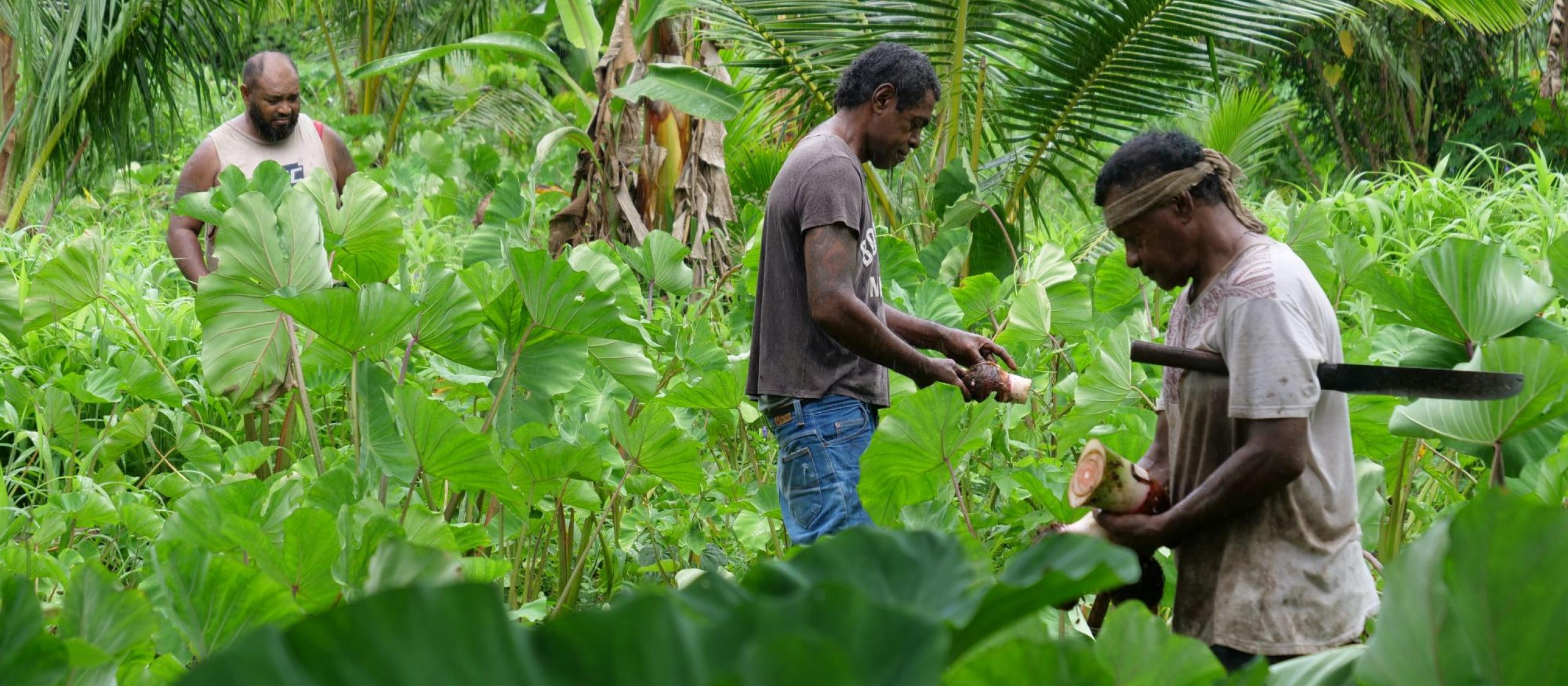
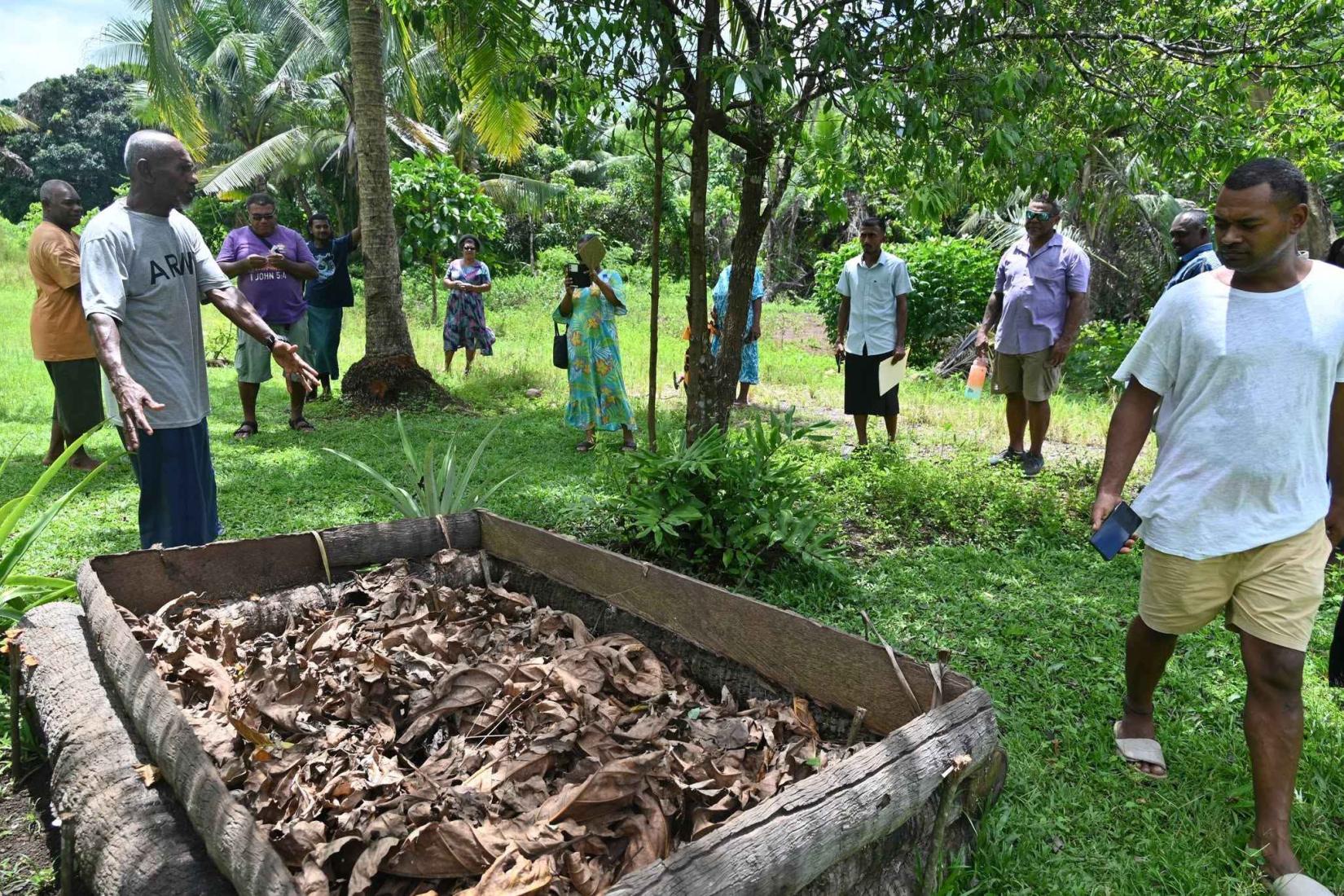
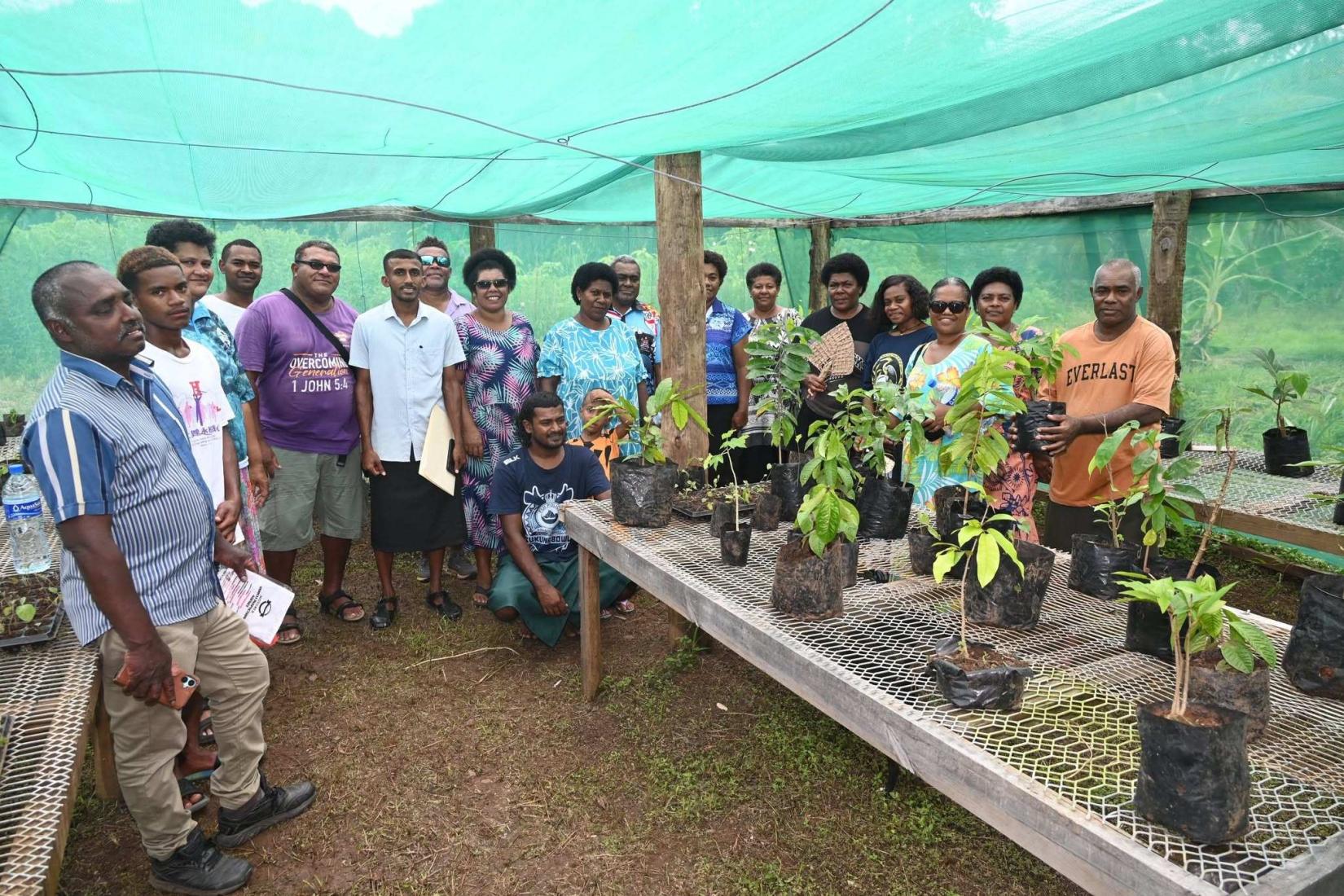
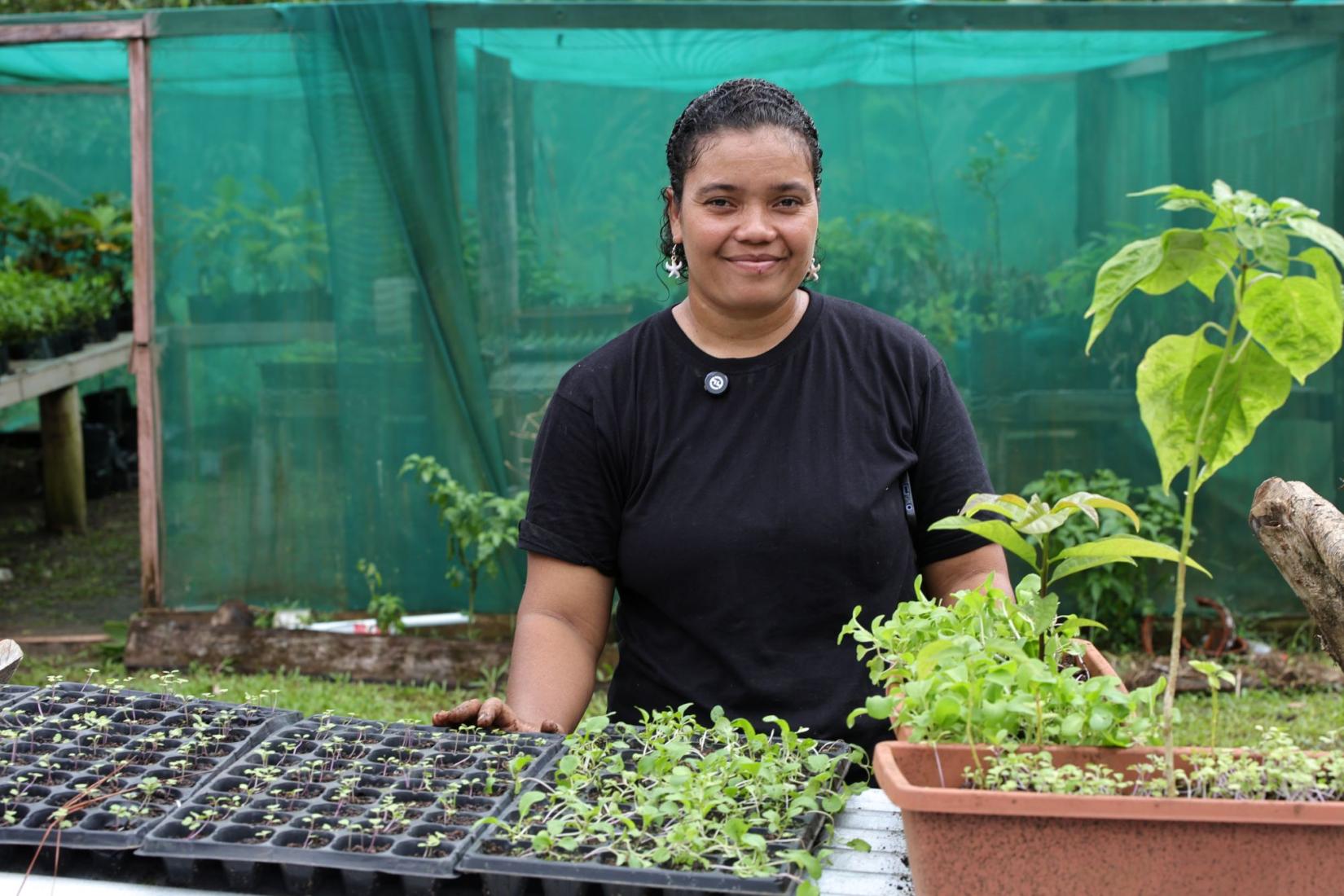
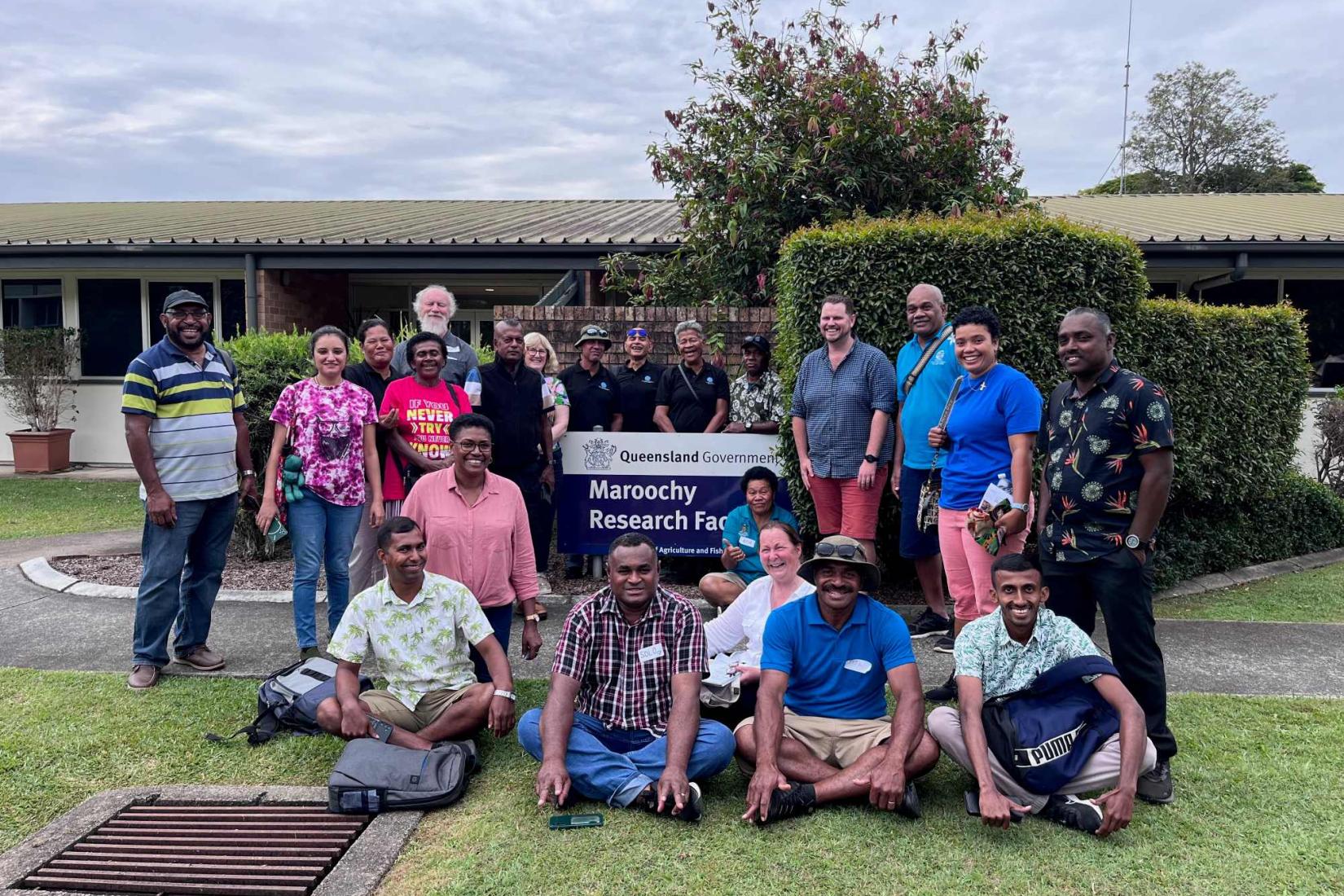
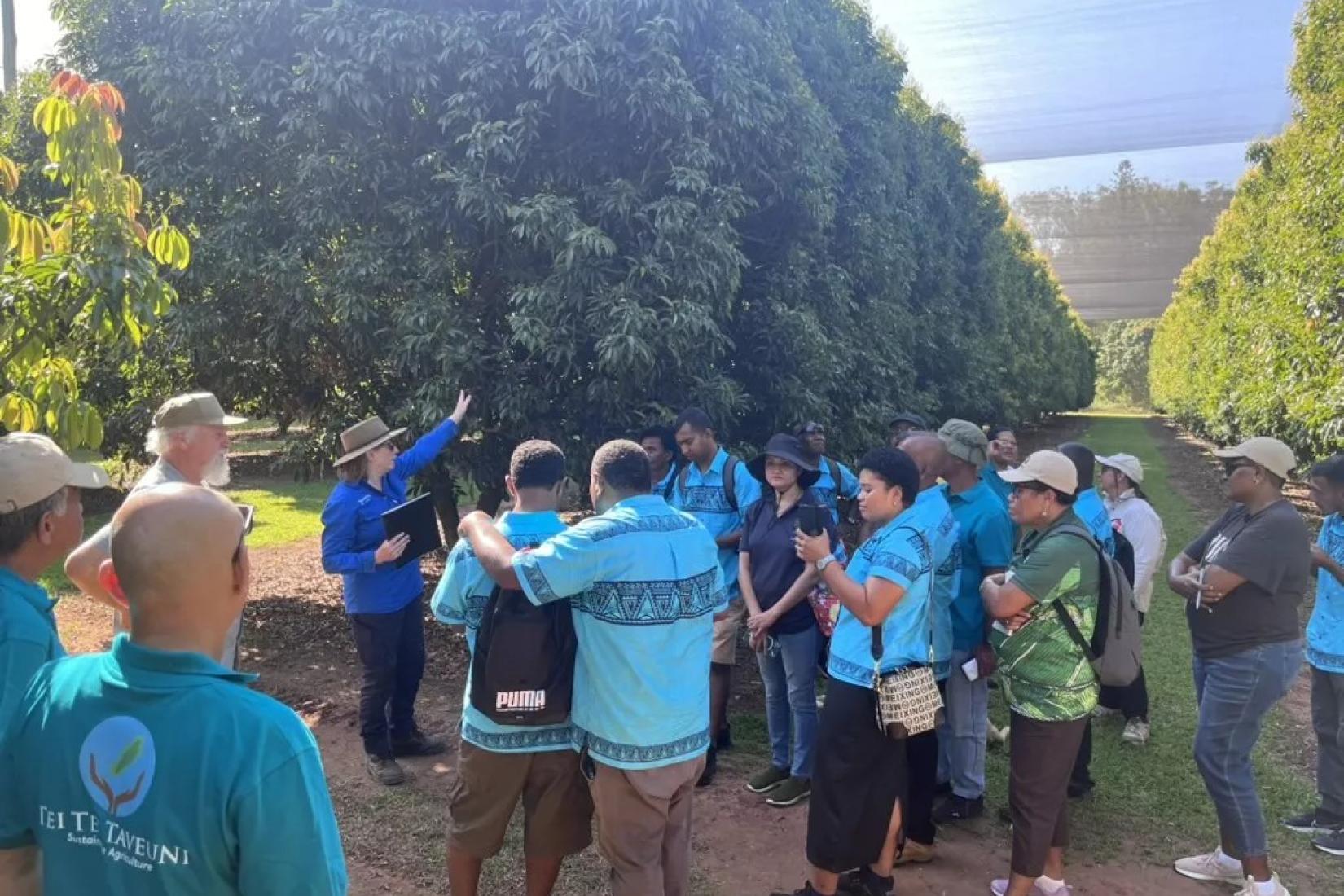
Over the past four years, the ministry has delivered training, farmer exchanges and study tours, enabling farmers to learn directly from one another. Simple incentives, such as seed packets, encourage participation and adoption of new practices. The project's impact is particularly evident in Matalolo, where farmers who once relied heavily on purchasing vegetables from external markets are now producing their own vegetables and higher-value crops.