



Story: Paul Jones and Wilson Saeni | Photos: Paul Jones
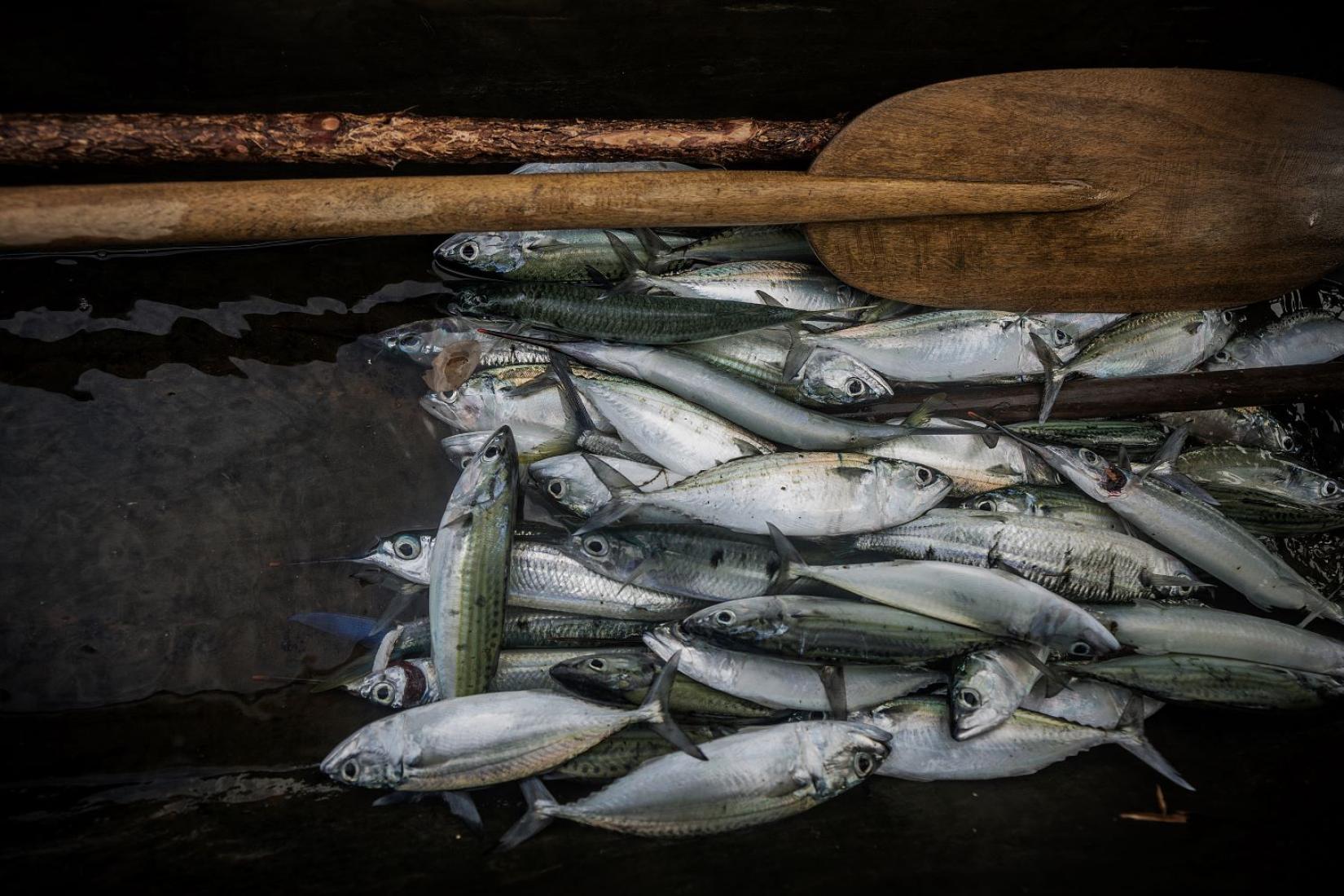
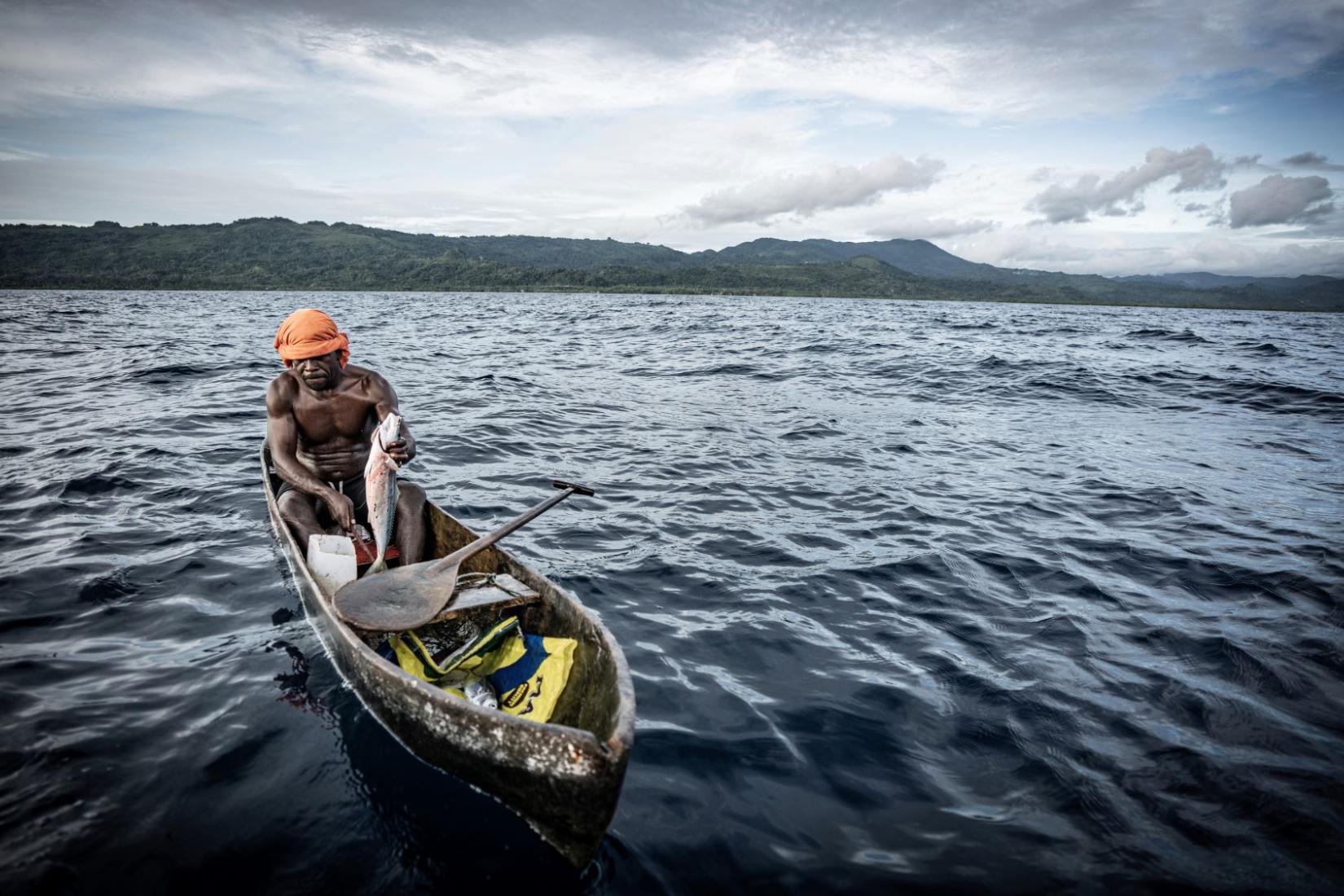
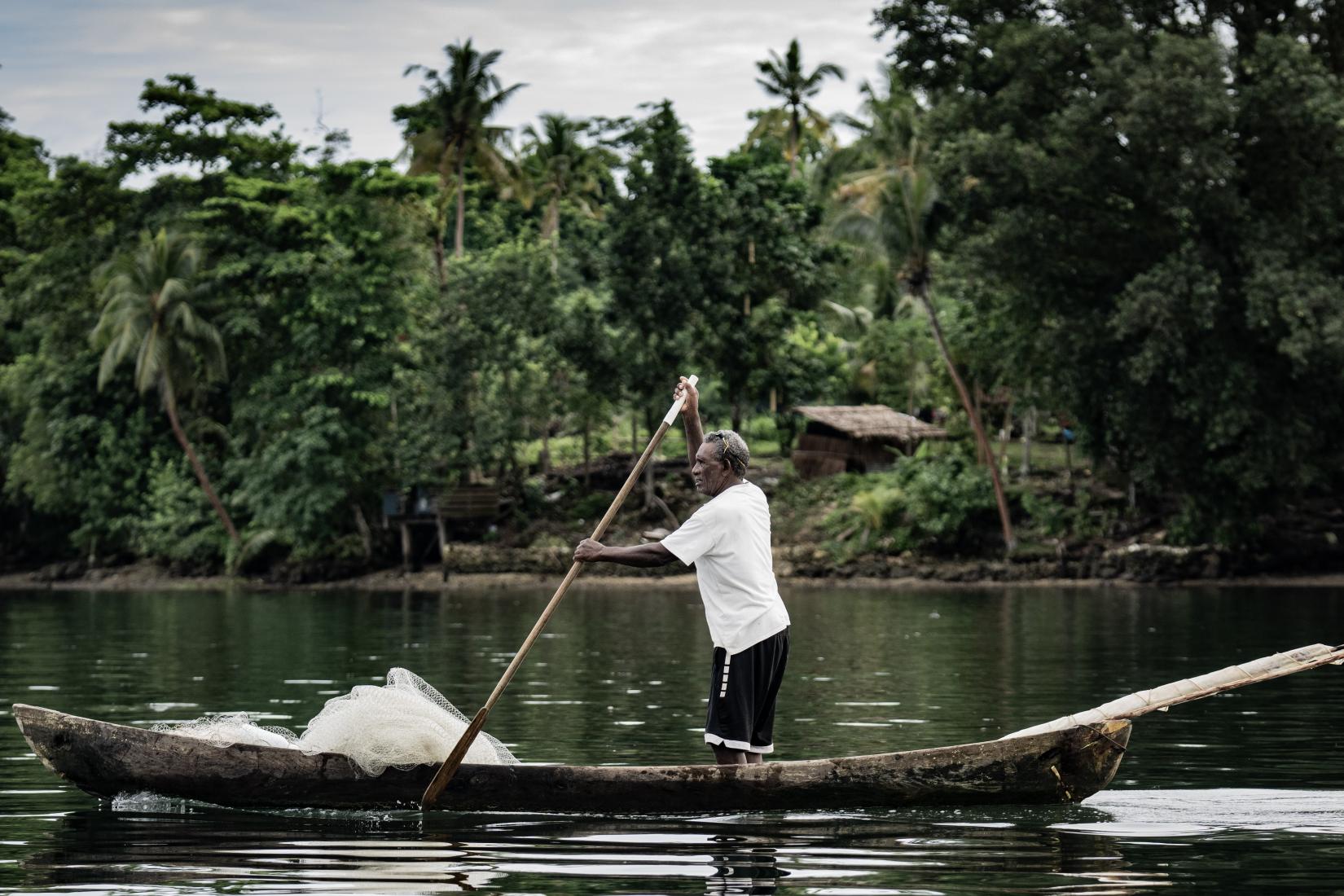
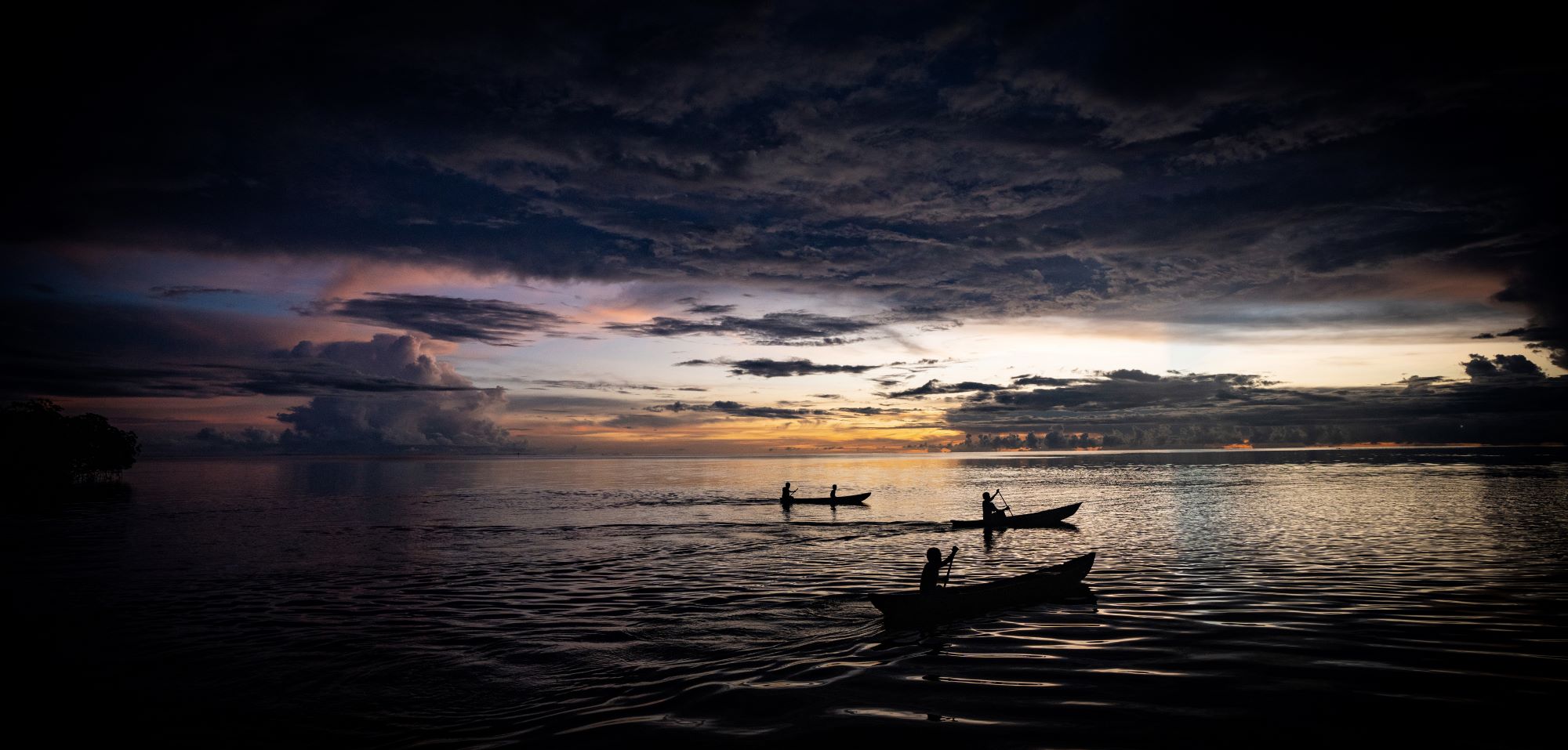
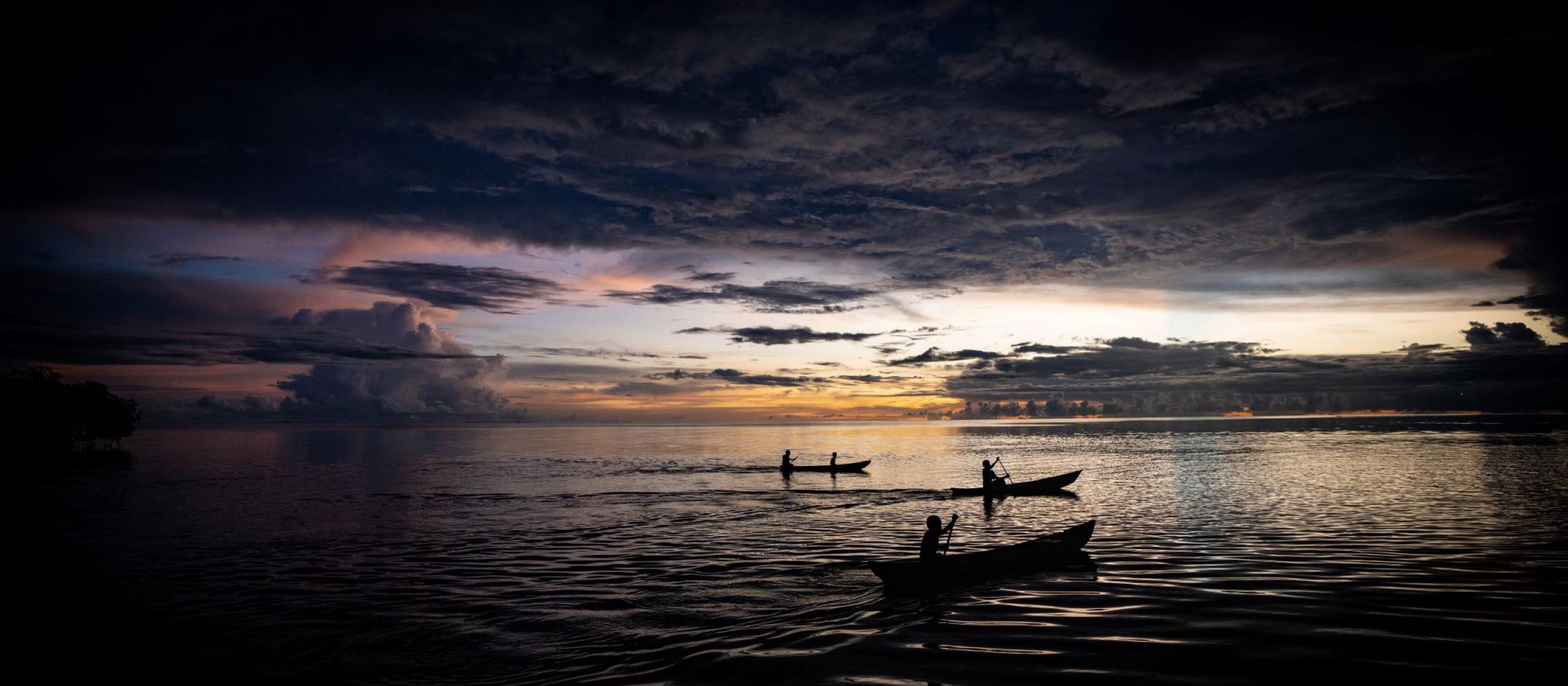
At 4:00 am, under a three-quarter moon in the small fishing village of Oibola, Joachim Wale’oi prepares his handmade dugout canoe. He loads it with a fishing hand reel, some leftover fish from the previous day and a container of water.
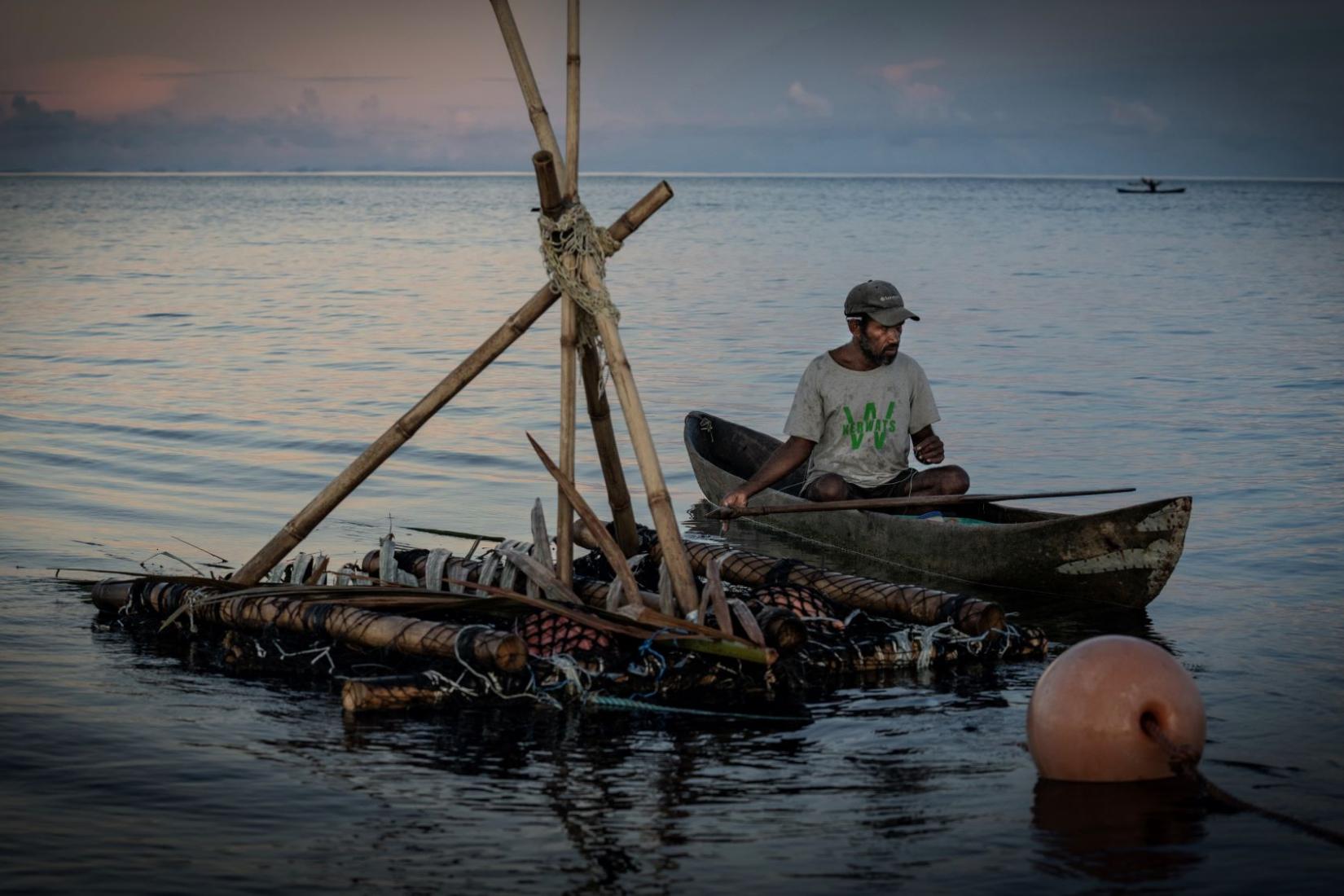
He slips his canoe into the dark waters of the Langalanga Lagoon and paddles out to sea, joining a fleet of other canoes. With no lights or navigation devices, the fishers navigate a one-kilometre journey, dodging exposed reefs and negotiating strong ocean currents. Their destination is a Fish Aggregating Device (FAD), a two-by-two-metre bamboo platform anchored offshore.
Image
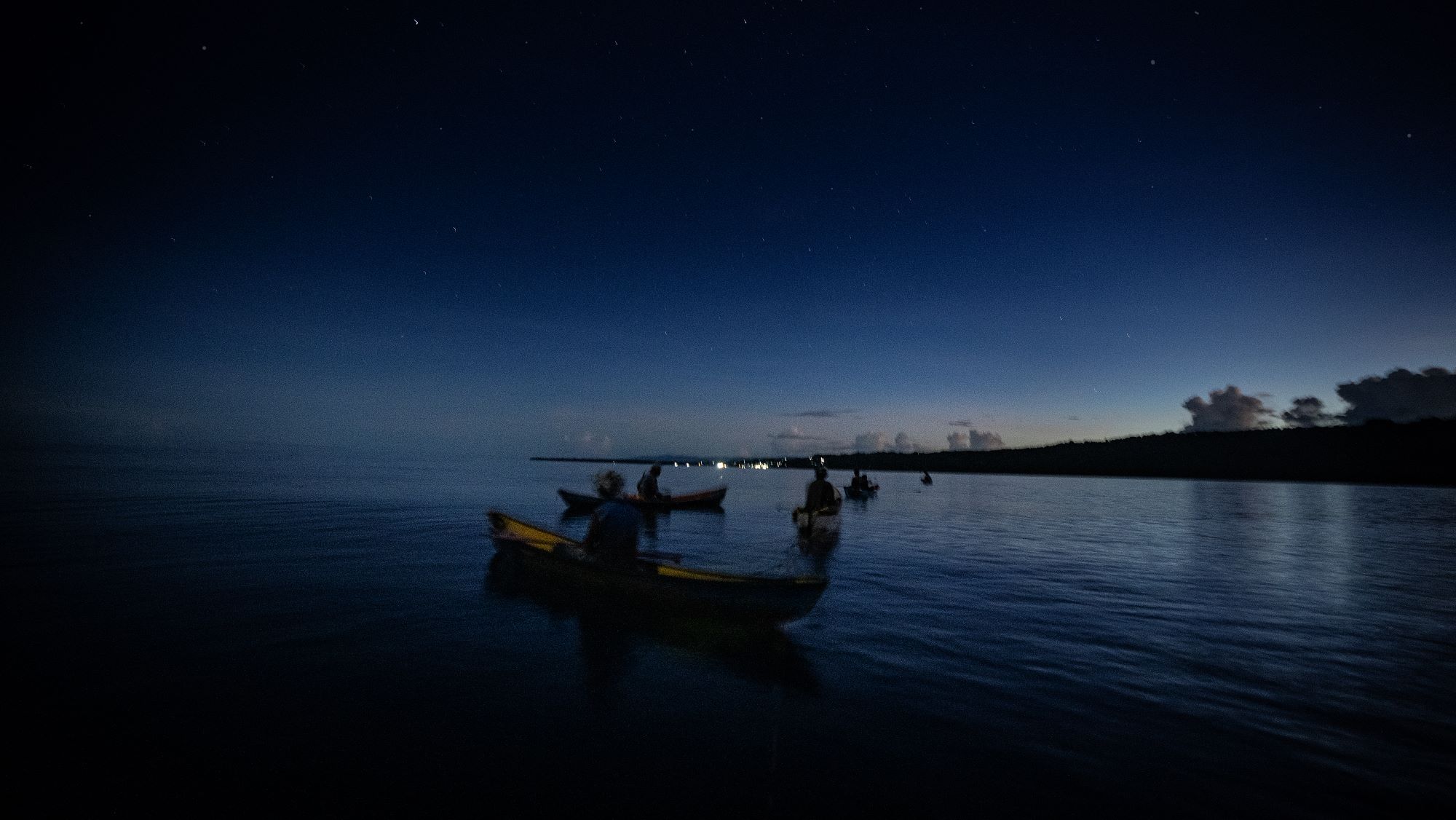
At the FAD, around 18 canoes gather as the fishers prepare their lines. Amid the darkness, the air is filled with the sounds of banter and laughter, just like any other workplace.
As the first light creeps behind Mount Alasa’a, Malaita’s highest peak, the fishers begin their day. Some stay close to the FAD, jigging their lines to attract fish. Others paddle out, trailing their lines in zigzag patterns, hoping to catch passing bonito or skipjack. As dawn breaks, the scene resembles a chaotic Ironman race more than a fishing expedition.
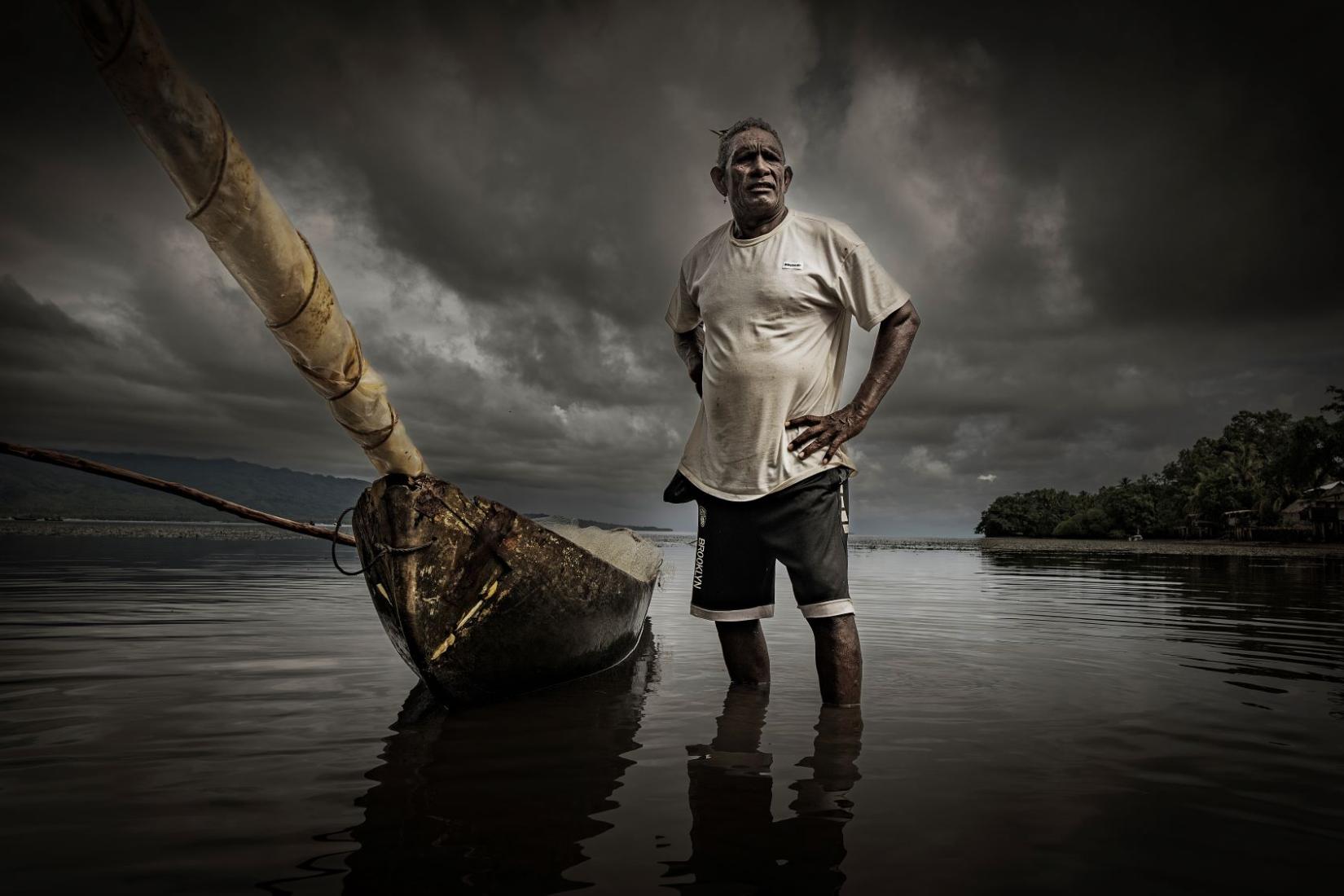
For Joachim Wale’oi – a fisher, canoe builder, artist and self-described jack-of-all-trades – it’s just another day. ‘We have no other choice. This is what we must do. My family relies on me to bring home fish for food. What fish is left, my wife sells to other villagers.’
Image
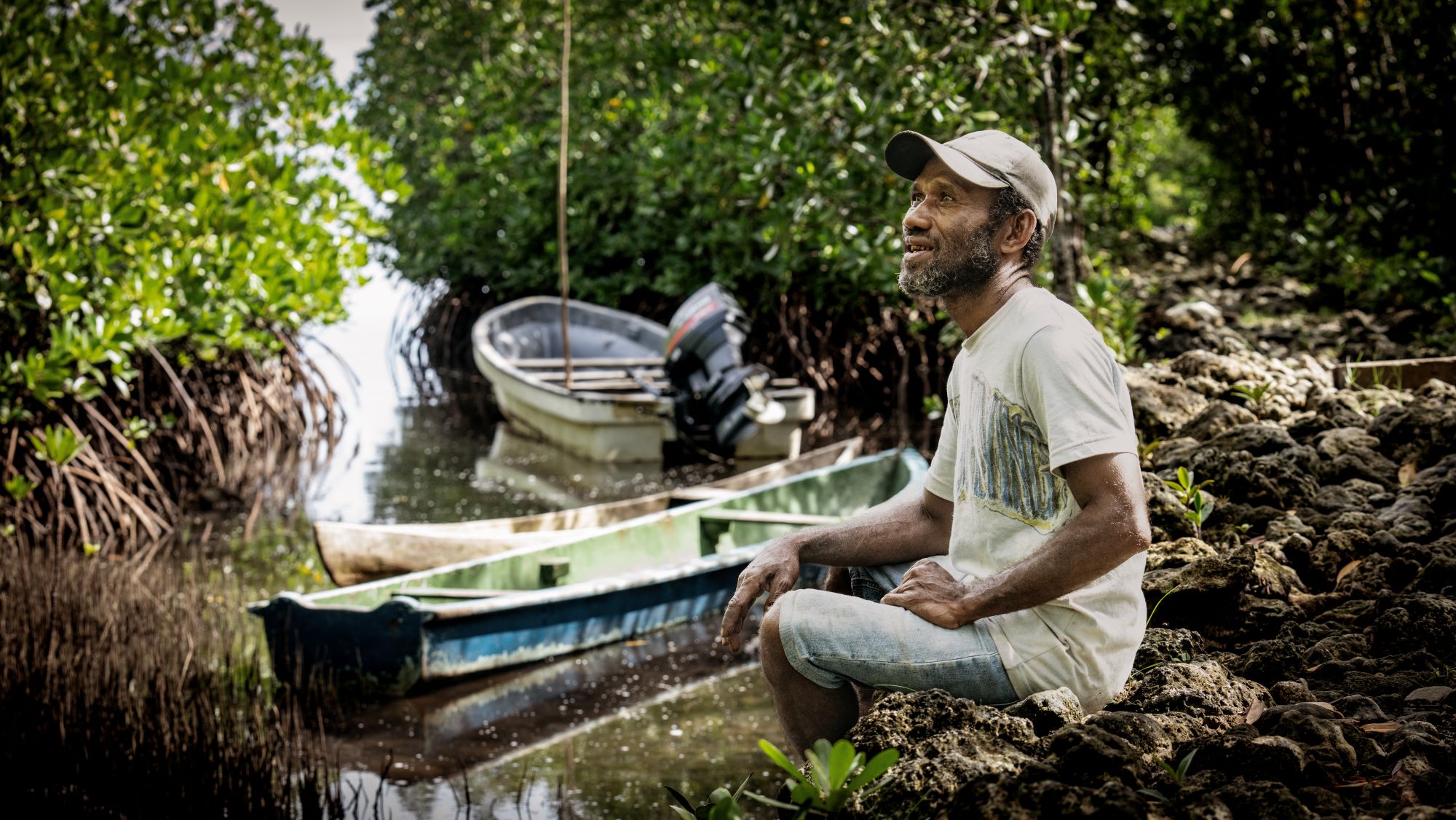
Fishing is a cornerstone of life in coastal communities of the Solomon Islands, essential to both livelihood and food security. But overfishing, climate change, and increasing population pressures have begun to threaten this way of life. Many villages, including those in Malaita, are seeing troubling declines in fish numbers.
According to Mr Meshach Sukulu, lead researcher at not-for-profit organisation WorldFish’s office in Auki, the Langalanga Lagoon and other areas of Malaita are no longer as abundant in fish as they once were.
‘Fast-growing populations, overfishing and destructive practices like dynamiting have severely damaged Malaita’s reefs,’ said Mr Sukulu. ‘Combined with rising sea temperatures, sea level rise, and unpredictable weather, fishing has become much harder than it was even a year ago.’