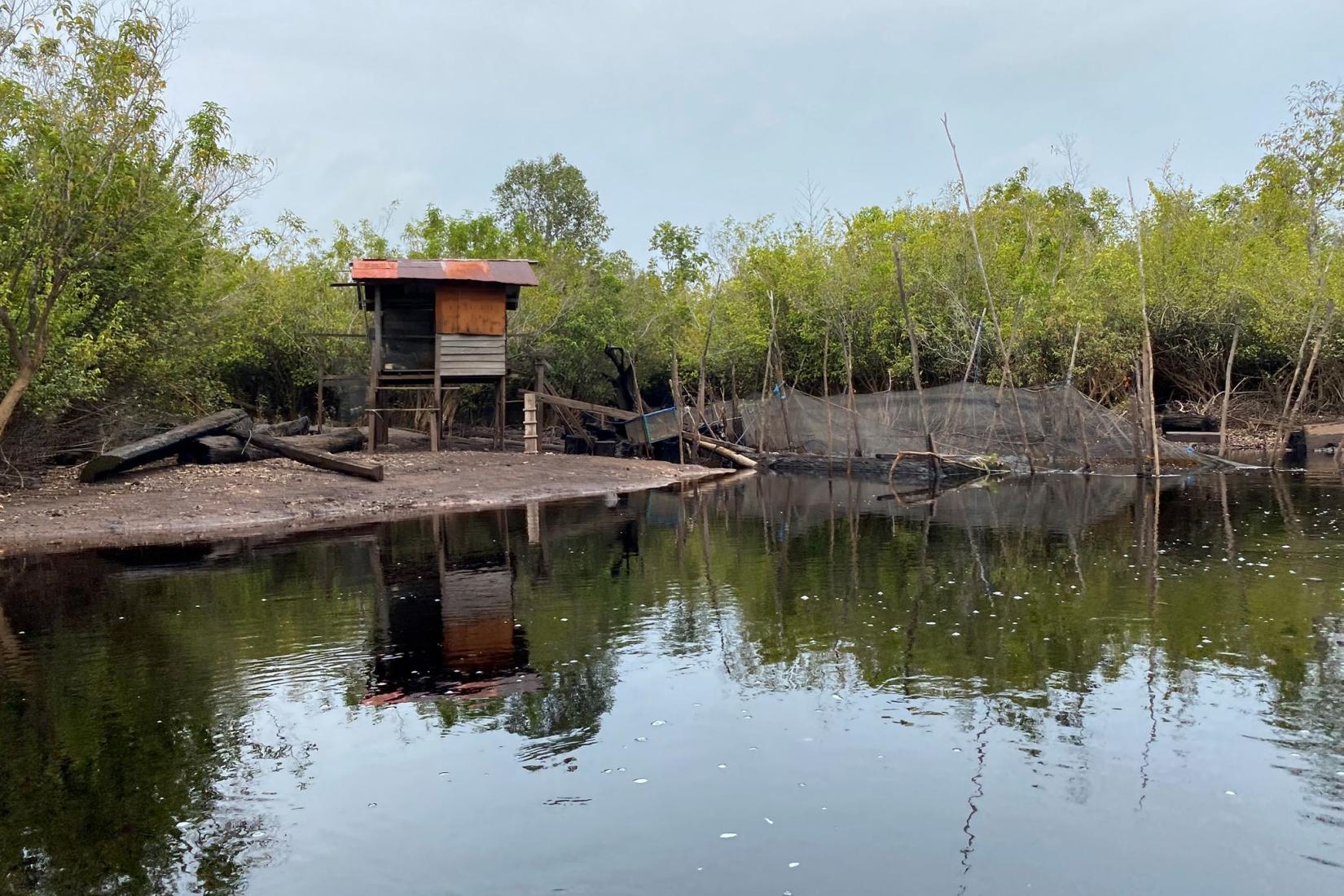


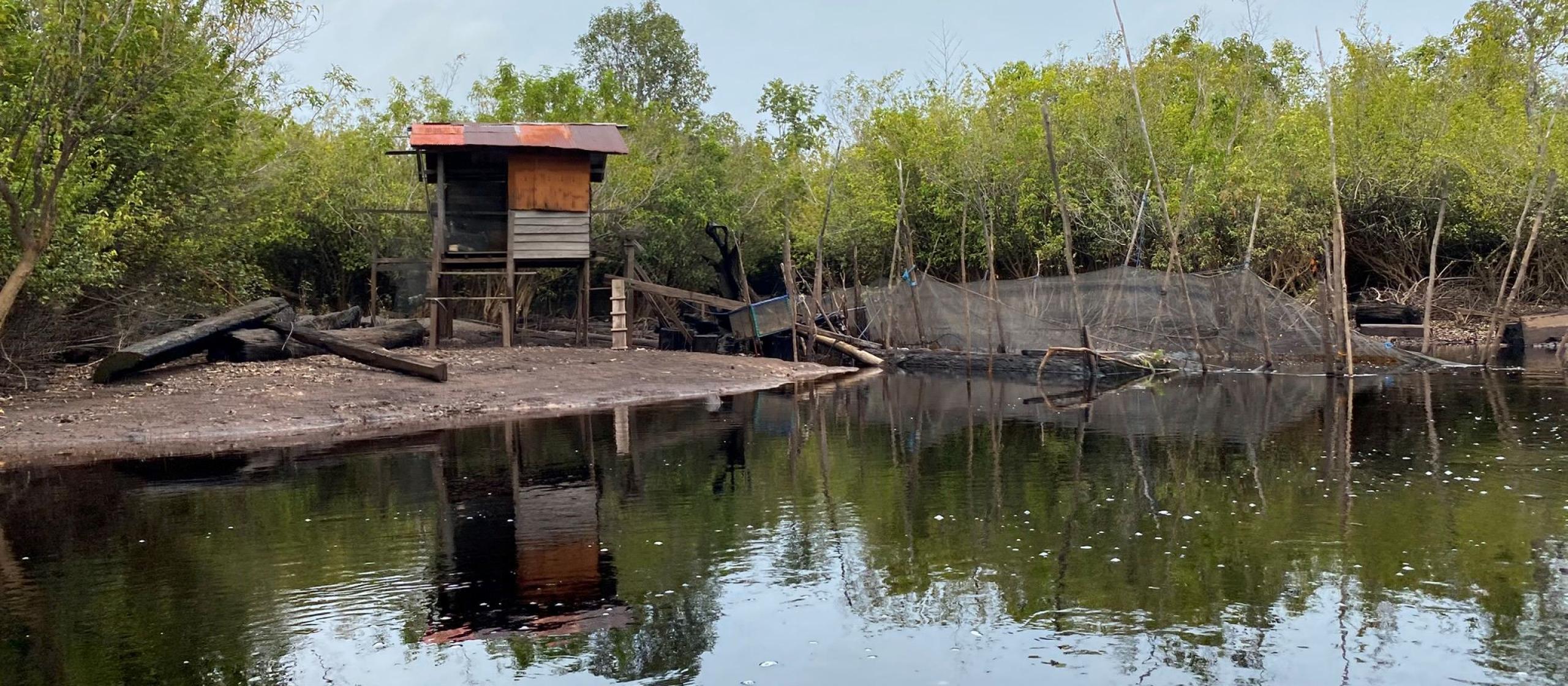


Indonesia is home to 30% of the world’s tropical peatlands, a third of which are in the Kalimantan region in Borneo, Indonesia. The different types of peatland include coastal, inland swamp forests and large, deep peat domes.
Agriculture is encroaching on many of these peatlands. Some have been extensively altered for agricultural use as palm oil and acacia plantations expand. Indonesia’s Mega Rice Project also cleared extensive areas for rice paddies.
This puts peatland ecosystems under increasing pressure. Researchers estimate that up to 70% of the Kalimantan peatlands are degraded, resulting in many ecosystem impacts. However, the impact of degraded peatlands on native fish populations and connected waterways remains uncertain.
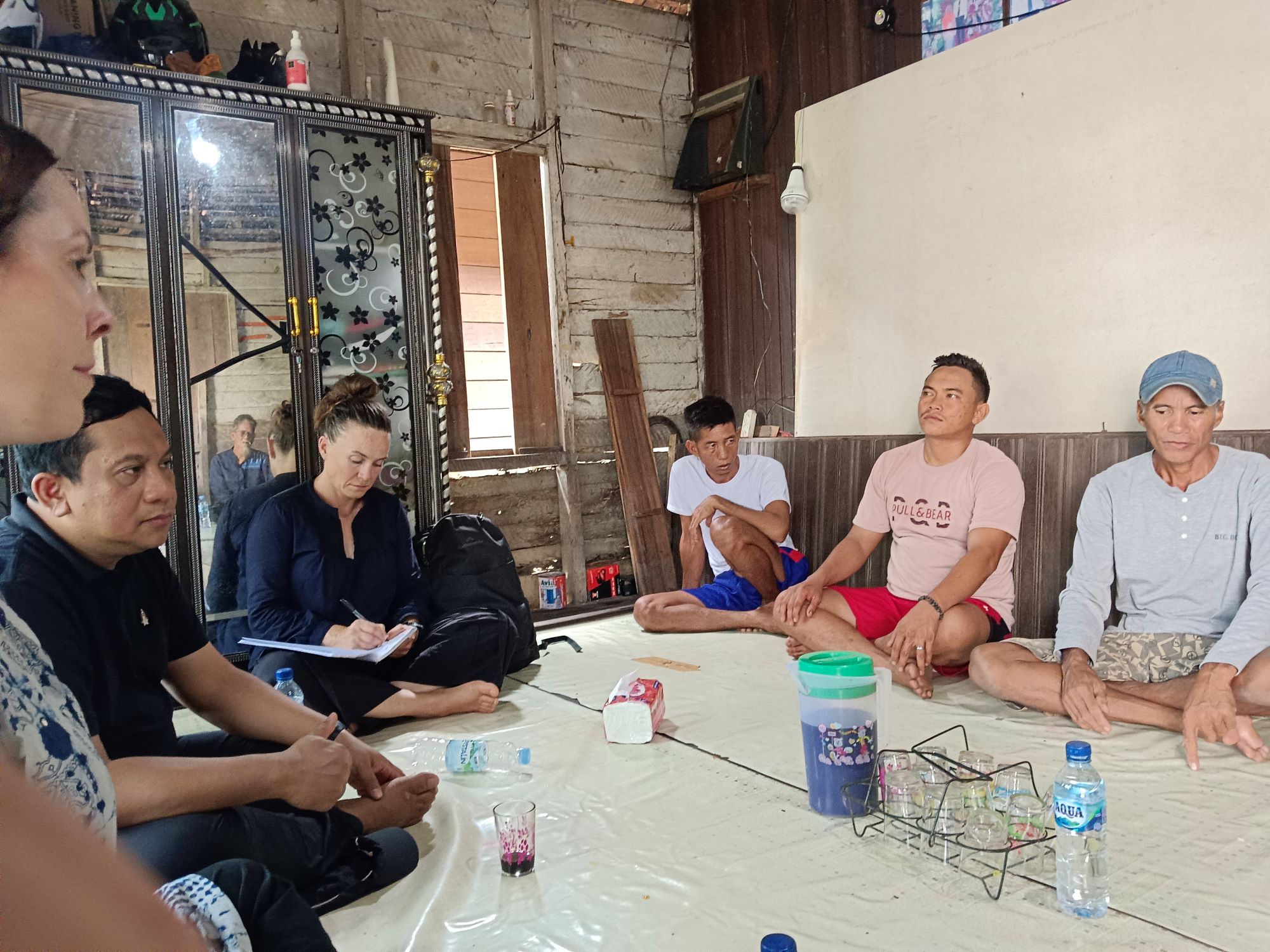
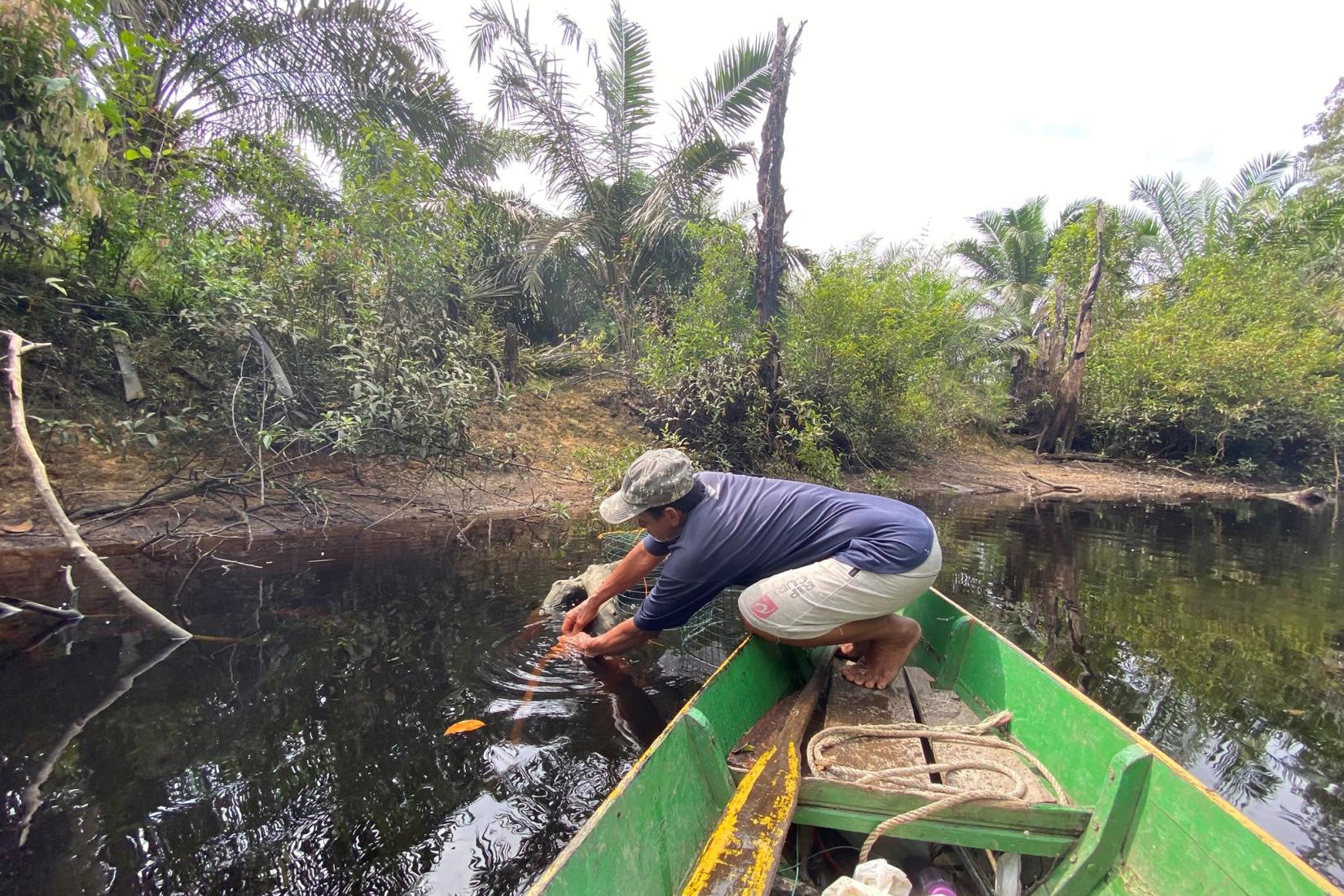
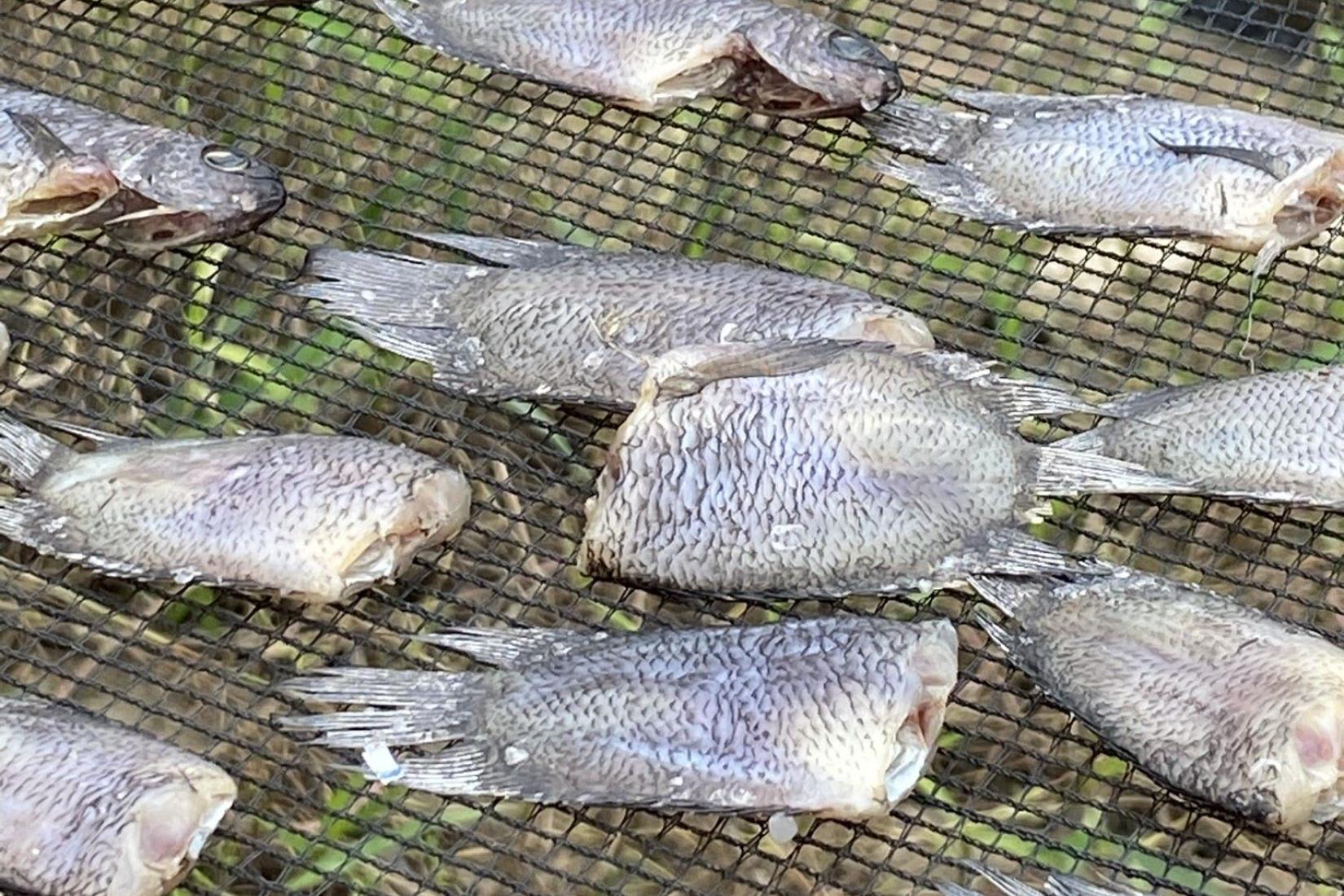
To more clearly understand the extent of fishery populations in peatlands and how important they are to local communities, ACIAR recently supported an initial assessment of the current state of knowledge for freshwater fish populations in the Kalimantan region. Australian fisheries consultant Dr Kirsty Nash collaborated with Dr Arif Wibowo and Dr Dwi Atminarso from the Indonesian National Research and Innovation Agency (BRIN) on this work.
Image