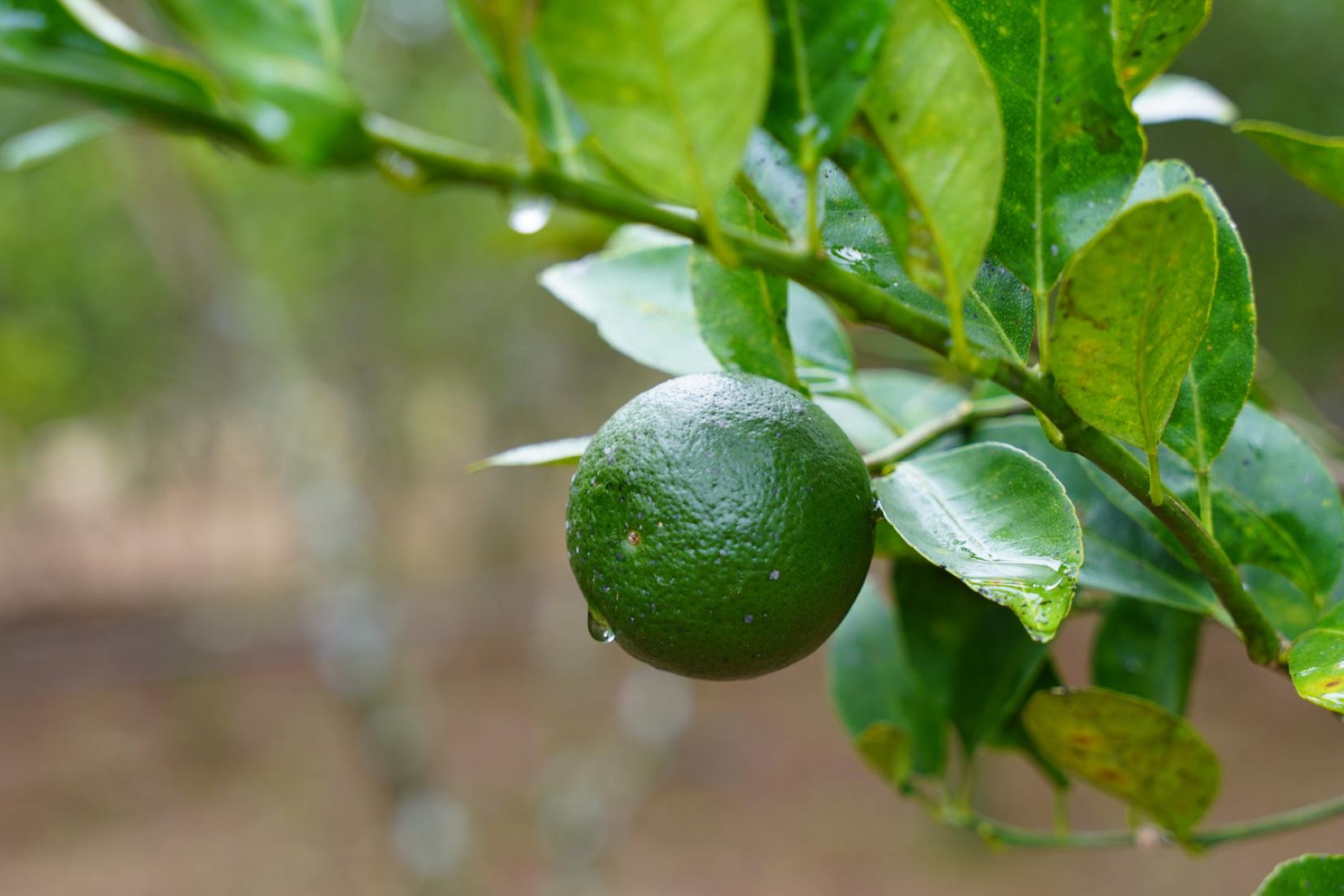




A favourite in many households and a vital source of income for farmers, citrus plays an important role in Indonesia’s agricultural economy.
As the country’s fourth-largest fruit crop by production, citrus can contribute up to 80% of household income. Production reached A$4.45 billion in 2023, with A$2.41 billion flowing directly to farmers.
Yet a silent threat looms: huanglongbing (HLB).
HLB is one of the most devastating diseases affecting citrus worldwide. It is caused by a bacterium that stops citrus trees from behaving normally.
Infected trees produce smaller, bitter and acidic fruit, experience stunted growth and eventually die. Symptoms are not always obvious, and when they do appear, it is often already too late. There is no cure.
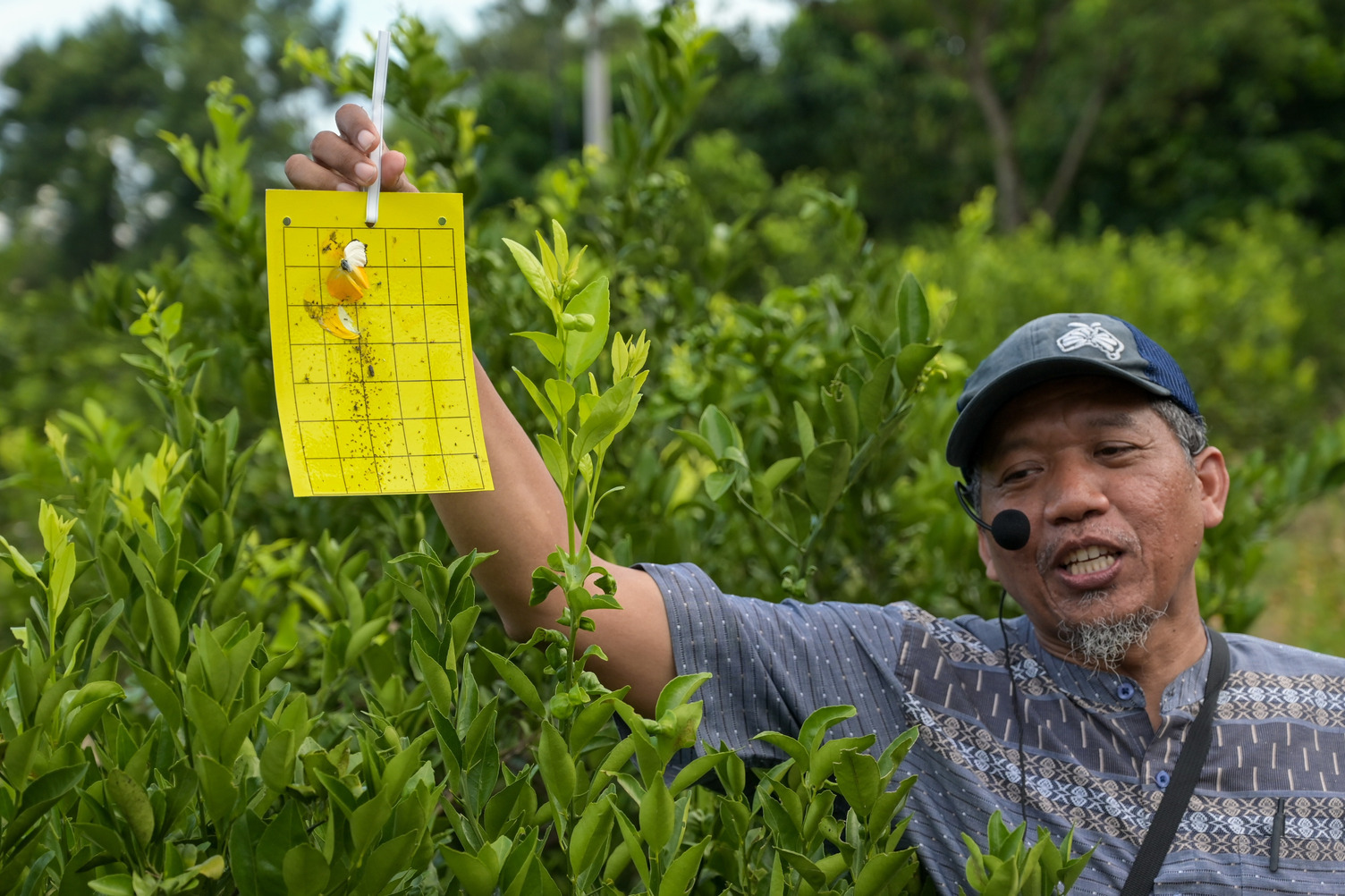
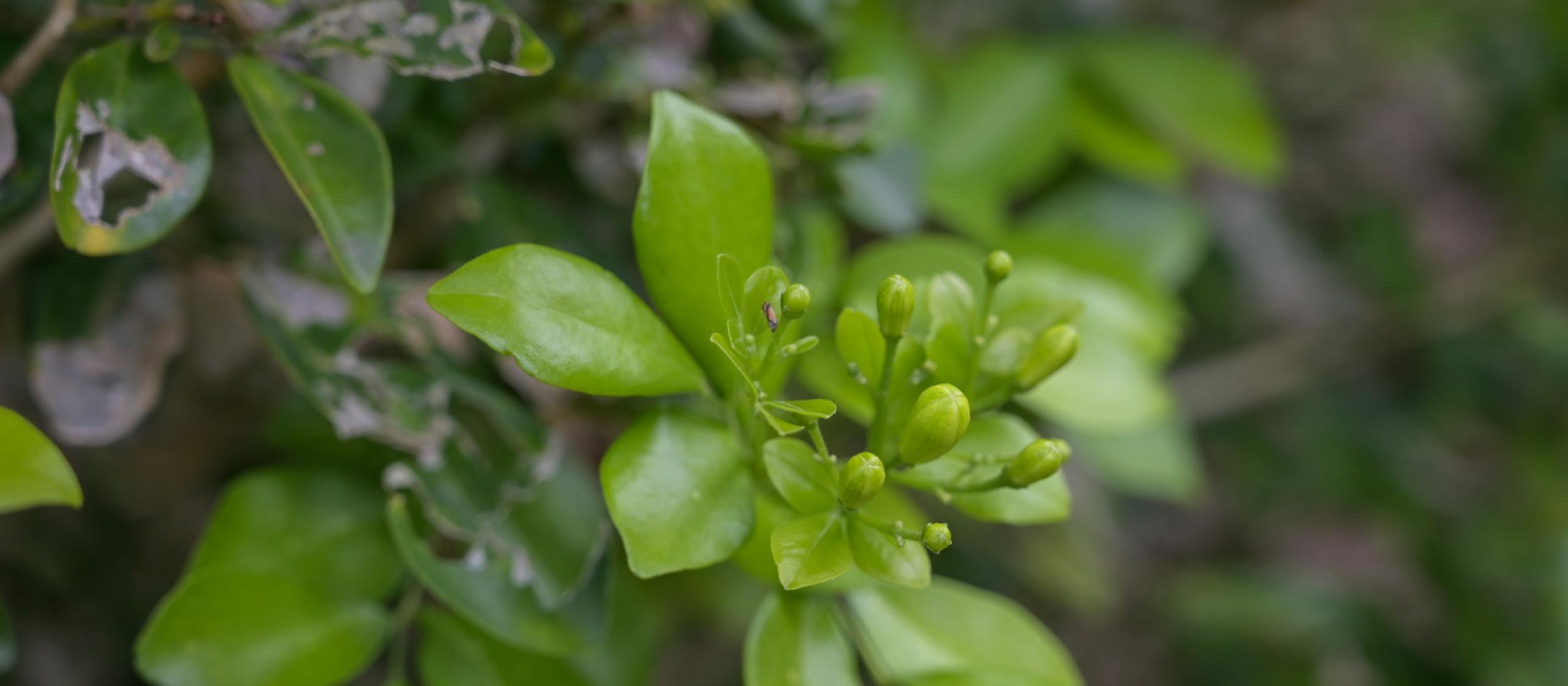
While the disease can spread through human-assisted movement of infected planting material, it is most commonly transmitted by the Asiatic citrus psyllid (ACP). Measuring just 3–4 mm in length, this tiny insect is difficult to detect, particularly at low population densities, allowing the disease to spread largely unnoticed.
A collaborative response rooted in science
For Indonesia’s smallholder citrus farmers, most of whom cultivate less than one hectare, this poses a serious risk. HLB infection can reduce farm earnings by as much as 60%.
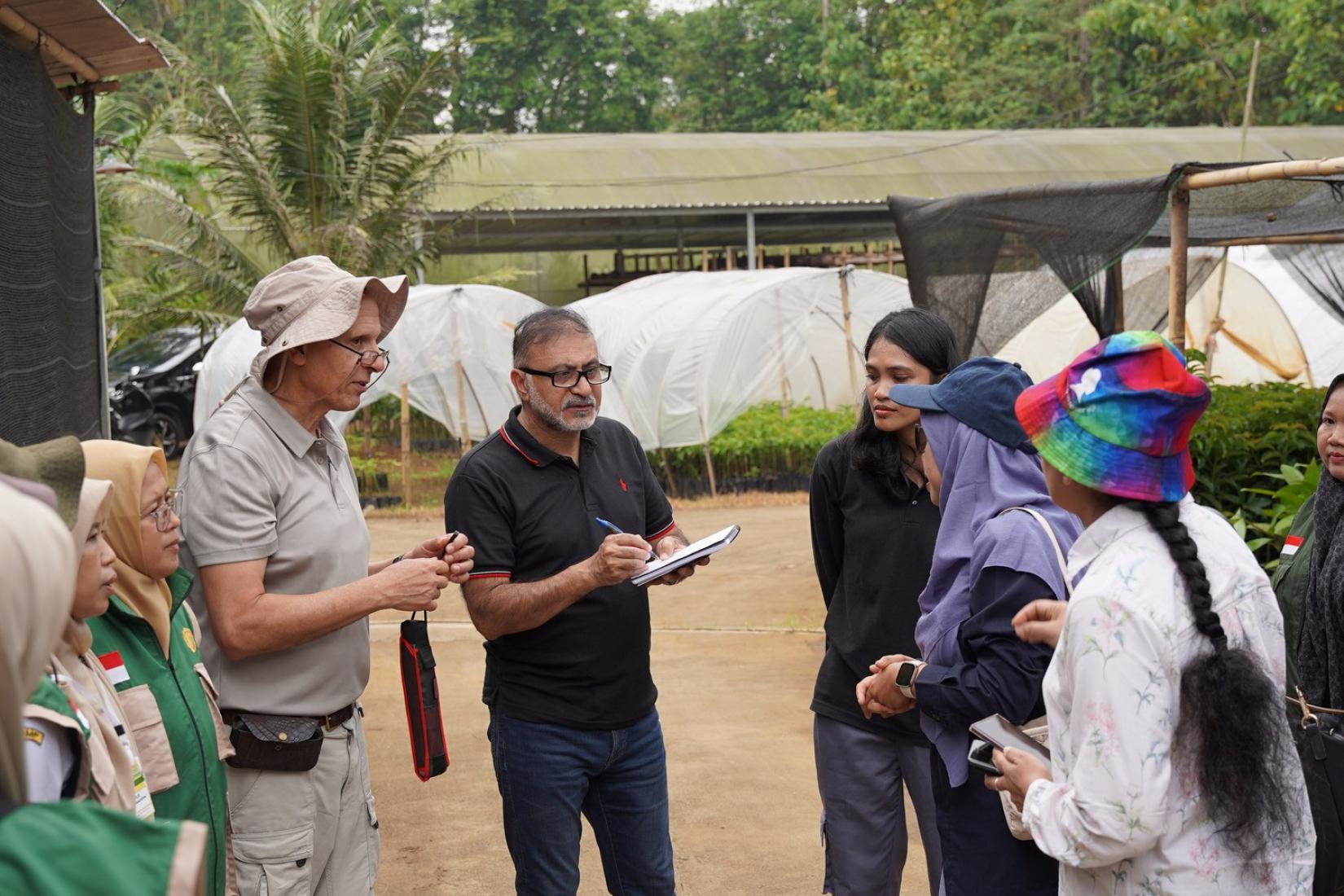
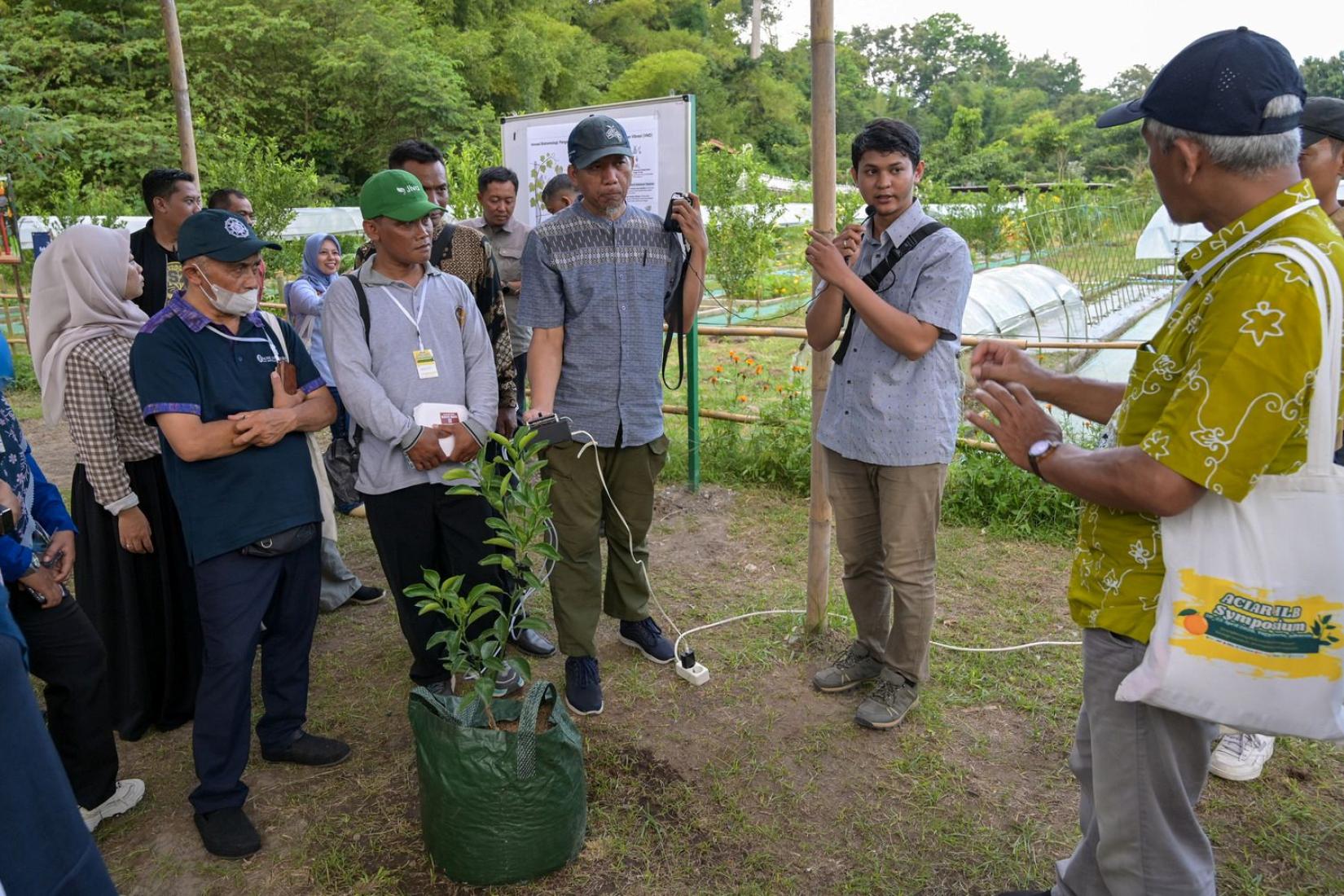
In response, a A$1.78 million ACIAR-supported research project brought together expertise from the New South Wales Department of Primary Industries and Regional Development (NSW DPIRD), the Australian citrus industry, and researchers in Indonesia and China to better understand HLB and its insect vector ACP.
The collaboration focuses on strengthening early detection, improving preparedness and developing practical, sustainable management strategies suited to smallholder farming systems.
Beyond research, the project is designed to ensure that knowledge translates into action, supporting farmers to respond earlier and limit the spread of disease.