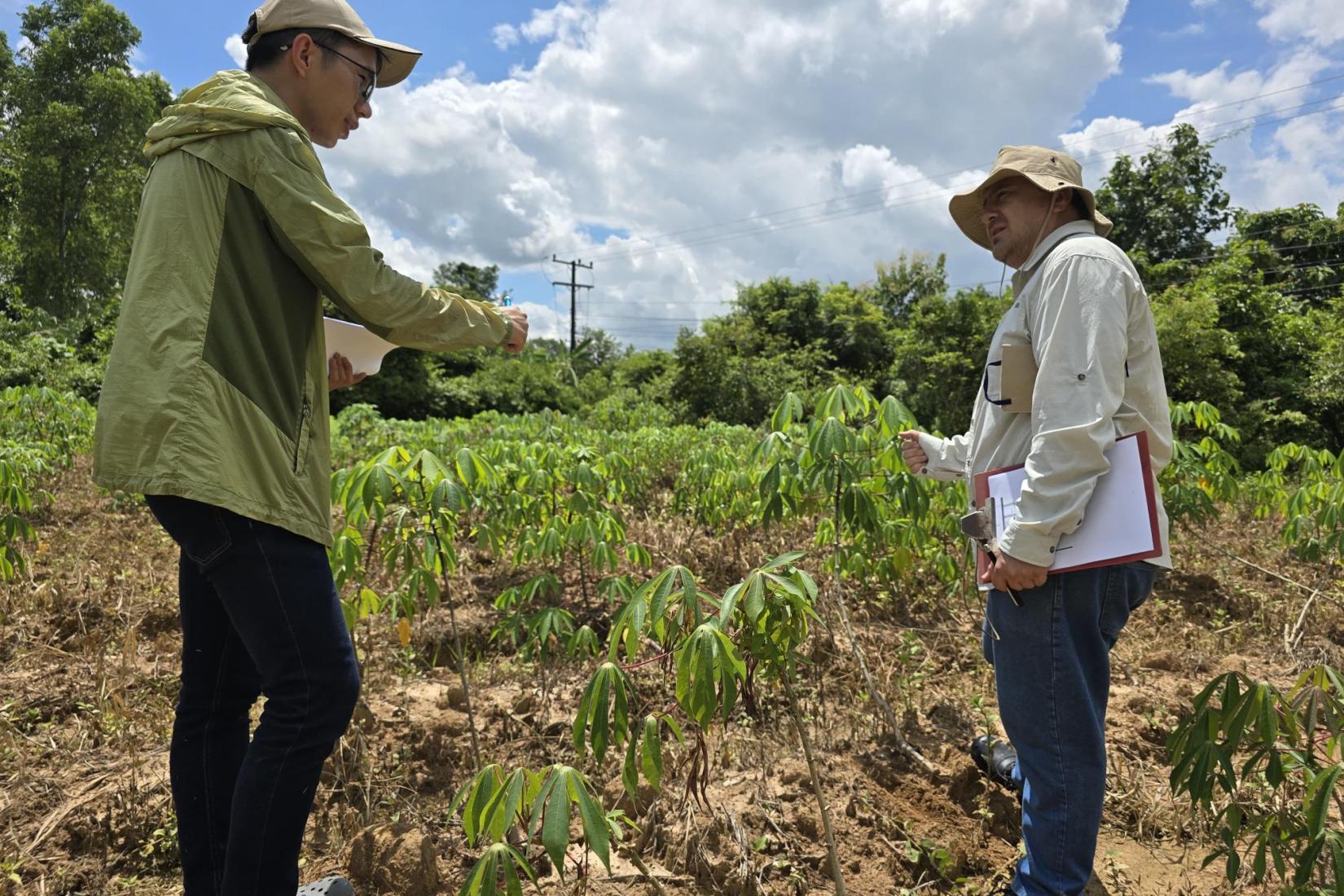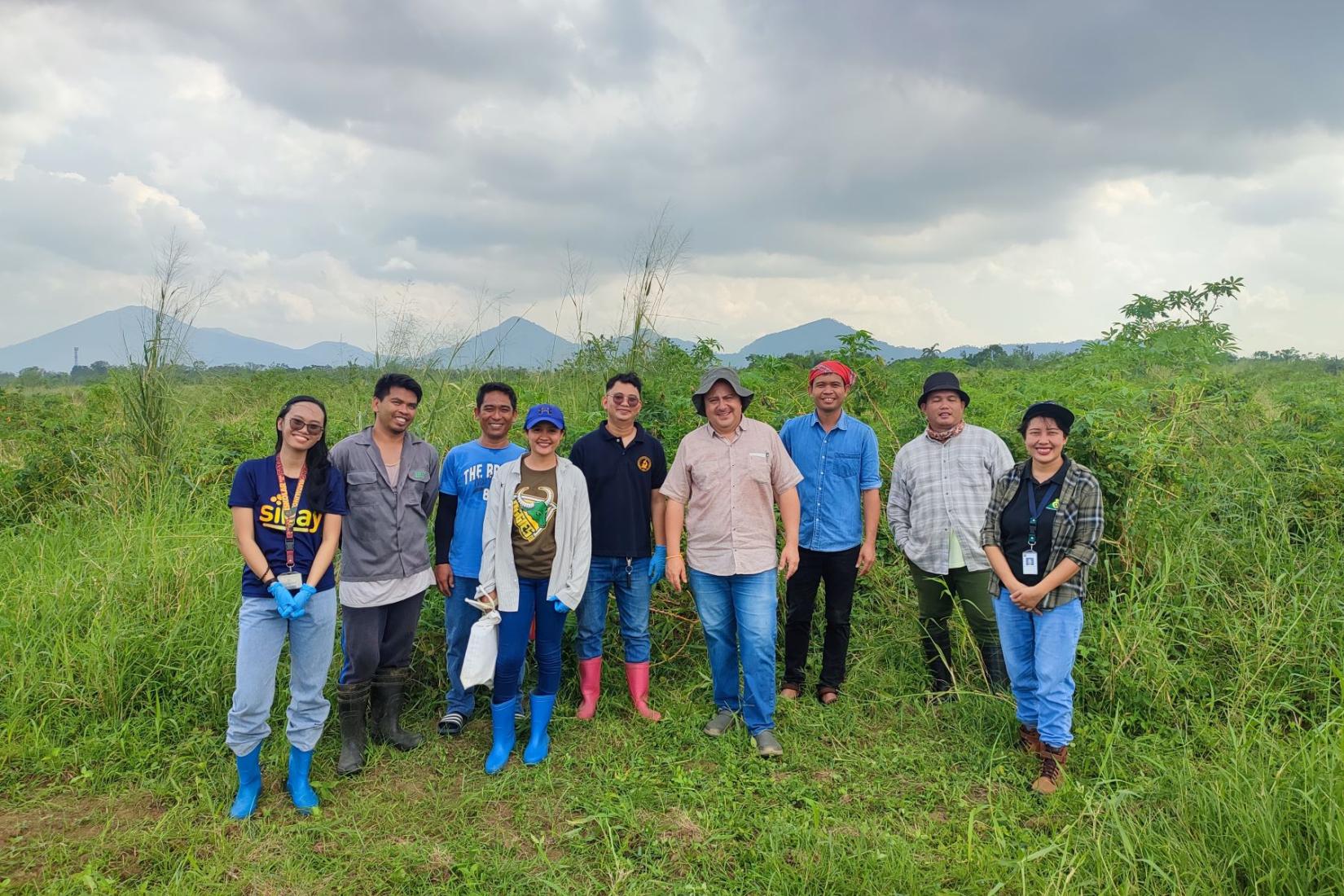


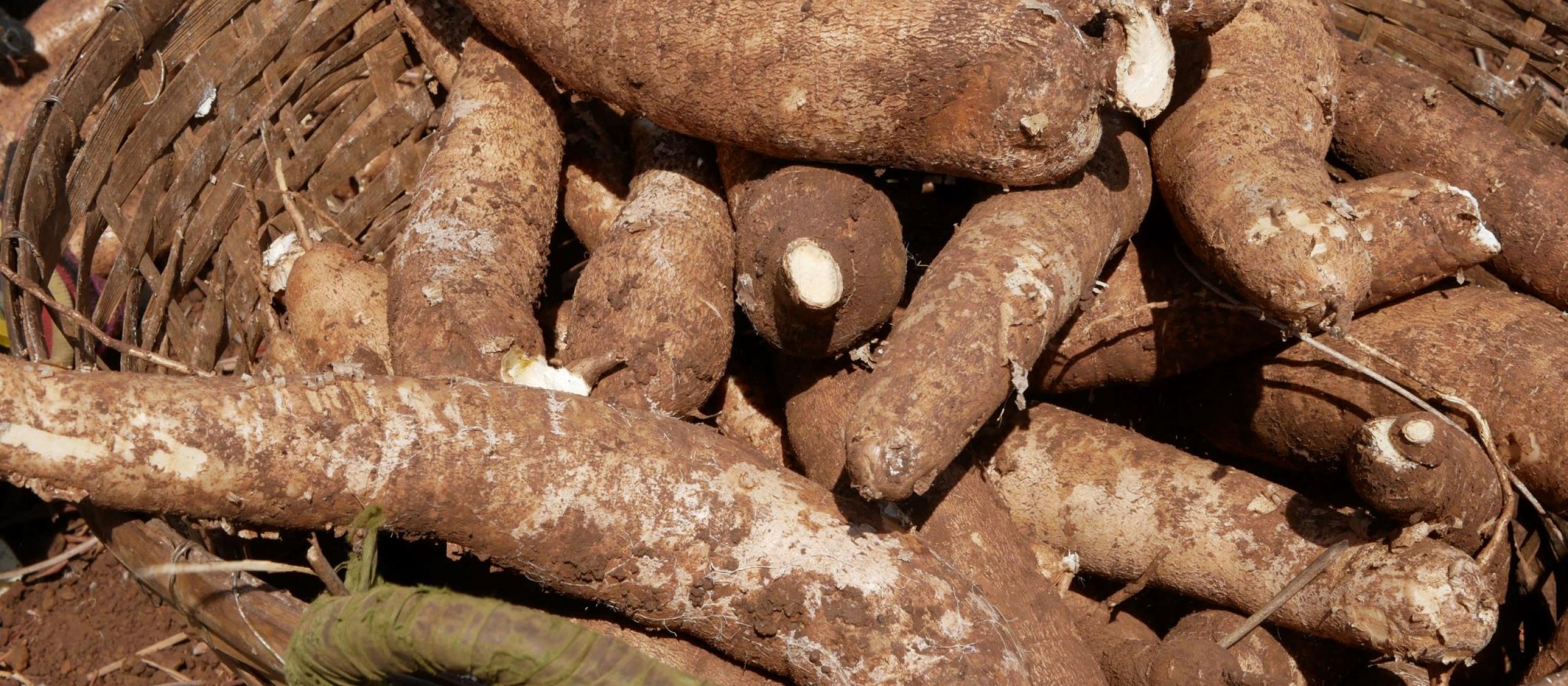


The starchy root vegetable, cassava, is extremely important to more than a billion people worldwide, mainly across the tropics. When a new plant pathogen emerged in Southeast Asia (an area that includes Laos, Cambodia, Vietnam, Thailand and the Philippines), the disease threatened the food security of some of the planet’s most vulnerable people.
Had the epidemic spread, the consequences would have required a large, sustained increase in food aid at a time when aid budgets are shrinking. Instead, scientists were able to alter the course of the disease by cracking the enigma of what causes it.
Alarm bells activated
Named cassava witches’ broom disease (CWBD) due to its ability to cause plant deformities, the disease turns a tall, leafy plant into something that resembles a broom – a cluster of poles that culminate in a burst of excessive and stunted branching.
Image
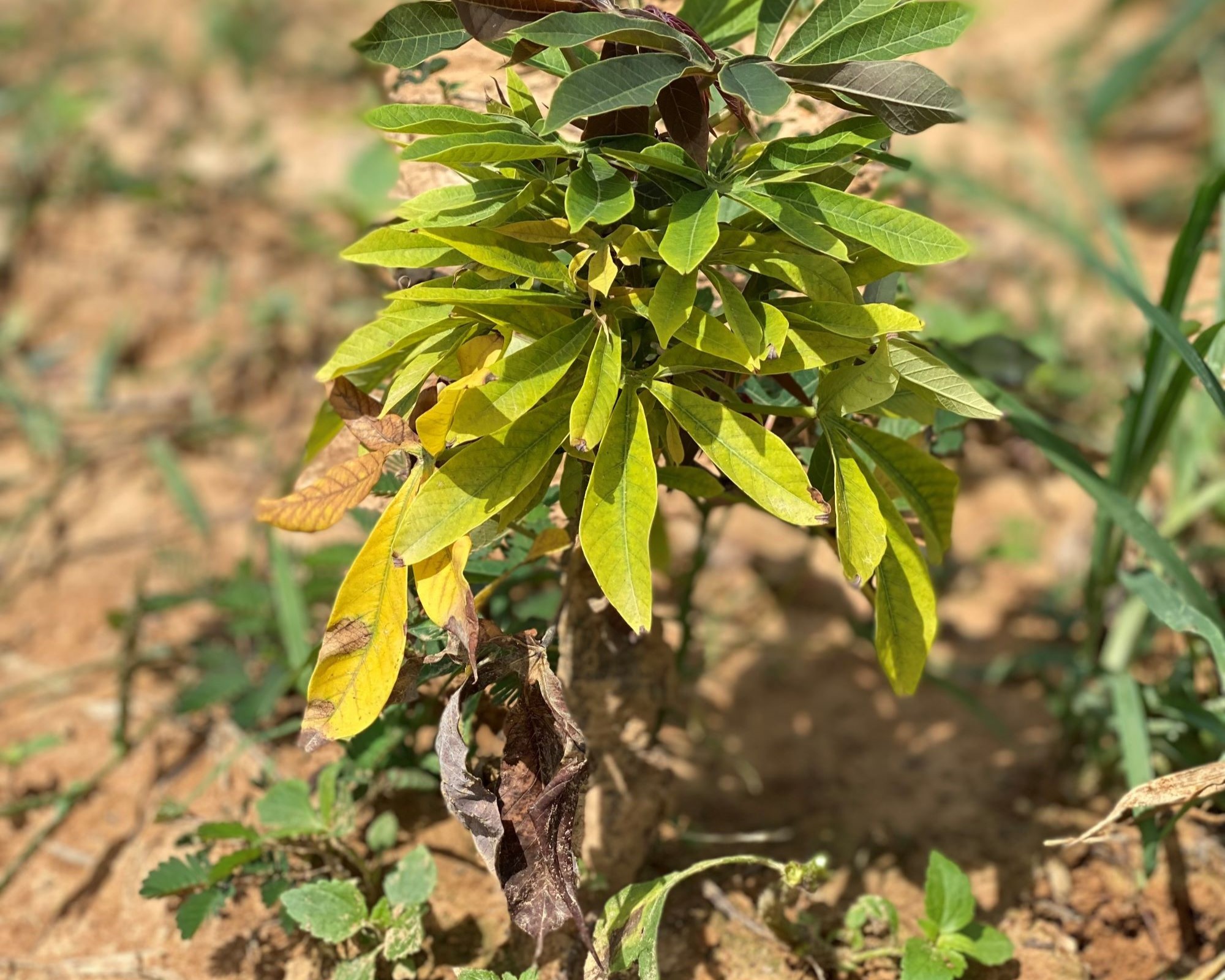
Despite symptoms first being reported in 2005, no one in the world knew anything about the cause of this new disease. Was it caused by a virus, bacterium, worm, fungus or an insect?
The disease seemed to disappear for a while. Then reappeared with a vengeance in the 2010s. As the rate of spread accelerated, alarm bells rang internationally. ACIAR stepped up and launched a research project under the leadership of Dr Jonathan Newby of the International Center for Tropical Agriculture (CIAT).
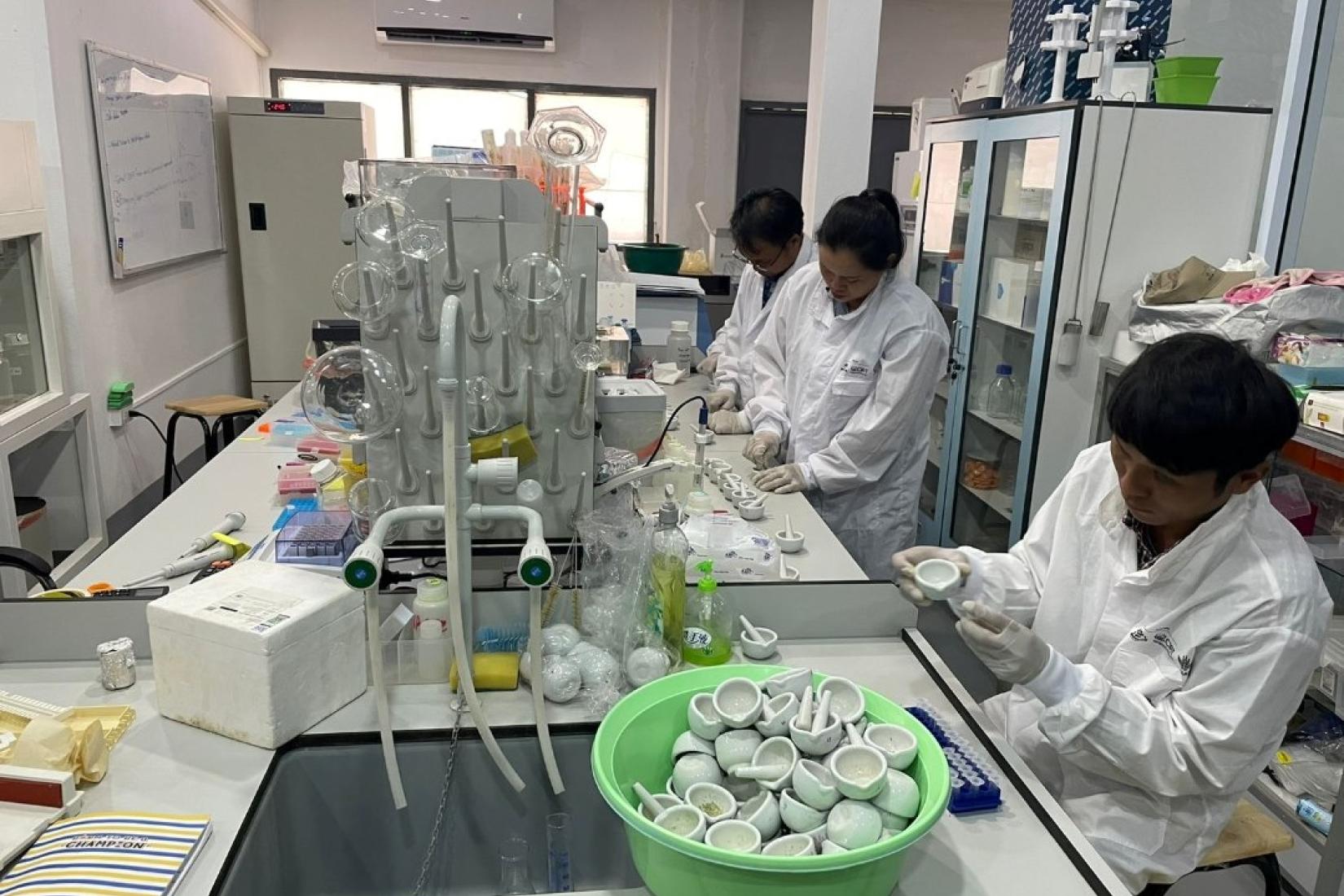
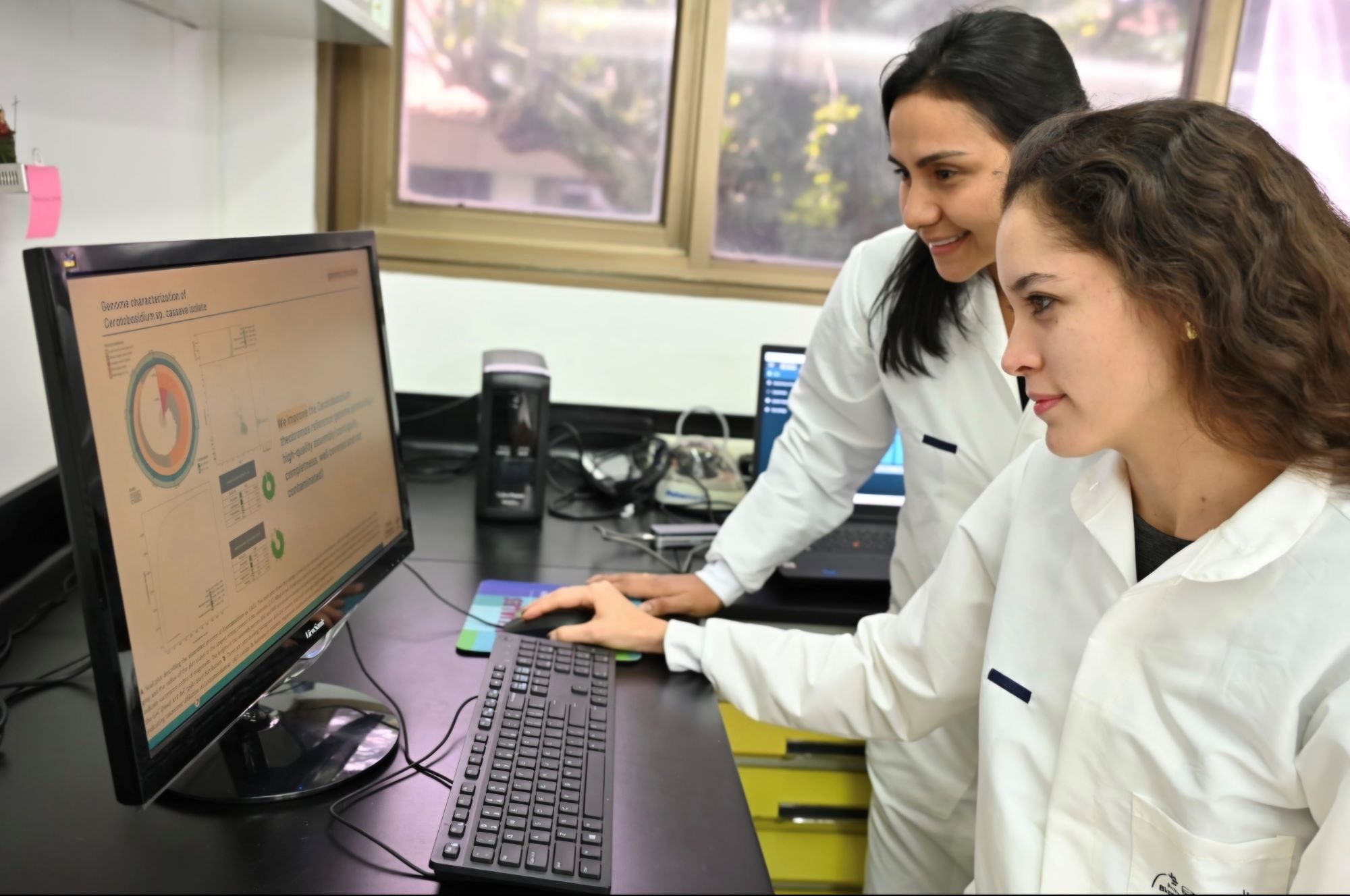
Within 18 months, CIAT identified the pathogen and achieved much more, including several surprise findings.