Research need
This project aims to scale up the adoption of improved pod borer resistant cowpea varieties by farmers, including women and youth.
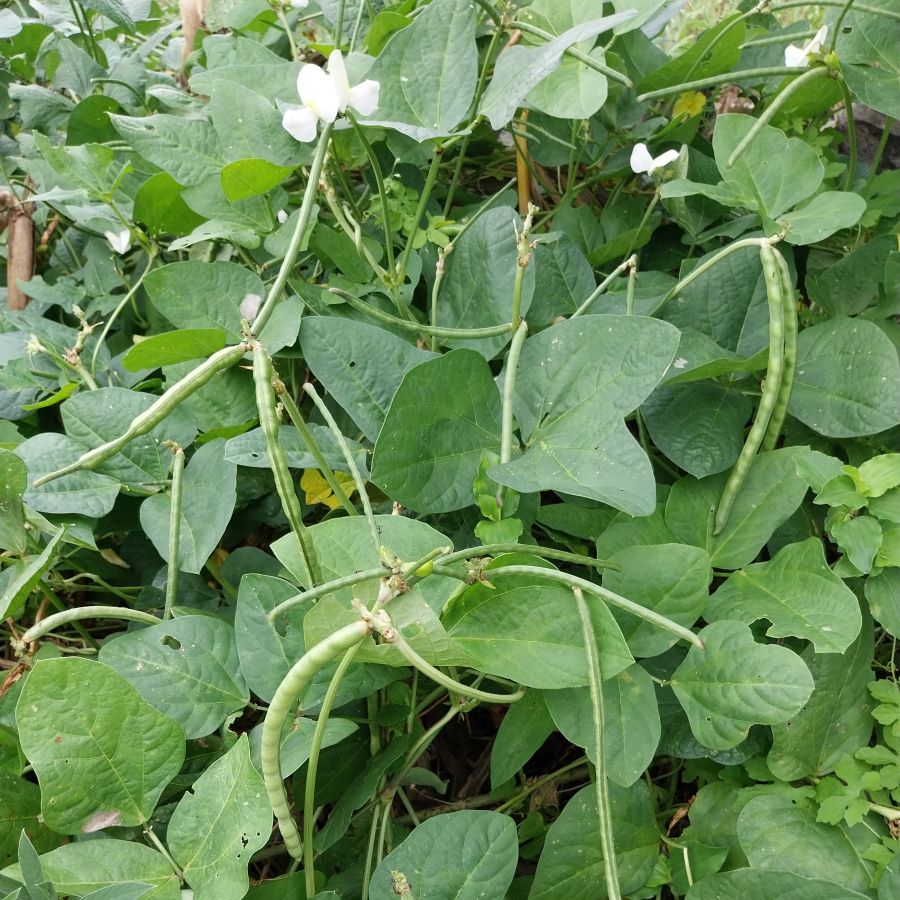
Cowpea is a vital food and income crop for more than 200 million people in Sub-Saharan Africa, but pod borer damage can cut yields by up to 80%. Pod-borer resistant cowpea varieties offer a major opportunity to improve food and nutrition security in Ghana and Nigeria by increasing yields, reducing pesticide use and costs and lowering farmer and environmental exposure to insecticides. Scaling the adoption of these climate-resilient varieties is important as farmers face higher temperatures, more erratic rainfall and growing pest pressure.
To date farmers have shown strong interest in pod-borer resistant cowpea, but they face the challenges of limited access to seed. The project will expand and promote best practice for seed production that reliably optimise the yield potential of new varieties. Better seed production will enable reliable seed supply and enhance adoption by smallholder farmers, and the project will also promote improved agronomic practices.