Research need
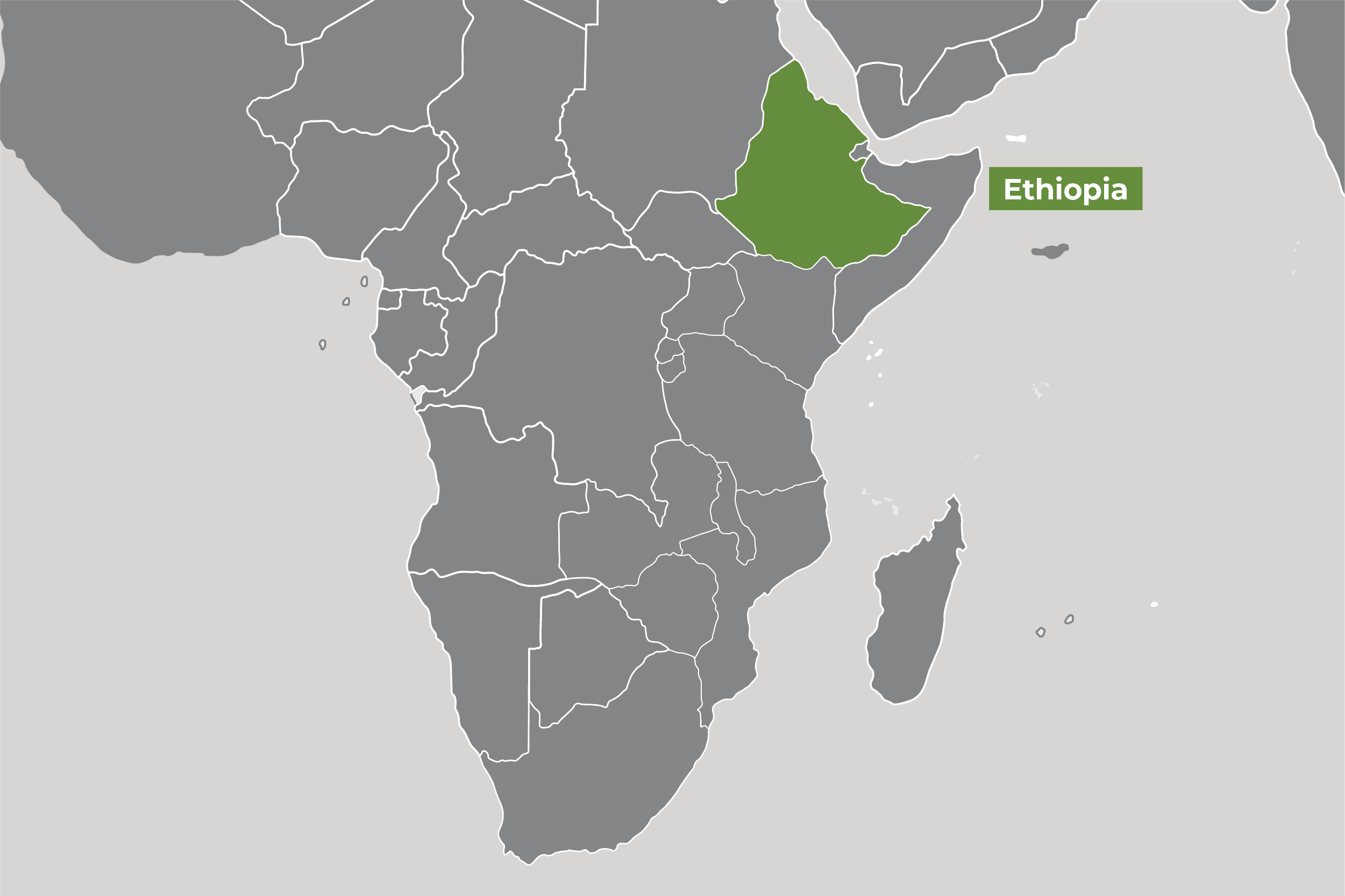
This small research activity will quantify root traits that enhance drought tolerance in sorghum in Ethiopia and Australia.
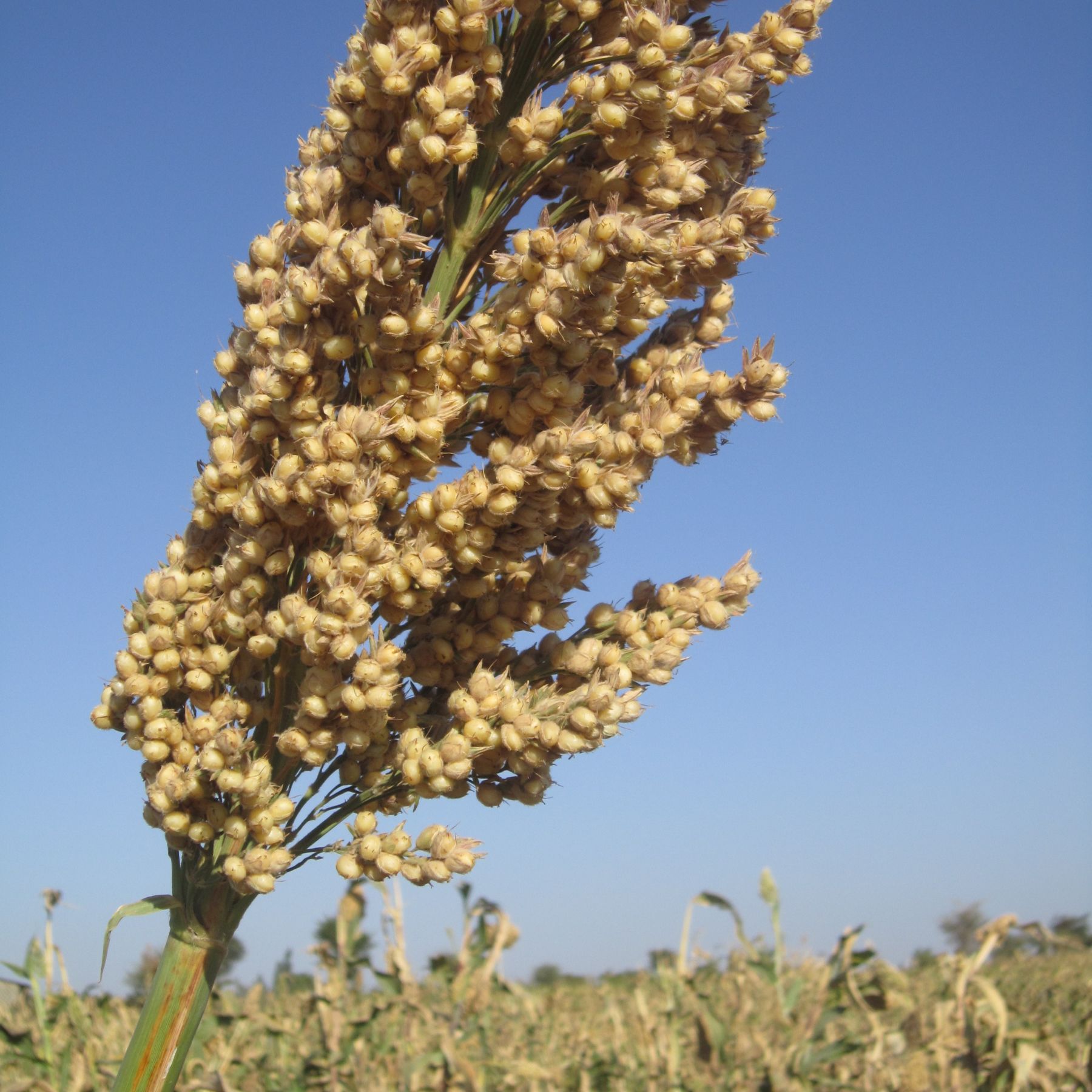
Sorghum is an intrinsically drought-tolerant cereal that serves multiple functions in smallholder and large-scale commercial agriculture. It is a staple crop, a cash crop, a feed crop and a high biomass crop that provides ground cover and soil health benefits. When intercropped with legumes, as is typical of smallholder farming systems, sorghum production can be expected to have a smaller dependence on the use of chemical fertilisers. However, there is limited information on how the sorghum root system is affected when grown intercropped with legumes, or on how to optimise root functioning in intercropped systems to support food production and mitigate the impacts of droughts.
This project will combine recent advances in high-throughput root function phenotyping in Australia and advances in the understanding of root-soil biology from Germany. This will quantify valuable root traits that enhance drought tolerance and provide new information and develop capacity of crop breeders and agronomists in Ethiopia.