Strengthening food security in Western Province, Papua New Guinea, through inclusive co-design

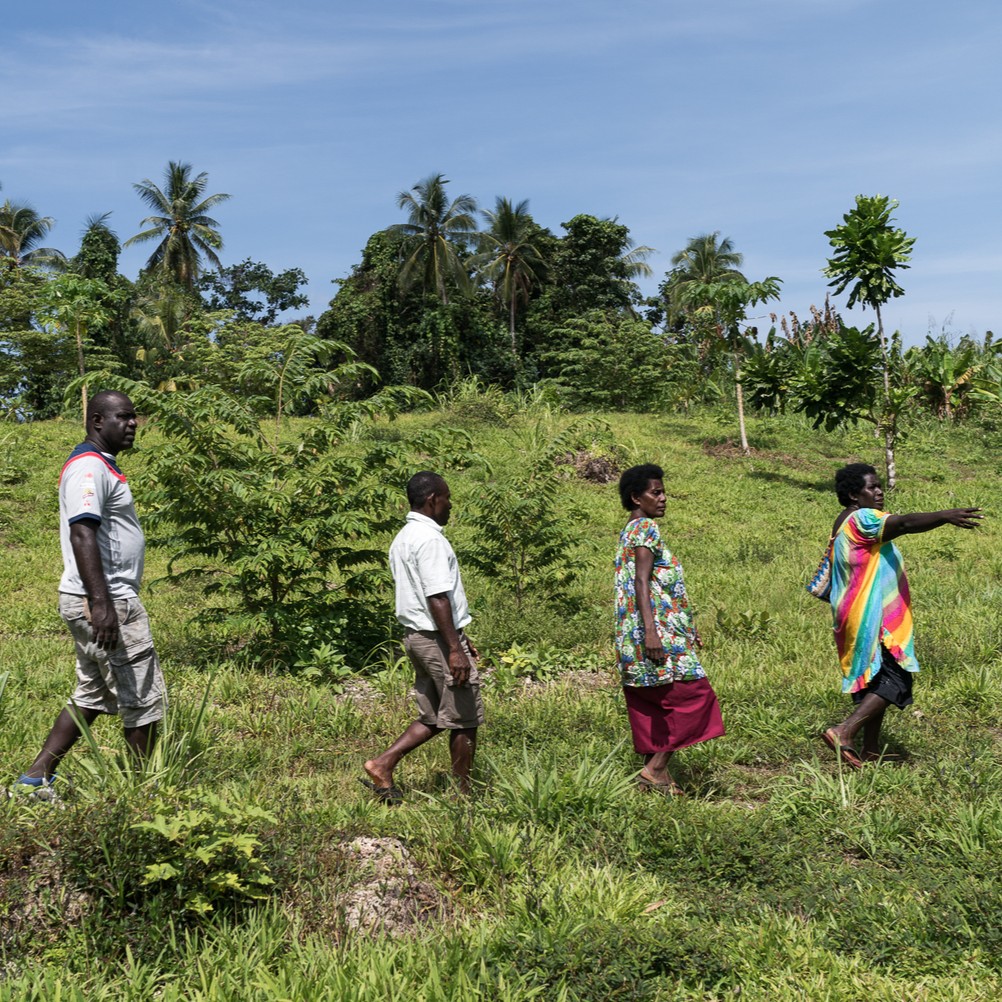
eople walking in a line through a lush green field with tropical trees, as one person points ahead.
Image
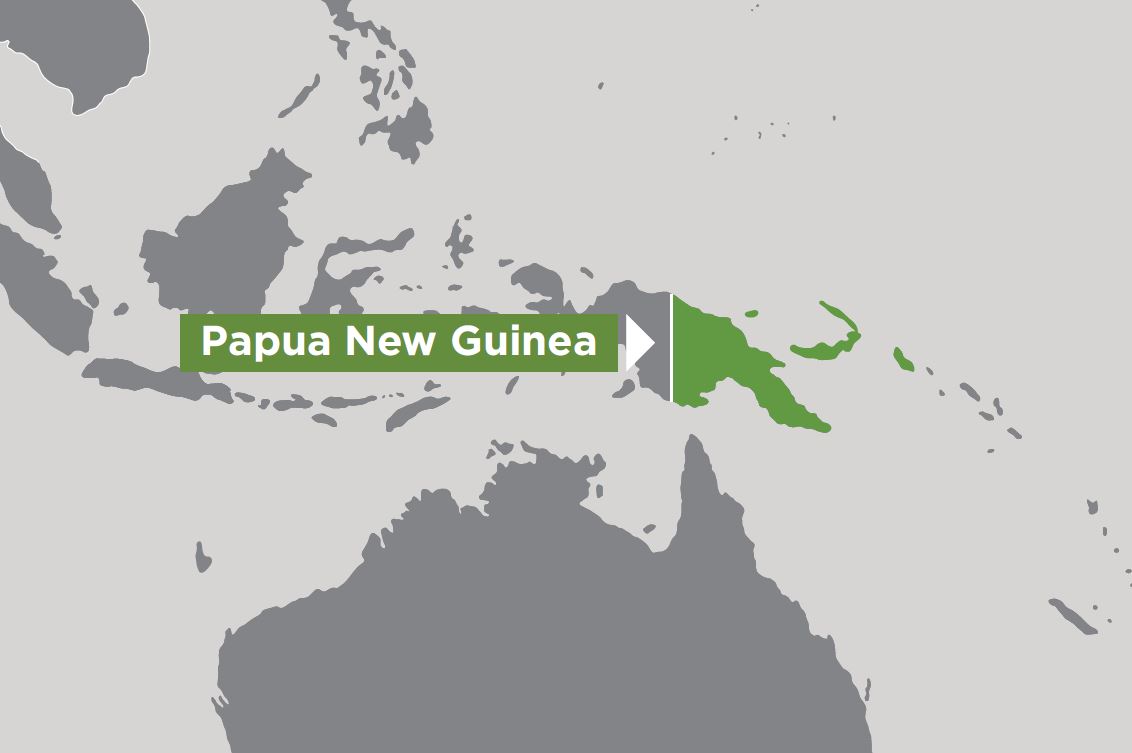
Map of Papua New Guinea

Research need

This project aims to investigate, test and disseminate an inclusive co-design process for development programs to strengthen food security in Western Province, Papua New Guinea, grounded in the existing community food economy. 

Inclusive co-design is a collaborative research approach where people with lived experience work as equal partners alongside designers, researchers and policymakers.

Western Province has strong traditional food systems, deep agricultural knowledge and diverse local ecologies, yet many communities remain highly vulnerable to food insecurity. Past development efforts have often overlooked the cultural, social and environmental strengths of specific places, resulting in limited local ownership and little lasting improvement. At the same time, the province is facing worsening pressures from climate change, ongoing environmental damage linked to mining, and uncertainty around future livelihoods. 

As Papua New Guinea’s poorest province, many households in Western Province depend on subsistence agriculture and traditional crops such as sago for daily food and income. Testing a community-led, co-designed approach could help ensure development programs are better matched to local realities and priorities. If successful, the research could strengthen food security, rebuild resilience, support more durable livelihoods and inform wider investment under the PNG–Australia Western Province Strategy.

On this page

The project

The project will use participatory action research and inclusive co-design to work with communities, researchers and partner agencies across 3 sites in Western Province to strengthen food security. The project will: 

  • Identify 3 research sites and recruit and train Community Researchers from local communities to support data collection, mapping and community engagement.
  • Document community food economies, traditional crop practices and place-based strengths through mapping, consultations, interviews and participatory workshops.
  • Investigate the barriers and enablers affecting traditional food systems, including climate, environmental, social and economic pressures.
  • Bring together community knowledge holders, scientists and technical experts to share knowledge and co-design strategies for strengthening food security.
  • Develop, test and refine practical planning tools, community food security action plans and learning materials for wider use by local and provincial stakeholders.

Expected outcomes

The project is expected to strengthen food security in Western Province by enabling communities to lead place-based planning that builds on traditional food systems, combines Indigenous and scientific knowledge, and equips local and provincial stakeholders with practical tools to support more resilient livelihoods.

Outcomes include:

  • Improved food security by strengthening traditional food systems and local food economies.
  • Increased the capacity of communities to lead food security planning based on local knowledge, priorities and assets. 
  • More support for effective development investments through practical co-designed tools and locally adapted planning approaches.
  • Enhanced skills of local researchers, community development workers and partner organisations to support community-led action. 
  • Strengthened resilience to climate, environmental and economic pressures affecting rural livelihoods in Western Province.