Research to inform growth – PNG Agriculture, Food and Nutrition Policy Program

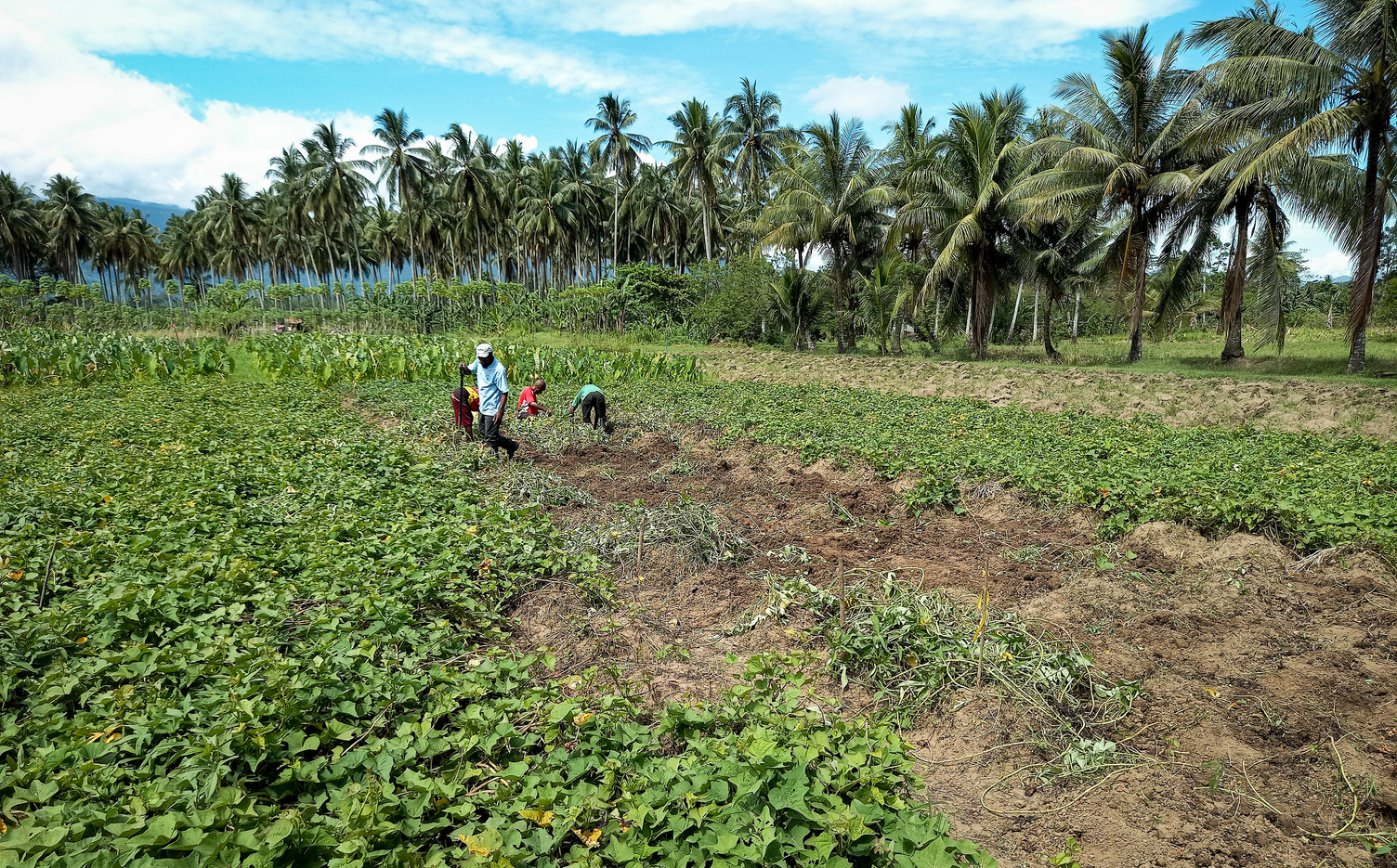
People in Eastern Highlands PNG
Image
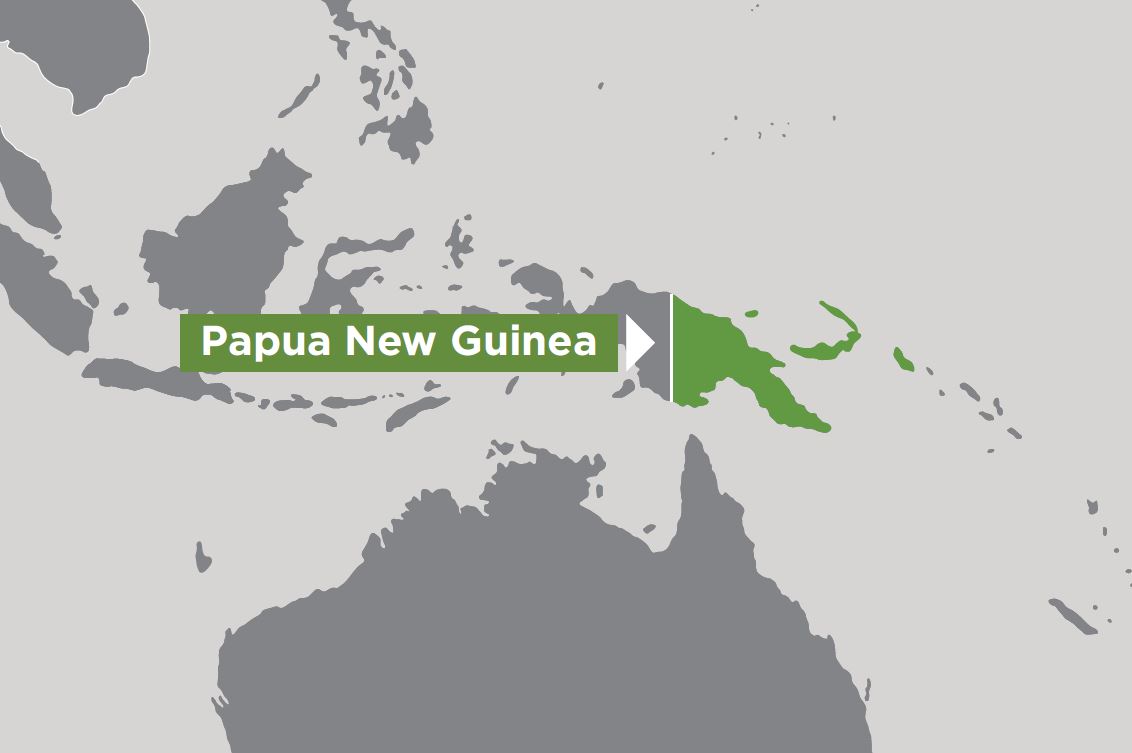
Map of Papua New Guinea

Research need

This project aims to strengthen data analysis and capacity in the agricultural sector to support informed policy and investment decisions for inclusive economic growth in Papua New Guinea. 

More than 80% of Papua New Guinea's population depends on agriculture for their livelihoods, with most households engaged in smallholder farming. As a result, improvements in agricultural productivity, market access and resilience have the potential to deliver wide-ranging economic, food security and livelihood benefits. However, growth in the sector is constrained by low productivity, weak value chains, limited midstream and downstream infrastructure, and gaps in macro- and microeconomic conditions needed to incentivise sustainable investment. 

At the same time, persistent data gaps limit the ability of government agencies to design, prioritise and sequence effective agricultural policies and investments. In line with national priorities, there is a clear need for research that strengthens the evidence base for increasing incomes from export crops, improving domestic food value chains and supporting inclusive participation, particularly for women, while addressing growing climate risks. 

This research will inform evidence-based policy dialogue, guide strategic investment and build national capacity to support an inclusive, resilient and competitive agri-food system transformation in Papua New Guinea. The goal of this research is for departments and agencies to have improved capacity to identify, design and implement agricultural priorities that support economic growth and improve livelihoods.
 

On this page

The project

This project responds to research requests from the Papua New Guinea Government and local institutions, while also building their skills and capacity. It will focus on collaborative working arrangements and capacity strengthening activities.

The project will:

  • work with PNG government agencies, researchers and development partners to identify priority research needs
  • collect and analyse data on farming systems, value chains, household livelihoods and food security
  • develop economic databases, models and tools to support evidence‑based policy and investment decisions
  • provide policy analysis and advice in response to government requests and emerging issues
  • build skills and knowledge through training courses, workshops, mentoring and joint research activities
  • strengthen partnerships between government departments, universities and research institutions
  • share research findings through reports, policy briefs, presentations and seminars in clear and accessible formats
  • use regular learning and review to adapt activities so the project remains relevant and effective. 

Expected outcomes

The goal of this research is for departments and agencies to have improved capacity to identify, design and implement agricultural priorities that support economic growth and improve livelihoods. This cooperation to improve nutrition and promote agricultural trade aligns with the Comprehensive Strategic and Economic Partnership.

Expected outcomes include:

  • government departments and agencies will have stronger skills to design and use evidence‑based agricultural policies
  • better use of data, economic models and analysis to guide policy and investment decisions
  • stronger links between research institutions, government agencies and development partners
  • clearer and more effective communication of research findings to support decision‑making
  • improved ability of government agencies to respond to national and development partner priorities
  • better informed policies that support food security, agricultural growth and rural livelihoods
  • increased trust and long‑term collaboration between PNG institutions and research partners.