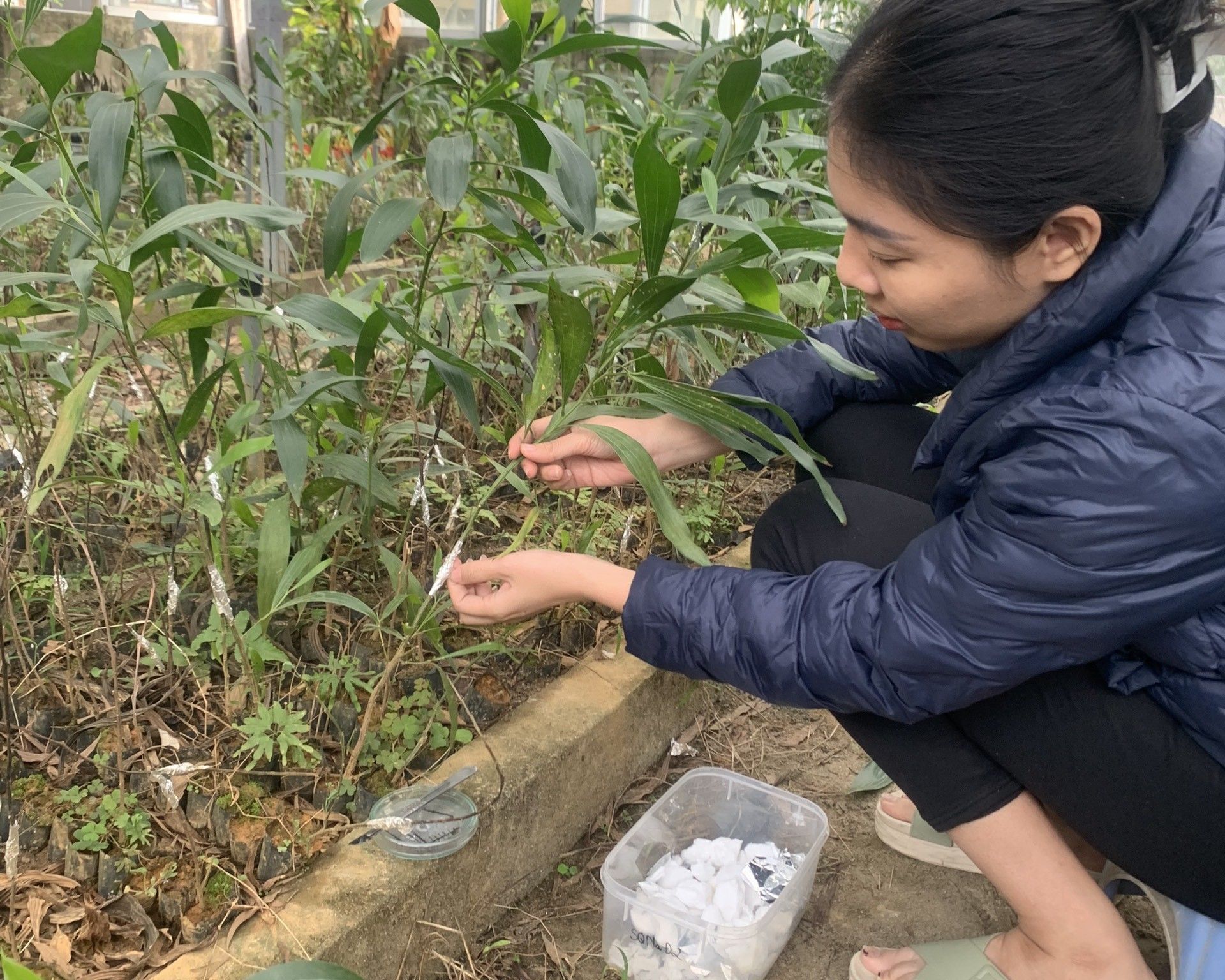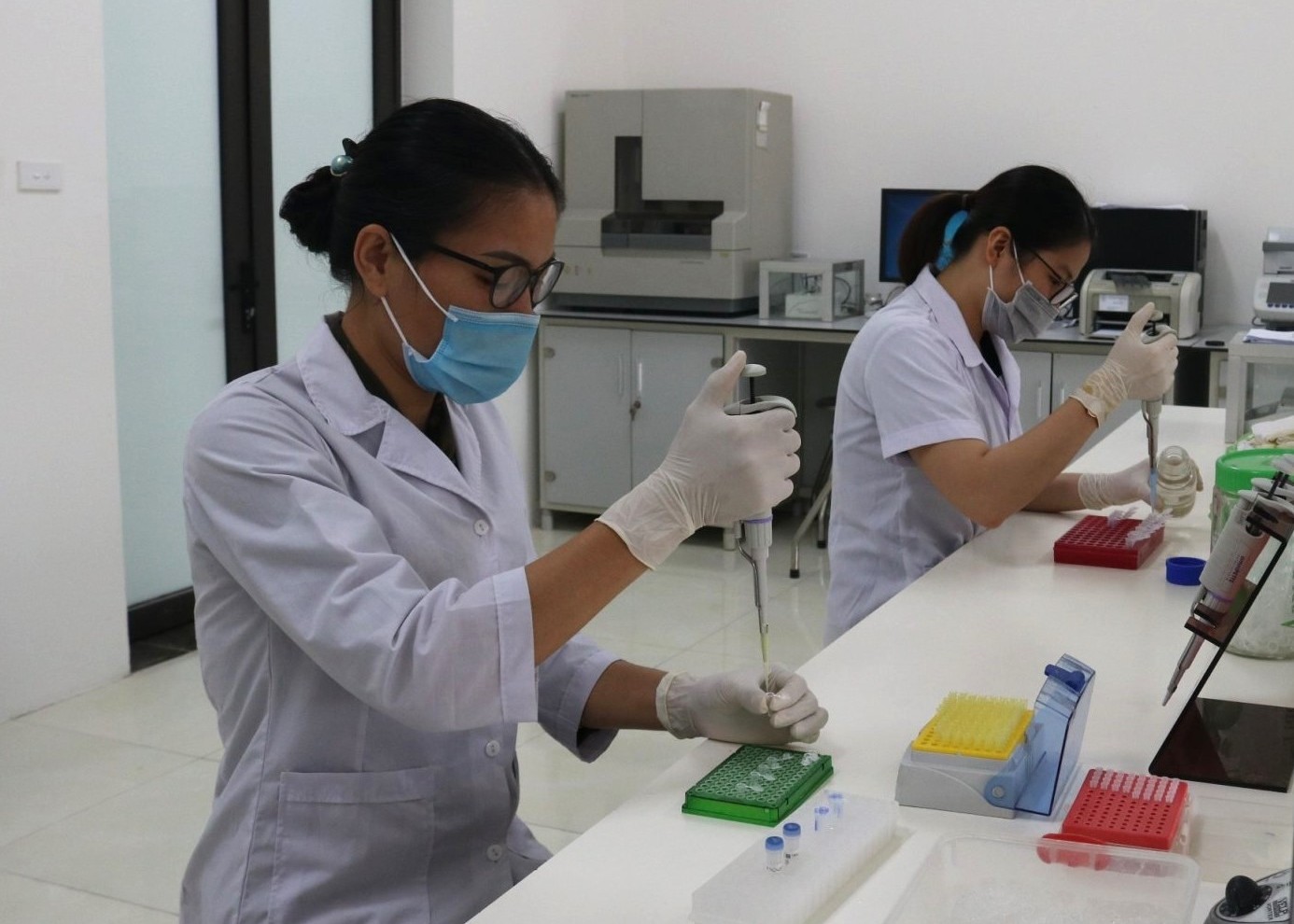




Invasive forest pests can spread fast, often unnoticed. If not detected early, their damage can reach far beyond forests and plantations, affecting livelihoods and economies across borders. As trade increases and climates change, pests are spreading into new areas faster than ever, making early detection and regional cooperation increasingly critical.
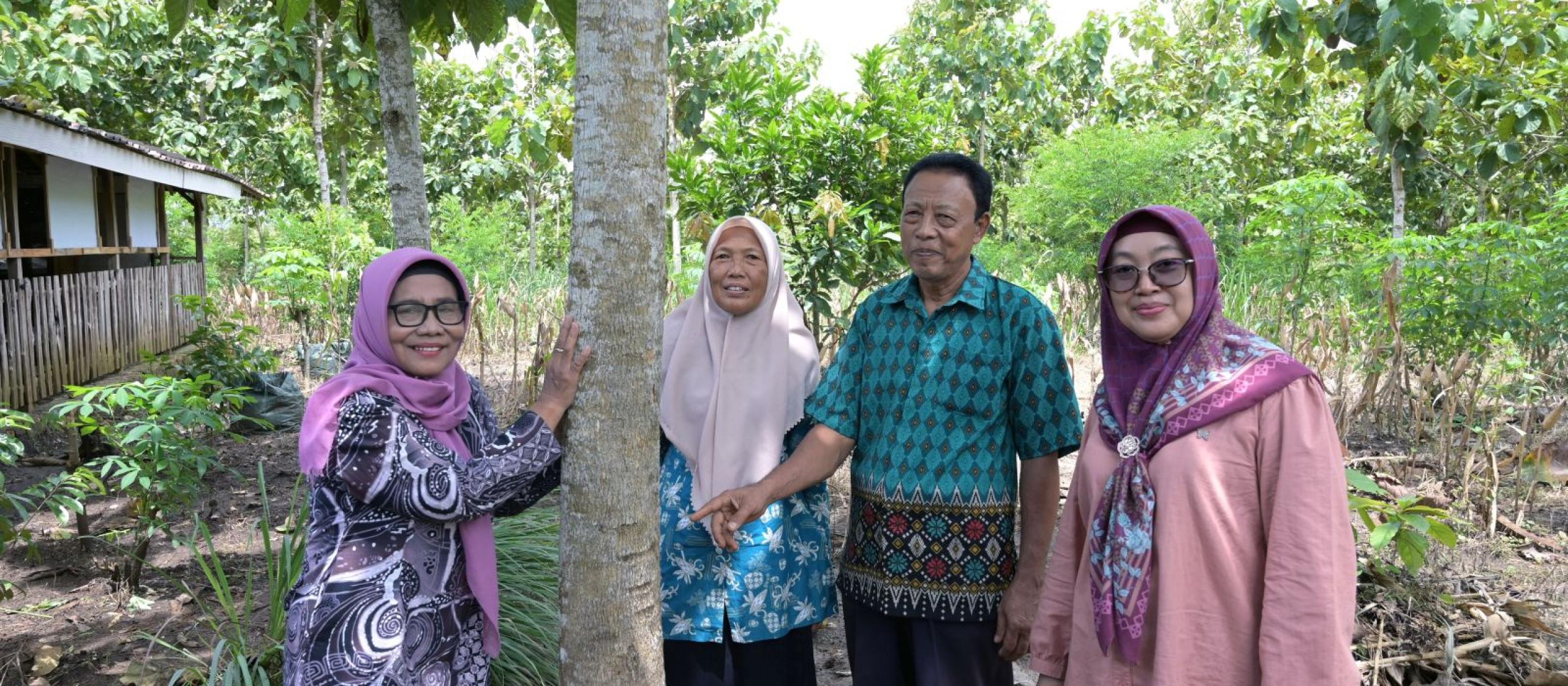
Building on a long history of forestry research collaboration, a regional project supported by ACIAR has brought together partners from Indonesia, Vietnam and Australia to strengthen regional forest biosecurity systems through robust pest detection and community involvement.
Collaborating beyond borders
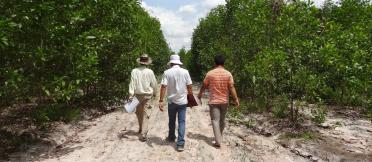
Recognising that no single country can manage the cross-border risks alone, the project took a connected approach, involving Indonesia and Vietnam, where fast‑growing trees originating from Australian germplasm (acacias and eucalyptus) are widely planted for the pulp and paper industry.
‘Pests and diseases can do a lot of damage, particularly if you grow the same species in very large areas,’ said Professor Caroline Mohammed of the Tasmanian Institute of Agriculture, University of Tasmania.
‘This has knock‑on effects right down the supply chain, influencing both the industry and the livelihoods of people who depend on it,’ she added.
‘We aim to protect forests and plantations by understanding how to detect pests and diseases, how to manage them and predict future issues we might encounter.’
Image