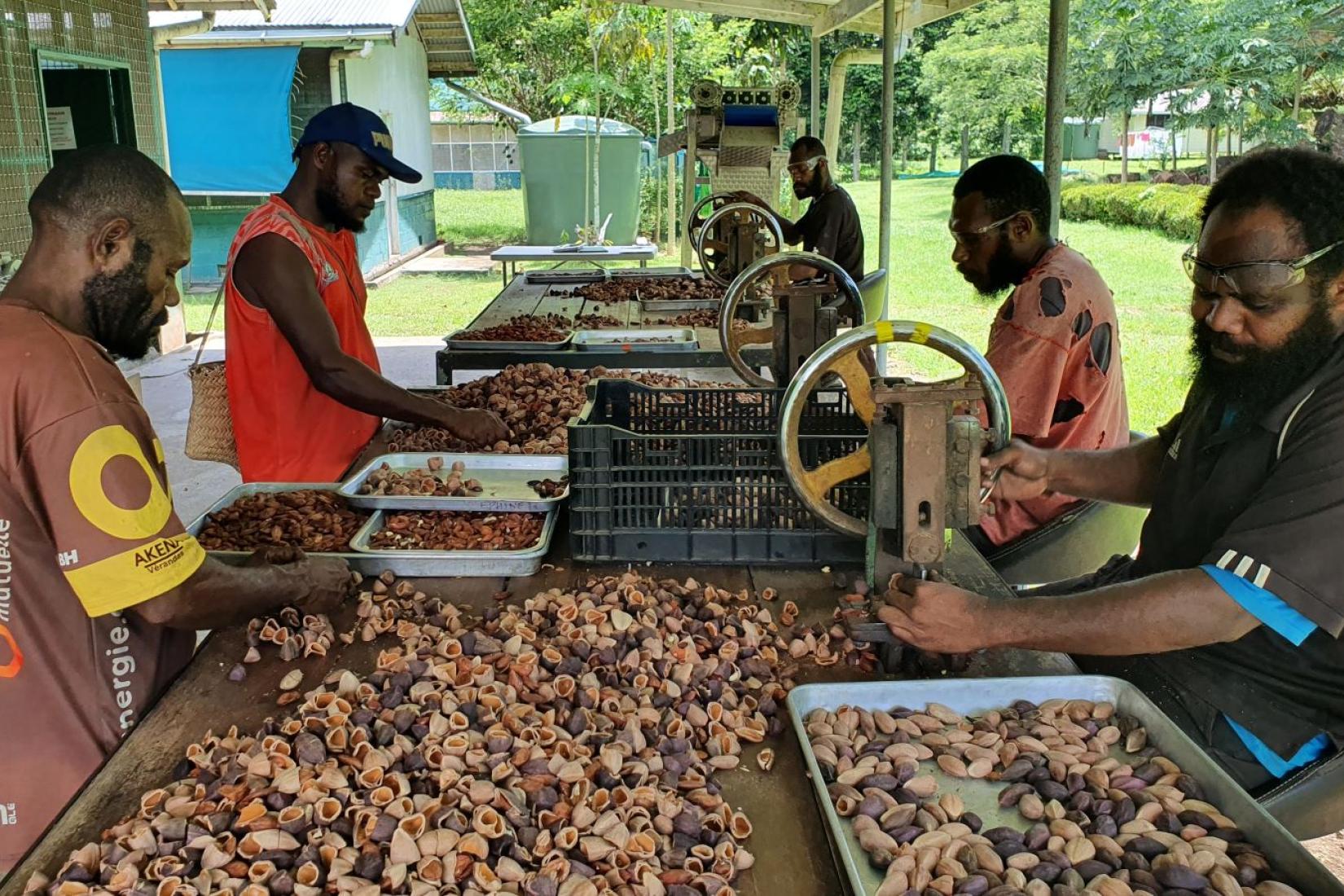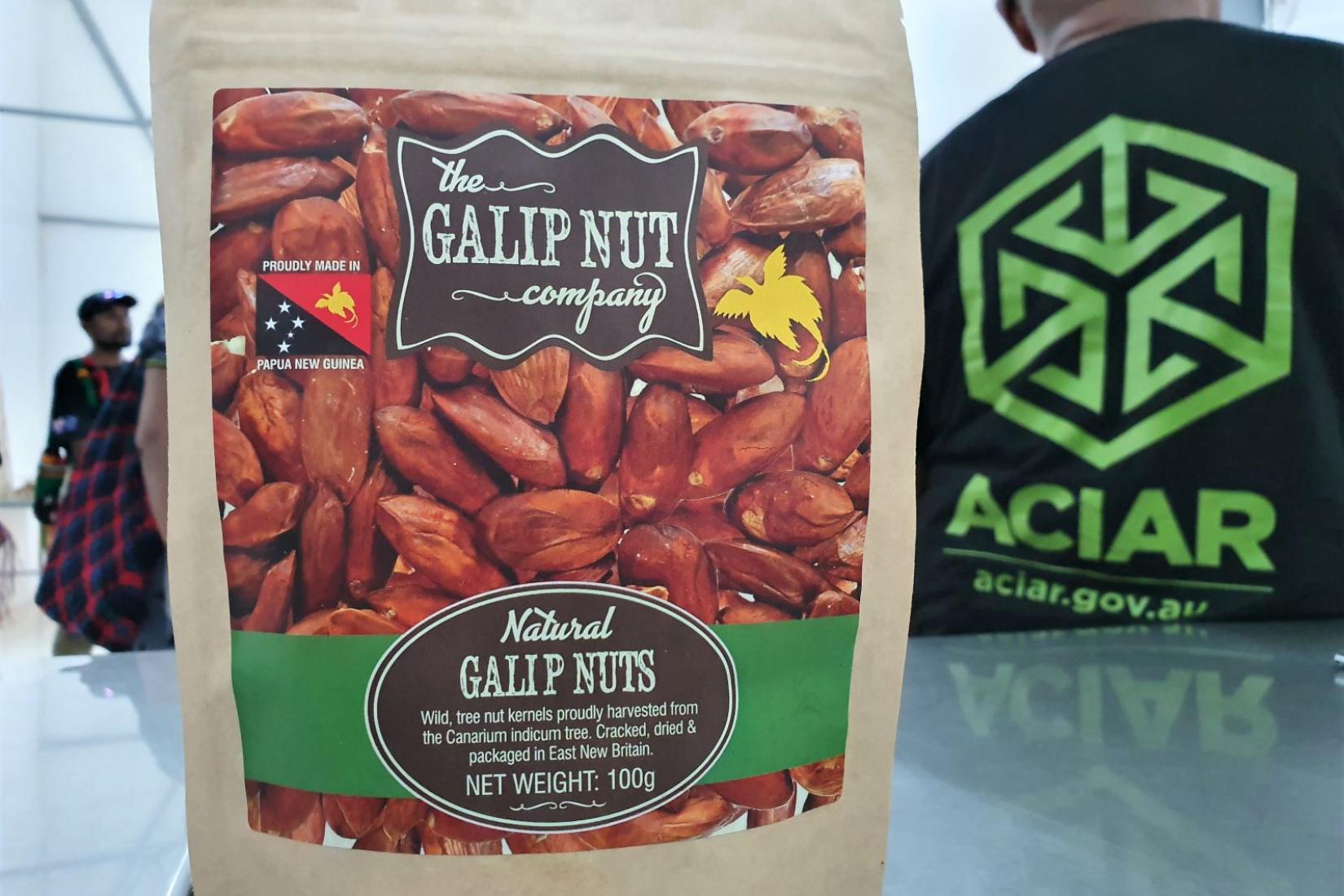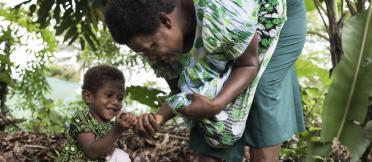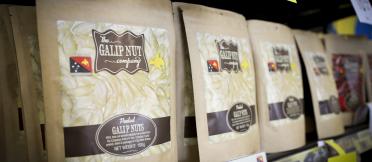


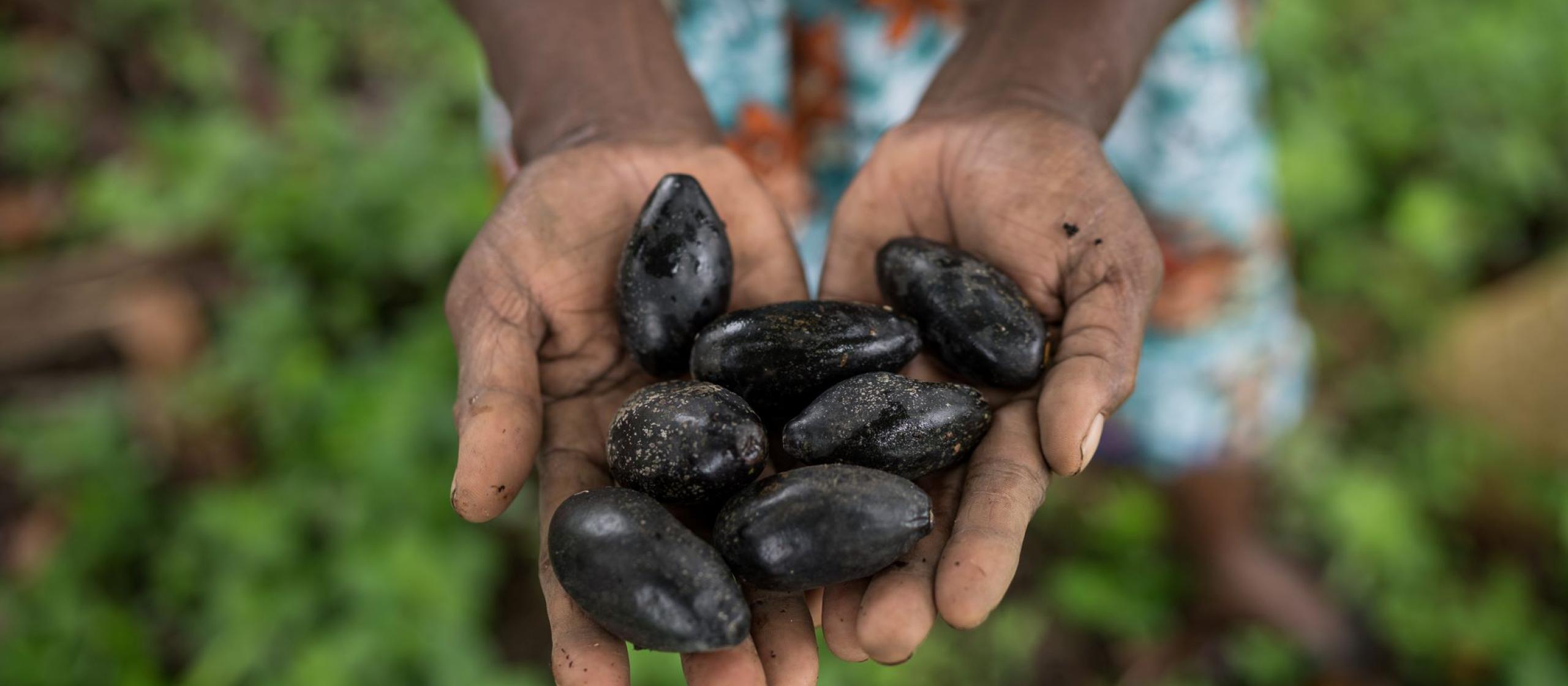


As Papua New Guinea (PNG) celebrates 50 years of independence this year, the emerging galip nut industry brings together many of the country’s aspirations for improved livelihoods, increased agricultural production and new markets that celebrate indigenous foods.
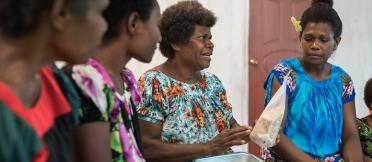
ACIAR has supported research for a wide range of food and forestry crops in PNG, as well as fisheries and livestock, often investing over many years. Projects have been designed to overcome technical challenges such as disease and low yields, while improving the skills and capacity of smallholder farmers.
Efforts have focused on traditional crops such as sweetpotato, coconut and taro, and export crops such as palm oil, coffee and cocoa. However, the galip nut investment has helped create a whole new industry.
Image
A new industry emerges
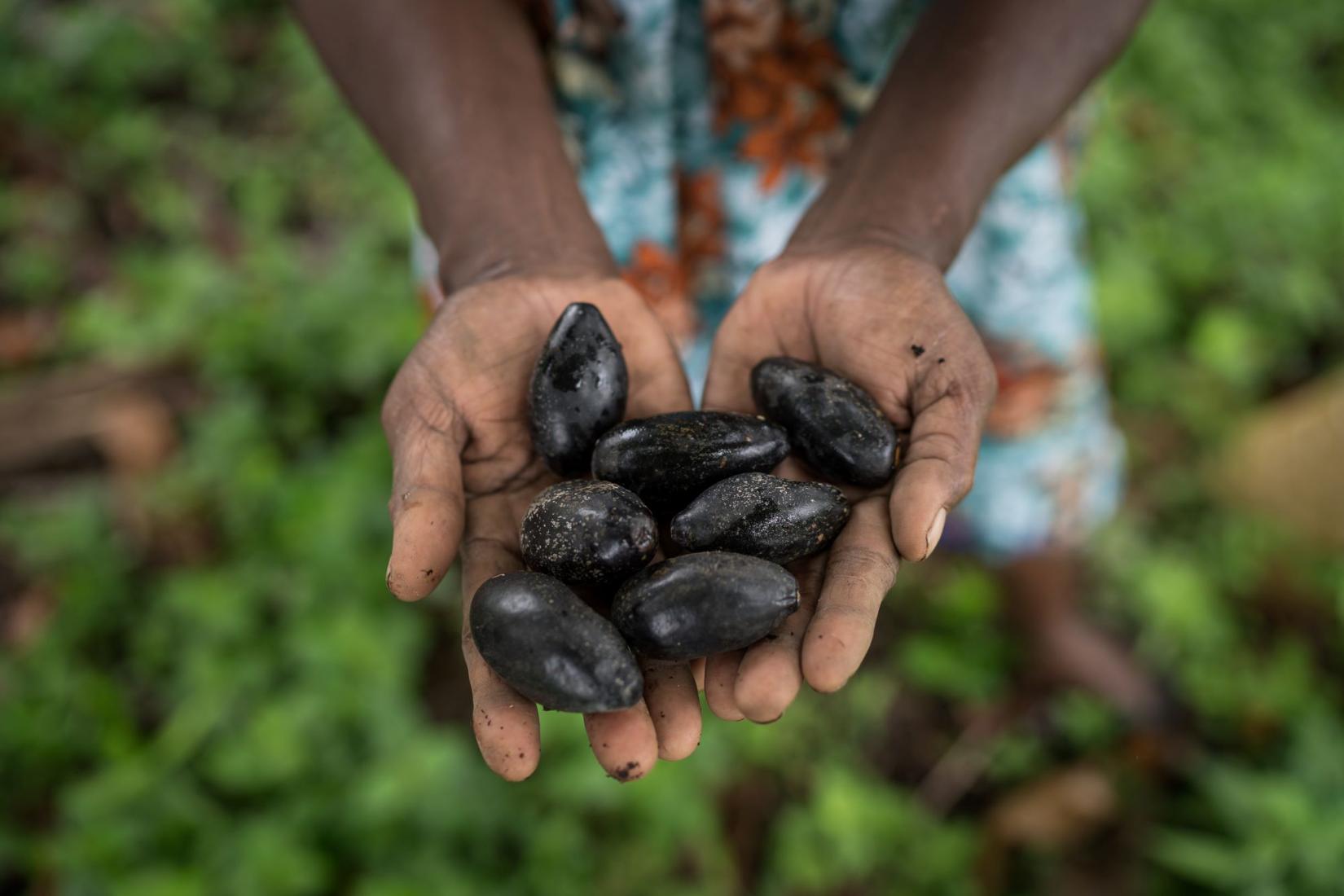
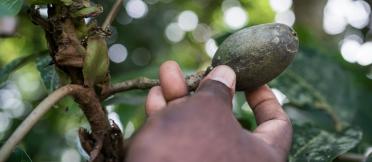
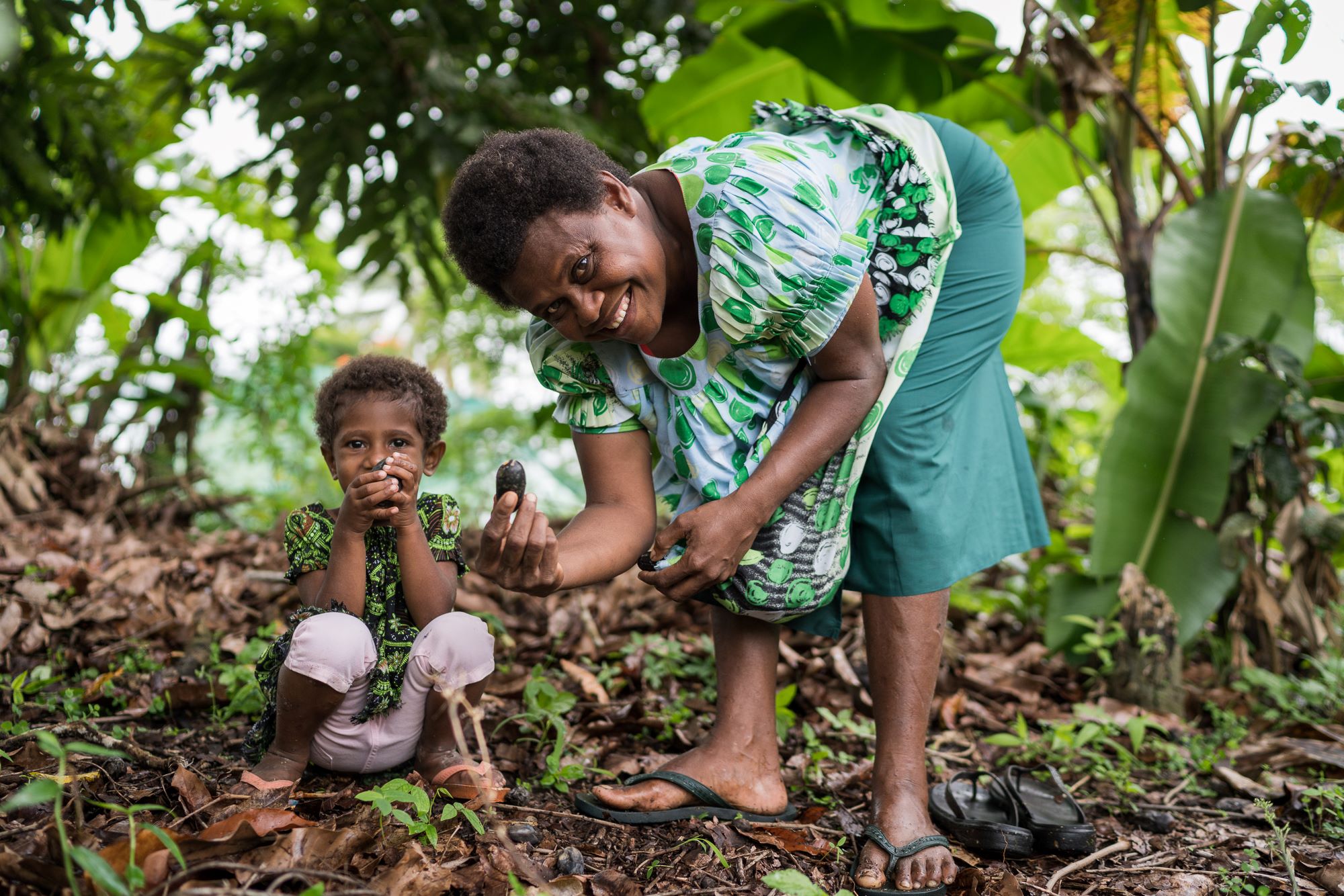
For almost 20 years Professor Helen Wallace at the Queensland University of Technology has led ACIAR-supported research into the canarium tree (Canarium indicum) and the galip nut it produces. For her, one of the most exciting aspects of this work has been witnessing the emergence of a whole new industry.
‘Many of the projects ACIAR supports focus on improving production and enhancing markets for existing products, such as sweetpotato, cocoa and coffee,’ explained Professor Wallace.
However, our research has underpinned the country’s efforts to take a low-value, wild-harvested nut that is mostly consumed in local communities, and create an indigenous food product for national and international markets.’
The first ACIAR-supported galip project Professor Wallace worked on was a scoping study in 2006 to evaluate the potential of the nut. Other small projects established how to process the nuts and addressed some technical issues.
‘But we hadn’t done anything on the markets and commercialisation, and that’s where ACIAR started to invest in a major project in 2016, focused on getting the product to market,’ she said.