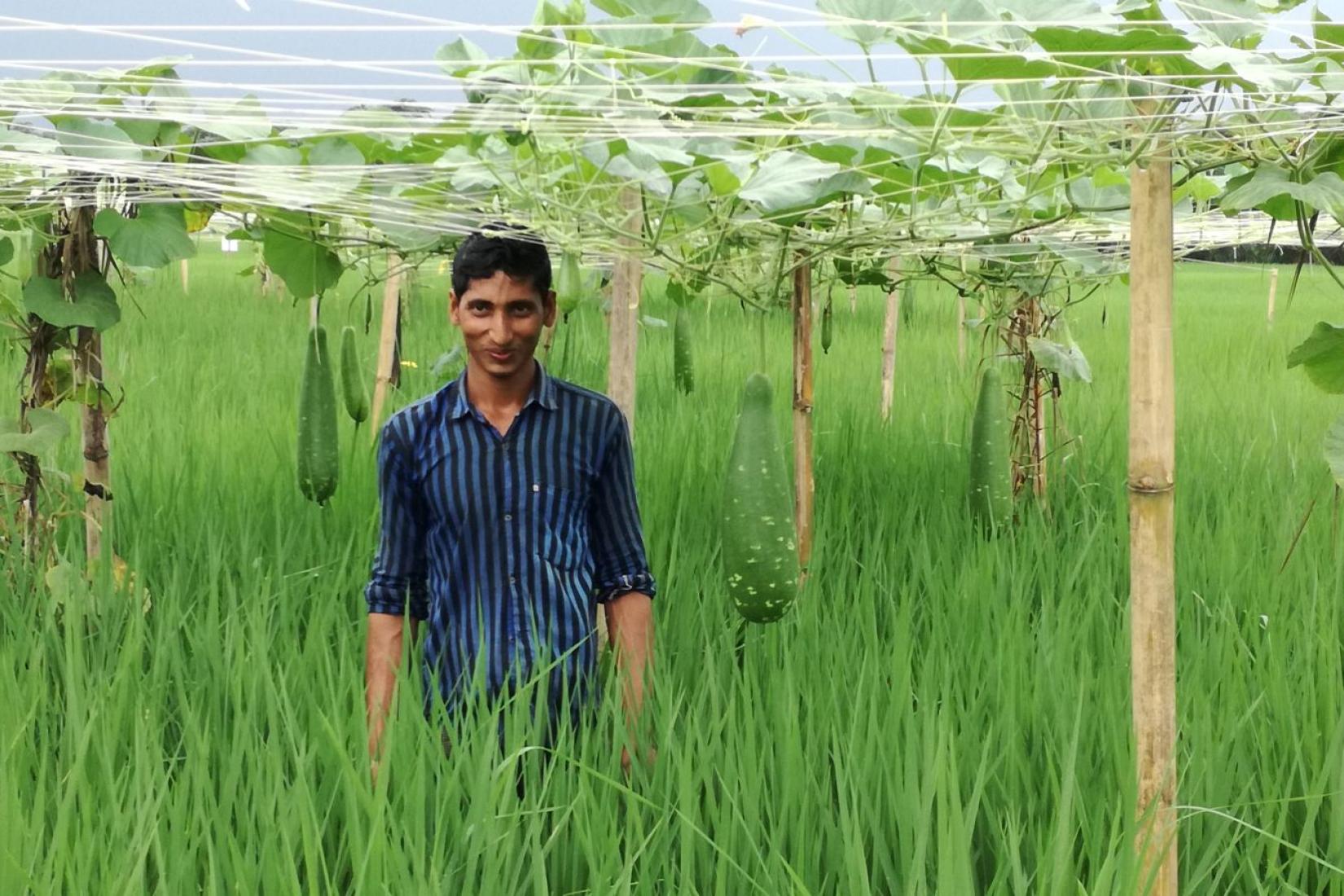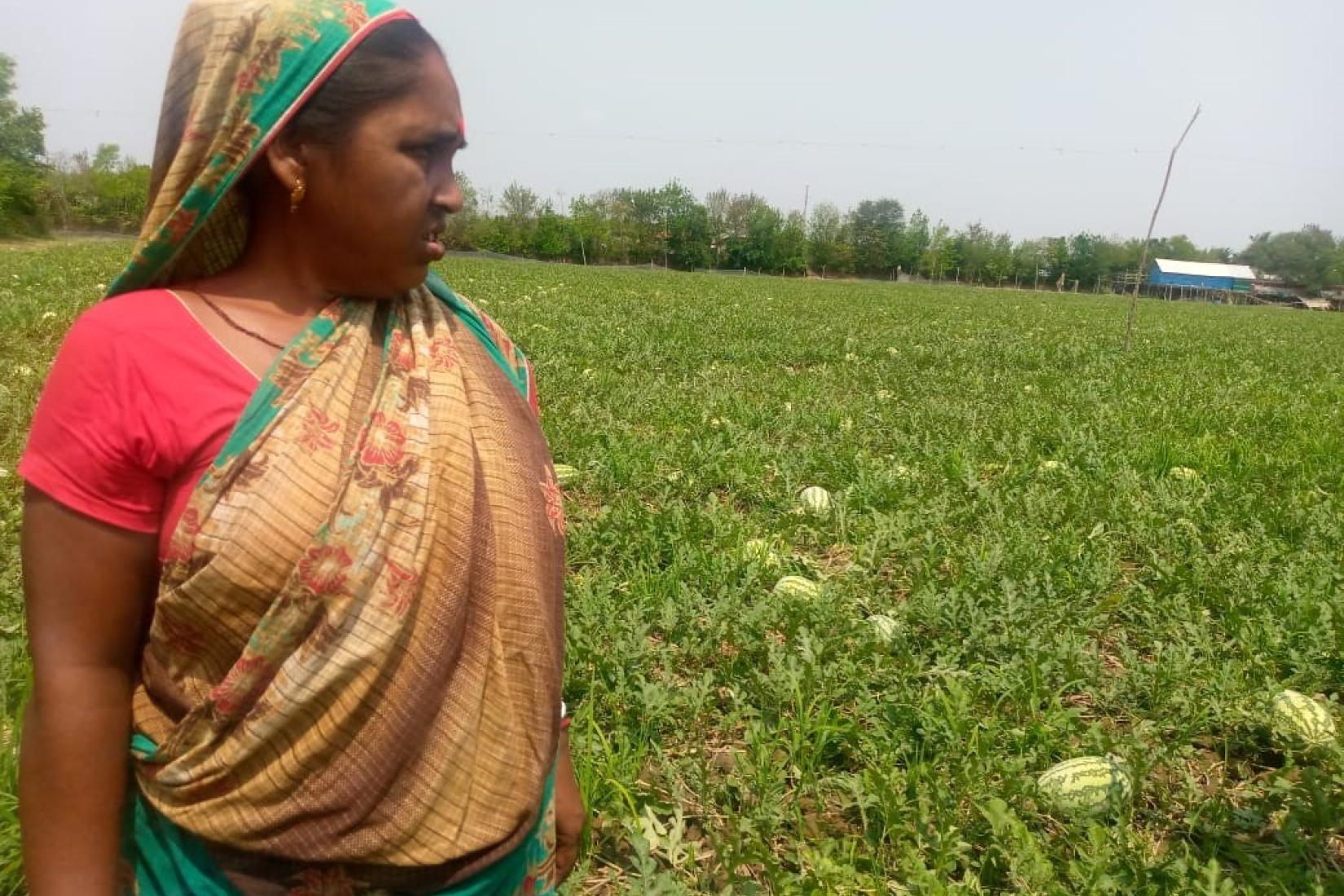




The low-lying coastal areas of Bangladesh and West Bengal are among the most challenging in the world to farm.
Soils and groundwater are highly saline. The land is subject to flooding from both monsoonal rains and seawater, which exacerbates soil salinity challenges. In the dry season, limited fresh water is available for irrigation.
The region is also highly vulnerable to the effects of climate change, including changing rainfall patterns, rising sea levels and more frequent cyclones.
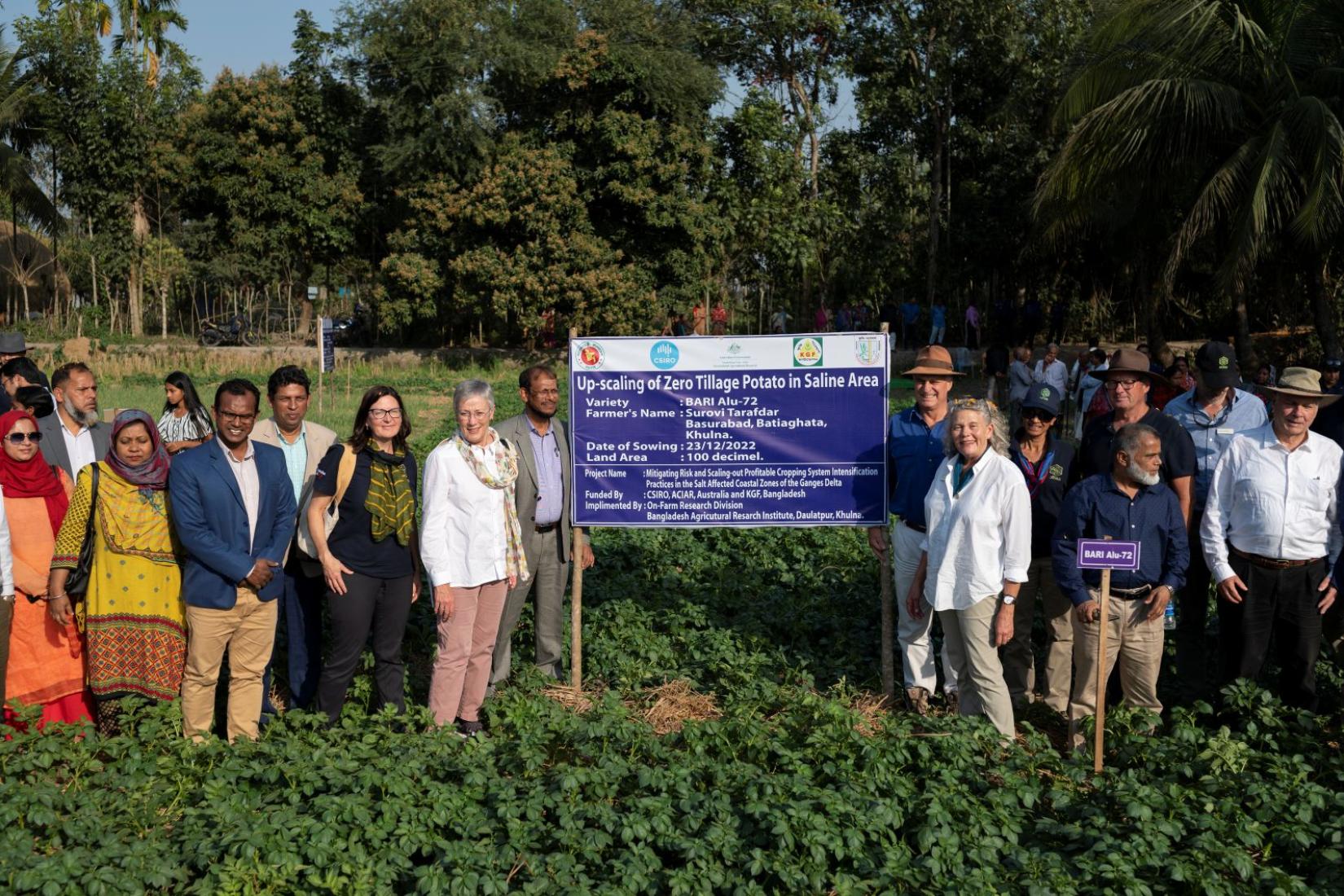
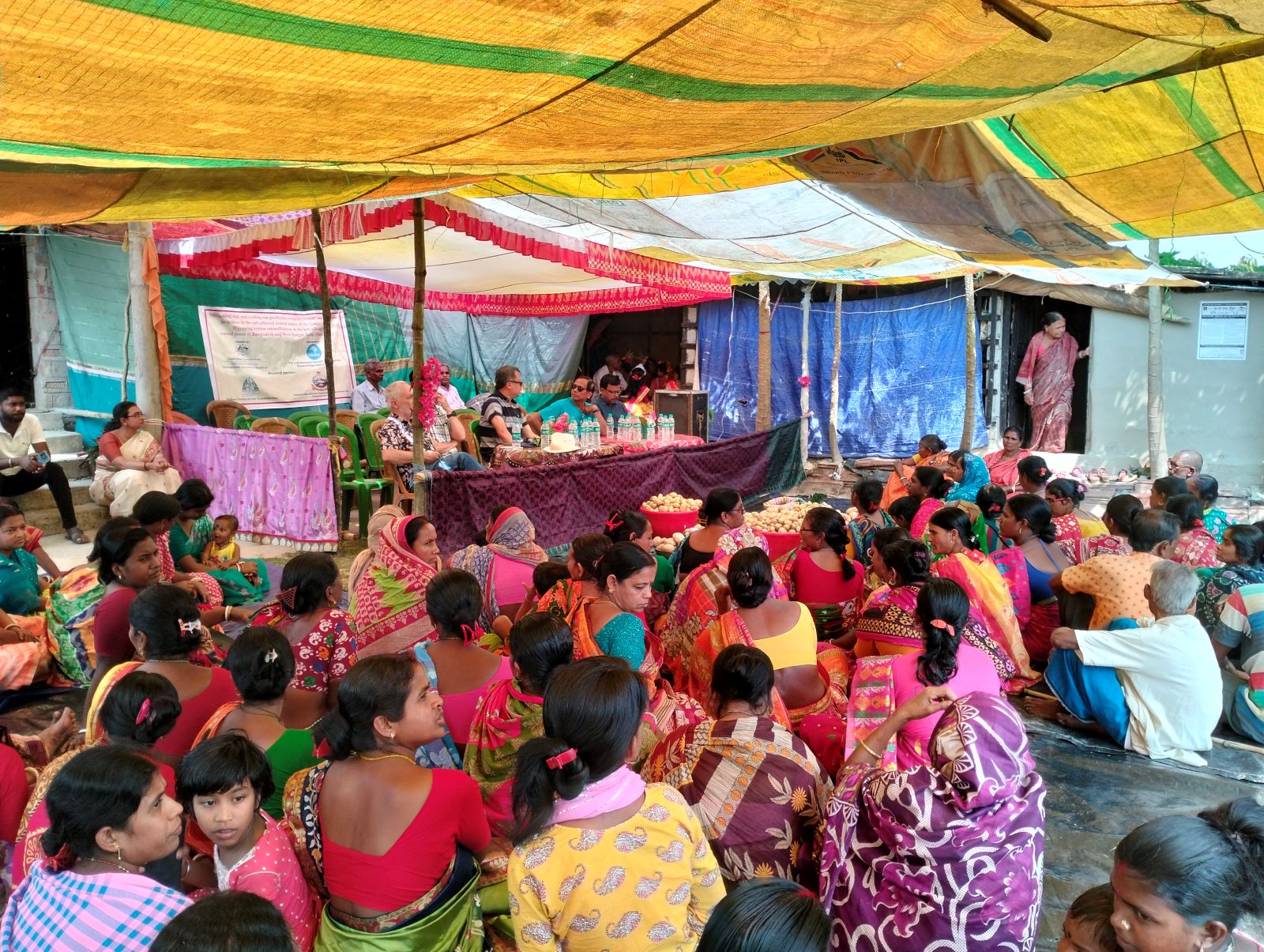
For the past 10 years, ACIAR has worked in partnership with the governments of Bangladesh and India, as well as universities and non-governmental organisations, to intensify cropping systems and boost farm productivity, with the aim of improving food security and alleviating poverty. Led by Australia’s national science agency, CSIRO, this research receives co-funding from the Krishi Gobeshona Foundation of Bangladesh.
Now, new crops and low-tech farming methods, combined with increased scientific and agricultural capabilities and new technologies, are boosting production in smallholder farming systems in the salt-affected coastal region of Bangladesh and West Bengal, India.
Image
New varieties of rice
Mr Belal Hossain is a Senior Scientific Officer at the Bangladesh Rice Research Institute. He has worked with the ACIAR-supported research team to introduce modern salt-tolerant rice varieties to coastal areas.
‘This is the poorest area compared to the other parts of the country because people in this area are mainly dependent on agriculture, and agriculture is a challenging job here due to the geological conditions,' said Mr Hossain.
His team identified high-yielding, short-duration rice varieties that produced 0.5–1.0 tonne per hectare more than existing varieties grown in the kharif (summer monsoon) season. Since these varieties matured 15–20 days earlier, farmers could plant a second crop in the rabi (dry, winter) season, using residual monsoon moisture to water the crop.
Across Bangladesh and West Bengal, an estimated 800,000 ha of land traditionally left fallow during rabi could now support a second crop.