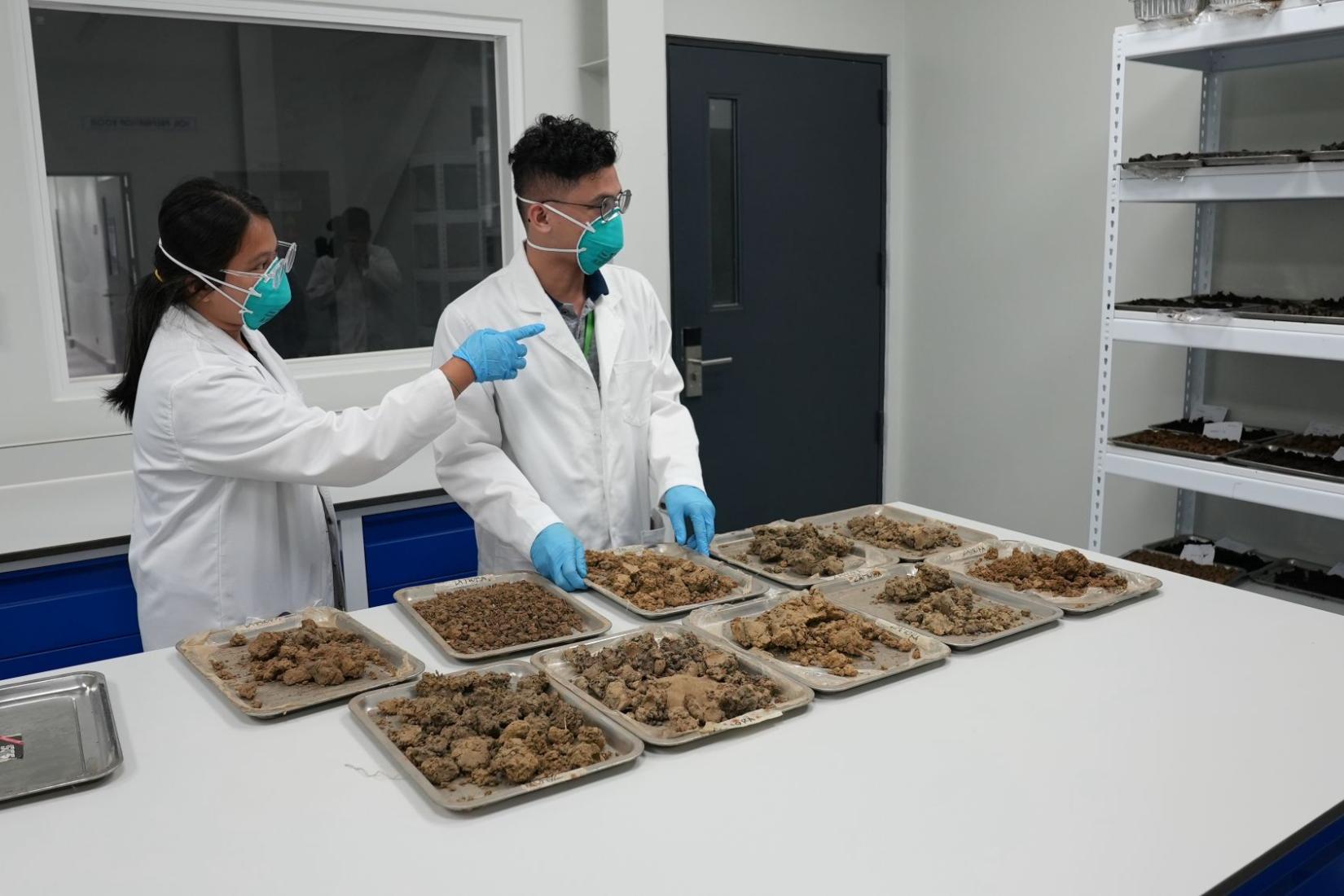


A targeted approach to soil assessment, first developed through an ACIAR partnership with the Department of Science and Technology – Philippine Council for Agriculture, Aquatic and Natural Resources Research and Development (DOST-PCAARRD), is reshaping how the Philippines understands and manages its agricultural landscapes. By providing the evidence needed to match land suitability with cropping decisions and ways to improve soil condition, this approach is helping farmers and governments address longstanding declines in productivity and soil health.
The linchpin for this transformation is an innovative use of soil testing and soil-mapping technology. It was applied in the Philippines starting in 2019 to identify the most viable and productive cropping systems across farming areas with varying soil characteristics. The same data are also used to identify the most cost-effective way to fertilise and remediate soils in ways that better sustain crop-production systems.
The impacts are of such significance that they prompted the Philippines Government to aim for a National Soil Health Strategy.
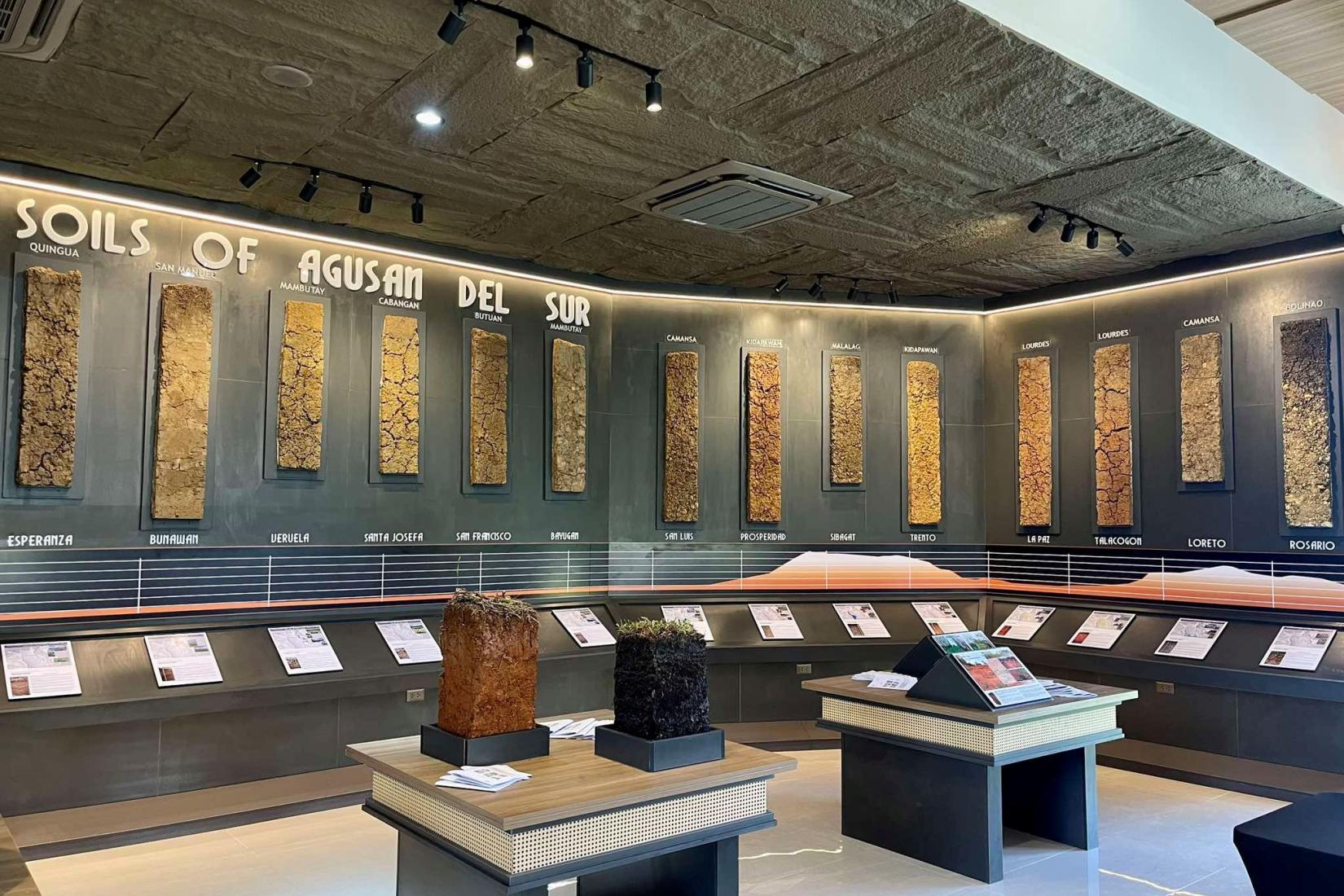
This followed an earlier adoption of the soil-mapping technology by the local government of the Agusan del Sur province, the Philippines’s fourth-largest agricultural province.