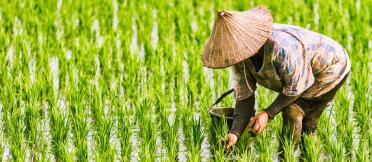




Mr Tran Kim Sol, a Khmer farmer in Can Tho, Vietnam, usually grew three crops of rice a year. But in 2020, he left his field empty for the whole summer.
The Mekong Delta was experiencing one of its worst salinity intrusion events, with salt water reaching more than 100 km inland. High rice prices meant nearby farmers risked planting a third crop. But when seawater reached their fields, the losses far outweighed the cost of leaving the land fallow.
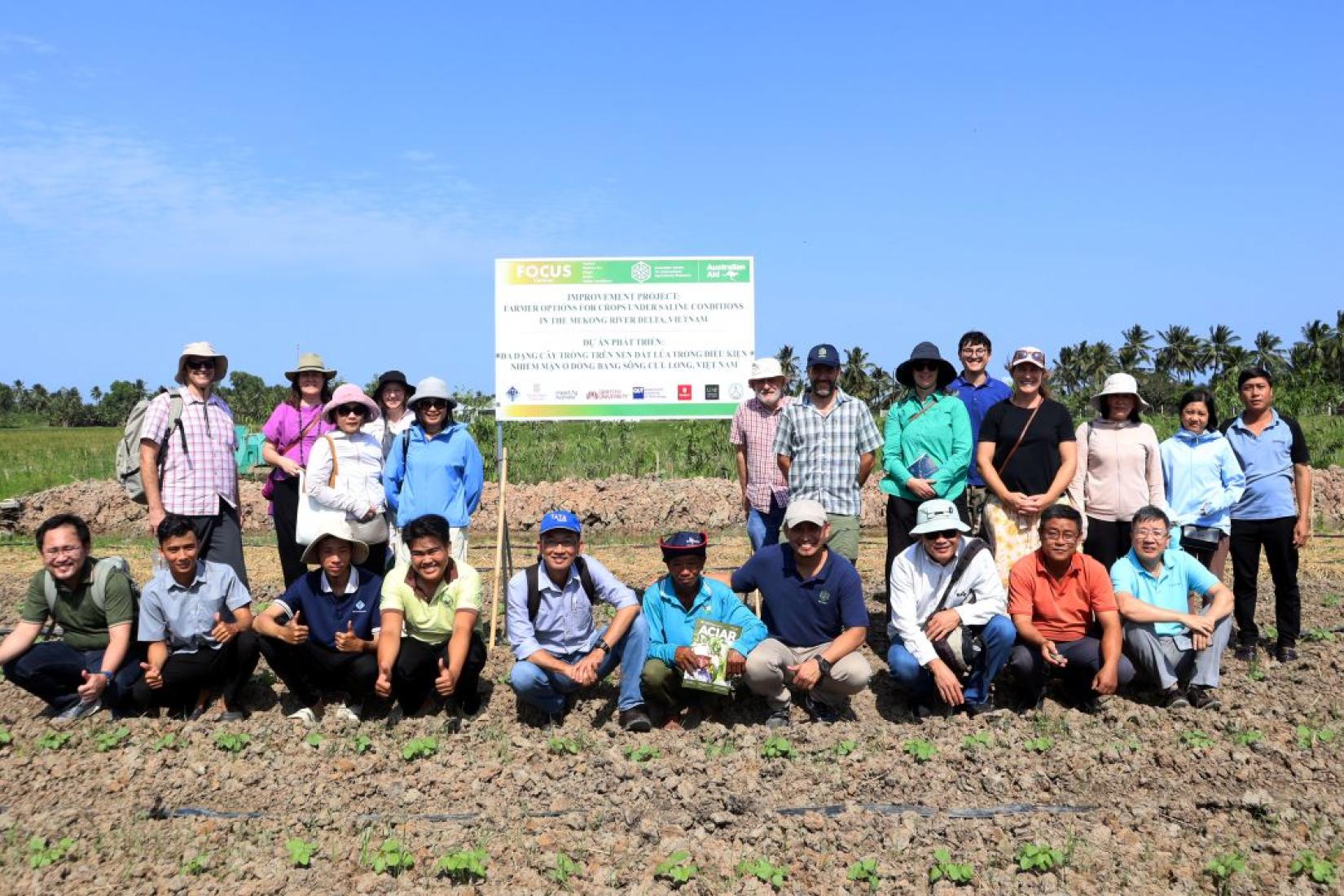
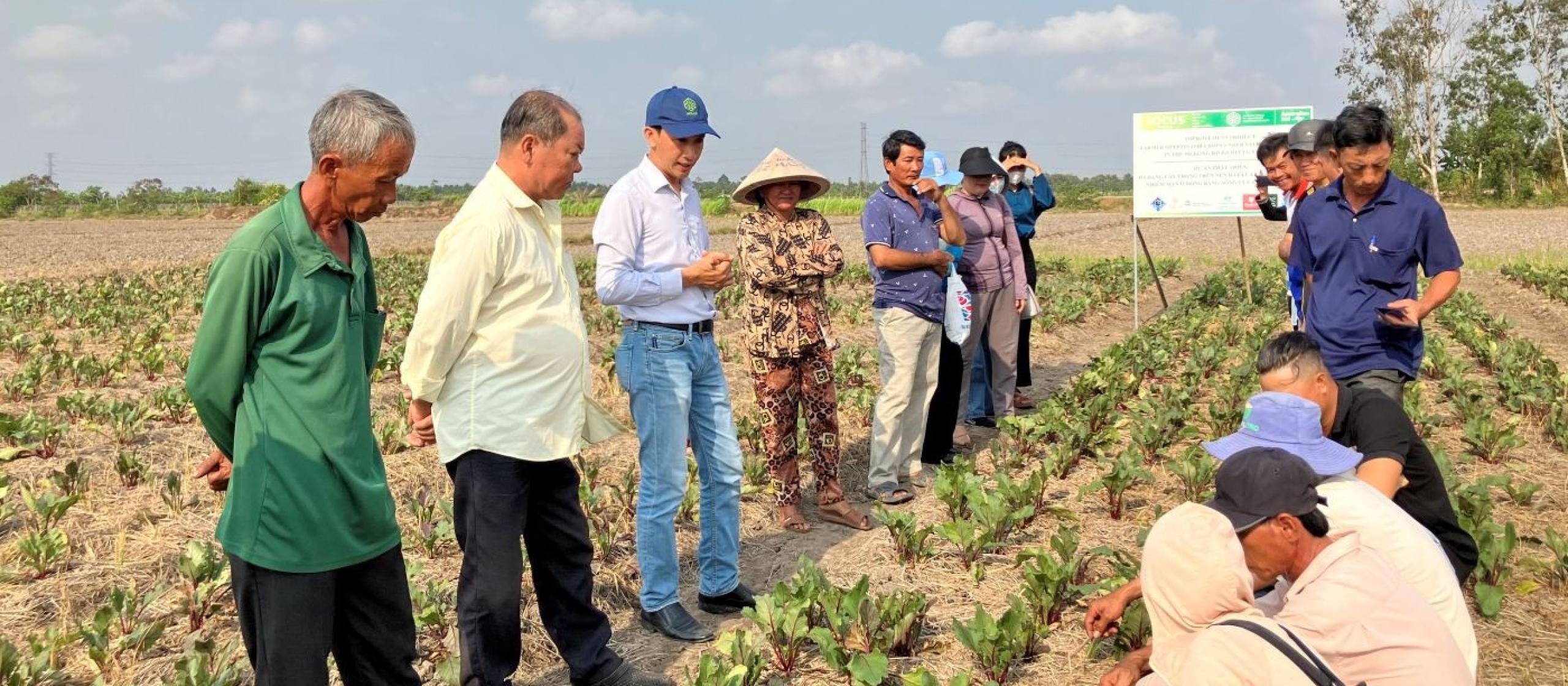
That’s when Mr Sol met the researchers from Can Tho University, who were leading the 6-year, A$2.3 million ACIAR-funded FOCUS project in partnership with Charles Sturt University. They were looking for pioneering farmers to test crops that could help Mekong Delta farmers adapt to salinity.
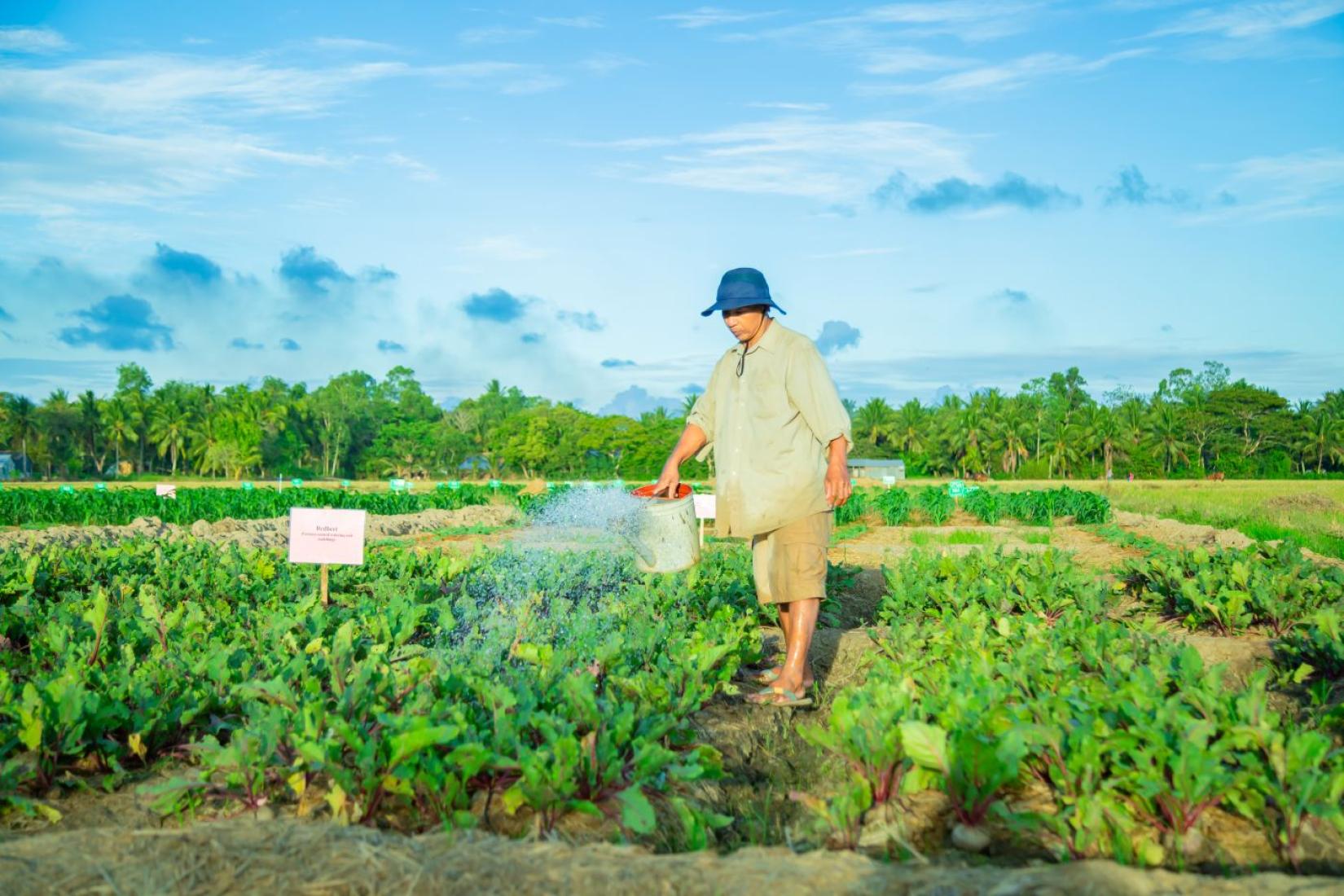
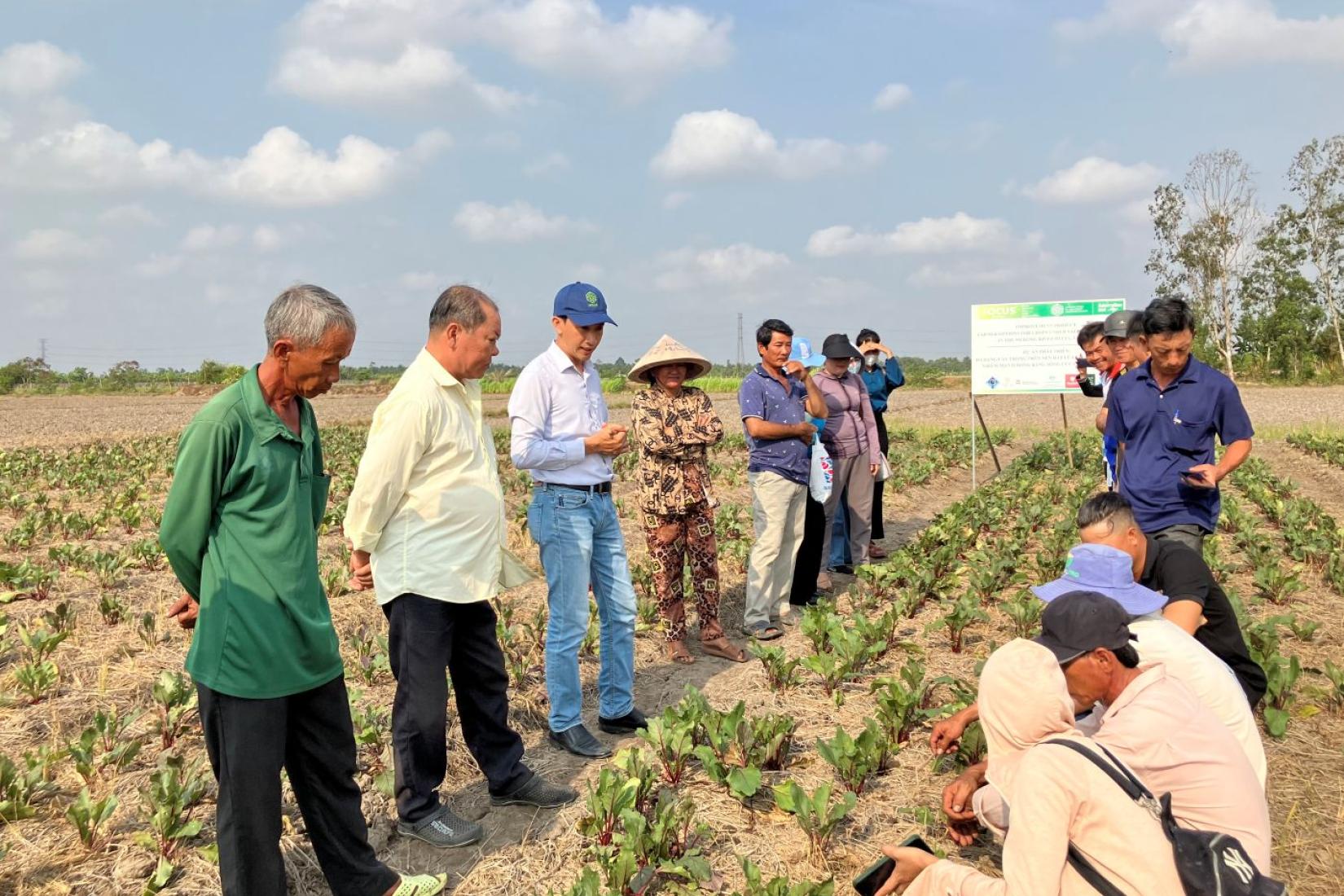
‘When the researchers first asked me to grow beetroot, I had doubts because we had never grown it here,’ said Mr Sol . ‘I had grown maize and mung beans, but never beetroot.’
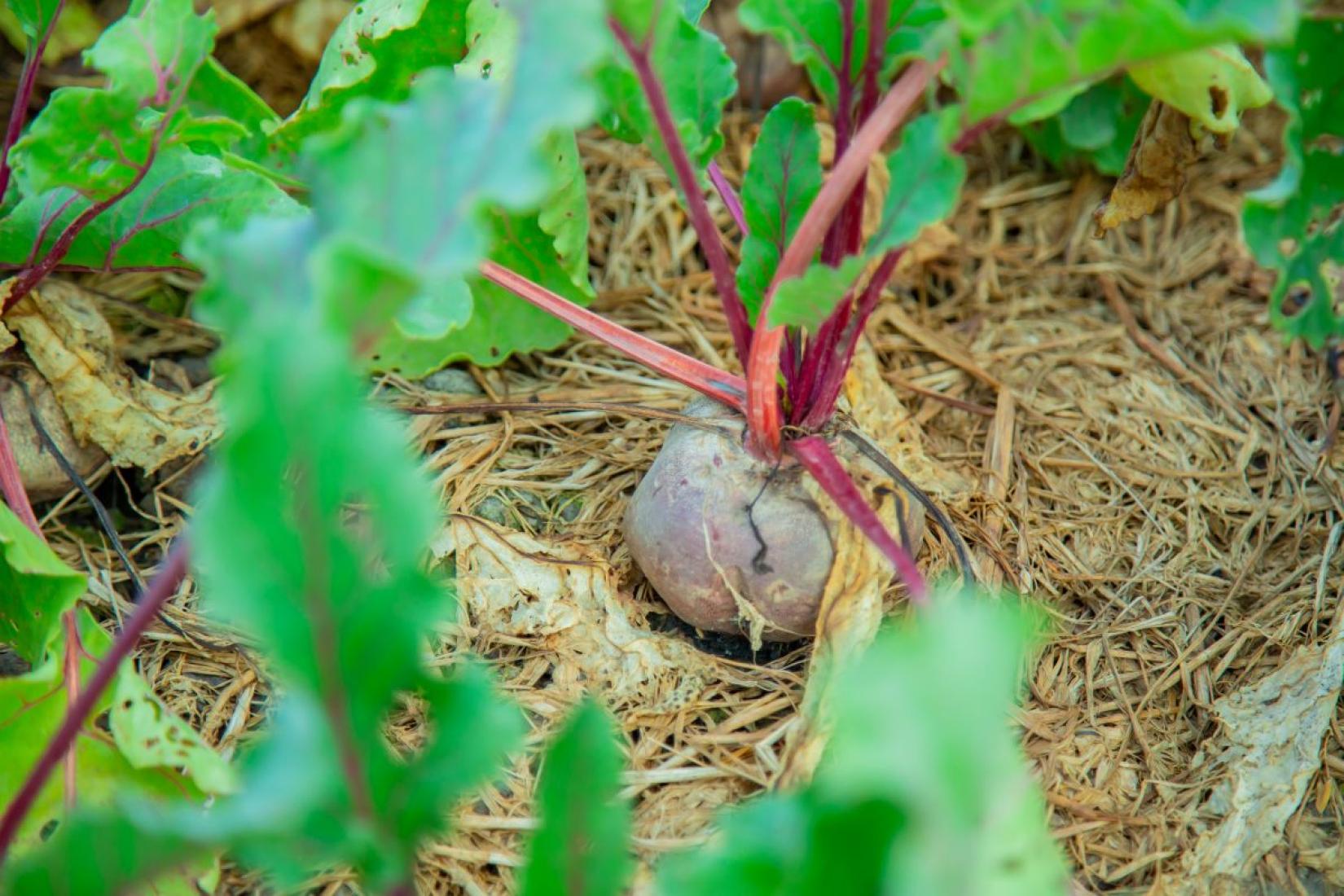
However, his curiosity overcame his doubts. With guidance from the researchers, he began testing beetroot. The salt-tolerant crop matured quickly and grew successfully in paddy fields between rice seasons.
Image
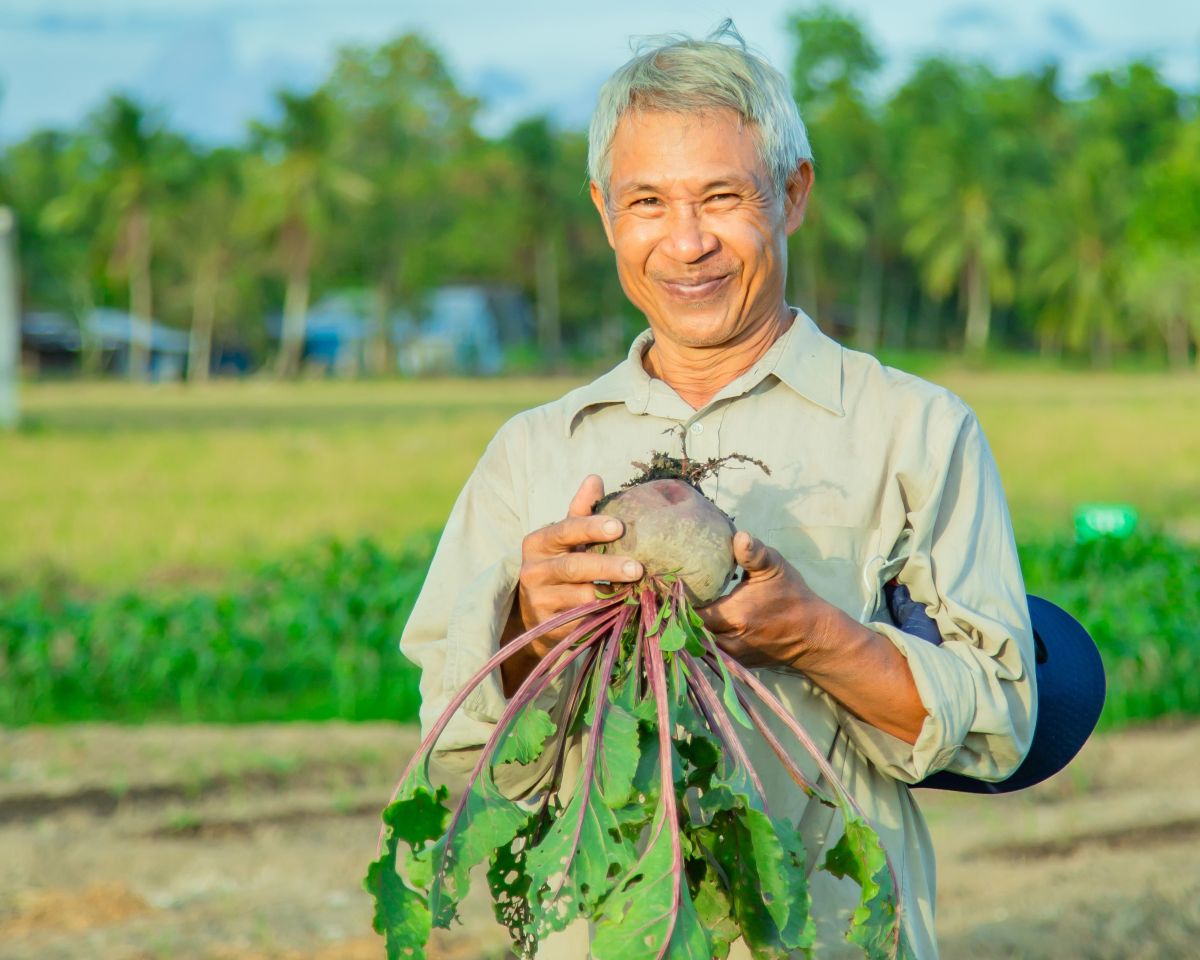
Local traders were surprised too. When Mr Sol first offered them beetroot, some asked whether it had been grown elsewhere.
‘It was exciting to see how surprised they were,’ said Mr Sol.
The crop also earned Mr Sol an encouraging price, 5 times the local price for rice at the time.
‘We selected crops that had performed well in climate-adaptation programs elsewhere,’ said Can Tho University senior researcher Dr Dang Duy Minh. ‘We combined unfamiliar crops, such as beetroot, with crops farmers already knew, including maize and watermelon.’
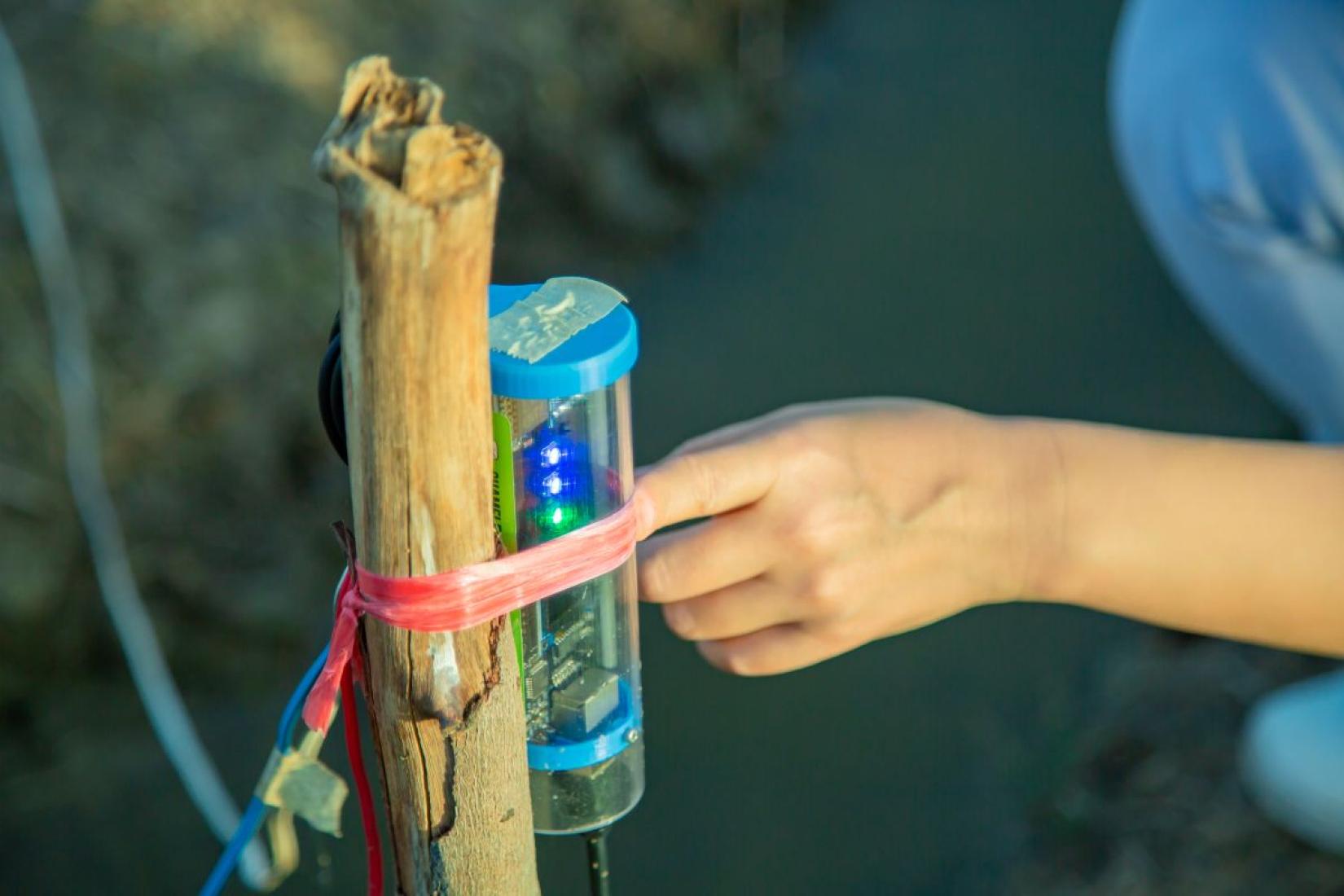
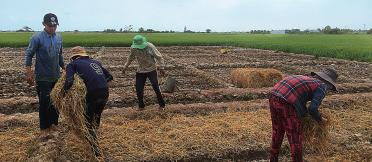
The project also tested simple soil-management practices, including mulching with rice straw and using CSIRO-developed, ACIAR-supported Chameleon sensors. In the trials, mulching helped retain moisture, reduce watering needs and limit salt movement towards the soil surface. The sensor showed farmers when crops needed water. Together, these practices help farmers halve water use during the dry season, reduce labour while supporting soil health.