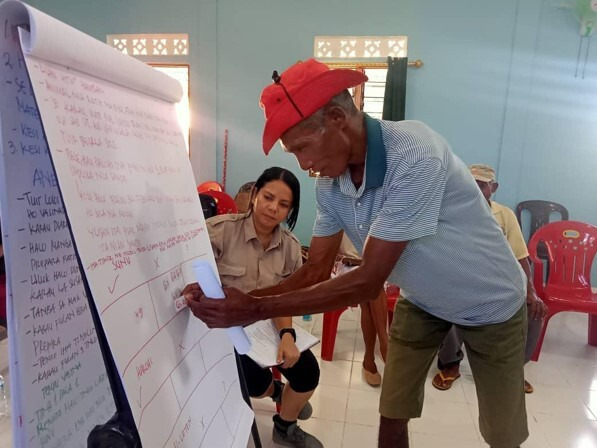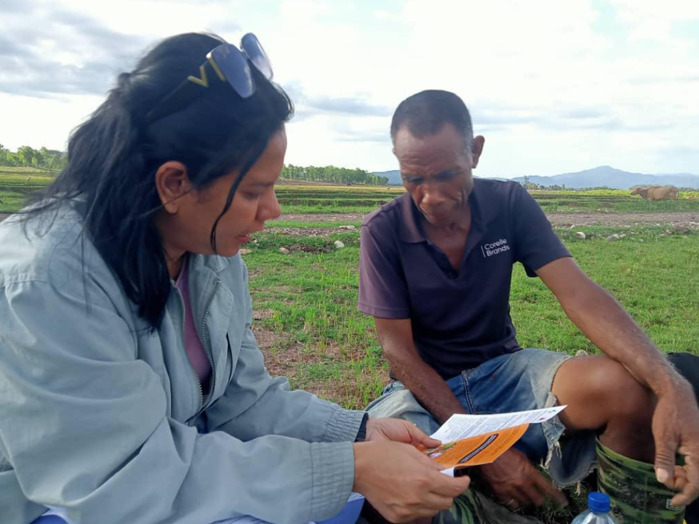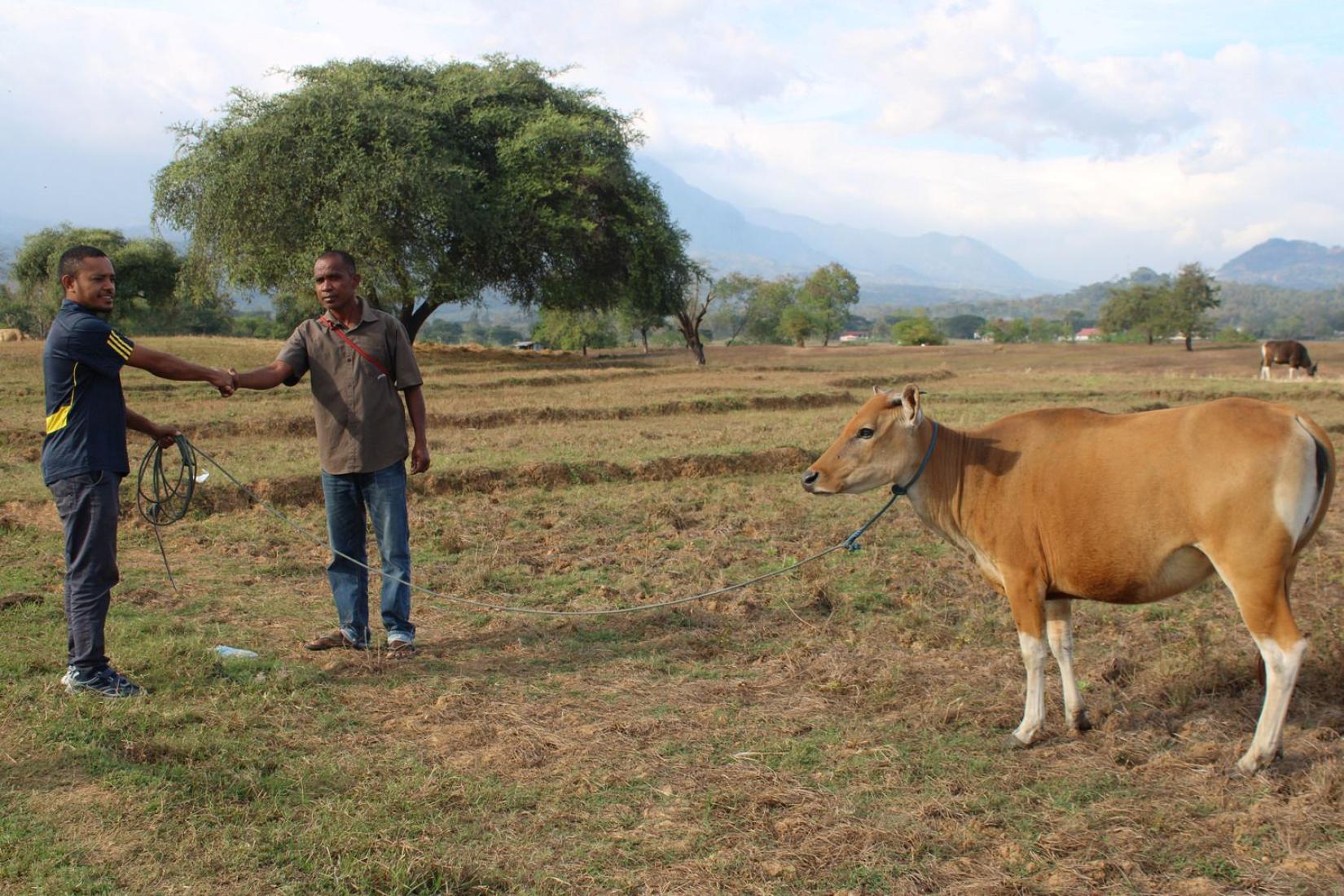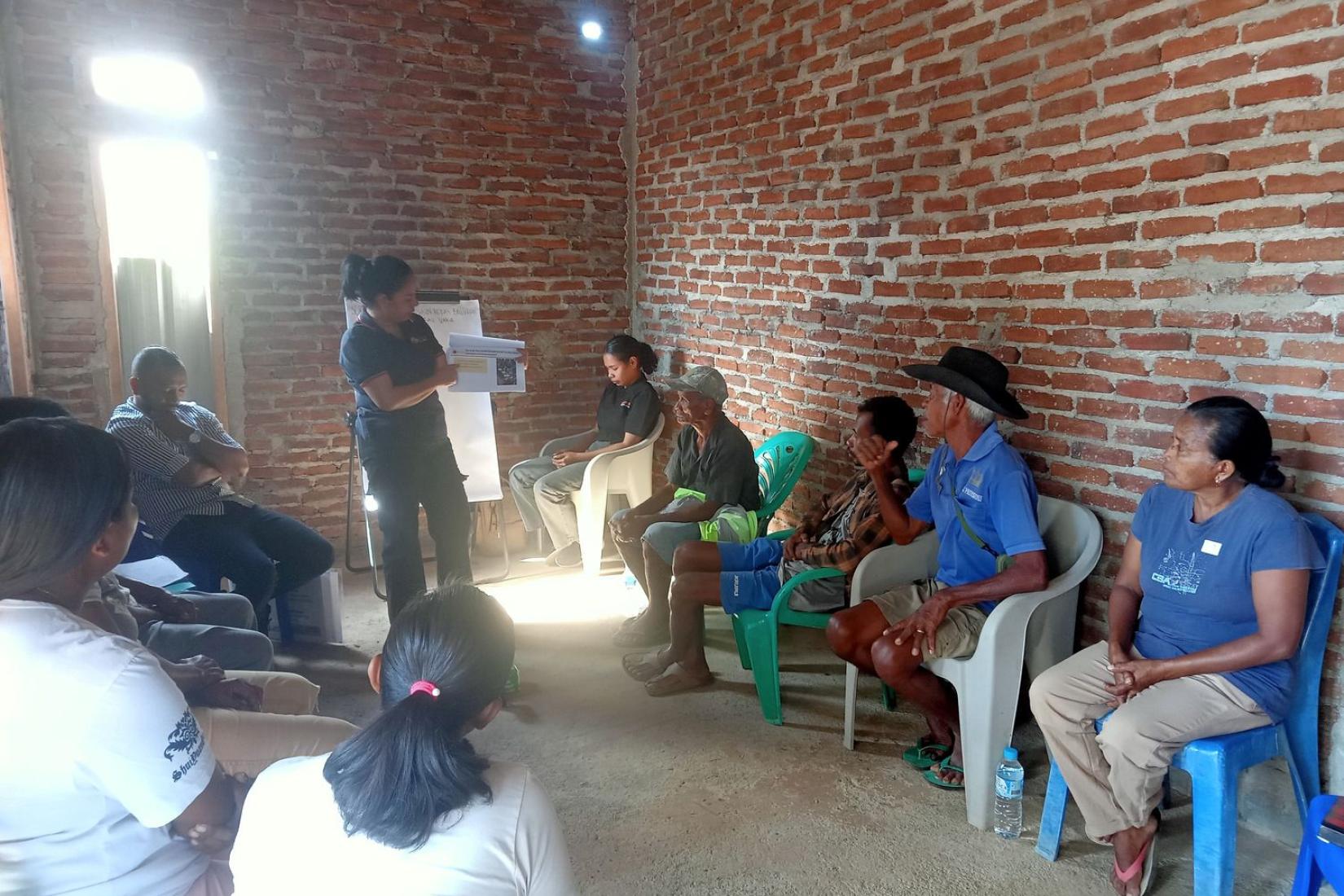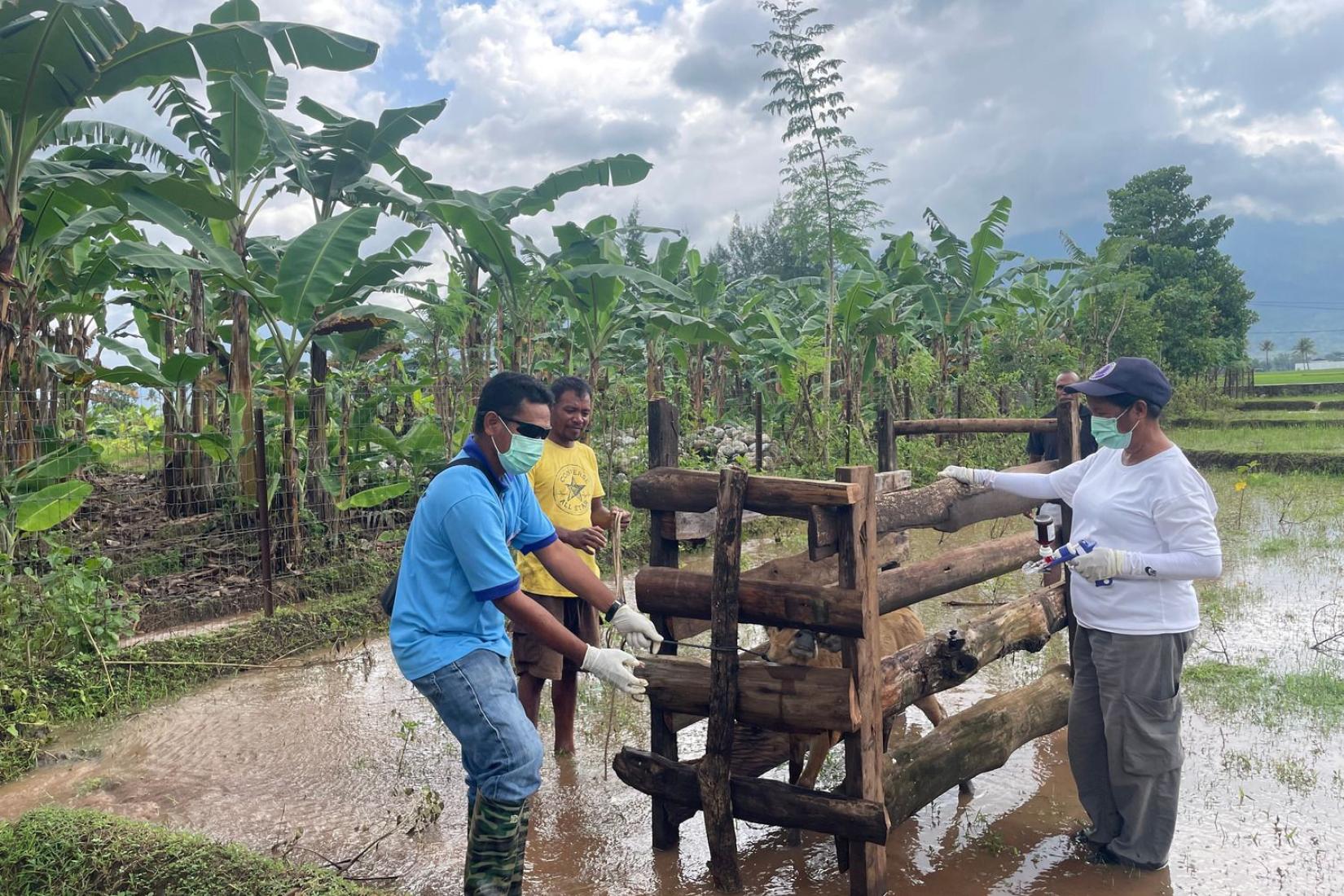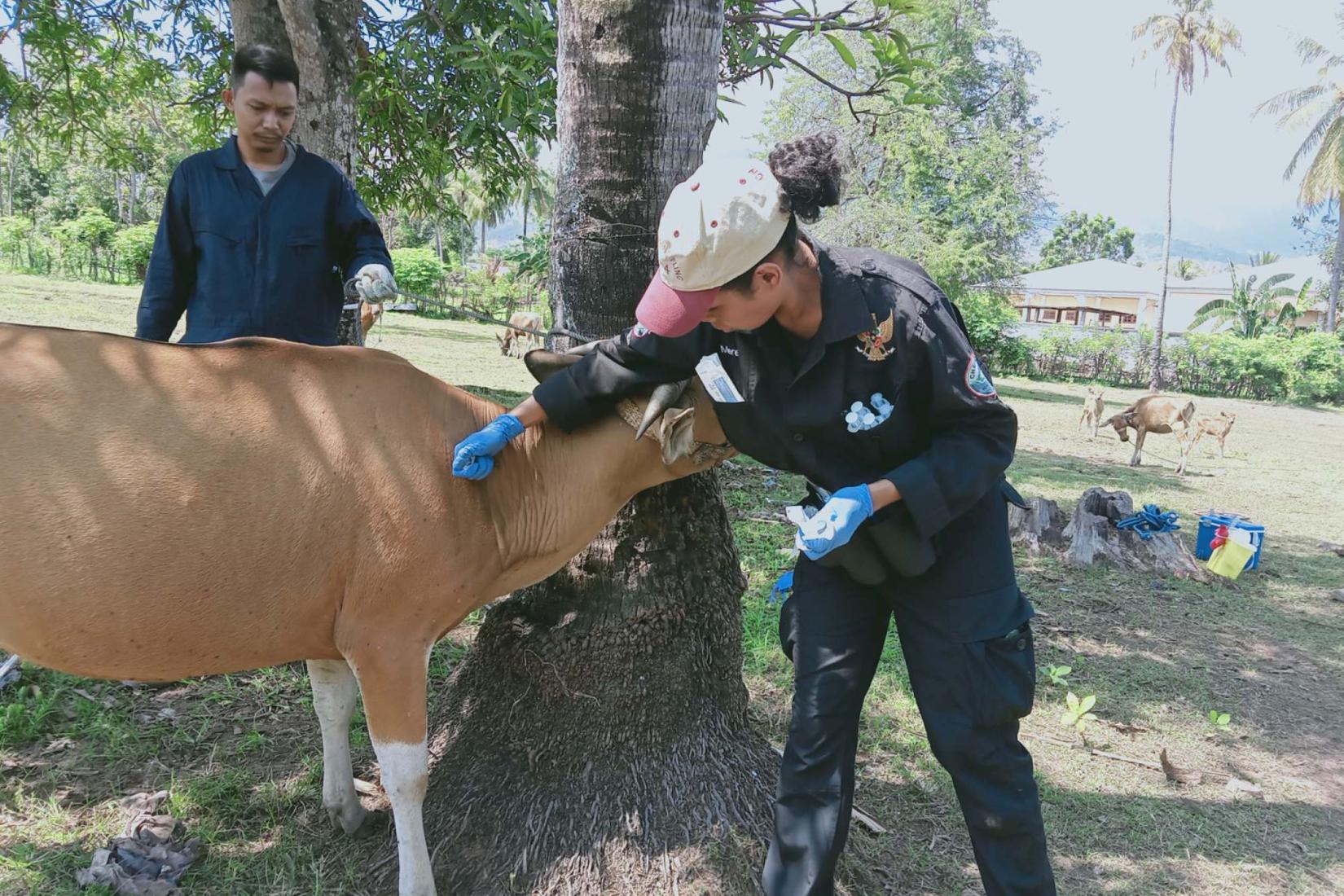


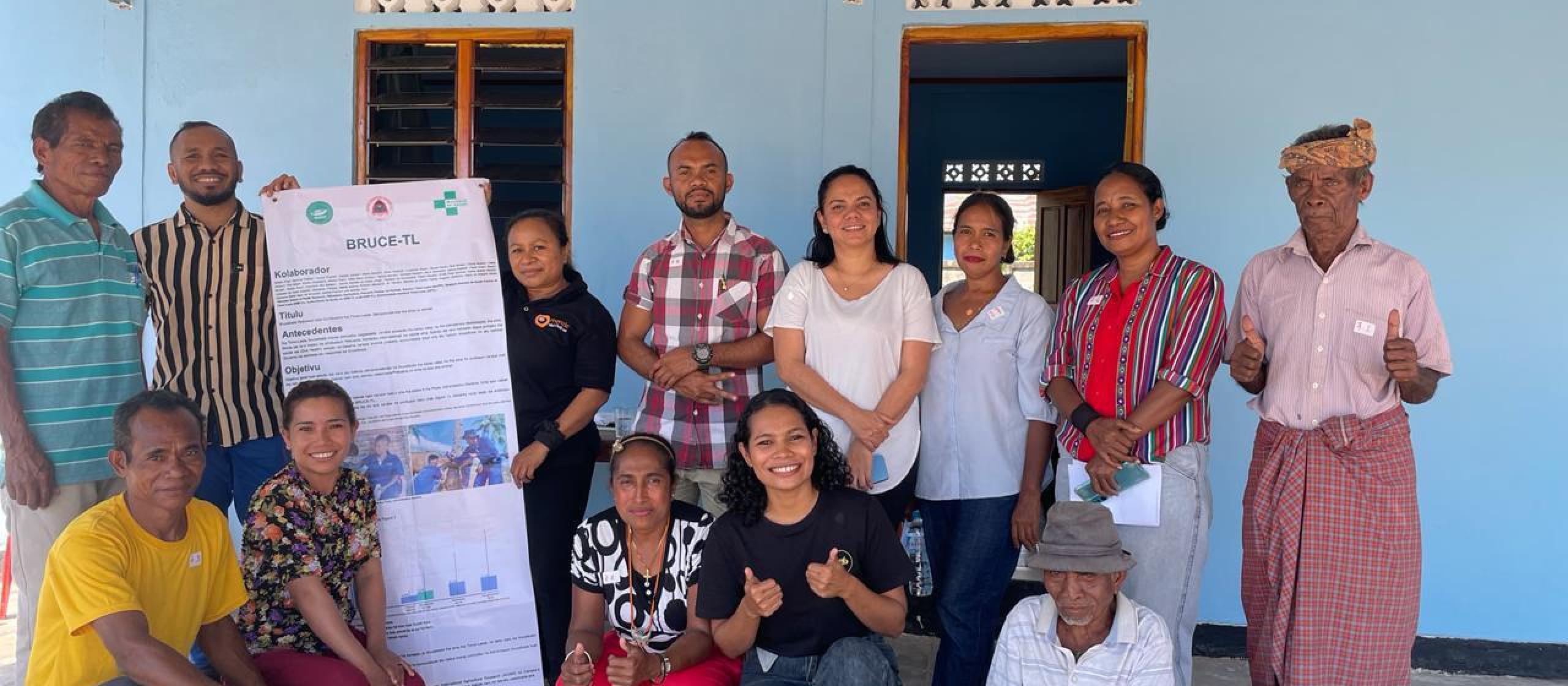


Cattle farmers in Timor-Leste are adopting safer practices to reduce brucellosis risks, supported by an ACIAR project, co-funded with Canada’s International Development Research Centre (IDRC).
The project, to be concluded in October 2026, developed practical solutions for farmers using a One Health approach that connects human, animal and environmental health. The project also helped to strengthen collaboration between communities, researchers and government partners.
Understanding the local challenge
In rural Timor-Leste, cattle are an important source of income and hold significant cultural value for many families. Yet they are vulnerable to brucellosis, a zoonotic disease that can be transmitted to humans via contact with infected animals and their products.
Brucellosis affects cattle health and productivity while also posing serious risks to human wellbeing.
In many Timorese communities, livestock practices are strongly shaped by traditions. Some practices, such as handling or consuming animal birth materials, can increase the risk of infection.
While brucellosis is recognised as a priority by Timor-Leste’s agriculture and health sectors, limited disease detection capacity and the absence of a coordinated national control strategy add to the challenge.
Against this backdrop, locally designed approaches introduced through the project are leading to tangible changes.
Image