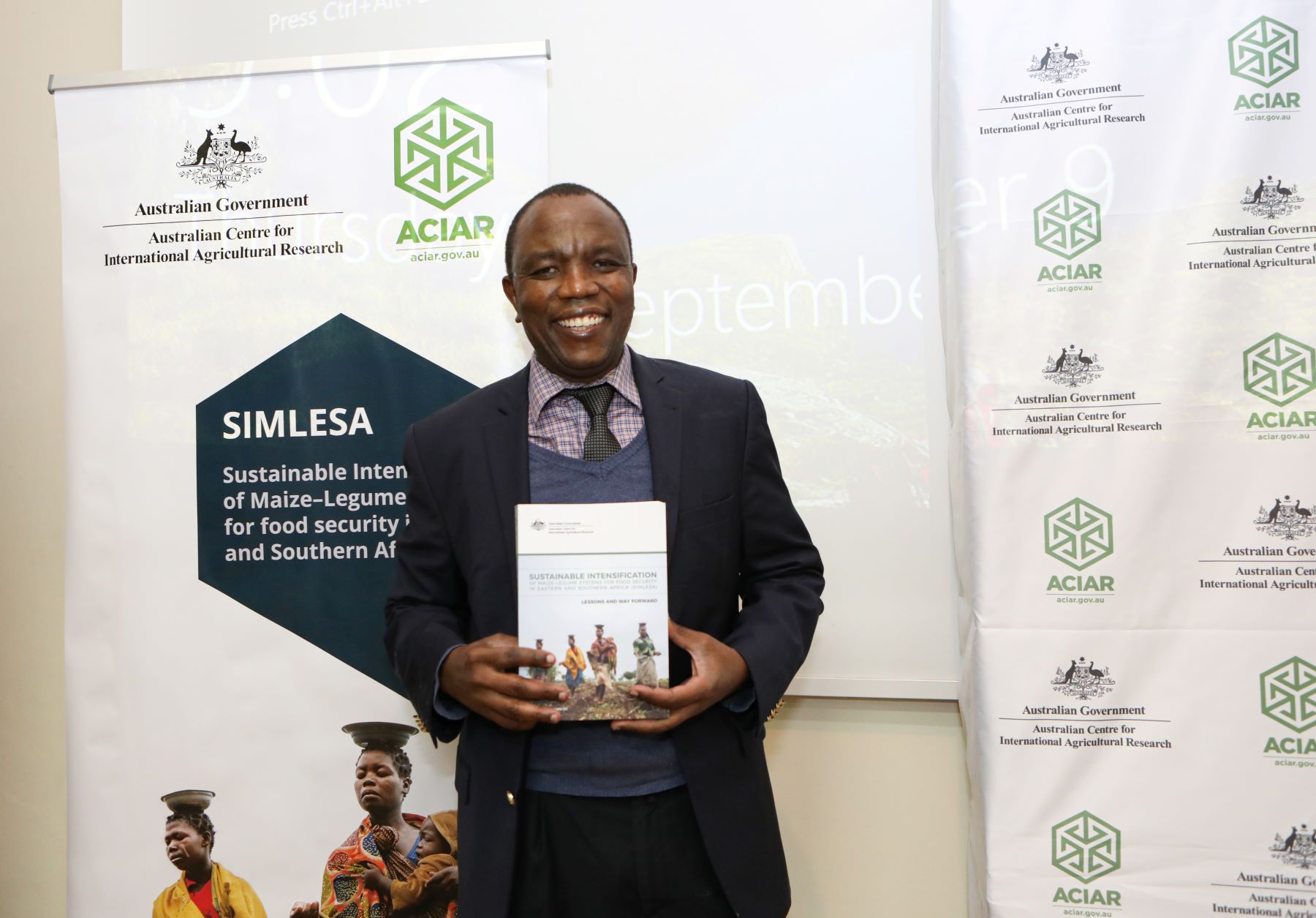




In 2019, Ms Dailess Kasawala was voted by her peers as the best smallholder female farmer in Malawi. Her win in the national competition was part of activities organised through the ACIAR-supported Sustainable Intensification of Maize-Legume Cropping Systems for Food Security in Eastern and Southern Africa (SIMLESA) project.
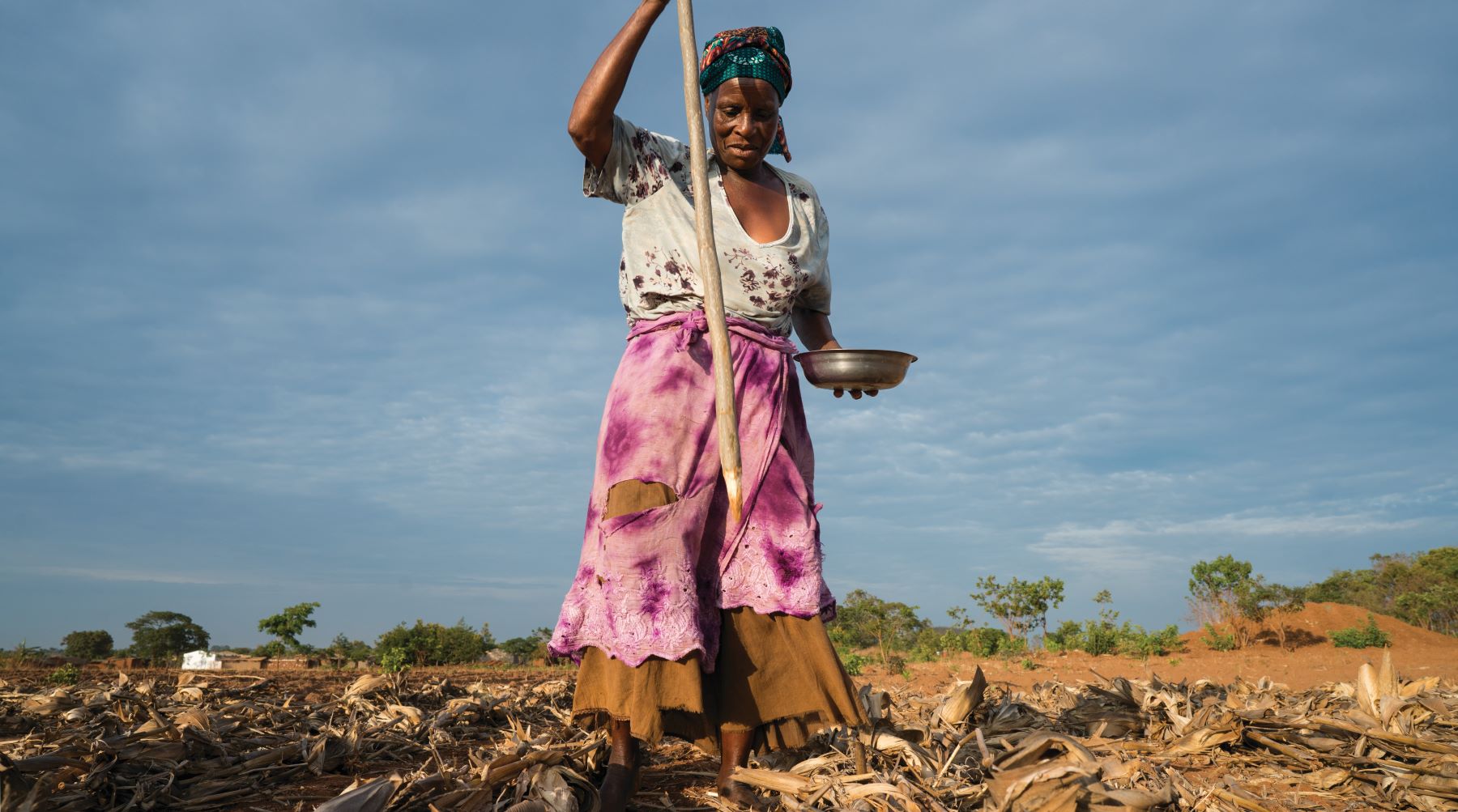
Then aged 71, Ms Kasawala had introduced conservation agriculture (CA) practices taught through SIMLESA. By retaining crop residues and introducing soya bean to her 4-acre maize enterprise, she had reduced her physical labour load, improved soil health and increased yields and profits.
‘Fortunately, I find that due to modern methods of farming I am learning, the work is not too hard. Even though I am an elderly woman, I can plant something and rest assured that I will get some food,’ said Ms Kasawala at the time.
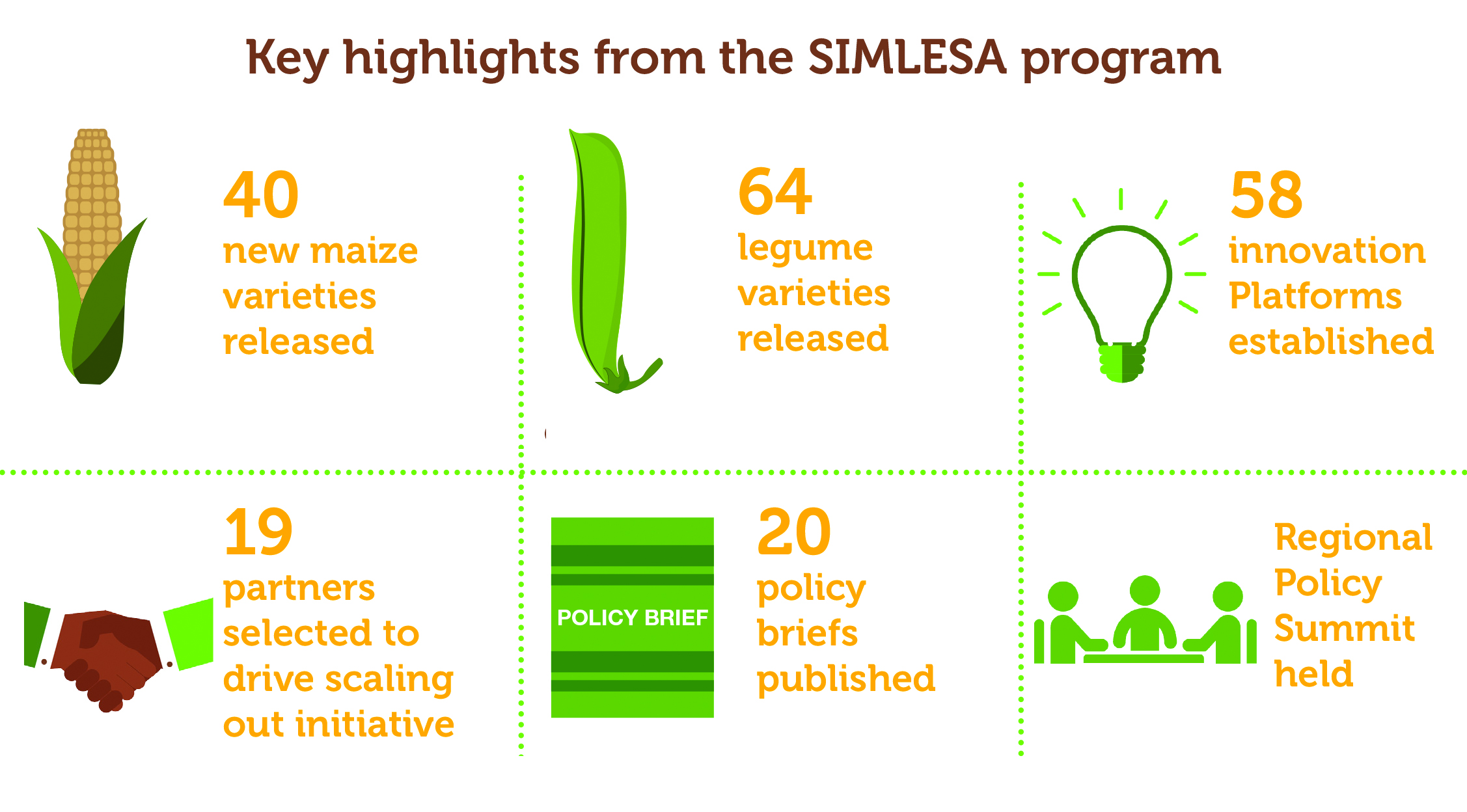
Today, Ms Kasawala is one of more than half a million smallholder farmers across 7 eastern and southern African countries who have benefited from the $40 million ACIAR-supported SIMLESA project.
Image
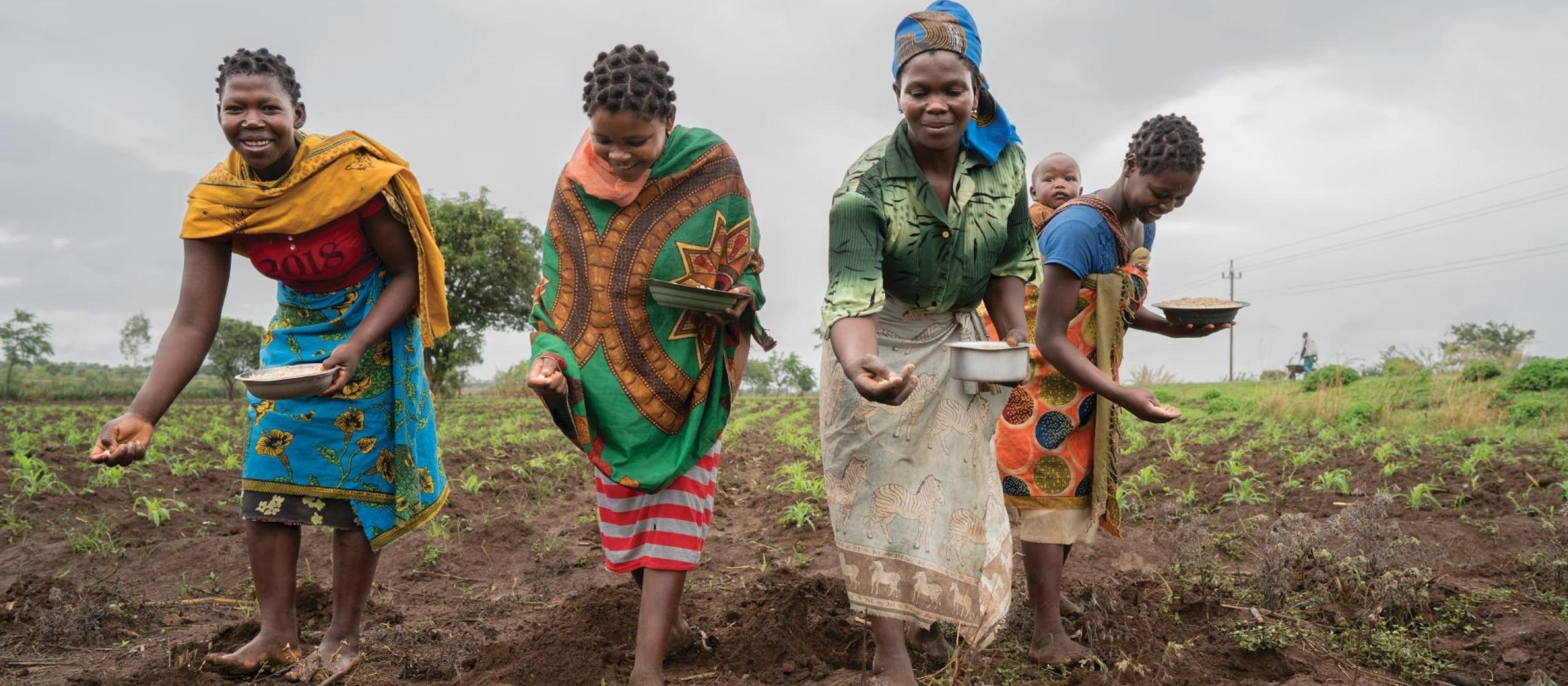
The project began in 2010 with a focus on Ethiopia, Kenya, Malawi, Mozambique and Tanzania. Initiatives later expanded into Rwanda and Uganda.
Across its 9-year tenure, the SIMLESA project saw an 8-fold increase in the number of farmers employing CA techniques – from 4% to 35%. This provided an estimated economic return of $4 for every $1 invested.
Five years after the project ended, adoption of practices such as zero or minimum tillage and diversifying maize systems with legumes and mulching continue to expand. Along with this have been increasing economic, social and environmental benefits both on-farm and across the supply chain.