Deputy High Commissioner highlights collaborative approach at workshop in Kenya
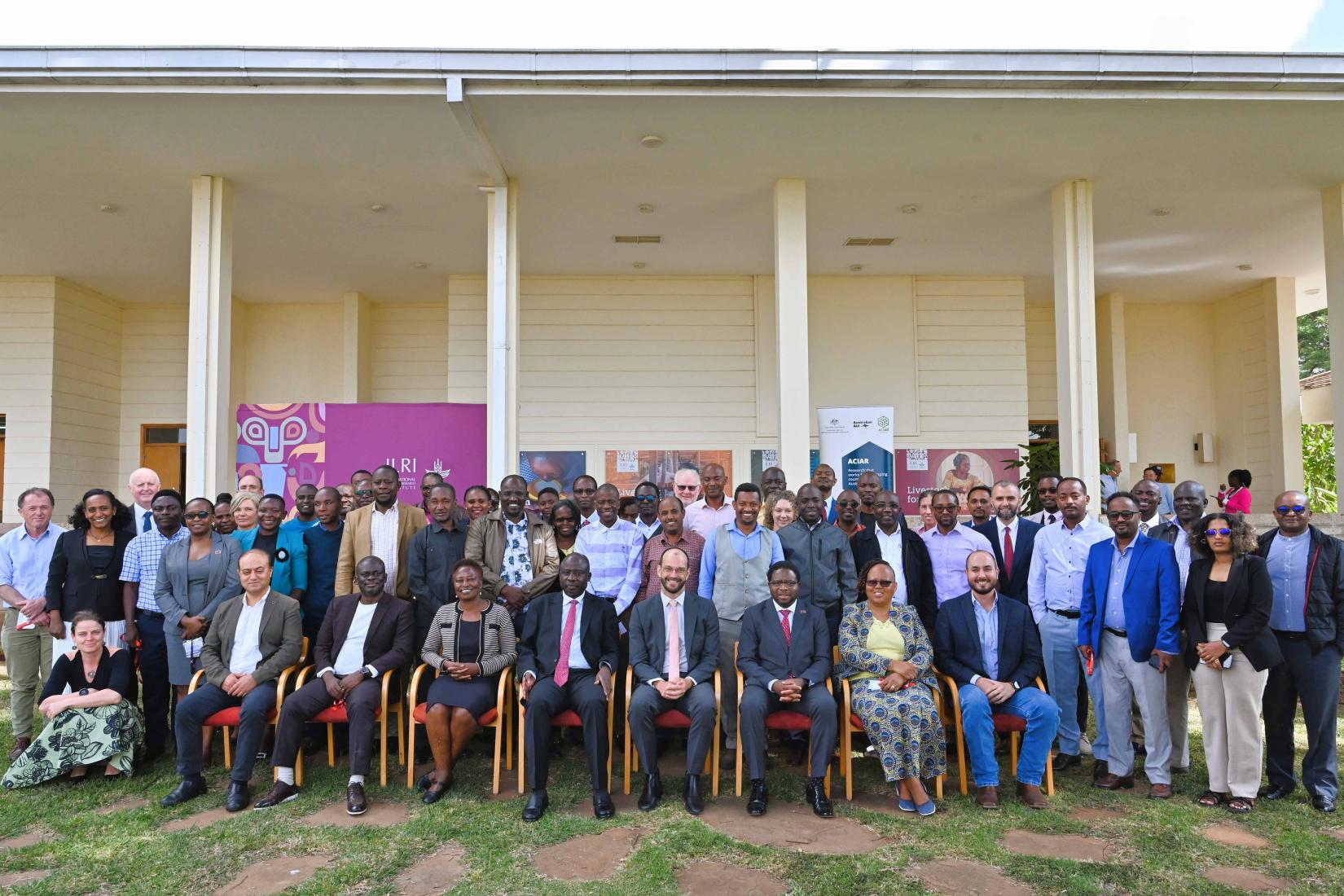
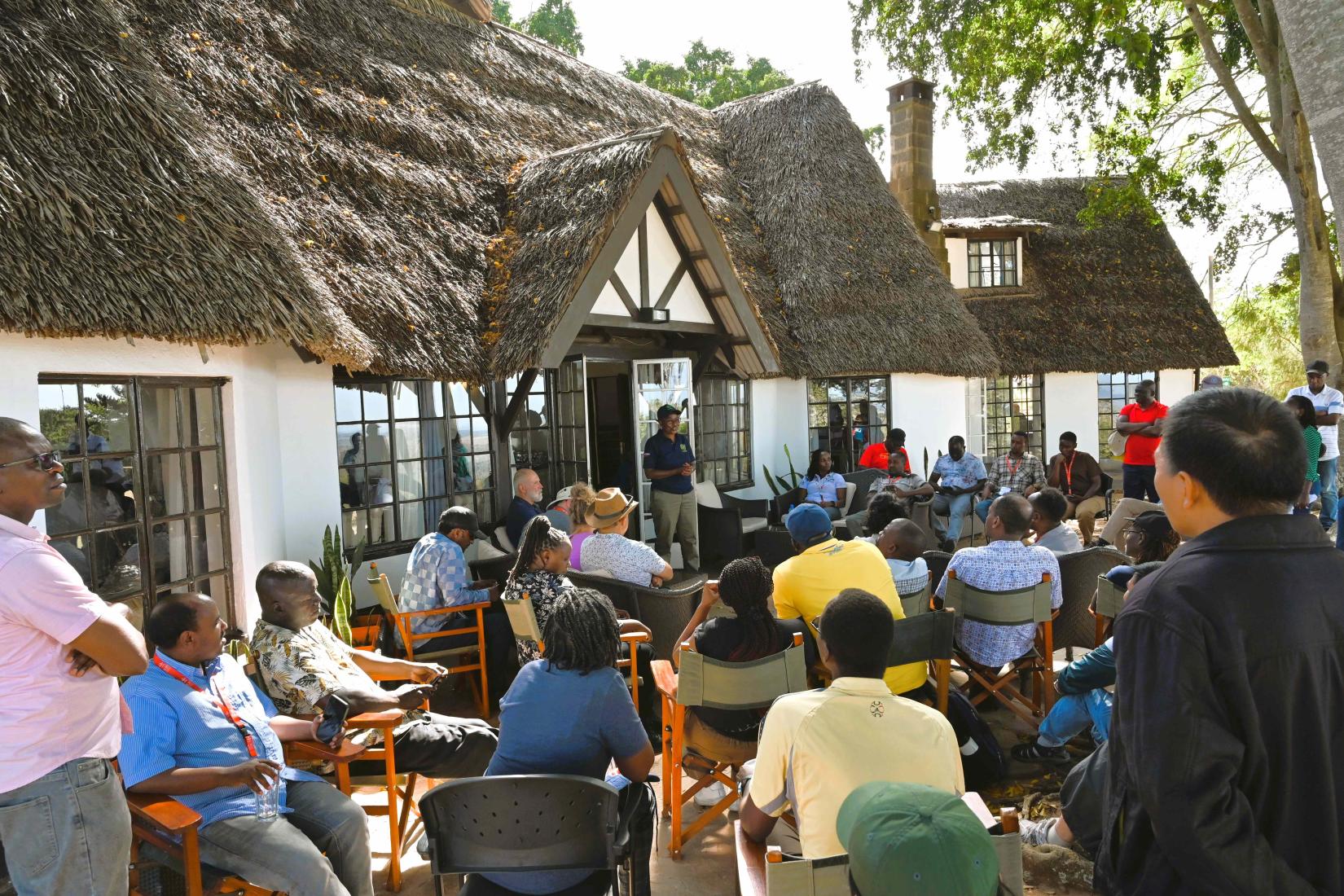
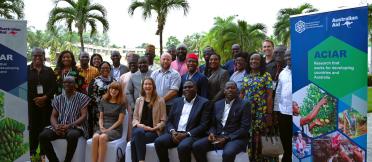
January’s workshop in Nairobi on climate-smart livestock operations convened researchers, policymakers, universities and development partners from Africa and Southeast Asia to strengthen scientific, institutional and policy responses to climate change in livestock systems.
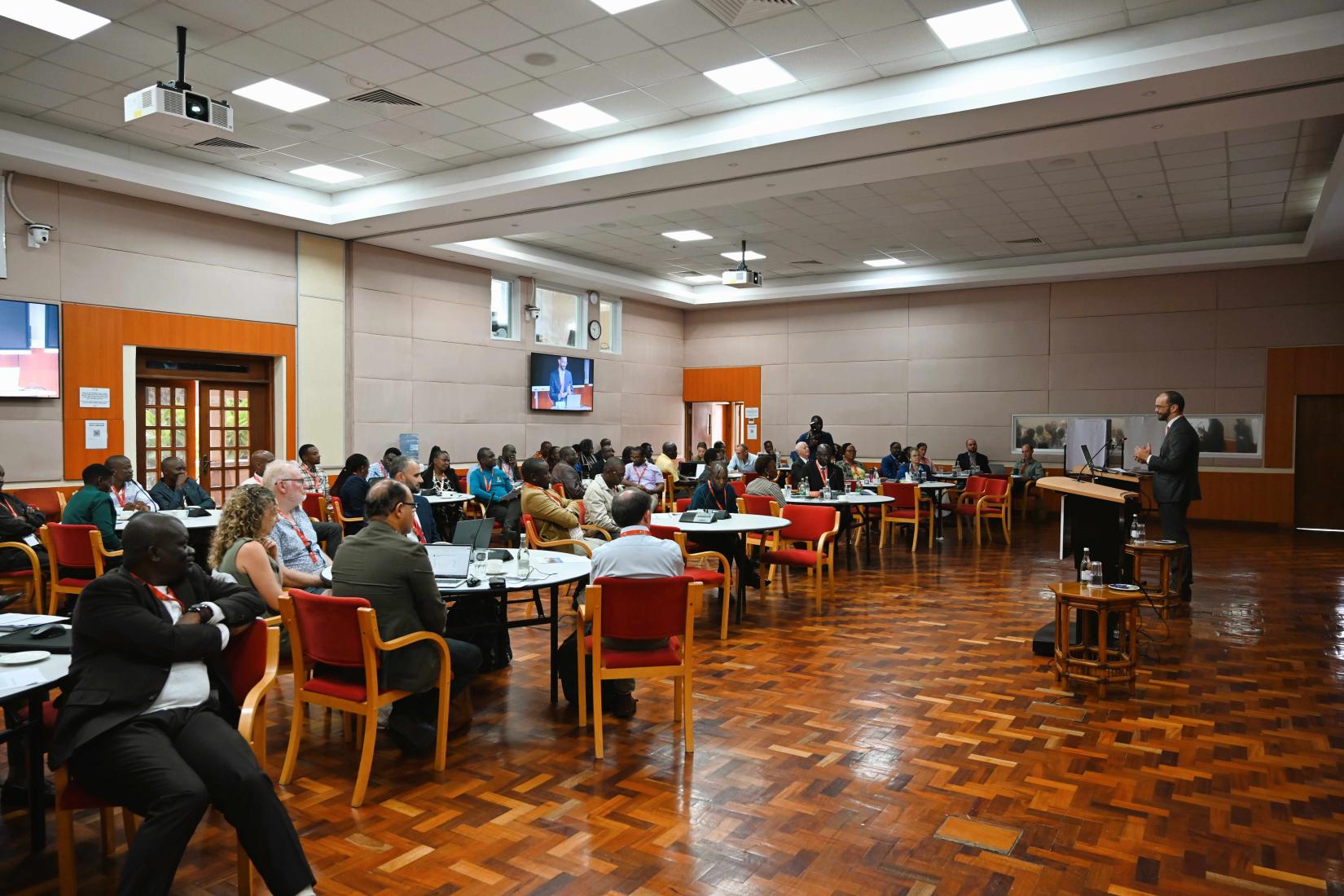
Speaking at the workshop, Mr Christopher Ellinger, Australia’s Deputy High Commissioner to Kenya, emphasised the importance of research partnerships that deliver shared benefits.
Australia’s development partnerships are grounded in the belief that strong research collaboration delivers shared prosperity.
Australia’s development partnerships are grounded in the belief that strong research collaboration delivers shared prosperity.
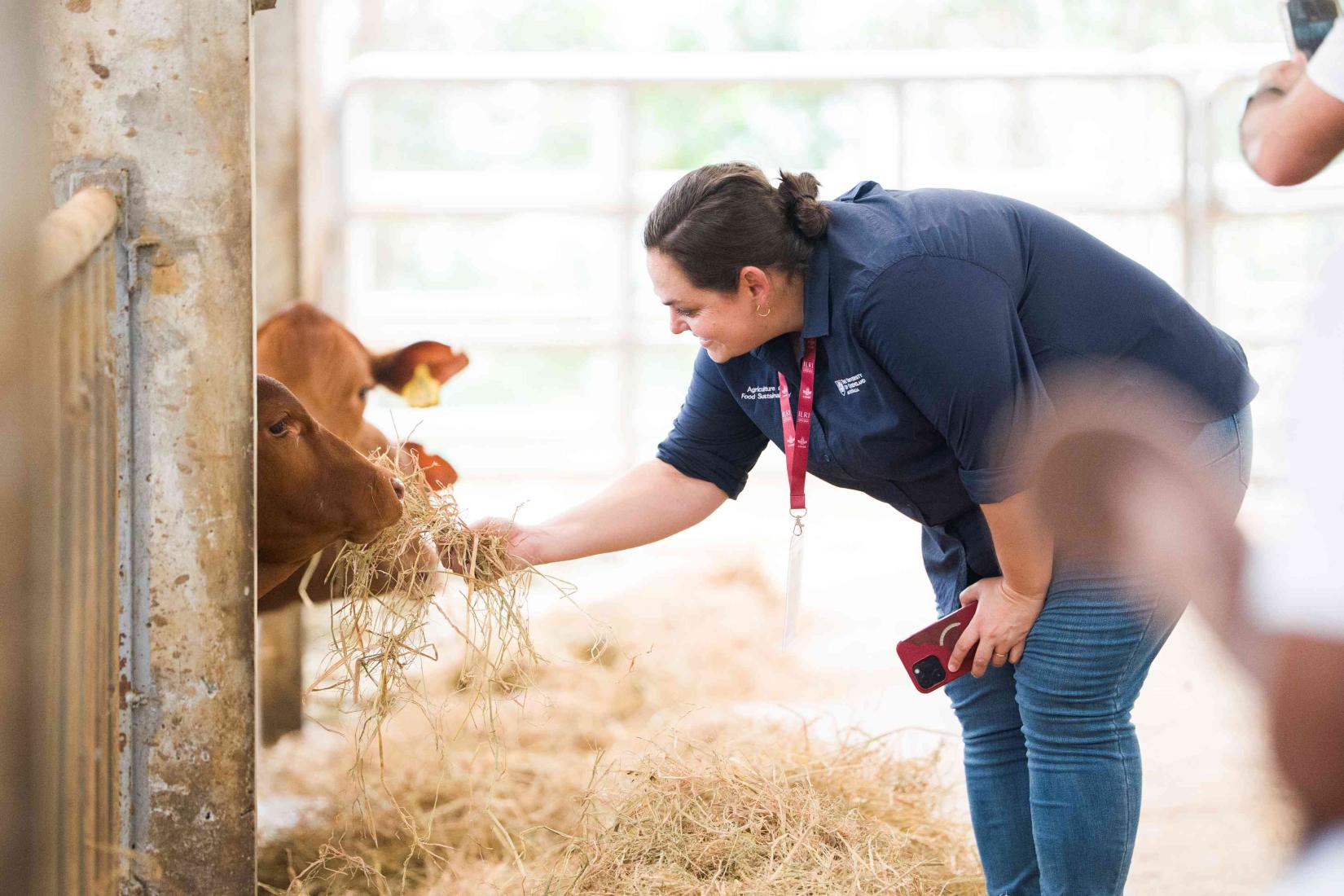
Through ACIAR, Australia is working with ILRI and leading Australian universities to support climate-smart livestock research that strengthens food security and resilience in partner countries, while also contributing to global knowledge that benefits Australia, Africa, and Asia.’
Mr Christopher Ellinger,
Australia’s Deputy High Commissioner to Kenya
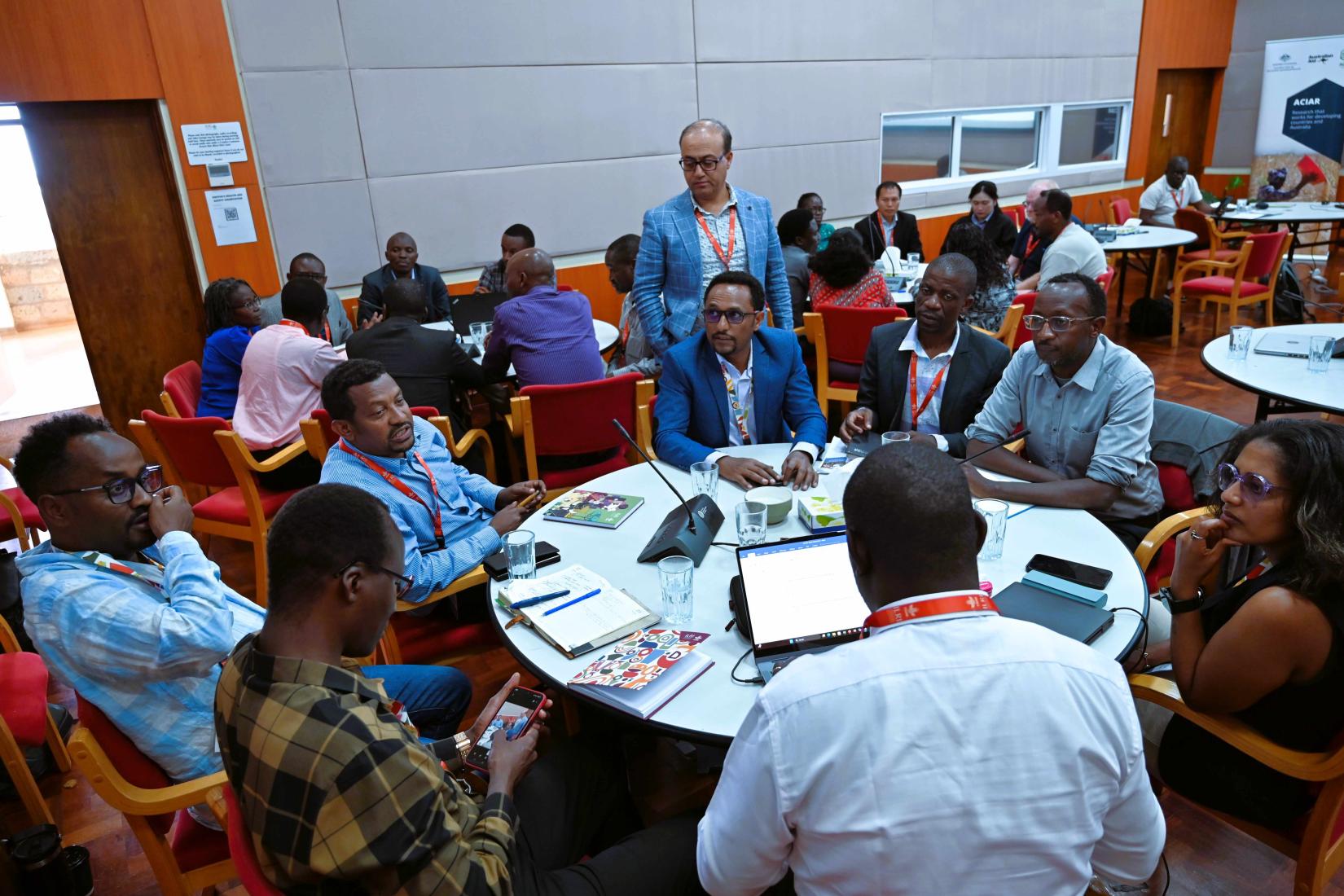
Discussions during the Nairobi workshop focused on aligning research and innovation with national priorities, financing pathways and implementation readiness, particularly in climate-vulnerable regions.
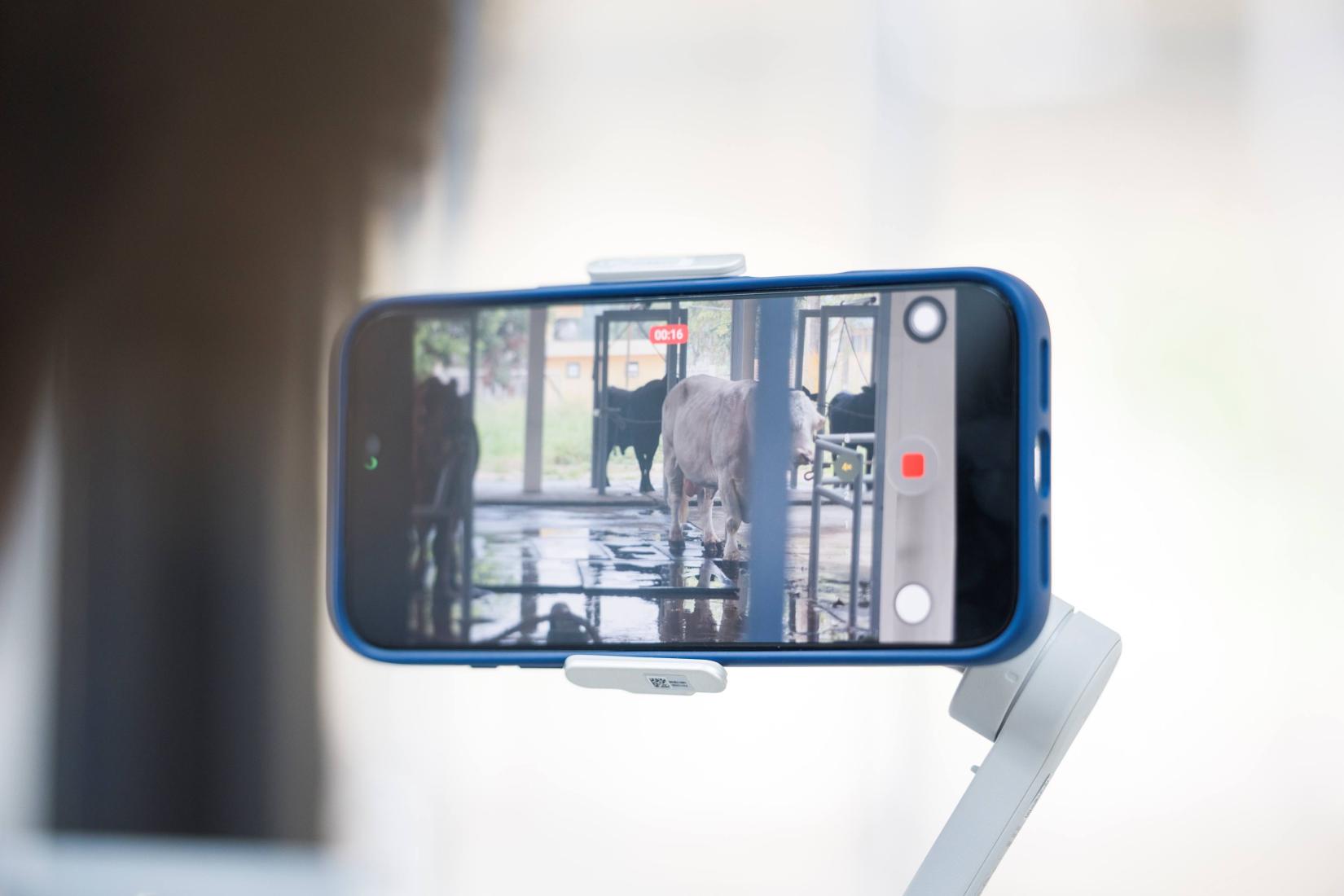
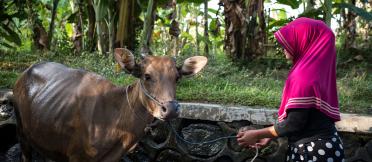
Technical sessions covered climate-resilient livestock genetics, animal health under climate stress, sustainable feeding systems, data-driven productivity measurement, and methane emissions reduction.
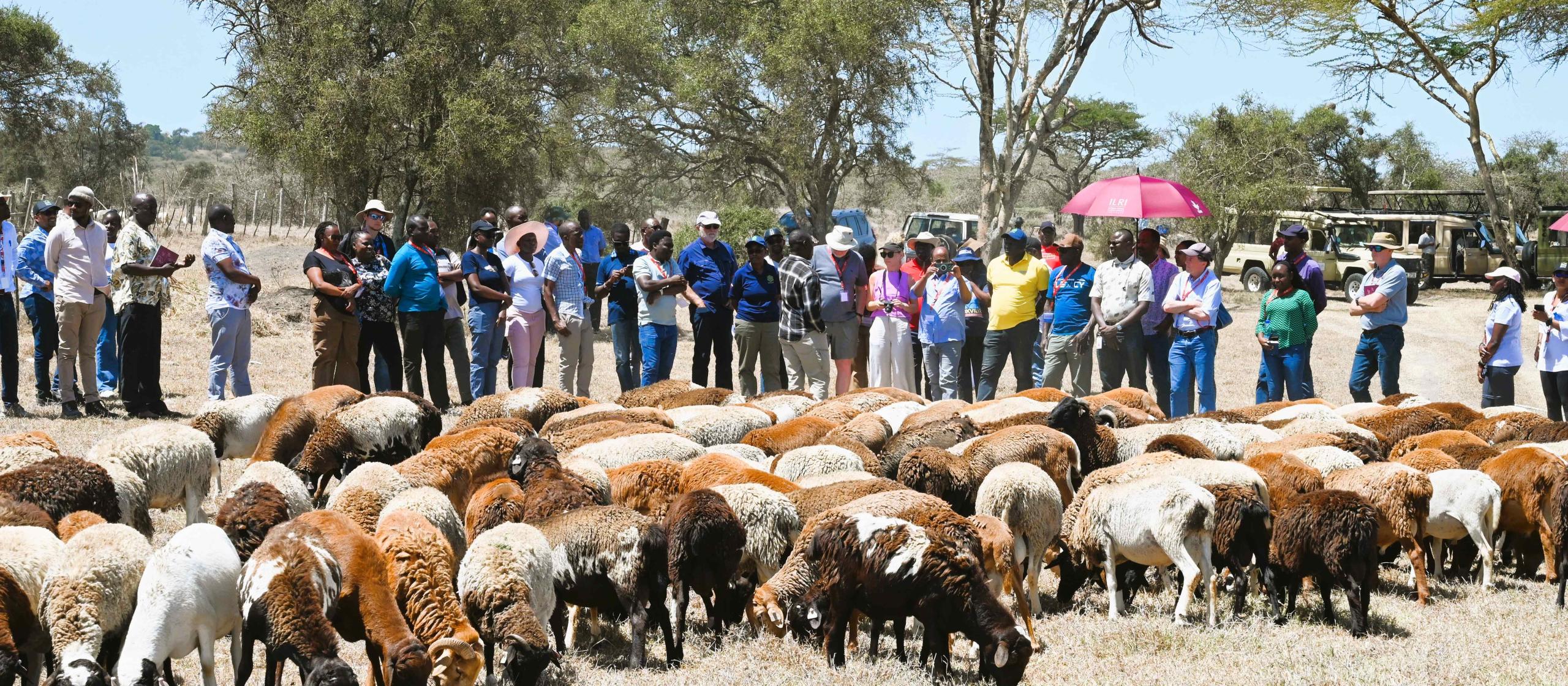
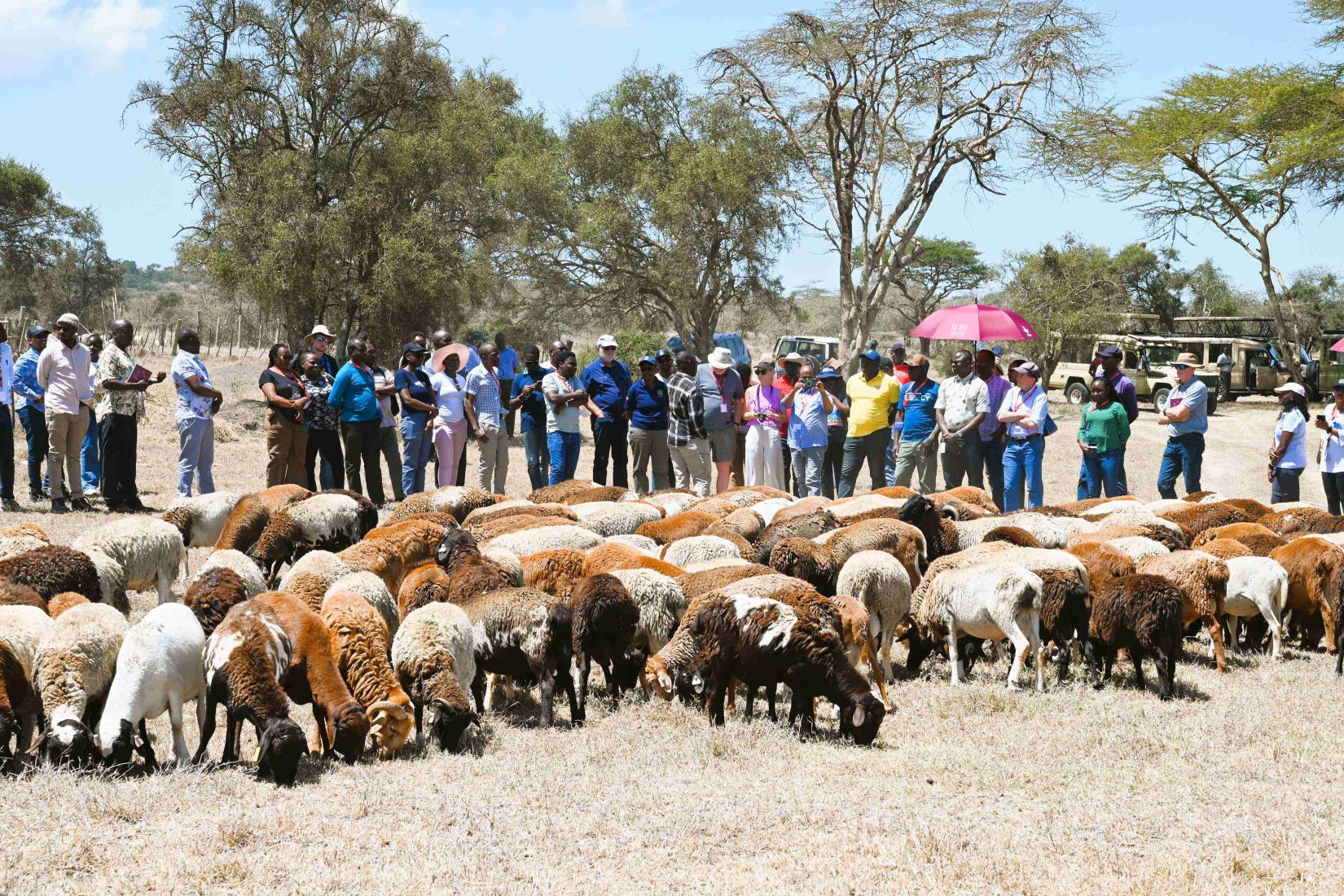
Participants also undertook a field visit to ILRI’s Kapiti Research Station to observe adaptation and emission practices in operational livestock systems.
Dr Christopher Wanga, Director of Livestock Policy and Research at the Ministry of Agriculture and Livestock Development in Kenya, said hosting the event provided an opportunity to link international science with national systems.
‘Workshops like these help ensure that regional research partnerships translate into solutions that can be taken up through existing public institutions,’ said Mr Wanga.
‘That connection is essential for turning innovation into impactful practices in operational livestock systems.’