Circular food system innovation
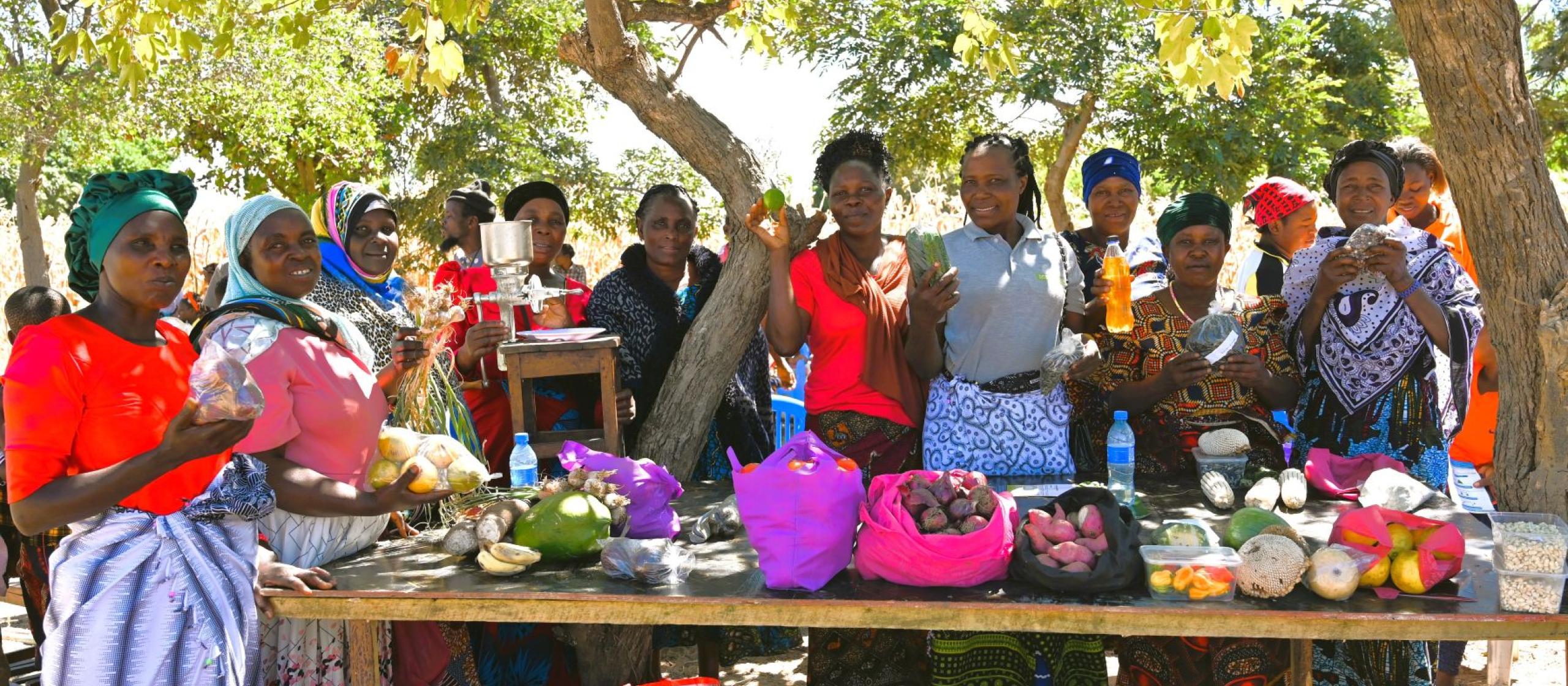
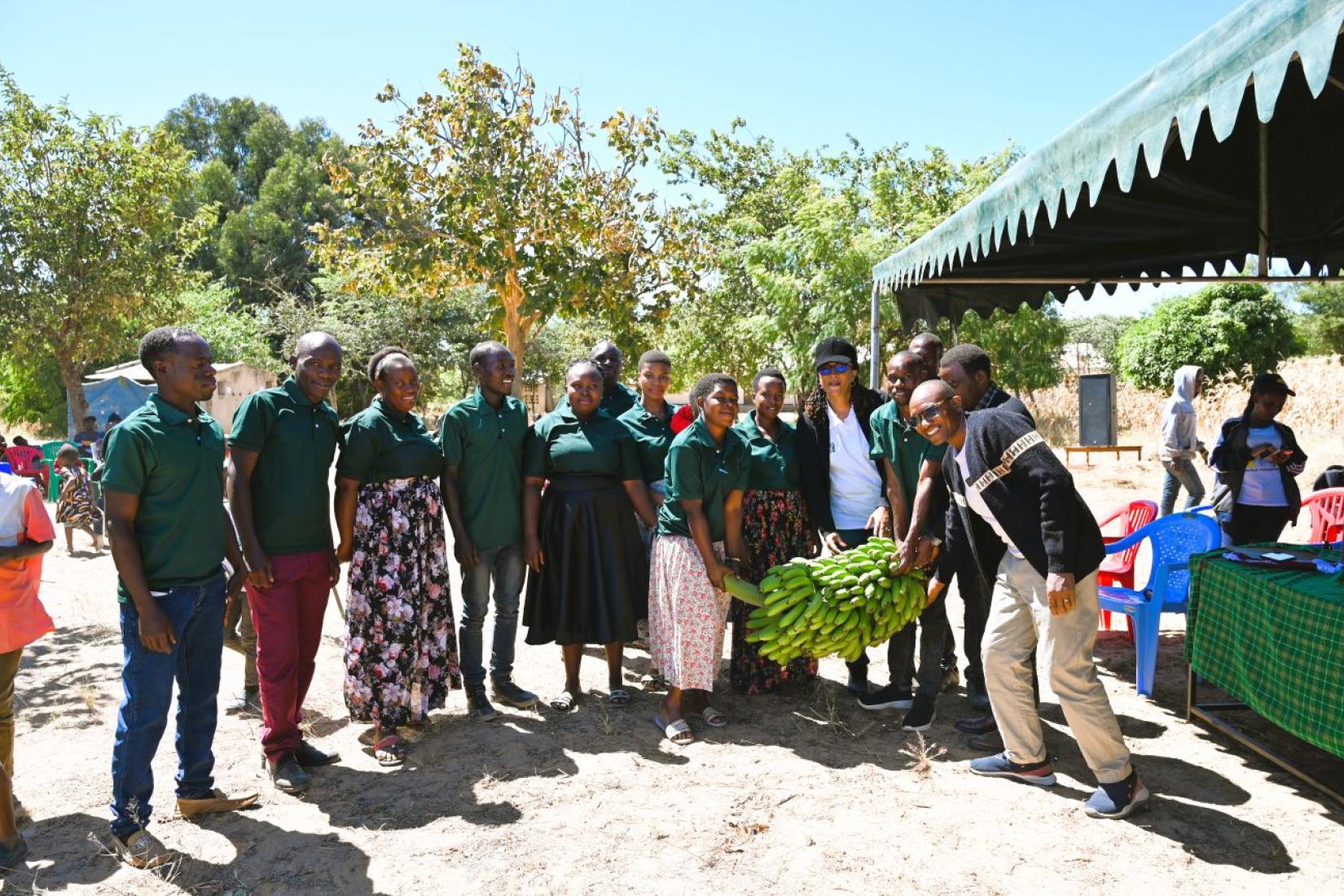
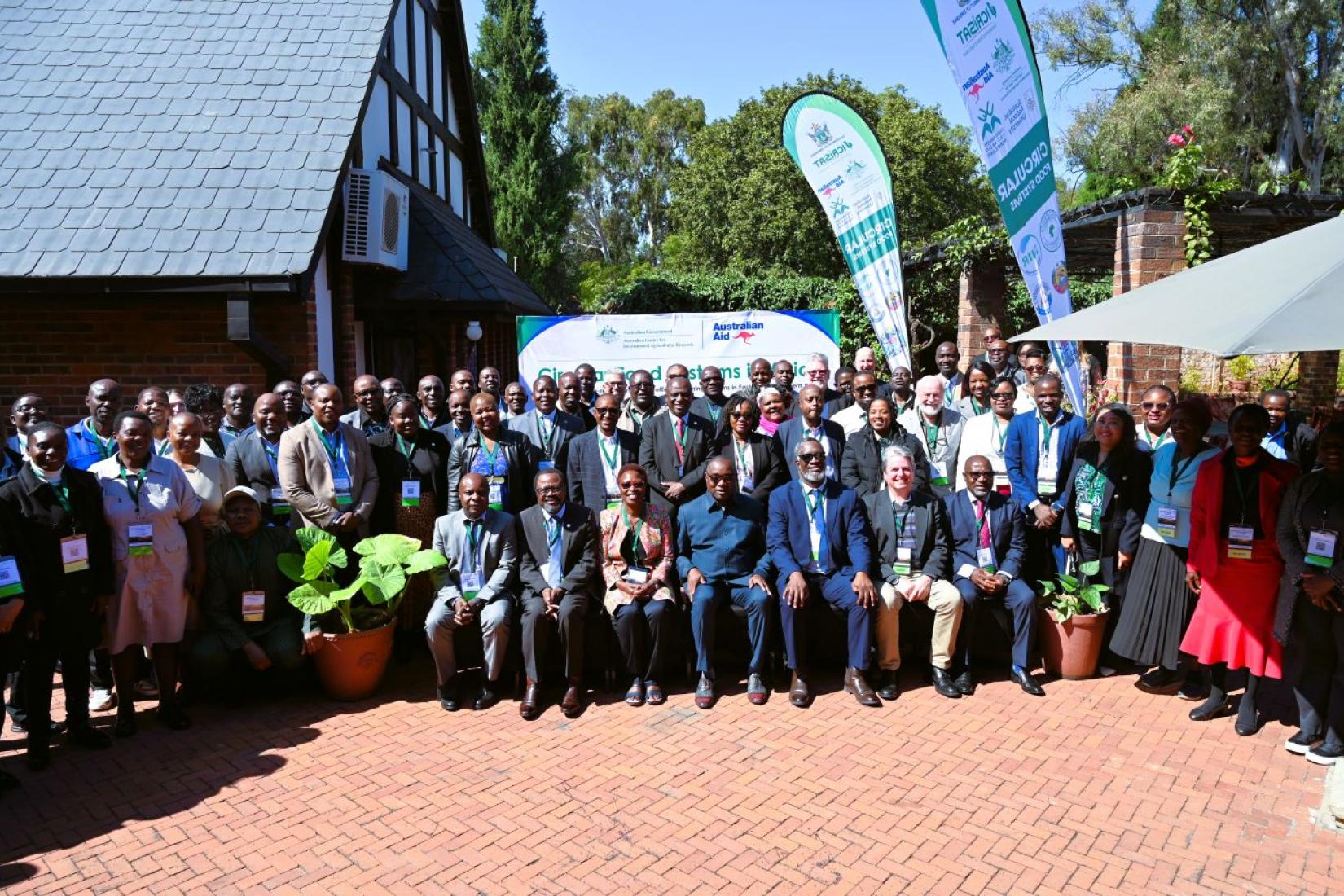
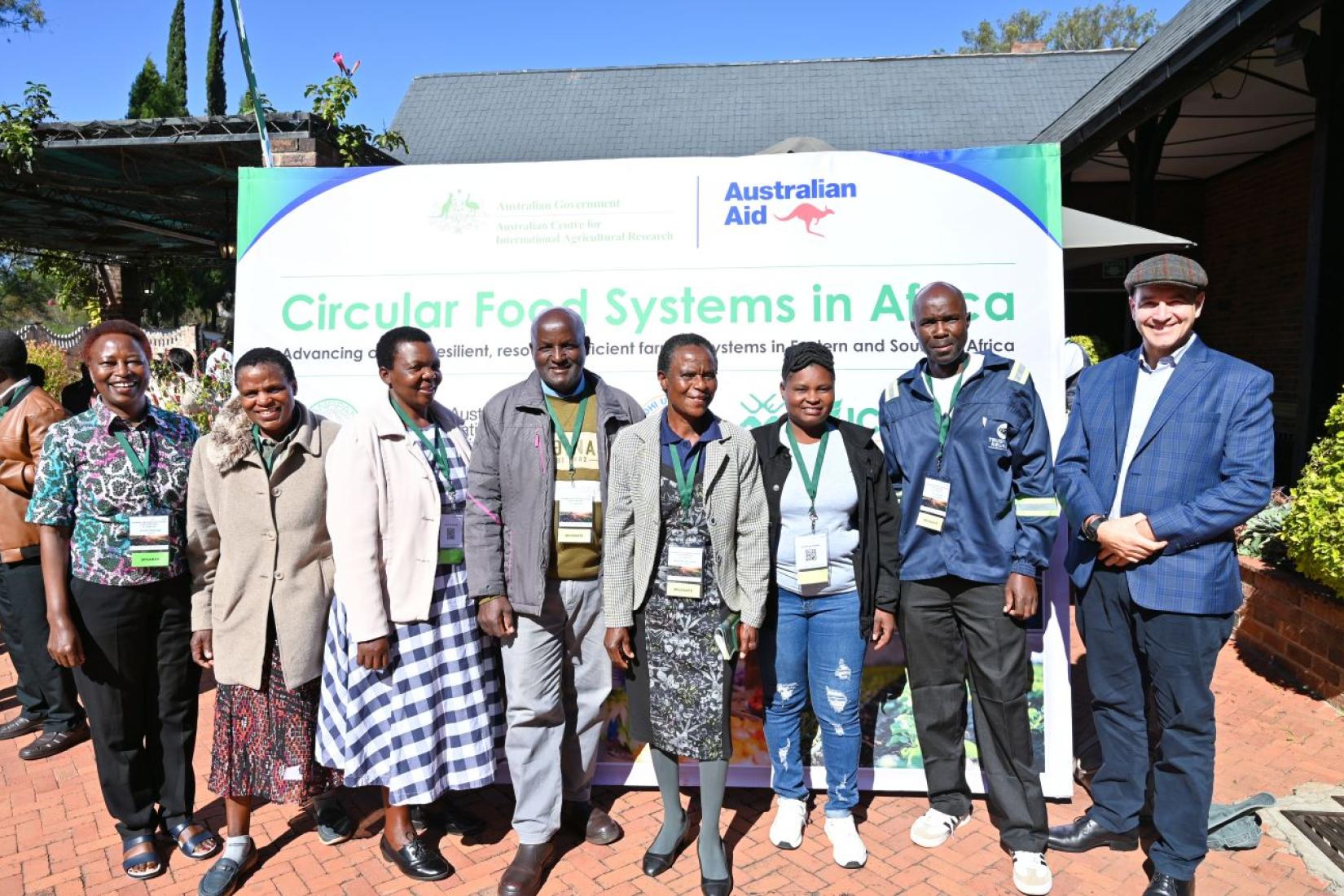
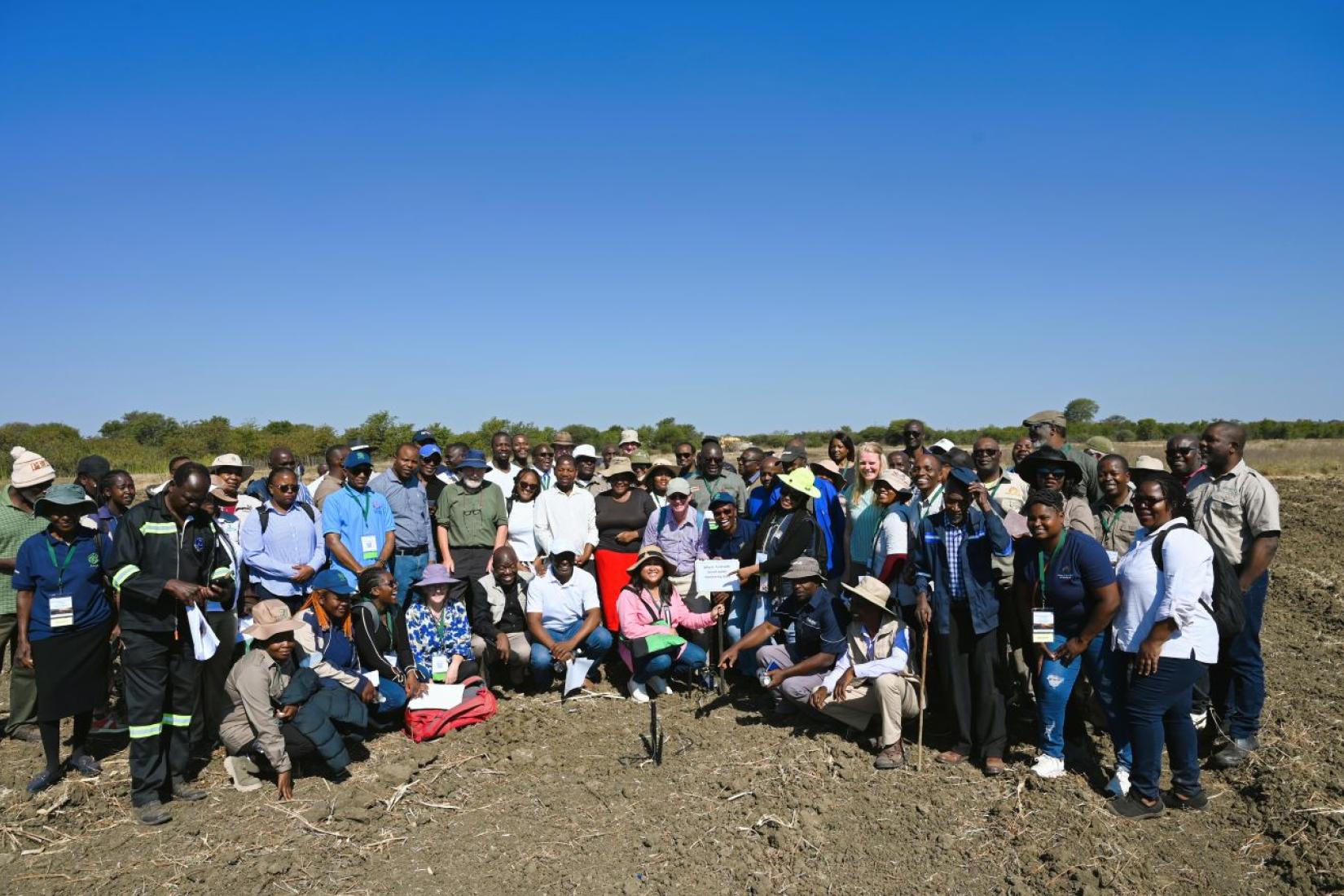
Implemented by ANU, the International Crops Research Institute for the Semi-Arid Tropics (ICRISAT), the Food, Agriculture and Natural Resources Policy Analysis Network (FANRPAN) and Ardhi University, the 2.5-year project supported more than 50 rural businesses across Mozambique, Tanzania and Zimbabwe to use agricultural resources better, reduce costly inputs and develop income-generating enterprises.
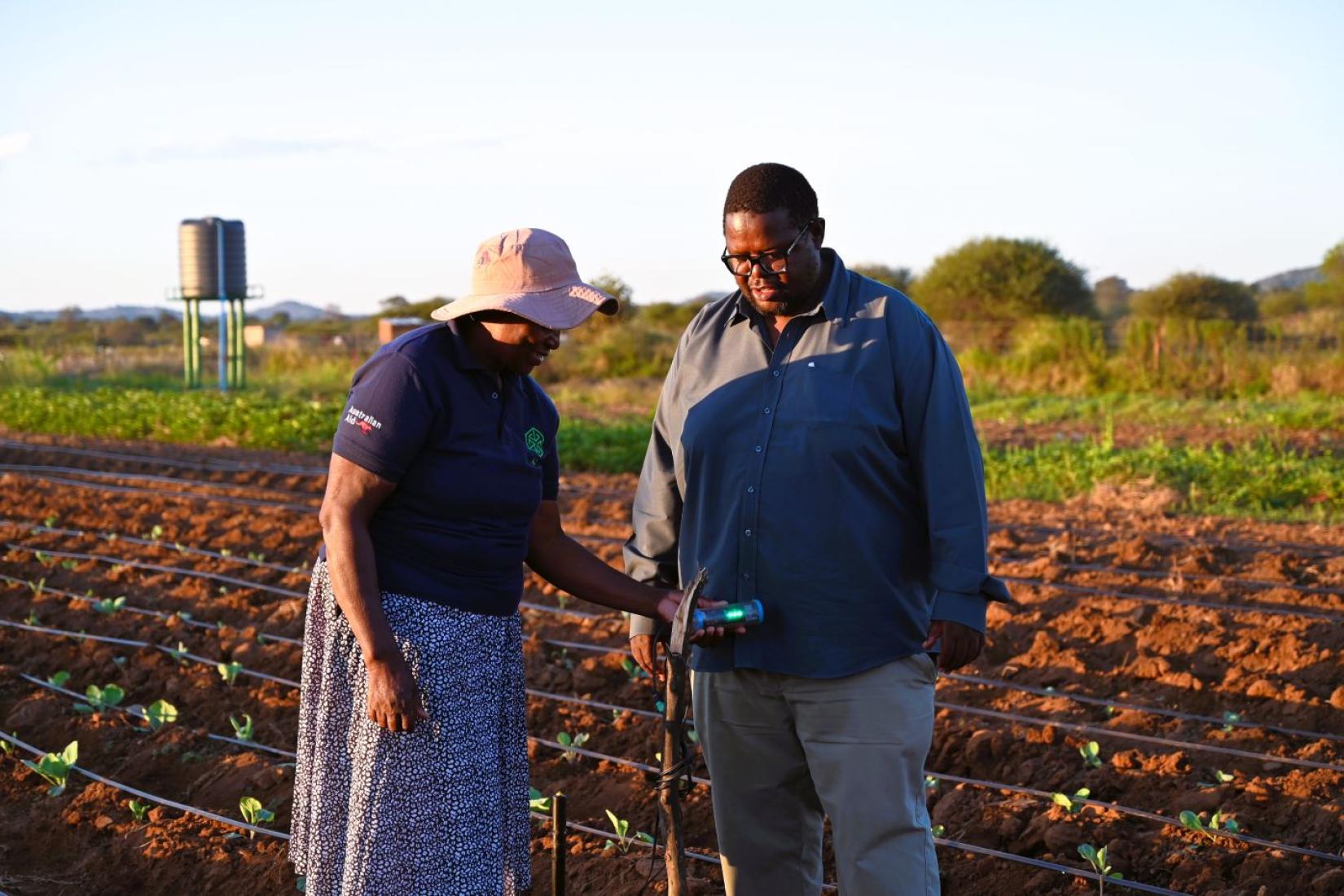
The project built on a previous investment in transforming smallholder irrigation systems, asking a simple question. Instead of treating each farming activity separately, what would it look like if the leftovers from one activity could supply another?
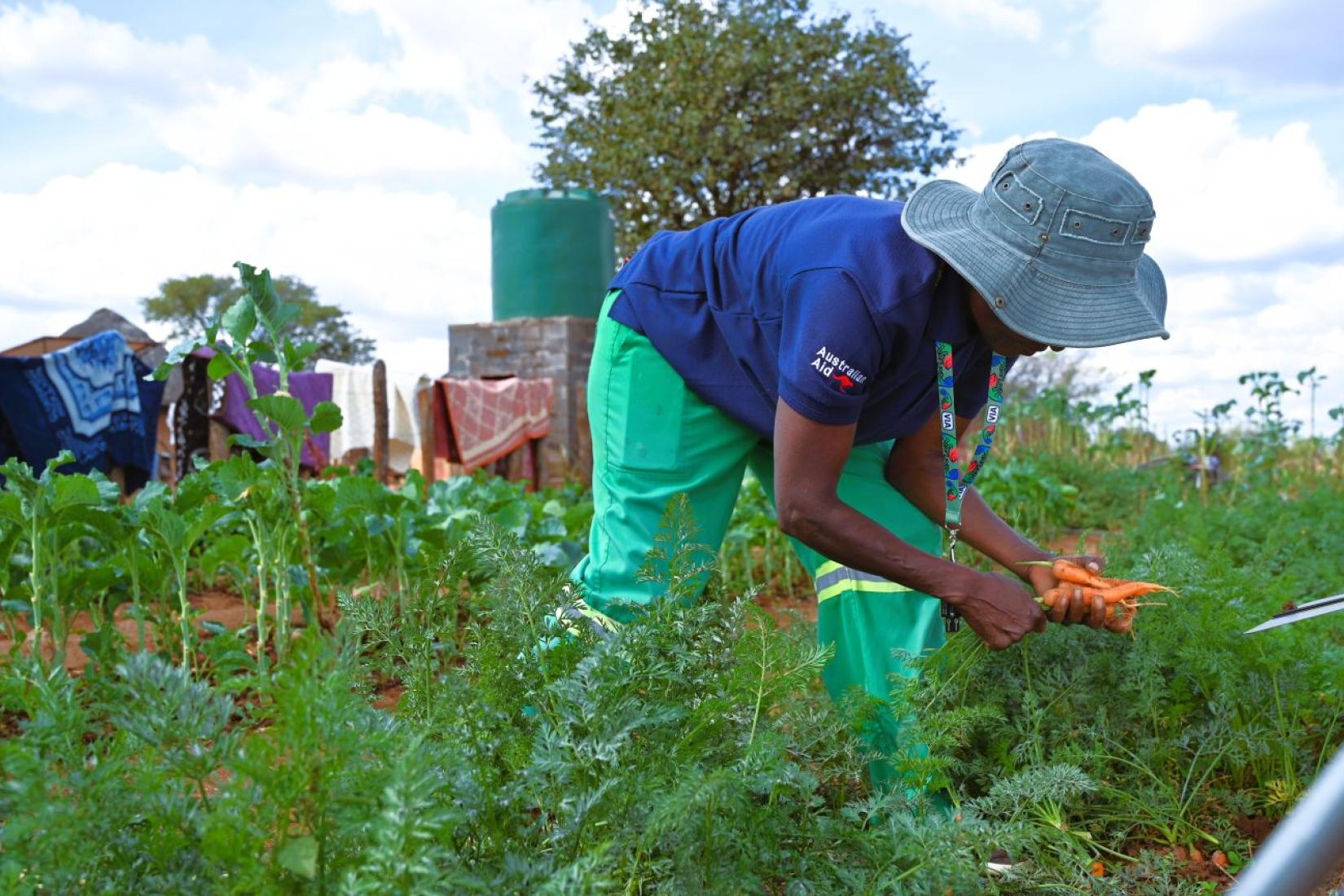
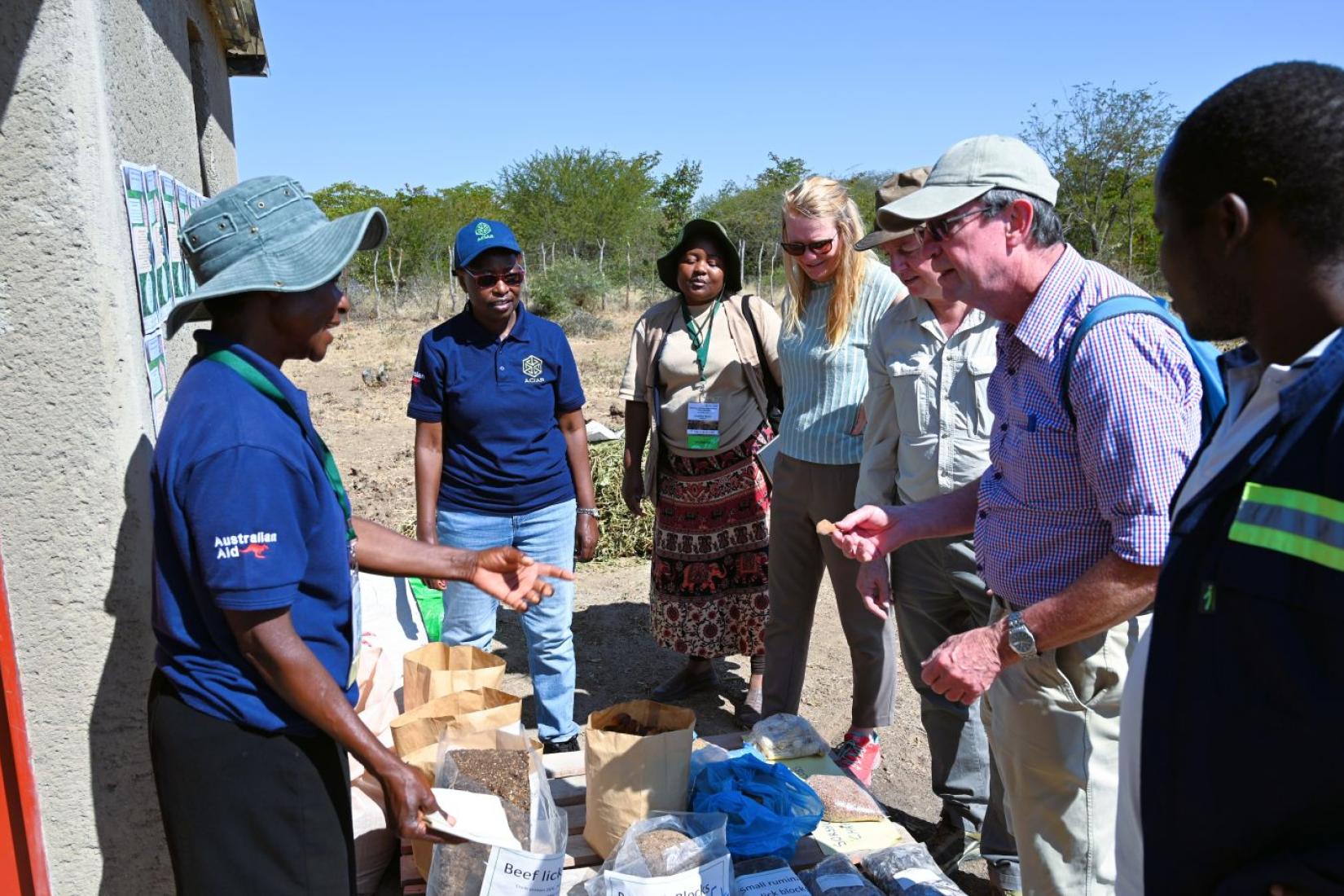
For Mrs Thandanani Dube, a farmer champion from Zimbabwe who hosts field days at her farm and shares what she knows to help others, the answer comes easily.
‘Everything you see here, I don’t throw away,’ she said. ‘Water from my fishpond nourishes my vegetables. Livestock manure fertilises the soil. Crop residues feed the animals.’
For farmers facing expensive fertiliser, scarce livestock feed and costly transport, circular practices offer savings they can see.
And the success stories emerging from project countries are compelling.
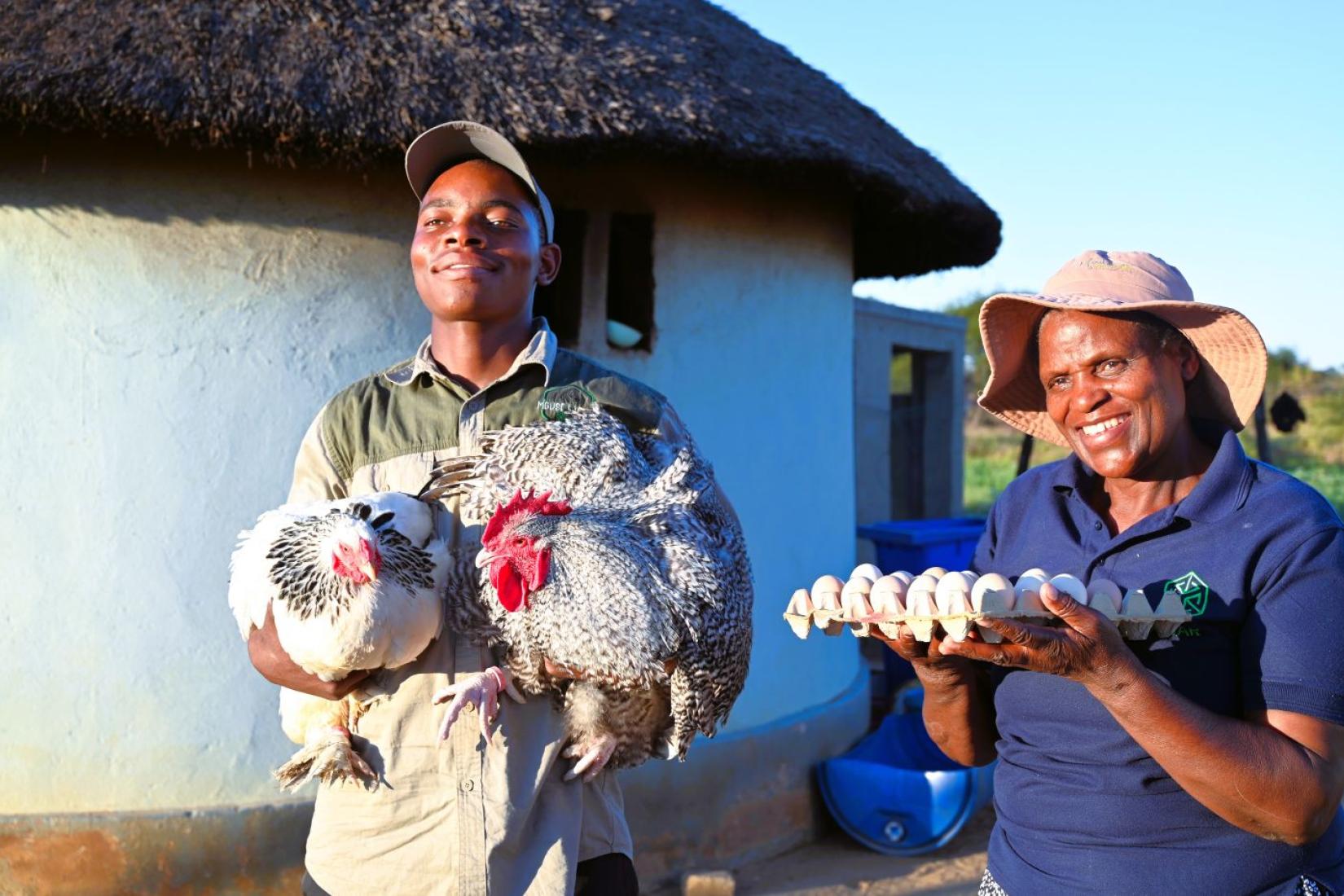
In Tanzania, champion farmer Mr Innocent Kapungu used locally sourced timber and rice straw to reduce poultry-house construction costs.
In Zimbabwe, two participating businesses reduced synthetic fertiliser use by up to 80% in a single season.
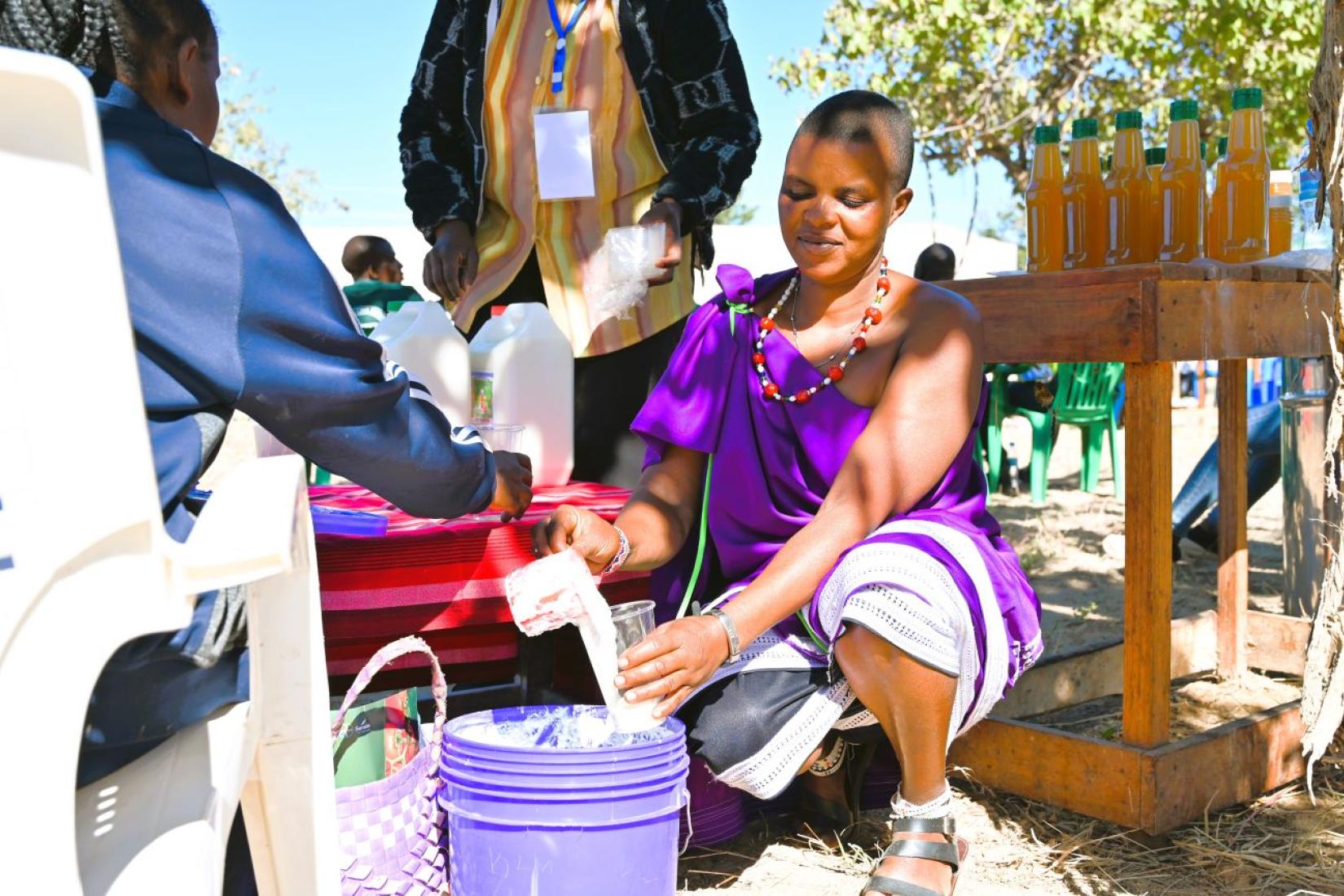
Another Zimbabwean business, Hauke Dairy and Mechanisation Services, has grown from two cows and one bull into a cooperative enterprise serving 78 irrigation scheme members. More than 70% of its feed comes from crop residues grown on irrigation plots. By producing milk locally, Hauke reduces reliance on supplies transported 185 kilometres from Bulawayo. Demand now exceeds supply.
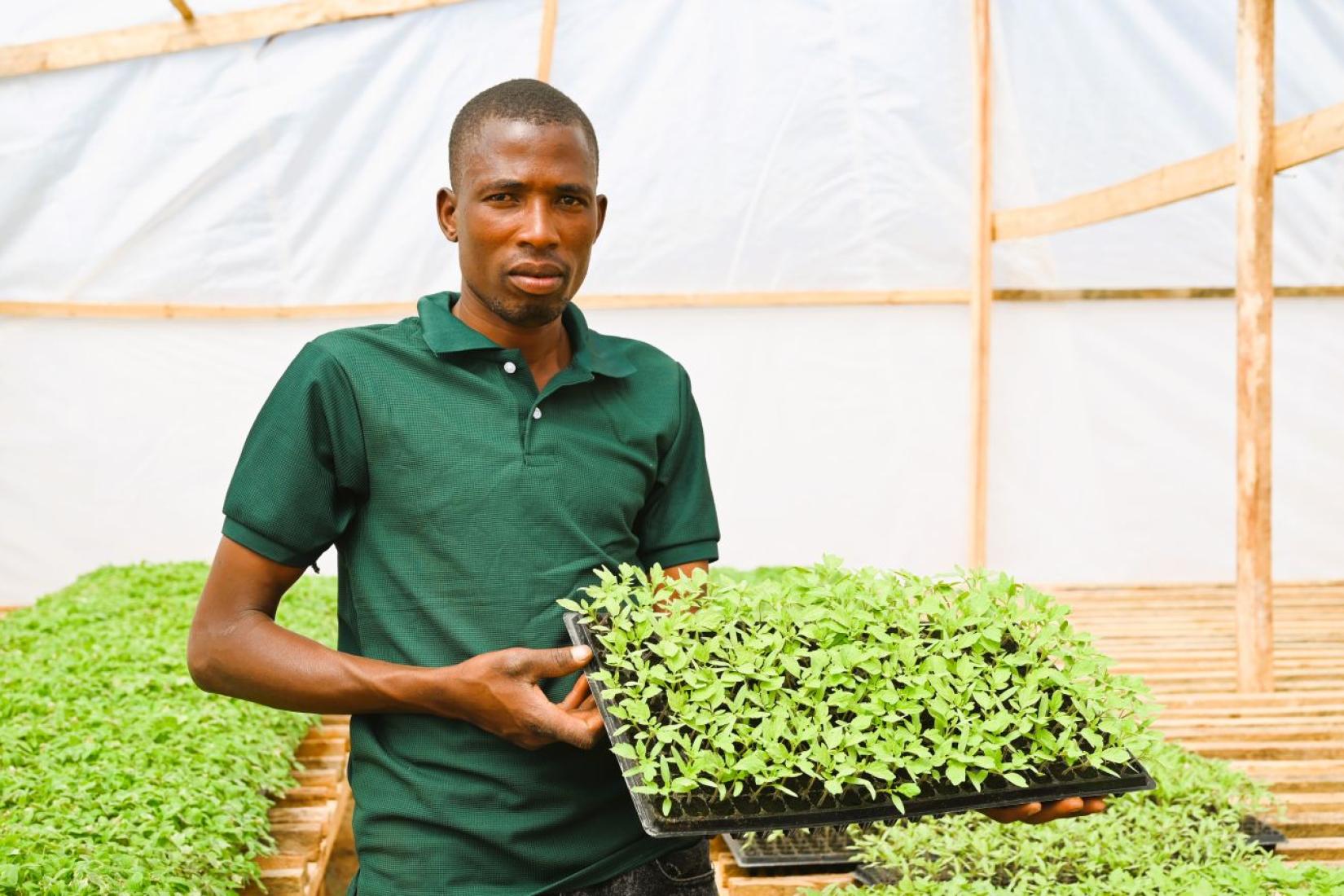
Elsewhere in Zimbabwe, a horticulture and piggery enterprise feeds pigs on cabbage trimmings and returns their manure to the fields. It harvests 30-35 tonnes of cabbage, sells more than 40 pigs annually and employs six people.
Each enterprise innovated differently. But for farmers the formula was the same. Cut input costs, use available resources and connect with buyers.