Date released
16 October 2025

Observed annually on 16 October, World Food Day is a day for reflecting on global progress towards ending hunger and promoting sustainable food systems across the world. The 2025 theme “Hand in hand for better foods and a better future” speaks to the global collaboration required to advance food security for all. 

This kind of collaboration is at the core of ACIAR’s work as Australia’s specialist agricultural research-for-development agency. ACIAR brokers, facilitates and invests in strategic collaborations with public and private research institutions to improve the productivity, resilience and sustainability of agrifood systems. Although ACIAR doesn’t undertake research directly, we are led by country partners to identify opportunities for research or capacity development across the Indo-Pacific region.  

By partnering with local scientists, farmers and organisations, ACIAR promotes sustainable farming practices, improves crop productivity and enhances resilience to climate change. ACIAR’s collaborative approach ensures research helps to improve food security, reduces poverty, and protects natural resources, while also supporting human nutrition and climate resilience. It also ensures we support gender equality, inclusive value chains and capacity development across all our projects.  

On World Food Day 2025, we celebrate the power of working together for better foods and a better future through this showcase of projects. 

Image
A woman wearing ACIAR-branded clothing holding her tomato crops and smiling
Mrs Dube, a farmer based in the Sibasa Cluster, with her tomato crops.

Promoting circular food systems in Africa

Circular food systems can decouple growth in social and economic benefits from natural resource consumption and production of greenhouse gas emissions in agriculture. This can reduce urbanisation by creating local employment opportunities. The ACIAR-supported Circular food systems in Africa project, led by Australian National University, has been testing how smallholder irrigation schemes might integrate with livestock, and dryland agricultural production to support the strategic and inclusive development of small, value-adding businesses. This has potential to become an engine of local resilience and economic development in East and Southern Africa.

Read an amazing story of impact here. 

Image
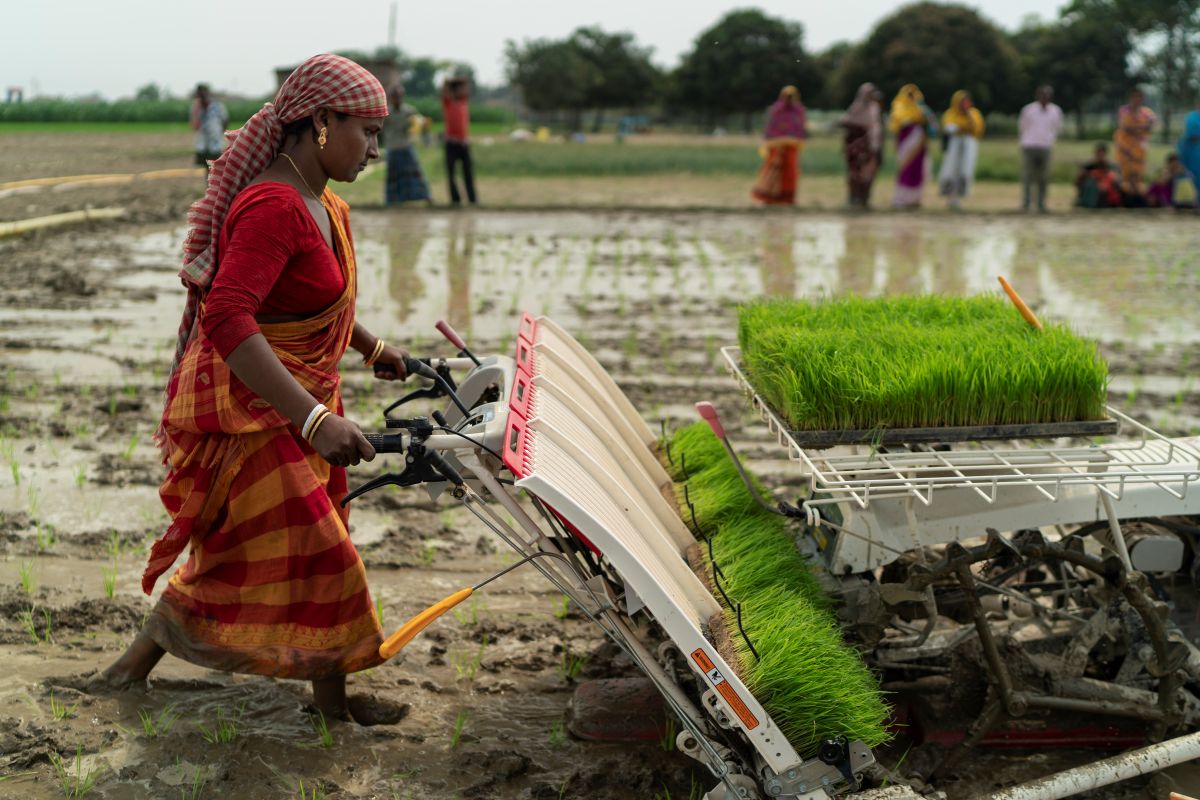
A woman in brightly-coloured clothing operates a rice transplanter in a muddy rice paddy.
A farmer uses a rice transplanter as part of ACIAR funded efforts in India, Bangladesh and Nepal to implement sustainable intensification farming systems. Photo: Conor Ashleigh

Transforming food systems in the Eastern Gangetic Plain  

The Eastern Gangetic Plains of Bangladesh, India and Nepal are home to 450 million people, with the world’s highest concentration of rural poverty and a strong dependence on agriculture for food and livelihood security. The  ‘Transforming smallholder food systems in the Eastern Gangetic Plain’ project led by the University of Adelaide aims to define ways to achieve sustainable, efficient, diversified food systems at scale in the Eastern Gangetic Plains. 

Read more.

Image
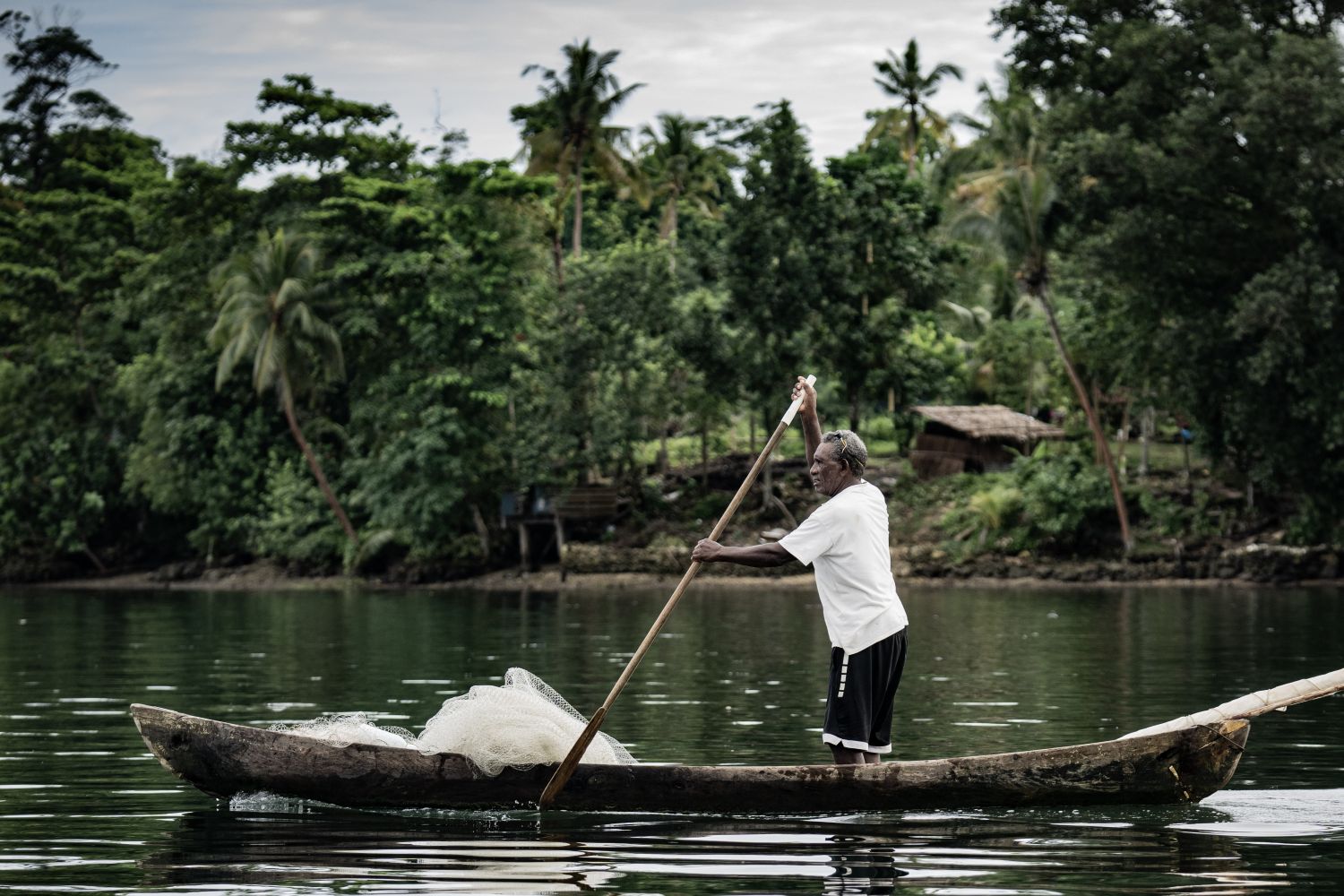
A person stands in a wooden canoe, paddling across water with tropical trees in the background.
A fisher from Adaidlo village in the Solomon Islands steers his handmade canoe. Photo: Paul Jones

Innovating fish-based livelihoods in the Timor-Leste and Solomon Islands

There is mounting recognition globally that fish and aquatic foods must play a central role in addressing the urgent challenges of poverty and malnutrition. ACIAR supports the ‘Innovating fish-based livelihoods in the community economies of Timor-Leste and Solomon Islands’ project, led by the University of Wollongong, which aims to support women and men in rural Solomon Islands and Timor-Leste to develop and share innovative solutions for sustainable fish-based livelihoods and increase the capacity of national agencies to support community-based initiatives and ensure equitable rural fisheries development investments. 

Read more. 

Image
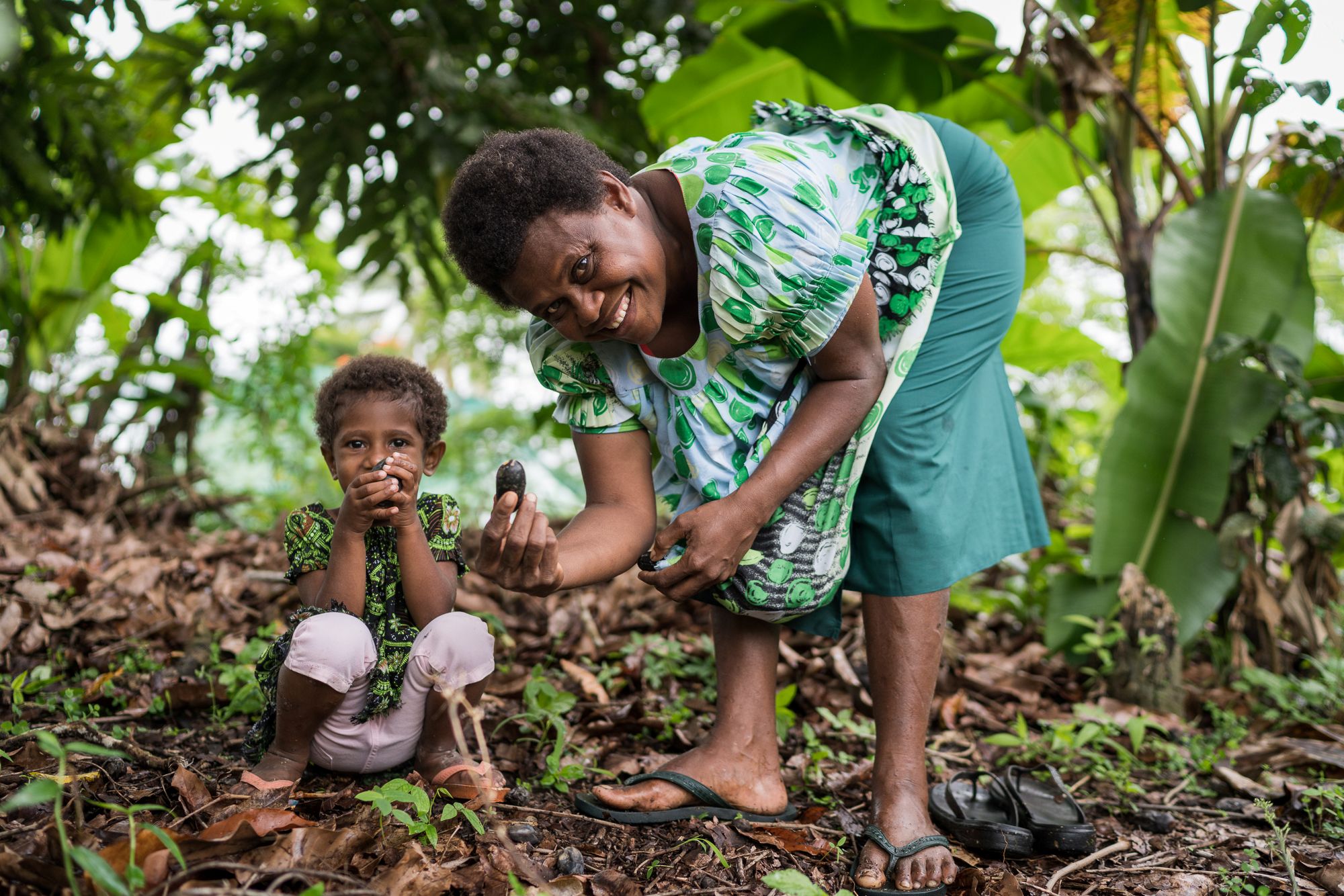
An adult and child in a tropical outdoor setting; the child sits while the adult smiles sand holds a dark nut in her hand
A woman and her child harvest fallen galip nuts from her family’s tree. Photo: Conor Ashleigh

Investing in a native nut industry in PNG 

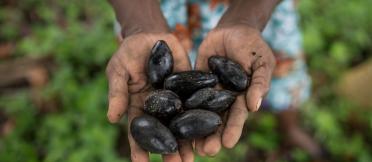
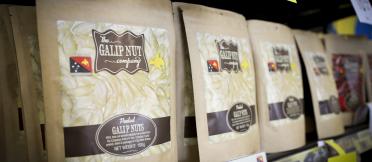
Worldwide, around 350 million people depend on forests as their primary source of food, nutrition and medicine. In Papua New Guinea, the indigenous galip tree (canarium indicum) occurs naturally throughout various lowland provinces. For over 30 years, ACIAR has supported PNG to develop its canarium nut industry. The recently completed ‘Enhancing private sector-led development of the canarium industry in Papua New Guinea’ project, led by Queensland University of Technology, built on previous research to target barriers to private sector investment in the canarium industry. It helped improve supply, enhance efficiencies in production and processing and develop both domestic and export markets for processed galip nuts. 

Read more about the long-term impact of this work.