Agriculture and tourism may sound like unlikely partners. They often operate in different spaces.
But in Indonesia, a major agricultural nation and one of the world's leading travel destinations, stronger links between the two can create value beyond what either sector could deliver alone.
A 5.5 year, A $2.8 million ACIAR-supported project is examining how smallholder farmers across Indonesia can better connect with tourism markets, creating new income opportunities for rural communities while giving tourism businesses access to reliable high-quality local produce.
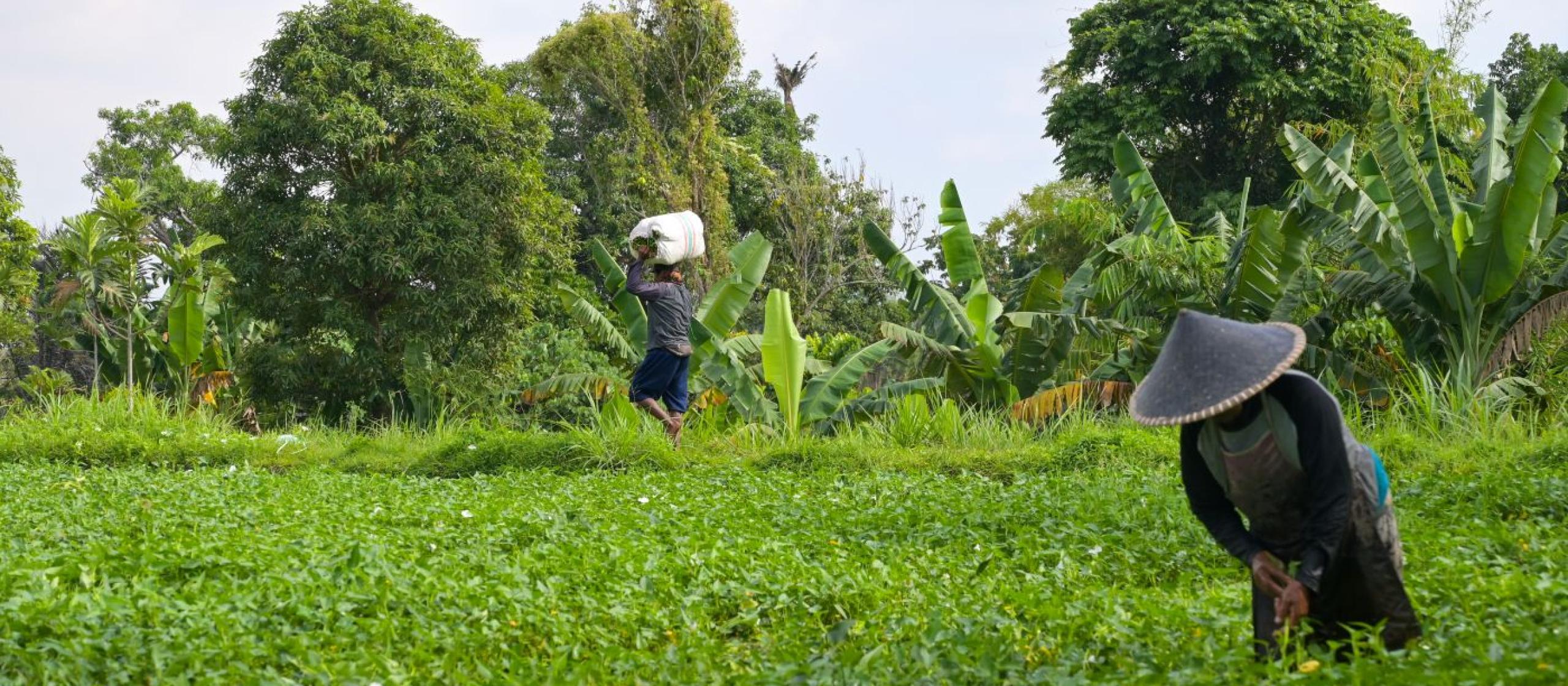
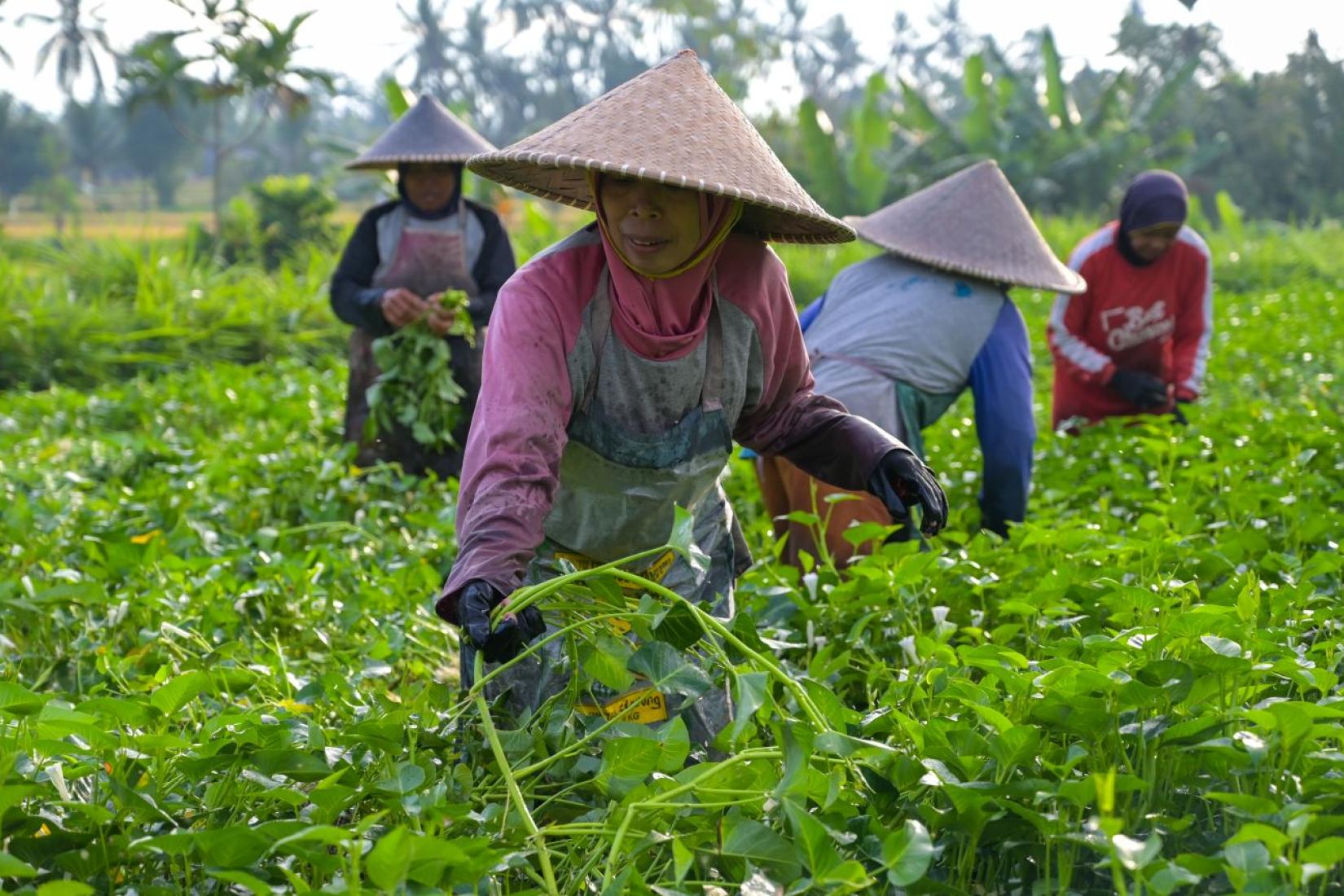
Pickers harvest water spinach at a farm involved in the project in West Nusa Tenggara.
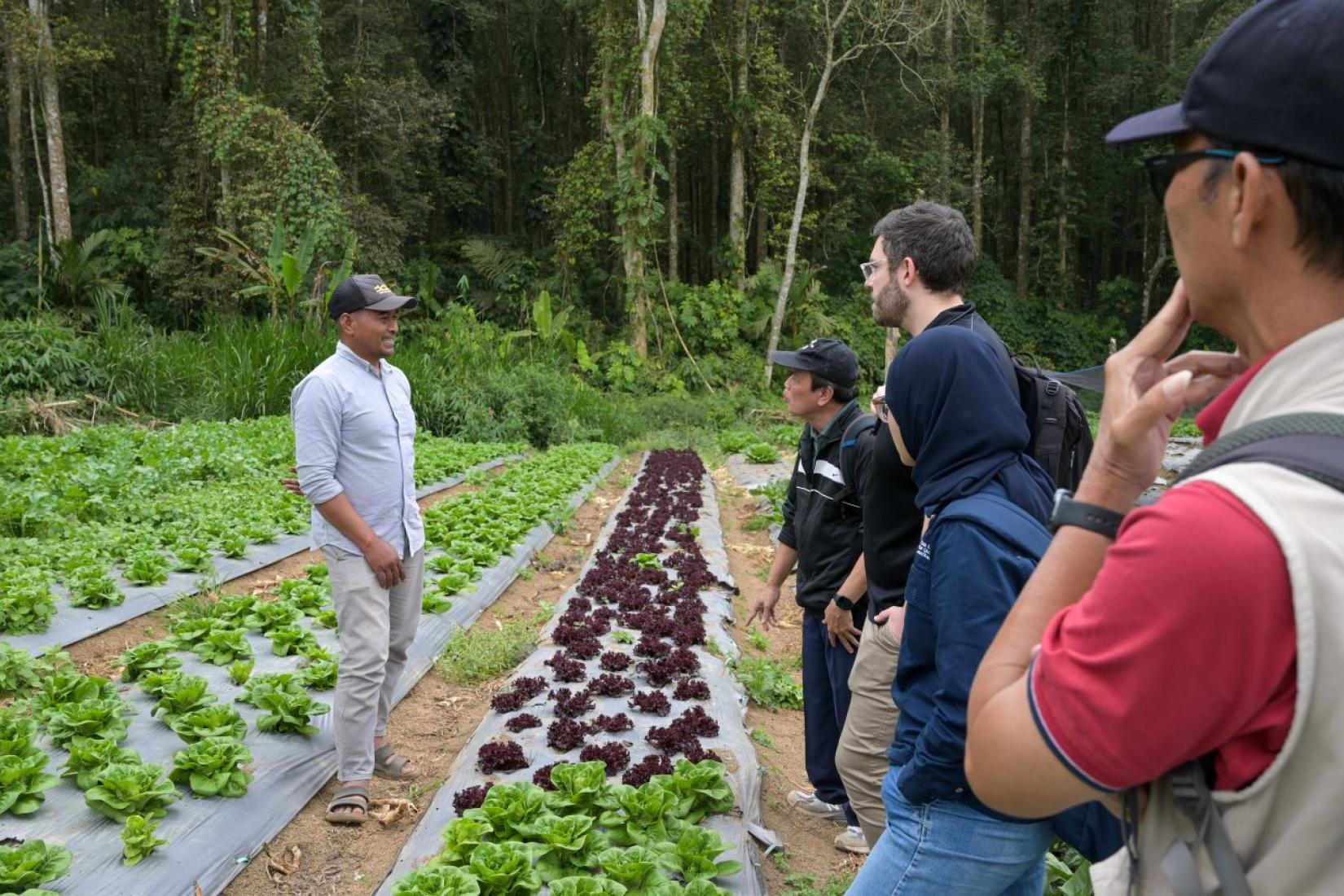
Farmers at the SILA's in Bali share their farming practices with ACIAR and reviewers during the project mid-term review.
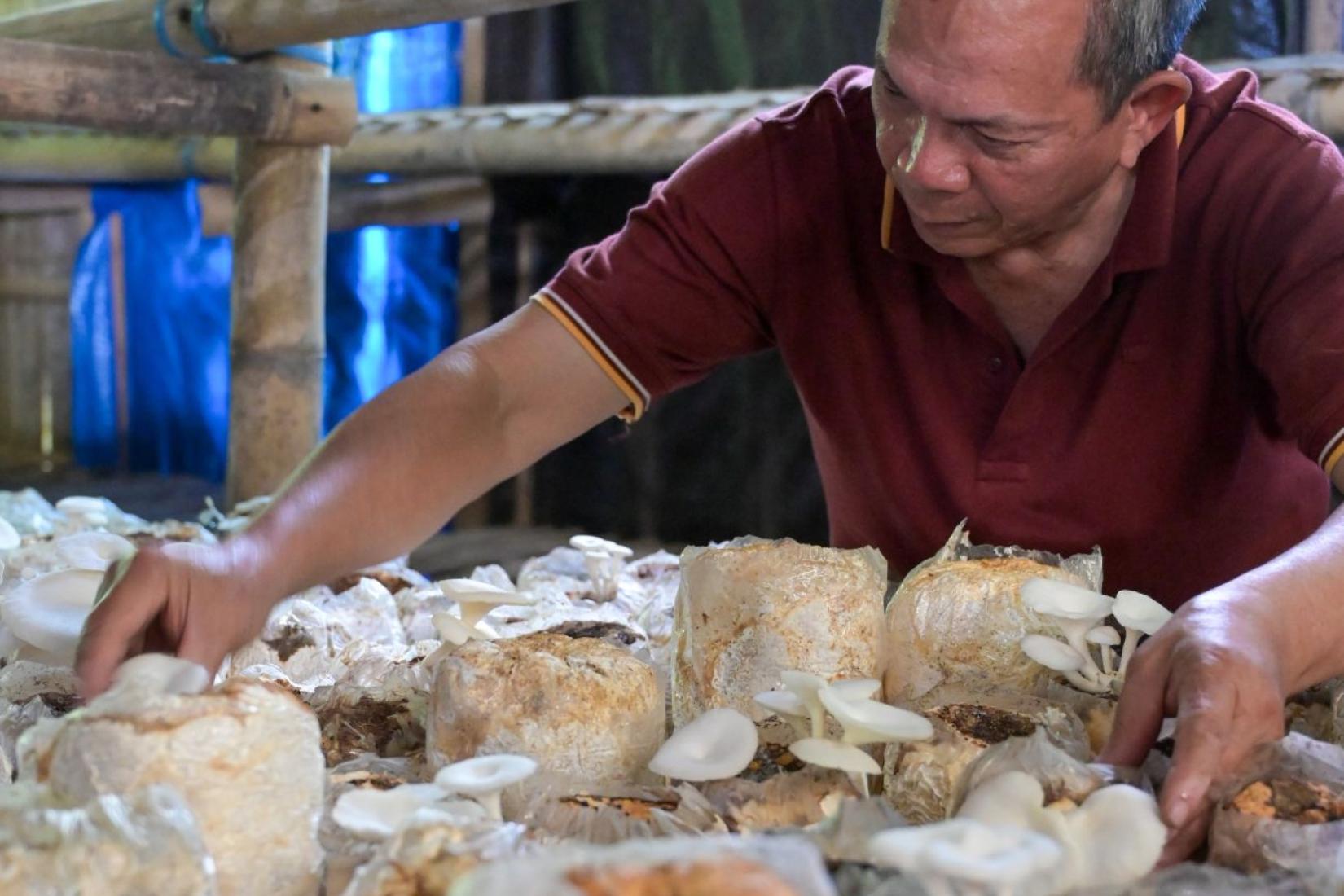
Mushroom farmer Mr John Havelaar tends to his mushrooms in a cultivation site in Tomohon, North Sulawesi, Indonesia.
Three locations, seven commodities
The research works across three regions that represent different stages of tourism development. The first region is Bali, which has an established agriculture-tourism (agritourism) ecosystem. West Nusa Tenggara, where tourism continues to expand, and emerging tourism destination North Sulawesi, are the other two research locations.
Participatory approach is key to the project. To date, researchers have engaged more than 300 farmers, buyers, tourism businesses and other participants through interviews, focus groups and workshops to identify challenges and test practical solutions.
Working with these groups, the team identified seven commodities that play an important role in local agriculture and tourism economies: potato and lettuce in Bali; village chicken, water spinach and pineapple in West Nusa Tenggara; and broccoli and mushrooms in North Sulawesi.
These commodities provide the focus for exploring how farmers can participate more effectively in tourism supply chains, how business relationships can be strengthened and what support is needed to ensure these connections remain inclusive and sustainable.
‘This collaboration is built around a simple proposition: when smallholder farmers are better connected to tourism markets, both sides can benefit,’ said Dr Jack Hetherington, ACIAR Research Program Manager Agribusiness.
‘We are particularly interested in how actors across the agriculture and tourism sectors can work together to identify solutions that are locally relevant and sustainable over the long term.
‘That shared value, together with a commitment to inclusive, practical and resilient partnerships, is what makes this an important investment for ACIAR.’
Image
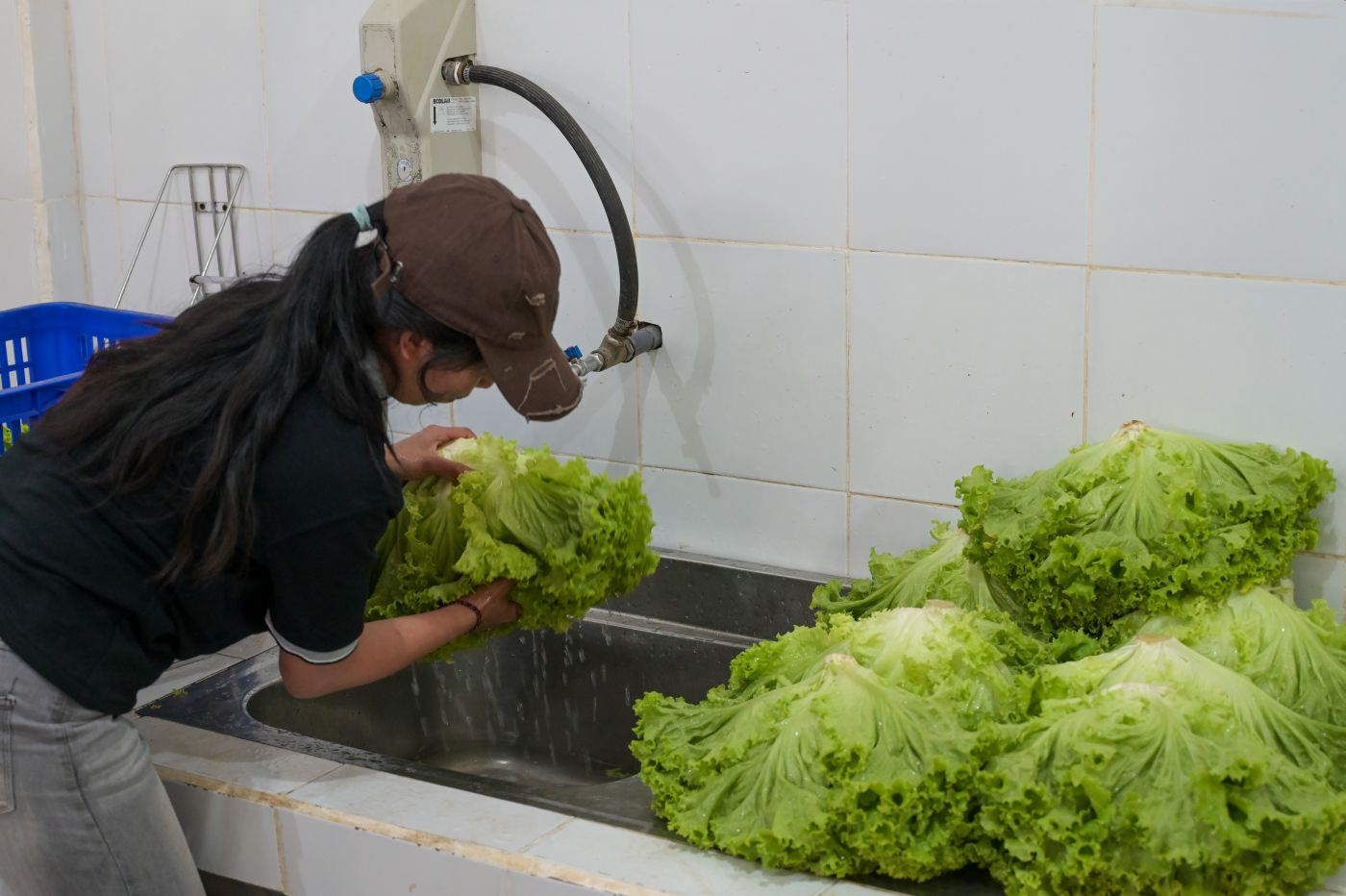
A worker cleans freshly harvested lettuce at The SILA'S in Bali, one of the partners involved in the project.
Early lessons from the field
Across locations and commodities, the research points to a common challenge: communication gaps between farmers and buyers.
Information about market demand often did not reach farmers, while buyers had limited understanding of the constraints farmers experienced. Expectations around quality, quantity, food safety, price and delivery were often communicated informally, creating uncertainty for both sides.
Drawing on these insights, researchers have co-designed and tested 20 interventions, with initial results showing positive outcomes.
In Bali, closer engagement between lettuce producers and tourism businesses led to improvements in postharvest handling, packaging and delivery practices, enabling farmers to better meet buyer requirements.
In West Nusa Tenggara, food safety testing increased buyer confidence and supported stronger communication between water spinach farmers and buyers.
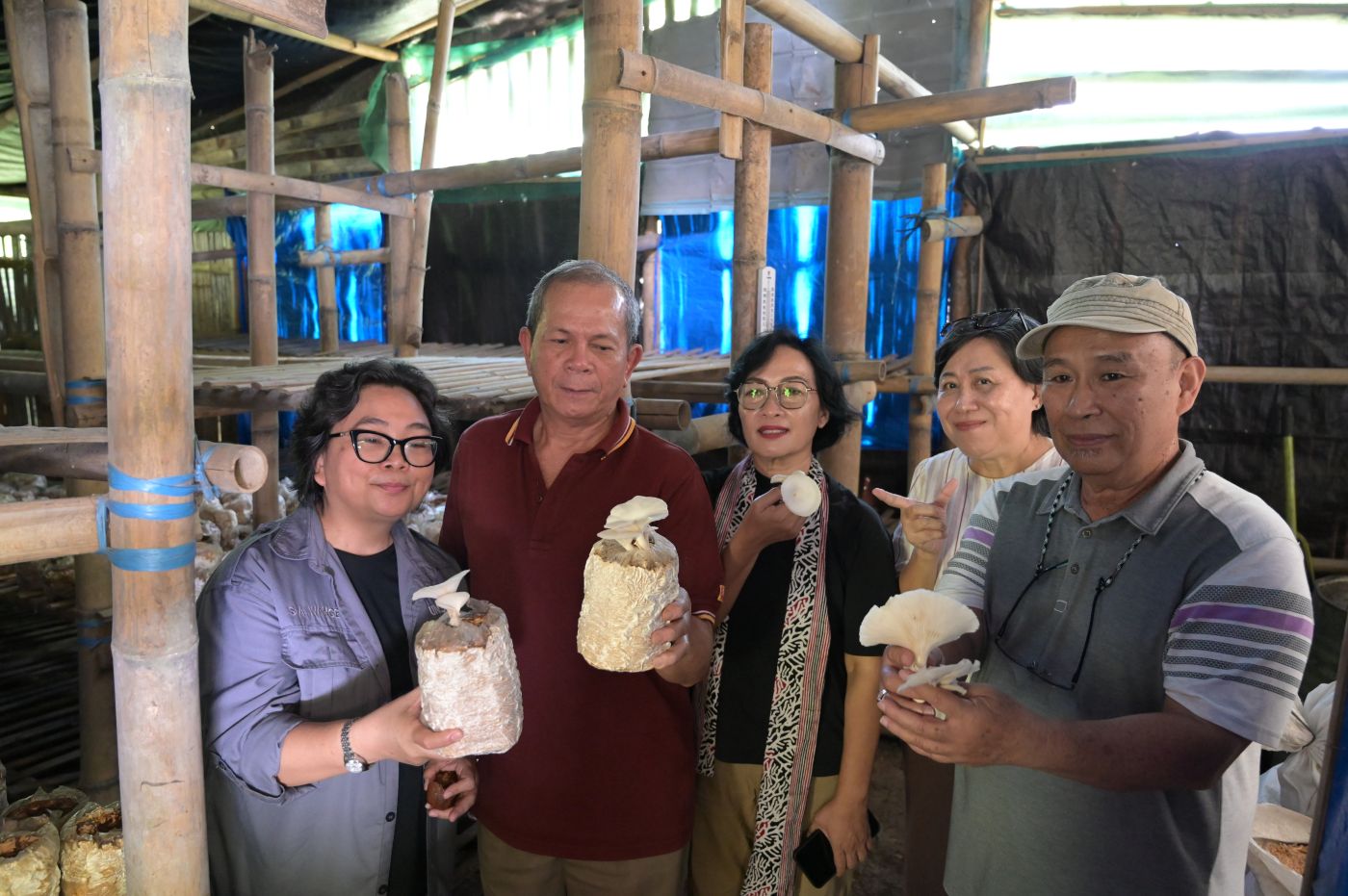
In North Sulawesi, a one-person mushroom farm has grown into a 25-member association, strengthening communication and knowledge sharing among growers while creating a more organised point of contact for tourism buyers.
The project has also introduced formal specifications and example supply agreements that establish clearer expectations around quality, volumes and pricing, replacing arrangements that previously relied on verbal agreements. For example, the project found that broccoli buyers preferred longer stems, contrary to previous assumptions. As a result, sales volumes have increased by around 20%, helping to meet customer demand, improve farmer incomes and reduce environmental impacts.
Another element of the project is examining whether improved record keeping has encouraged greater participation and visibility of women's roles on farms, whilst also improving whole-of-farm decision making.
Image
Mushroom farmers showcase their harvest and discuss progress with researchers from Universitas Sam Ratulangi, North Sulawesi.
Building stronger connections
‘Many of the challenges being explored through the project, such as matching supply with market demand, improving product quality and building stronger relationships between producers and buyers, are shared by farming communities around the world,’ said Project Leader Mr Jeremy Badgery-Parker from Adelaide University.
The collaboration between Australian and Indonesian research teams allows us to combine different perspectives and experiences and find practical ways to strengthen these links, while learning what works across different settings and markets.
For Indonesian research lead Professor I Made Supartha Utama from Universitas Udayana, the evidence shows that market access depends on more than producing the right commodity.
‘The market opportunities were already present, but relationships between farmers, supply-chain actors and tourism businesses were often fragmented,’ said Professor Utama.
‘By bringing these actors together, the project is enabling them to develop clearer communication, shared product expectations and more collaborative and accountable value-chain relationships.’
As the project progresses, researchers will continue examining what works in different contexts and why. The findings will contribute to future efforts to build more inclusive, reliable and resilient links between agriculture and tourism.
To learn more about ACIAR investments in Indonesia, click here.
A new multi-country research partnership will examine the factors shaping pesticide use in mango production and identify practical ways to expand the use of proven pest management practices.
Vanuatu has become the first Pacific island country to demonstrate how regenerative agritourism is building the future resilience for its Indigenous people.