Tackling zoonotic malaria in Indonesia, where farms and forests meet
29 October 2026
In Indonesia, as environmental change brings people and wildlife into closer contact, an ACIAR-supported project works to strengthen evidence and response to zoonotic malaria.
In many parts of Indonesia, people depend heavily on nature for their livelihoods. However, agricultural expansion, forest loss and fragmentation are increasingly exposing communities to a growing threat: zoonotic malaria.
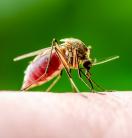
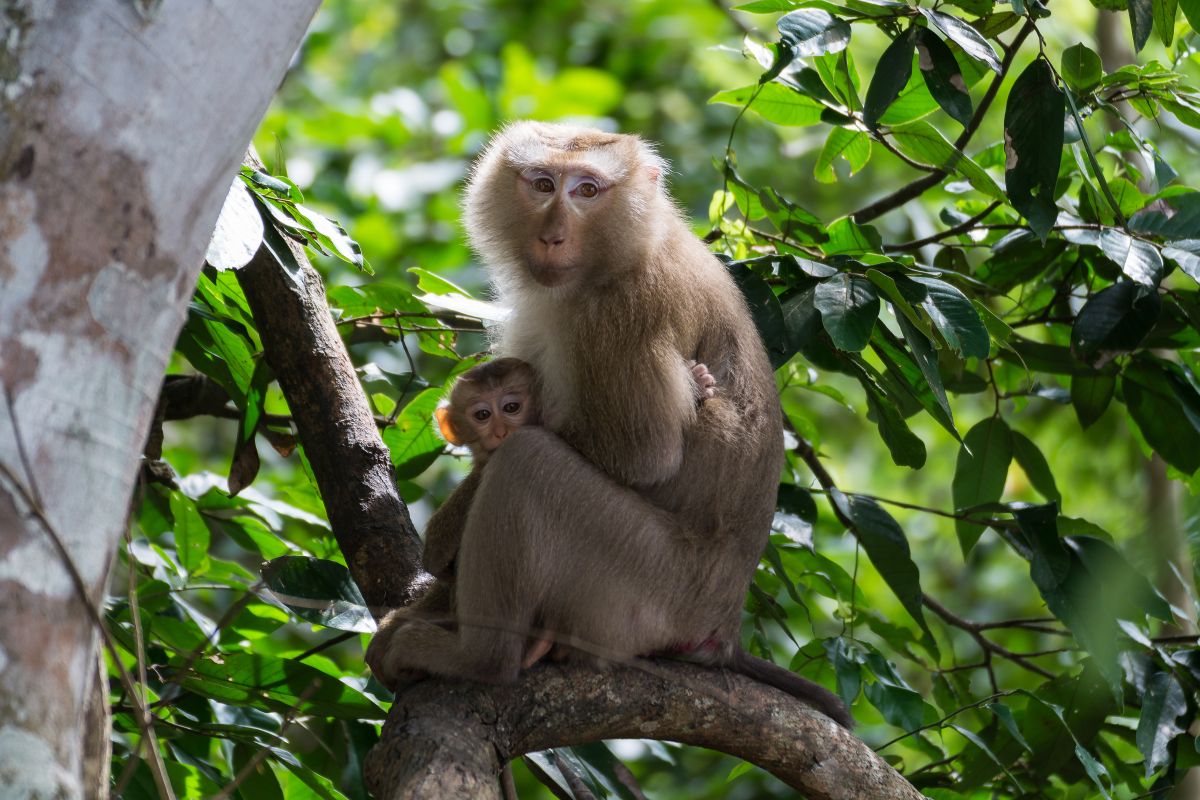
Caused by Plasmodium knowlesi, this form of malaria is transmitted from wildlife to humans by mosquito. It is prevalent in the local macaque population but is increasingly infecting people. This is especially true in agricultural and forest-edge areas, where environmental change is bringing humans and animals into closer contact.
Increased disease creates a significant health and economic burden, affecting agricultural productivity and placing pressure on rural households.
A $4.6 million ACIAR-supported project led by the Menzies School of Health Research responded to this challenge. Part of the Research for One Health Systems Strengthening Program co-funded with the Australian Department for Foreign Affairs and Trade, ‘ZOOMAL’ brought together Australian and Indonesian expertise to better understand and address the zoonotic malaria.
Image
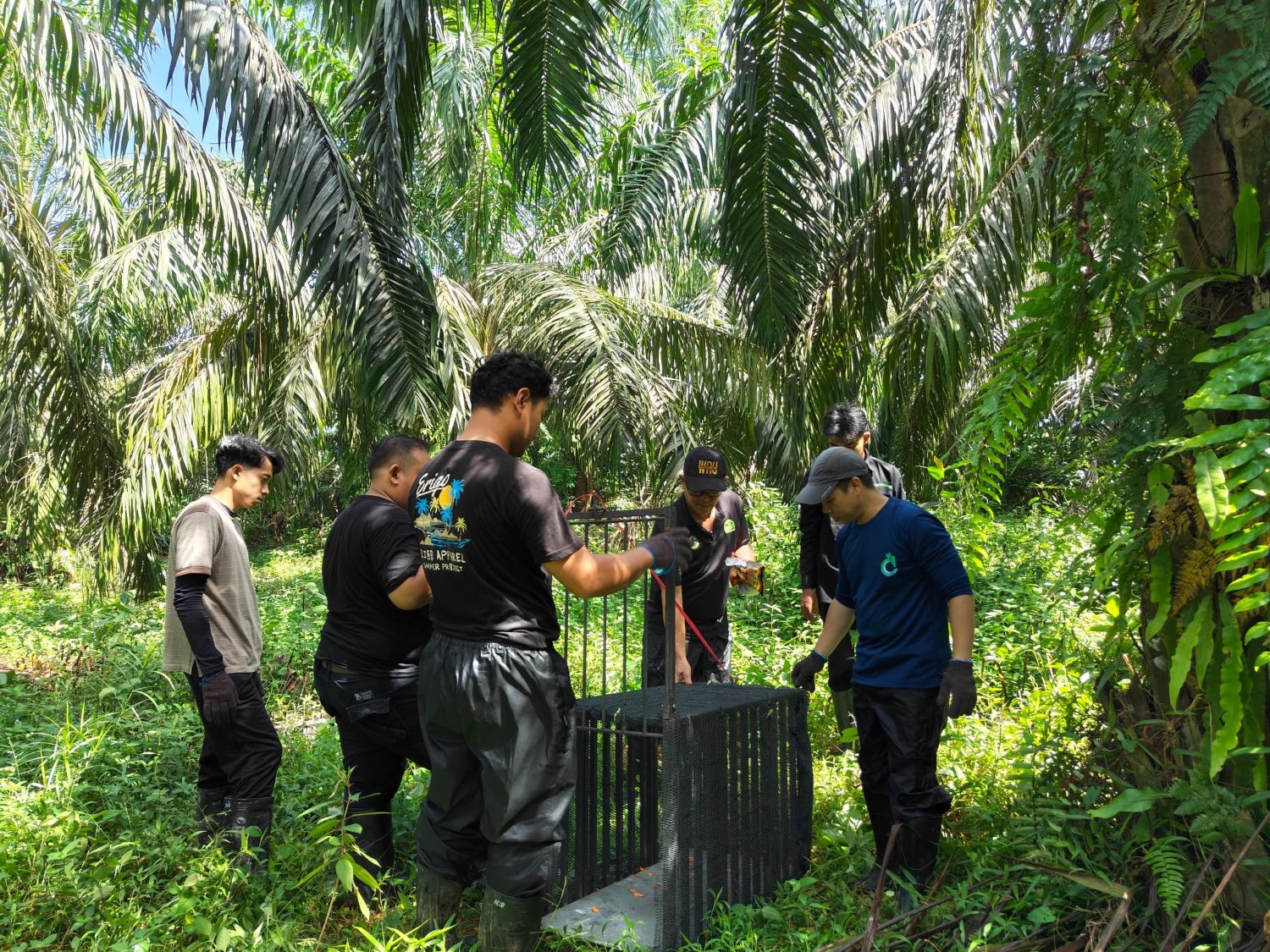
Managing zoonotic malaria risk to smallholder health and livelihoods
In Indonesia, understanding about the transmission of zoonotic malaria is still growing. Surveillance systems have not fully captured the scale of transmission. The types of mosquitoes that carry the disease are not yet well understood and cases are often misdiagnosed.
The project was designed to address these gaps. It aimed to strengthen detection and surveillance systems while building a clearer picture of how land use influences disease risk.
The project team used a One Health approach, which recognises the close connection between human, animal and environmental health.
‘Understanding zoonotic malaria is essential not only for public health, but also for protecting livelihoods and supporting sustainable agricultural development in Indonesia,’ said Indonesian project lead Dr Inke Lubis from Universitas Sumatera Utara.
‘Without the right evidence, people, especially agricultural workers, remain exposed to risks that are still not fully understood.’
Connecting health, animals and landscapes
The project brought together data from health facilities, mosquito surveillance, macaque studies and land-use mapping across the same landscapes, including research sites in North Sumatra and North Kalimantan, where zoonotic malaria cases have been reported.
By analysing these data sources together, researchers could better understand how zoonotic malaria is transmitted and identify where people are most at risk, including how activities such as farming near forest edges increase exposure.
Indonesian institutions led this work, ensuring findings are applied locally, while Australian partners contributed expertise in diagnostics and modelling. This collaboration supports stronger molecular and serological detection methods and integrates geospatial risk mapping with surveillance data.
‘This collaboration brings together Australia’s expertise in infectious disease research and Indonesia’s deep local knowledge and leadership,’ said Project Leader Professor Matthew Grigg from Menzies School of Health Research.
‘By working closely with our Indonesian partners, we can turn scientific findings into practical action, helping reduce disease risks where people live and work.’
This Indonesian-led approach is helping strengthen national capacity, ensuring that the research is closely aligned with local policy and practice.
At the same time, the work brings together a wide network of project partners and collaborators, including Universitas Andalas, Oxford University Clinical Research Unit (OUCRU), the Indonesian Ministry of Health, the University of Melbourne, James Cook University, the University of Western Australia, CSIRO, the Walter and Eliza Hall Institute of Medical Research (WEHI) and Augsburg University.
Image
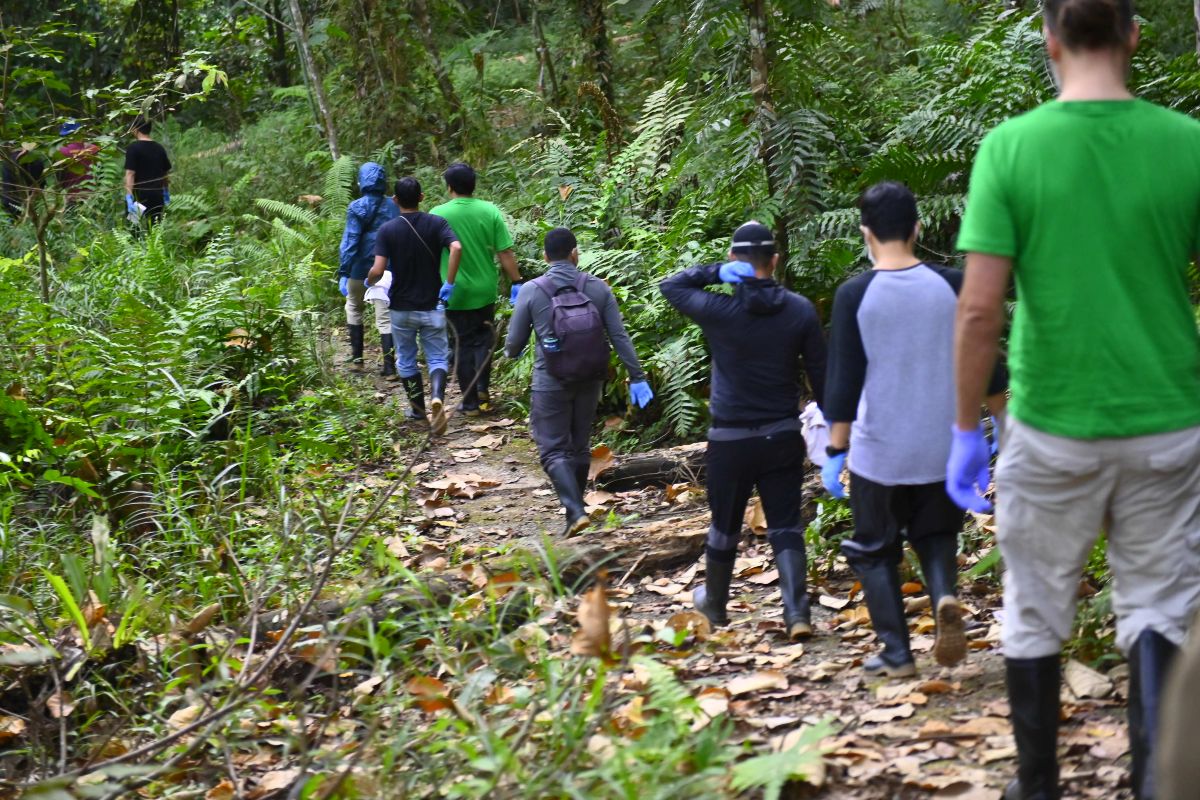
Improving detection and response
The project introduced more sensitive molecular diagnostic tools into Indonesian laboratories, supported by training for health workers and laboratory staff, to improve how zoonotic malaria is identified and understood. By integrating data across human, animal and environmental health, it strengthens the evidence needed to respond to transmission risks.
Health workers now have better tools and knowledge to diagnose the disease more accurately. This enables earlier treatment and helps reduce the impact of illness on households.
Ongoing engagement is also raising awareness of zoonotic malaria risks among agricultural communities and local stakeholders.
Together, these efforts are improving understanding of how transmission occurs in affected communities.
‘This project is critical because it strengthens our ability to understand where and how transmission is happening, so we can take practical steps to better protect communities,’ said Indonesian project lead Dr Rintis Noviyanti from the National Research and Innovation Agency (BRIN), partnering with Exeins Health Initiative.
‘Stronger diagnostics and surveillance mean we can respond earlier and more effectively, especially in areas where people are most exposed.’
As the diagnostic malaria lead with Indonesia’s Ministry of Health, Mr Dedi Supriyanto brings the perspective of a government partner who can apply the project’s findings to strengthen Indonesia’s malaria surveillance, diagnosis and response efforts. He said the project is highly valuable to Indonesia because it strengthens the evidence, diagnostic capacity and surveillance systems needed to address zoonotic malaria.
‘It's One Health approach will help us better identify communities at risk, particularly those living and working near forests and agricultural areas and translate research findings into more effective policies and locally appropriate responses,' said Mr Supriyanto.
‘This work also supports Indonesia’s broader efforts towards malaria elimination and stronger health security.’
Looking ahead
Image
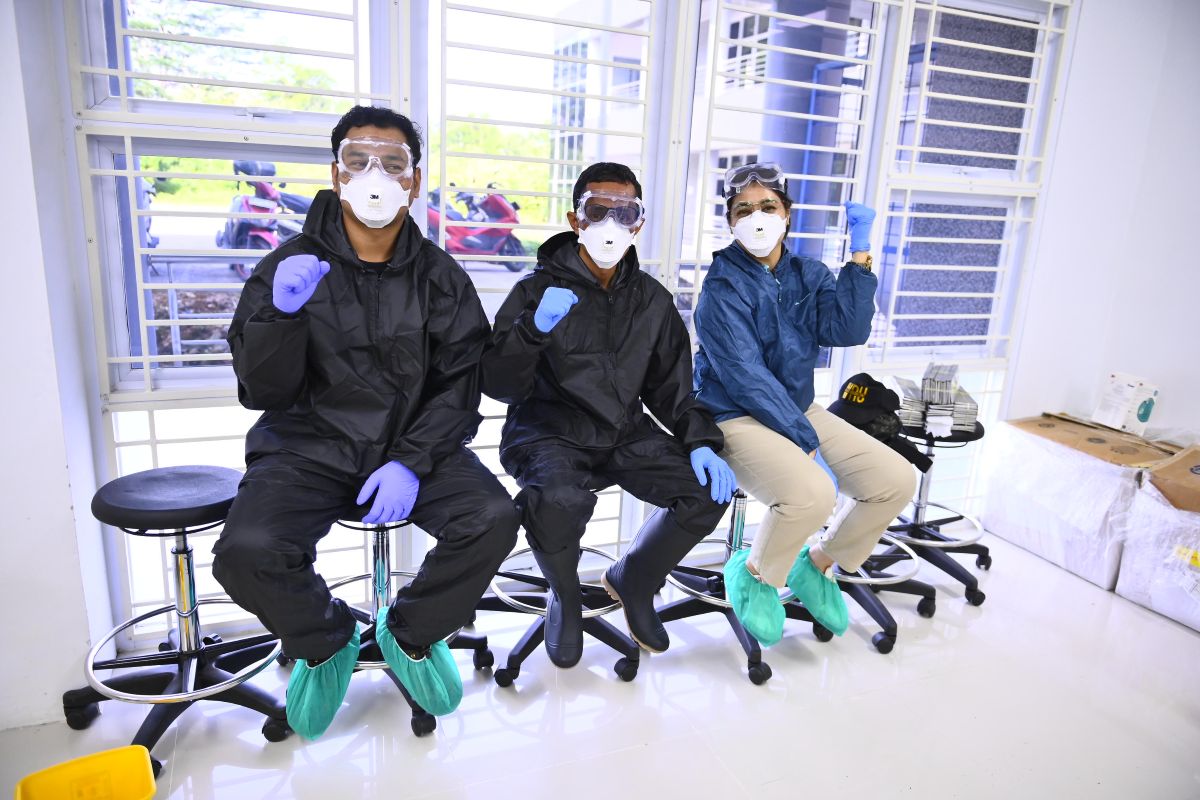
The project has laid a strong foundation for improving how zoonotic malaria is detected, understood and managed in Indonesia.
Future work will build on these findings to expand surveillance, refine control strategies and extend research into other zoonotic diseases and regions. The results are already helping inform the development of a national surveillance program and broader One Health initiatives.
‘By building stronger evidence on zoonotic diseases like zoonotic malaria, we are working alongside communities to better understand and manage risks to their health, productivity and livelihoods.’
‘Investing in research like this also benefits Australia by improving our knowledge of poorly understood and emerging infectious diseases in the region and strengthening our preparedness for future health threats,’ said ACIAR Research Program Manager, Livestock Systems, Dr Nick Harris.
‘By working with partners to reduce risks at their source, we are helping protect both regional and Australian communities.’
Learn more about ACIAR’s investment in Indonesia