Agribusiness

Digital tools to help smallholder fruit growers in northwest Vietnam access high-value domestic and export markets

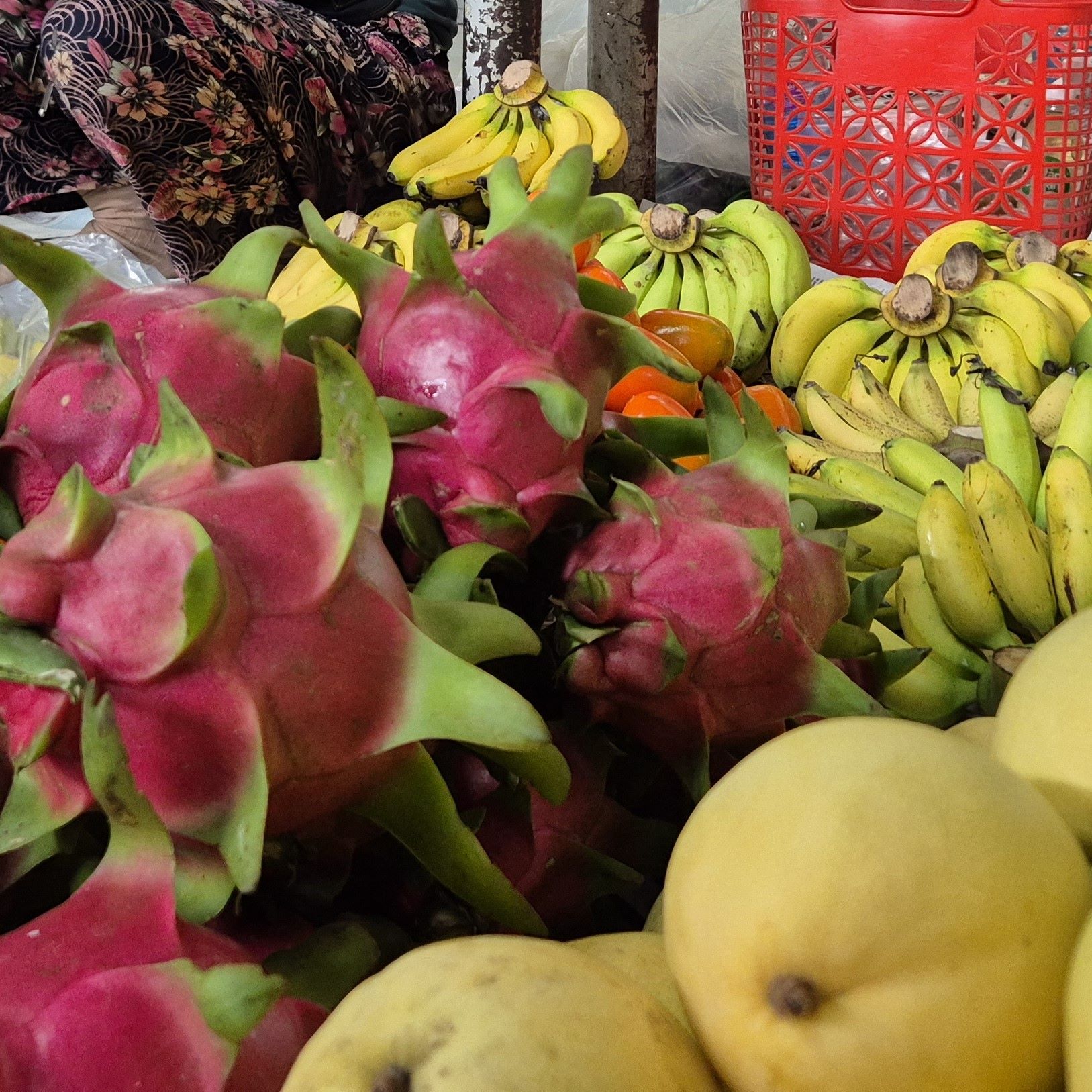
A close up of dragon fruit, bananas and mangoes
Image
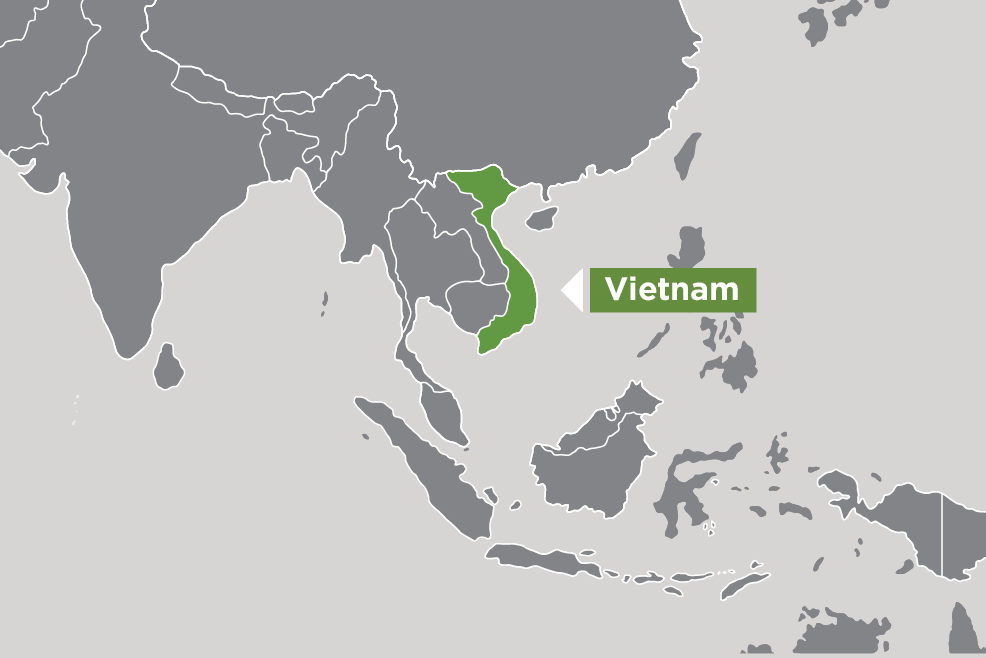
Map of Vietnam

Research need

This project aims to improve the livelihoods of smallholder fruit farmers in northwest Vietnam by evaluating how digital tools can help improve access to quality assured, inclusive and competitive domestic and export markets. 

Large areas of new fruit trees in the northwest of Vietnam were established primarily due to government incentives, but insufficient attention has been paid to markets. Increased fruit production has resulted in the domestic market becoming flooded with lower value fruit, and prices falling by up to 50% in 2022. This situation means some farmer returns are below the cost of production. 

Previous ACIAR investments (AGB/2009/053 and AGB/2014/035) demonstrated that smallholder farmers from northwest Vietnam can improve their livelihoods by supplying modern retail outlets in Hanoi with VietGAP-certified vegetables. Vietnamese Good Agricultural Practices (VietGAP) criteria are set by Vietnam's Ministry of Agriculture and Rural Development and guide farmers in safe production, product quality and environmental protection, ensure social welfare for producers and consumers, and provide traceability of produce. 

Modern retail markets require VietGAP certification, providing higher value market opportunities for smallholder farmers. The widespread adoption of smart phones and digital tools in Vietnam, and elsewhere, provides an opportunity to digitally collect crop and supply chain data, and combine this with GPS-based traceability data to comply with VietGAP requirements. 

On this page

The project

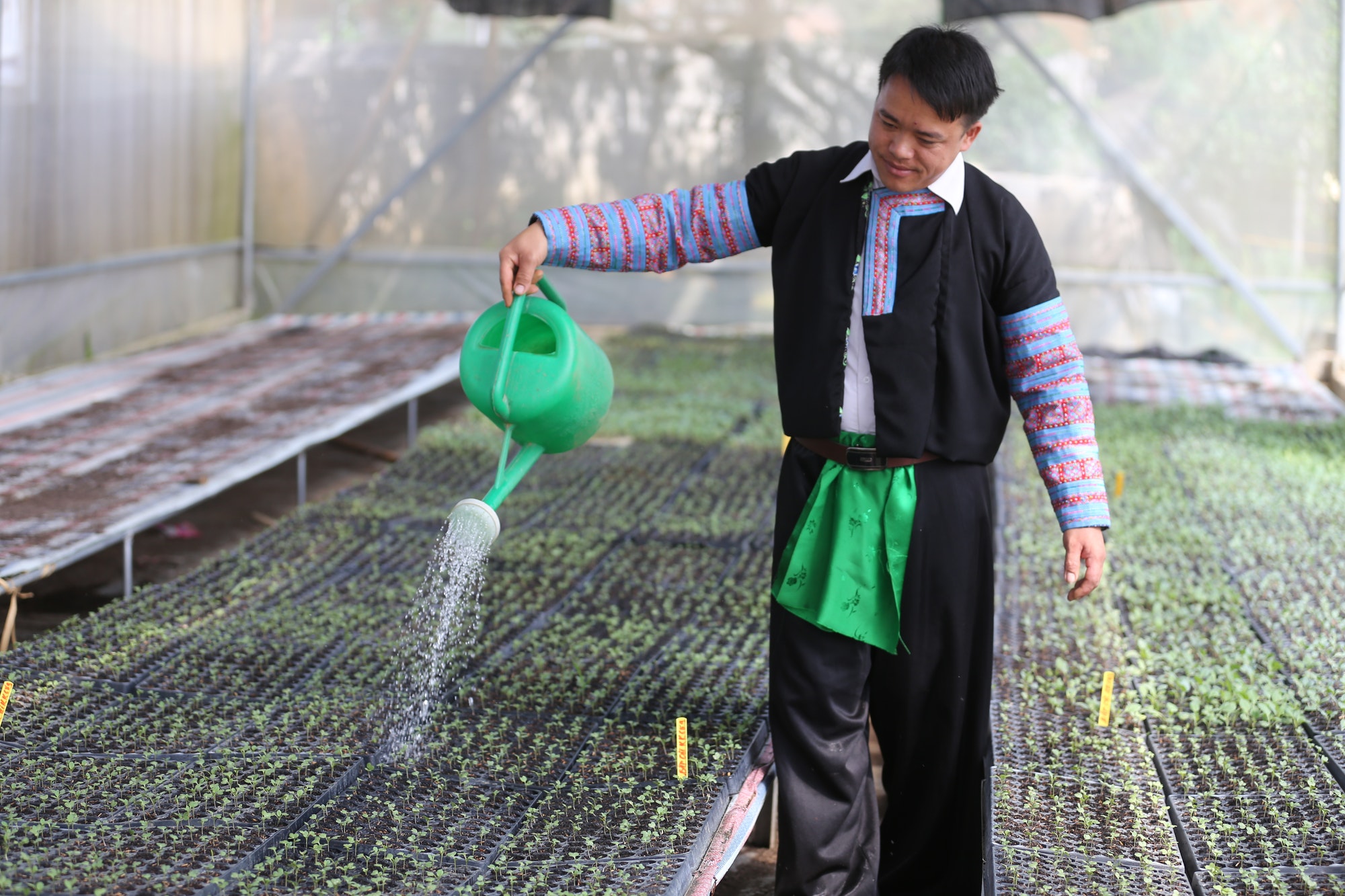
Empowering smallholder fruit farmers to effectively use digital tools to collect crop production and fruit quality data will increase the capacity for farmers to participate in high-value domestic and export markets. The project will: 

  • work with smallholder farmer groups from the Son La region, who produce mangoes and dragon fruit, to identify the traceability, postharvest, grading and cool chain practices needed to successfully supply modern retail domestic markets in Hanoi, and understand how digital tools can help the farmers engage in higher value domestic markets
  • understand and scope the potential of export markets for mangoes and dragon fruit, with farmers and project staff identifying issues and constraints for participating, and adapting and improving digital tools as required
  • work with in-country partners to build capacity in Vietnam to support the use of digital tools, and engage with other value chains, government and exporters to understand the opportunities for scaling and an implementation pathway for digital tools, and apply learnings from the project
  • evaluate how digital tools impact market engagement and farmer livelihoods, including measuring impacts on women and girls, and ethnic minorities, to ensure these groups also benefit from the project's outcomes.

Expected outcomes

Primarily, this project will have socioeconomic benefits for smallholder fruit farmers in northwest Vietnam, but there are also benefits for national export markets and application of the technologies to other industries. 

By using digital tools, farmers will be able to participate in high value domestic and export markets to meet market compliance requirements. Adoption of such tools will have longer-term outcomes that include: 

  • capacity of smallholder farmers and produce aggregators to participate in higher value, higher quality domestic and export markets - supermarkets, food service and specialty safe fruit and vegetable stores require VietGAP compliance and will pay a premium for certified produce
  • improved farm practices due to VietGAP compliance requirements that in addition to improving food safety and quality, also improve on-farm productivity, reduce input use and reduce environmental impact
  • new market opportunities for smallholder farmers, and especially women and ethnic minorities, that provide higher returns, and enable improved livelihoods
  • establishment of verified tools and in-country expertise to operate reliable digital traceability systems that monitor cool chain conditions from packhouse to market to verify VietGAP compliance
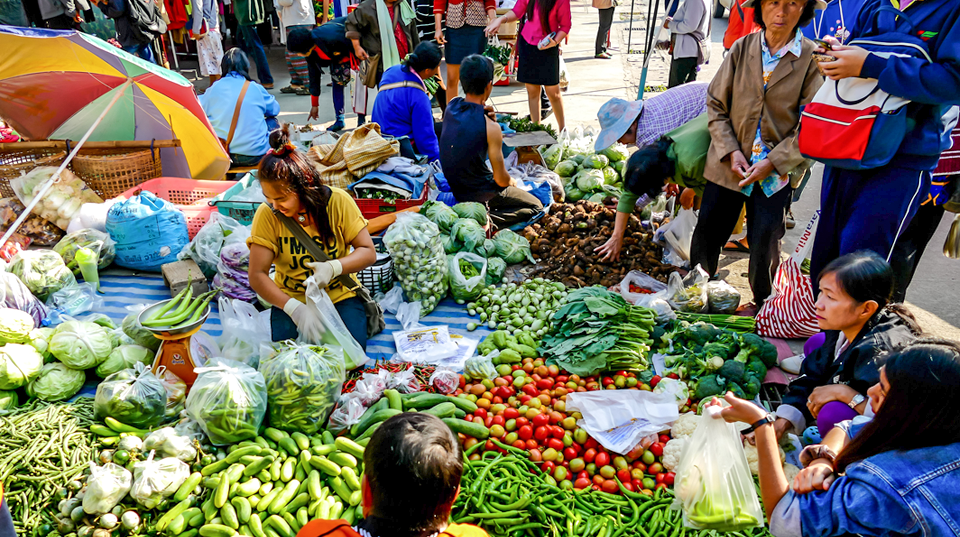
  • reduced oversupply of local and traditional markets, reducing poor returns and ongoing poverty among smallholder farmers in regional and remote areas
  • potential for digital traceability technology to be applied to fruits in addition to mangoes and dragon fruit, and the ability to build high value export markets - a priority of the Government of Vietnam.