Fisheries

FishTech Plus: Supporting Mekong countries to implement fish-friendly infrastructure into river development

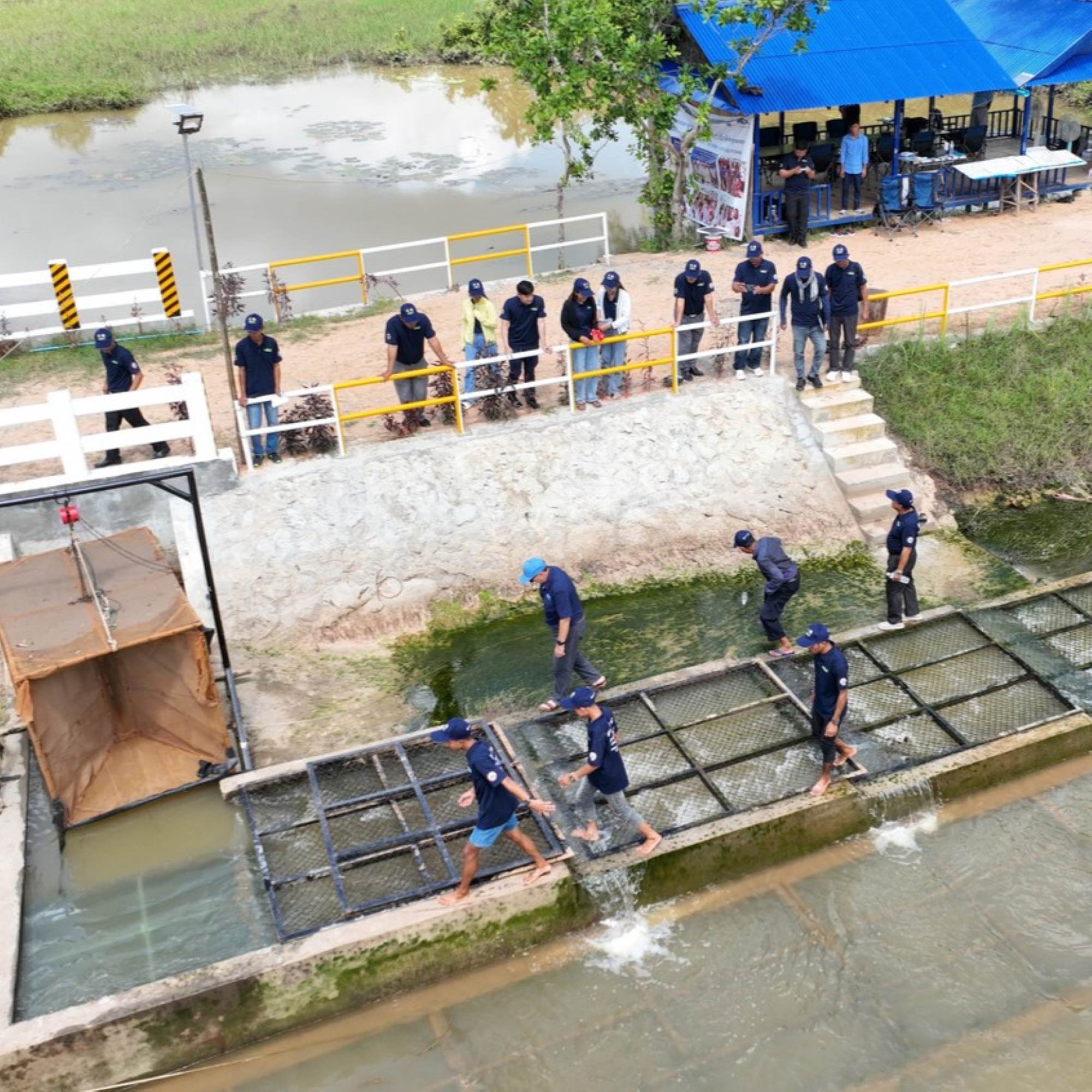
 People inspect a fish passage structure beside a canal.
Image

Research need

This project aims to strengthen the capacity of Mekong countries to undertake sustainable and inclusive river development through research, education and demonstration of fish-friendly infrastructure. The project will enhance climate resilience, support fisheries-based livelihoods and promote gender equality, disability and social inclusion in river-dependent communities.

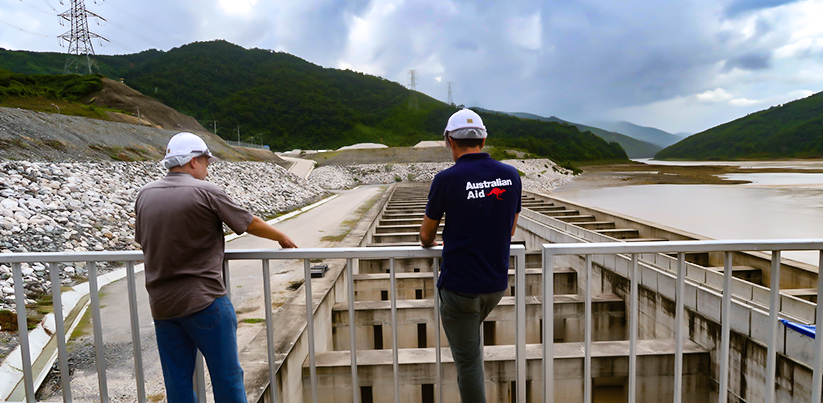
Inland fisheries are vital for food security, nutrition and livelihoods across the Mekong basin, but the rapid expansion and modernisation of irrigation and hydropower infrastructure is affecting fish migration, river flows and habitats. Climate change is expected to add further pressure, with fish passage infrastructure needed that can function under changing hydrological conditions.

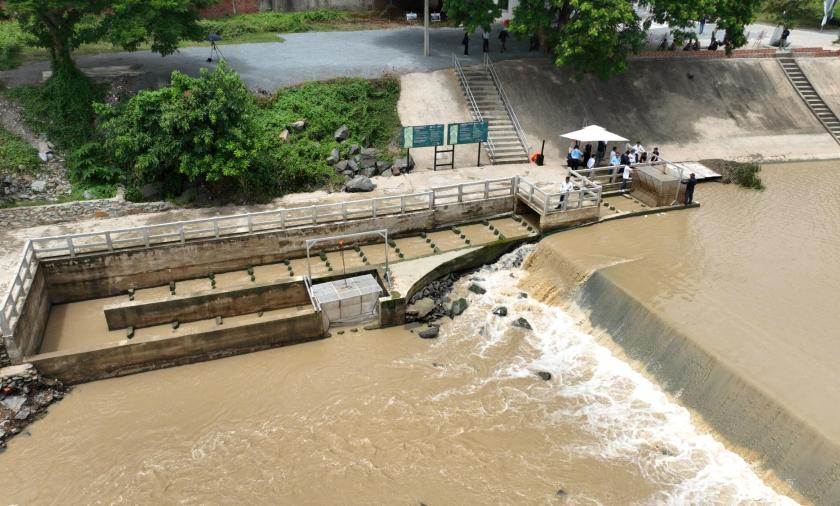
Previous ACIAR investments, including the ACIAR–DFAT co-funded FishTech project, demonstrated that fish-friendly infrastructure, including fishways, supported fish migration and fisheries productivity alongside river development. However, more work is needed to strengthen local capacity to plan, develop and establish infrastructure, and support the wider adoption of these approaches.

Through ACIAR and DFAT co-investment, this project will support partners to develop the skills, evidence and institutional capacity needed to implement fish-friendly river development over the long term, while ensuring technical solutions are informed by community needs and inclusive approaches.

On this page

The project

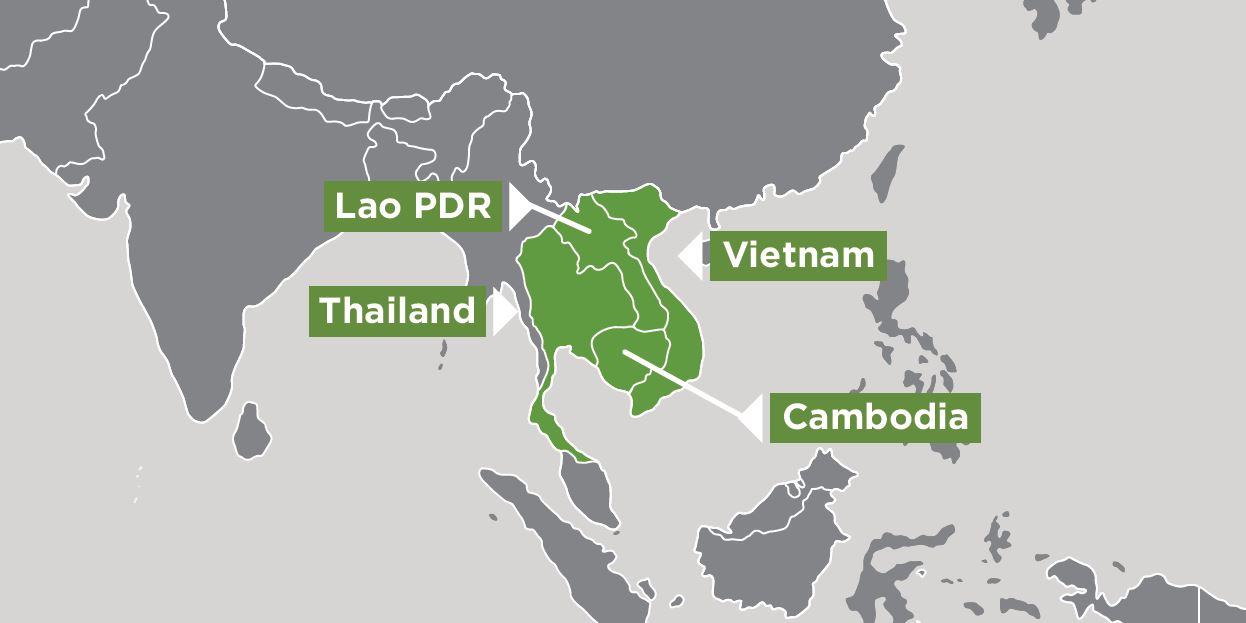
The project will use demonstration sites in Laos, Cambodia, Thailand and Vietnam to support a ‘learning by doing’ approach to sustainable river development. Working with governments, research institutions, training providers, communities, fishers and finance providers, the project will generate evidence to inform climate-resilient fish passage design and strengthen local capacity to apply fish-friendly infrastructure.

The project will:

  • deliver training, masterclasses, graduate certificate courses, mentoring, and study tours for fisheries, irrigation and water management professionals
  • support universities and training institutions to develop fish passage training and incorporate fish-friendly river development into curricula
  • establish cross-disciplinary professional networks to strengthen collaboration between engineers, fisheries specialists, researchers, policymakers and finance providers
  • undertake research and monitoring at demonstration sites to generate evidence on fish migration, hydrology, climate resilience and return on investment
  • work with communities, including women, people with disability and other under-represented groups, to inform inclusive fish passage design and development
  • develop technical guidance, policy briefs and evidence to support planning, investment and implementation of fish-friendly river development.
Expected outcomes

The project has potential benefits to communities and industries dependent on the Mekong River system through:

  • enhanced capacity of partners to promote and implement fish-friendly infrastructure through improved technical expertise, collaboration and access to community-informed evidence
  • increased availability of trained technical specialists and institutional mechanisms to build and sustain expertise in inclusive fish passage solutions
  • increased application of climate-resilient and environmentally sustainable fish passage approaches in policy and practice, supported by locally relevant evidence and tools
  • enhanced gender-responsive and disability-inclusive approaches that support equitable, safe use of and benefits from fish-passage infrastructure
  • strengthened inclusive processes and institutional mechanisms to improve guidelines, policies, legislation and compliance frameworks that support best-practice fish passage solutions.