

From innovation to impact: FishTech Plus reconnects rivers and fisheries across the Mekong
20 August 2026
ACIAR recently launched a new 4-year initiative to advance climate-sensitive river development and food security across Southeast Asia. Backed by A$9.5 million in joint funding from ACIAR and the Australian Department of Foreign Affairs and Trade’s Mekong–Australia Partnership, FishTech Plus marks the next phase of the highly successful FishTech program, which ran from 2020 to 2026.
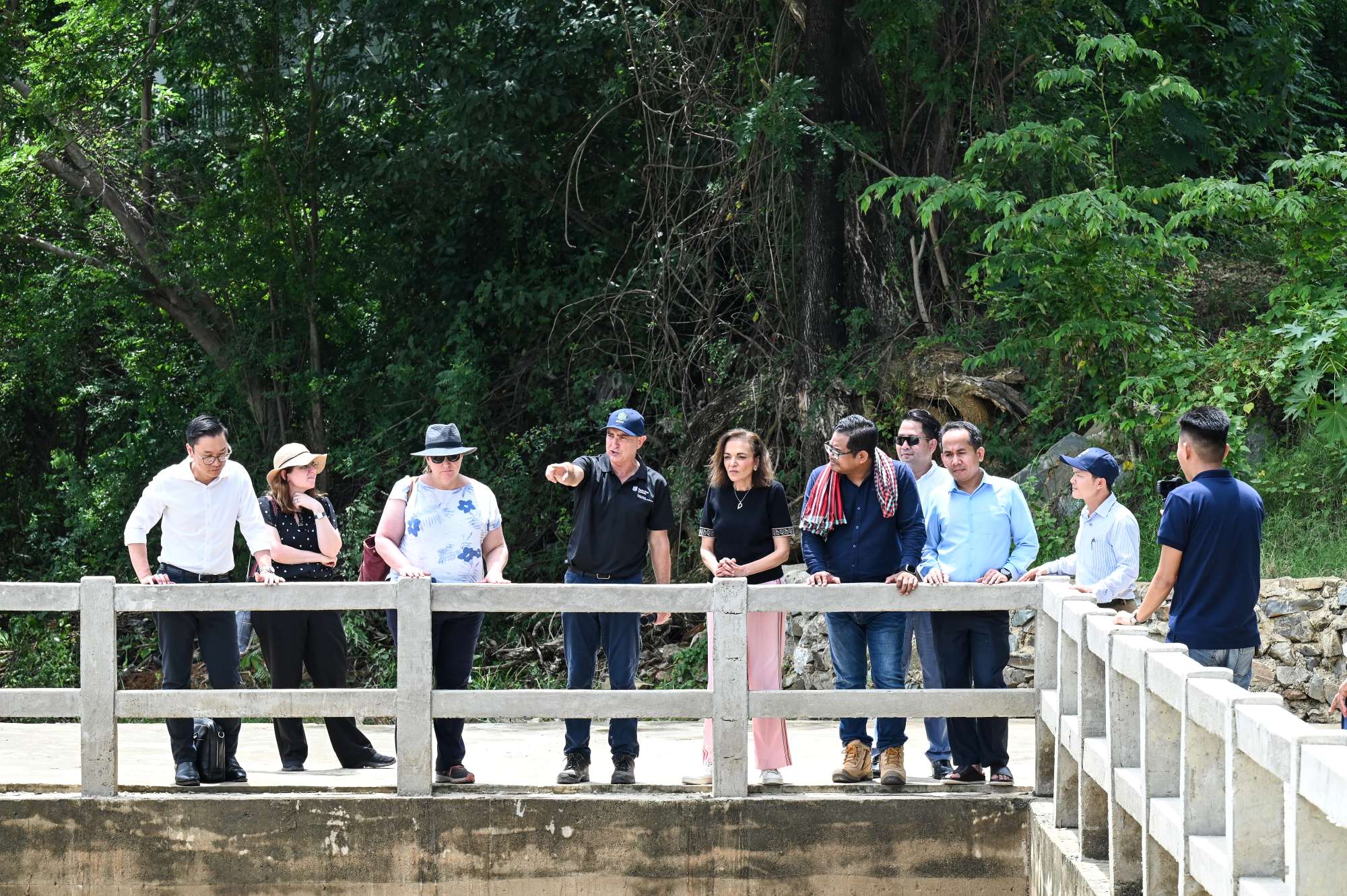
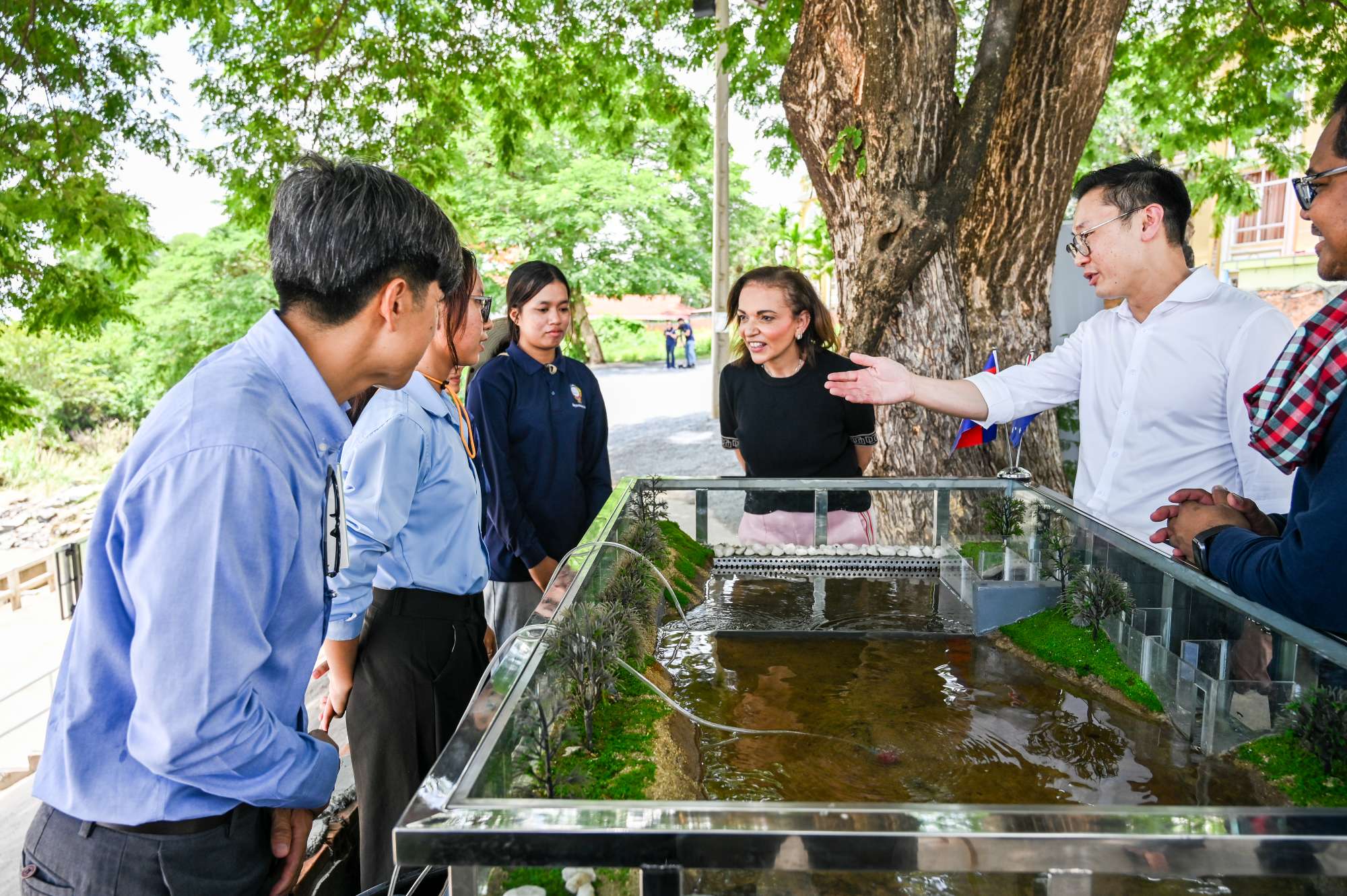
Commencing in August 2026, the program will operate across Laos, Cambodia, Thailand and Vietnam. Led by Charles Sturt University, the FishTech Plus investment was formally announced by Australia’s Minister for International Development, the Hon Dr Anne Aly MP, during a visit to a study site in the Mekong region.
Reconnecting the Mekong, restoring fisheries
Across Southeast Asia, investment in irrigation and hydropower, often termed ‘river infrastructure’, is helping meet growing demands for food, water and energy. However, these developments can also fragment river systems, with dams and weirs blocking the critical migration routes fish require to access feeding and breeding habitats. This can lead to fisheries declines.
For millions of people in the Lower Mekong, inland fisheries provide an essential source of protein, nutrition, micronutrients and income. As fish populations decline, households and communities become increasingly vulnerable, while river ecosystems lose resilience.
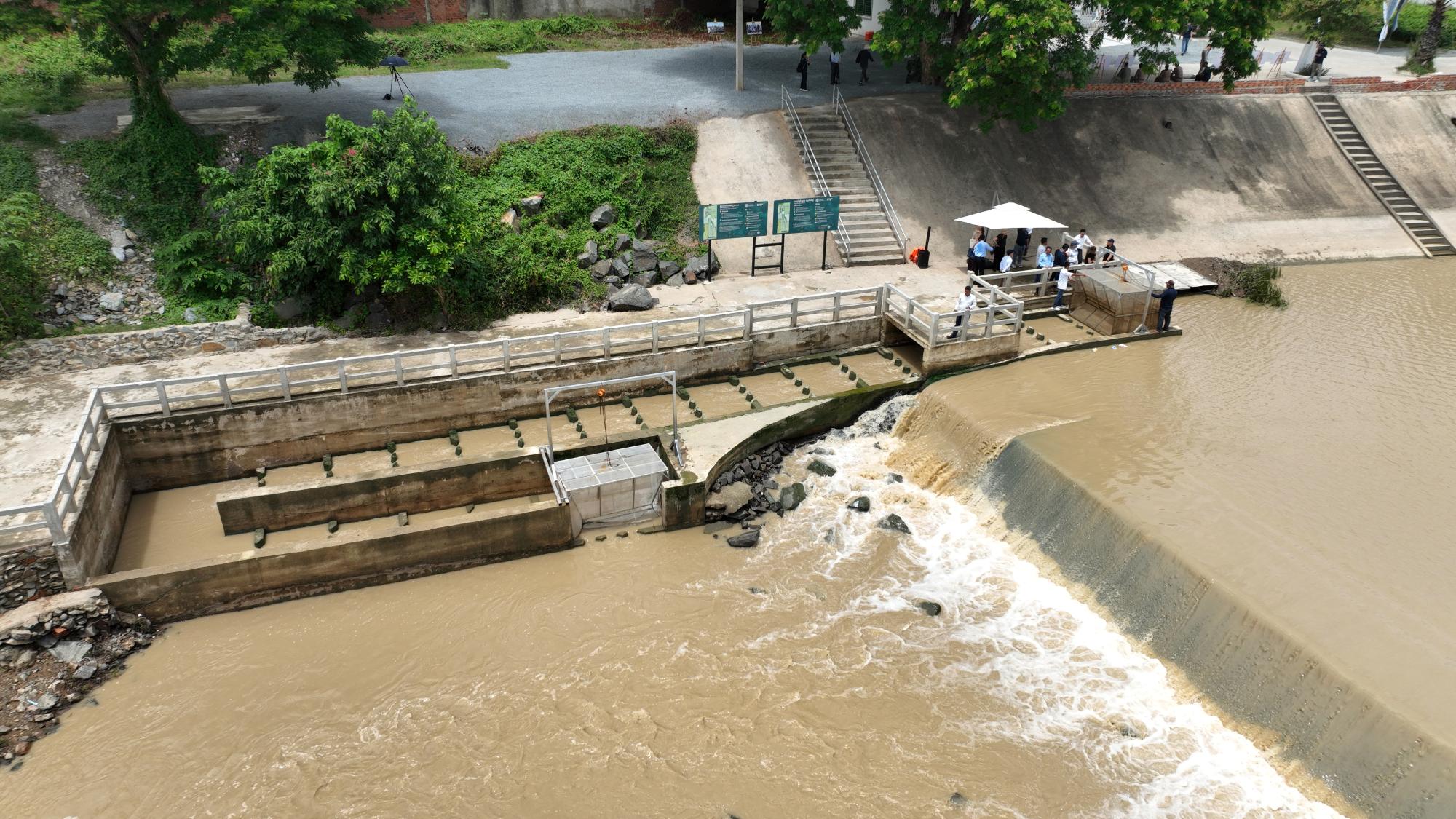
FishTech Plus will address these challenges by bringing innovative fish passage technologies, including fishways, bypass channels and modified weirs, into the mainstream. These practical engineering solutions enable fish to move around infrastructure barriers, restoring access to vital habitats and helping sustain fisheries productivity.
Building on a proven record of impact
FishTech Plus builds on the achievements of the first phase of the FishTech program, which has delivered significant results in Laos and Cambodia since 2020.
The program directly designed and constructed eight fish passages, influenced the construction of many more, and reconnected more than 3,900 kms of river systems that restored access to 14,000 hectares of aquatic habitat.
These interventions have improved fisheries productivity and strengthened food security for more than 50,000 households.
Several community members met with Minister Aly at the launch of the new project. They spoke about the importance of fisheries and how, by connecting fisheries, the Fishtech project helped support communities and preserve local traditions.
Mrs Nop Sengim, a teacher who also fishes during the rainy season and on weekends, explained that fishing was a valuable source of food security and community solidarity. Thriving fisheries meant she had nutritious food, as well as surplus fish to process or share with relatives and neighbours.
Another long-time fisher, Mr Oun Saman, spoke about how a thriving fishery allowed him to sell additional fish in local markets, generating income for household expenses, including food, medicines, and other daily necessities.
Image
Testing new approaches
A key innovation under FishTech Plus is a regional first demonstration program exploring the benefits of removing selected outdated weirs.
While fish passages can improve connectivity around existing infrastructure, some ageing irrigation structures may no longer provide sufficient benefits to justify their impacts on river health. Economically, some of these structures become more expensive to maintain than they would be to remove.
The demonstration program will assess both the environmental and economic outcomes of removing carefully selected barriers, generating evidence to support more informed decisions about river management across the Mekong region.
The broader goal will be to identify where modification, upgrades or removal can deliver the greatest benefits for communities, fisheries and ecosystems.
Building lasting expertise
While technology plays an important role in restoring river connectivity, local skills, institutional capability and regional leadership often determine lasting impact.
Capacity strengthening sits at the heart of FishTech Plus through a combination of professional masterclasses, curriculum development, graduate training opportunities and partnerships with government agencies, universities and research institutions.
As part of this commitment, the program will support a total of 45 international student placements at Charles Sturt University, with students from the four Mekong countries (Vietnam, Thailand, Laos and Cambodia). Participants will work alongside Australian river management practitioners in the Murray-Darling Basin, gaining practical experience that can be adapted to the environmental and social conditions of the Lower Mekong whilst obtaining a Graduate Certificate qualification.
The program will also strengthen collaboration between researchers, practitioners and policymakers across Australia and Southeast Asia, creating lasting alumni networks that extend well beyond the life of the project.
Image
Connecting Australian expertise with regional priorities
Charles Sturt University researcher Dr Lee Baumgartner said the program highlights the global relevance of expertise developed in regional Australia.
‘The challenges facing river systems are increasingly shared across countries and regions. Through FishTech Plus, Australian research and practical experience will work alongside local knowledge to deliver solutions that support both healthy ecosystems and thriving communities throughout the Mekong,’ said Dr Baumgartner.
FishTech Plus demonstrates how applied research partnerships can translate innovation into meaningful development outcomes. The initiative also reflects Australia’s long-standing commitment to working with Southeast Asian partners to develop practical, evidence-based solutions for sustainable and climate-resilient development.
‘Healthy rivers are fundamental to food security, livelihoods and economic resilience across the Mekong,’ said Dr Jennifer Blair, ACIAR Research Program Manager for Fisheries.
‘FishTech Plus will help communities and governments restore river connectivity while building the skills, partnerships and evidence needed to manage these important waterways for the future.’
By restoring fish migration, testing new approaches to river management and strengthening local and regional expertise, the program aims to build more resilient river systems and support the communities whose food security and livelihoods depend on them.
Learn more about the project here.