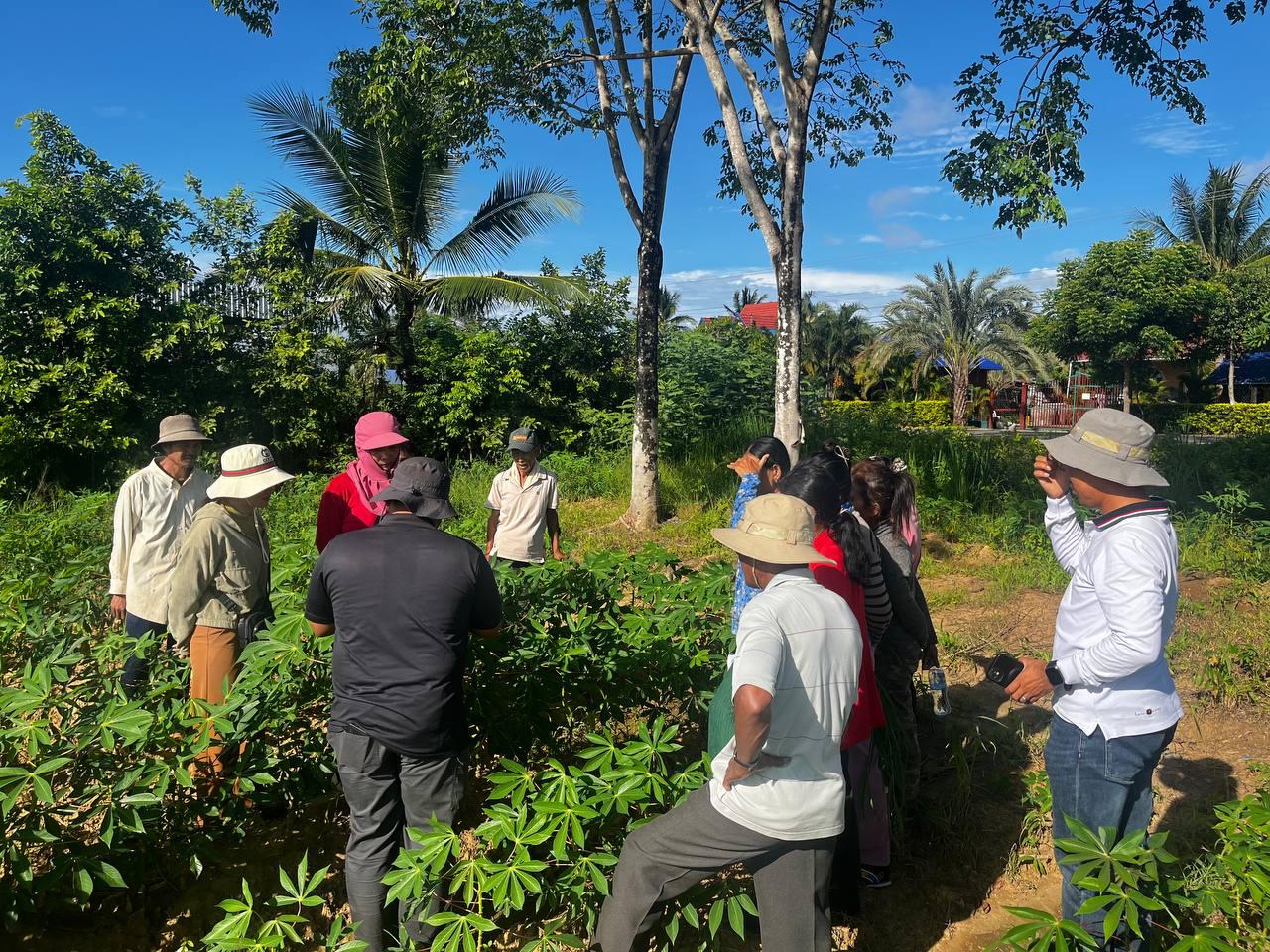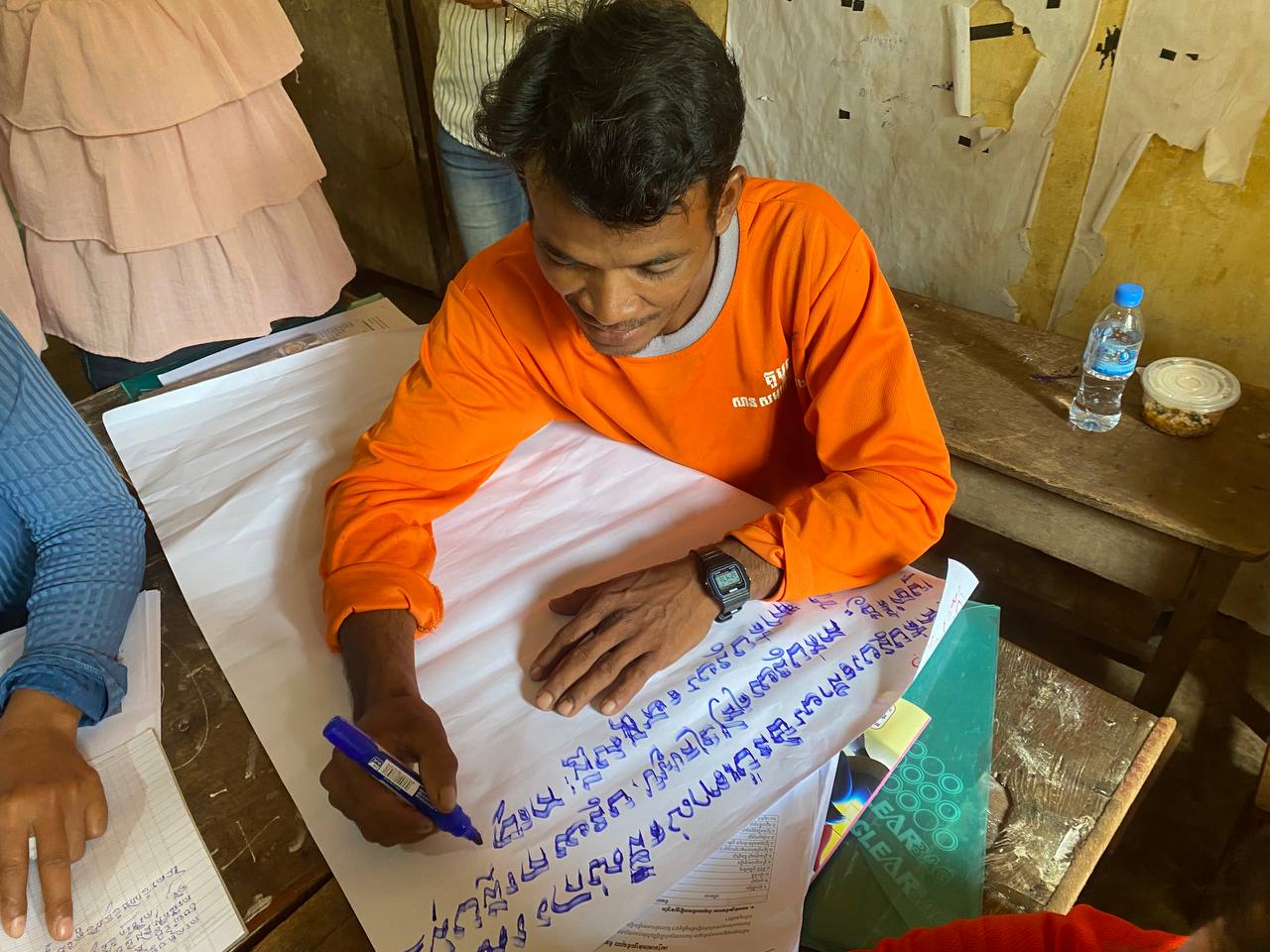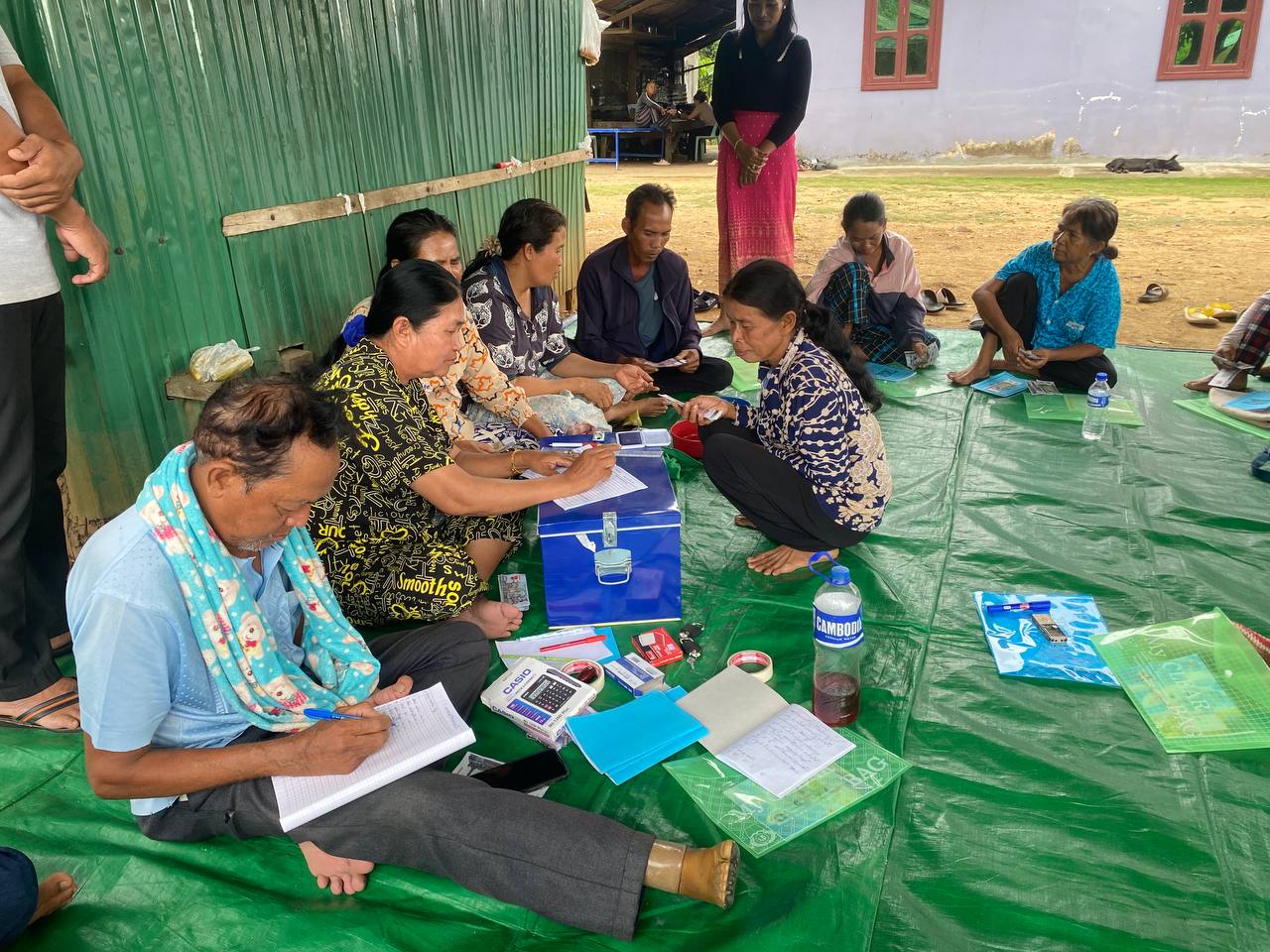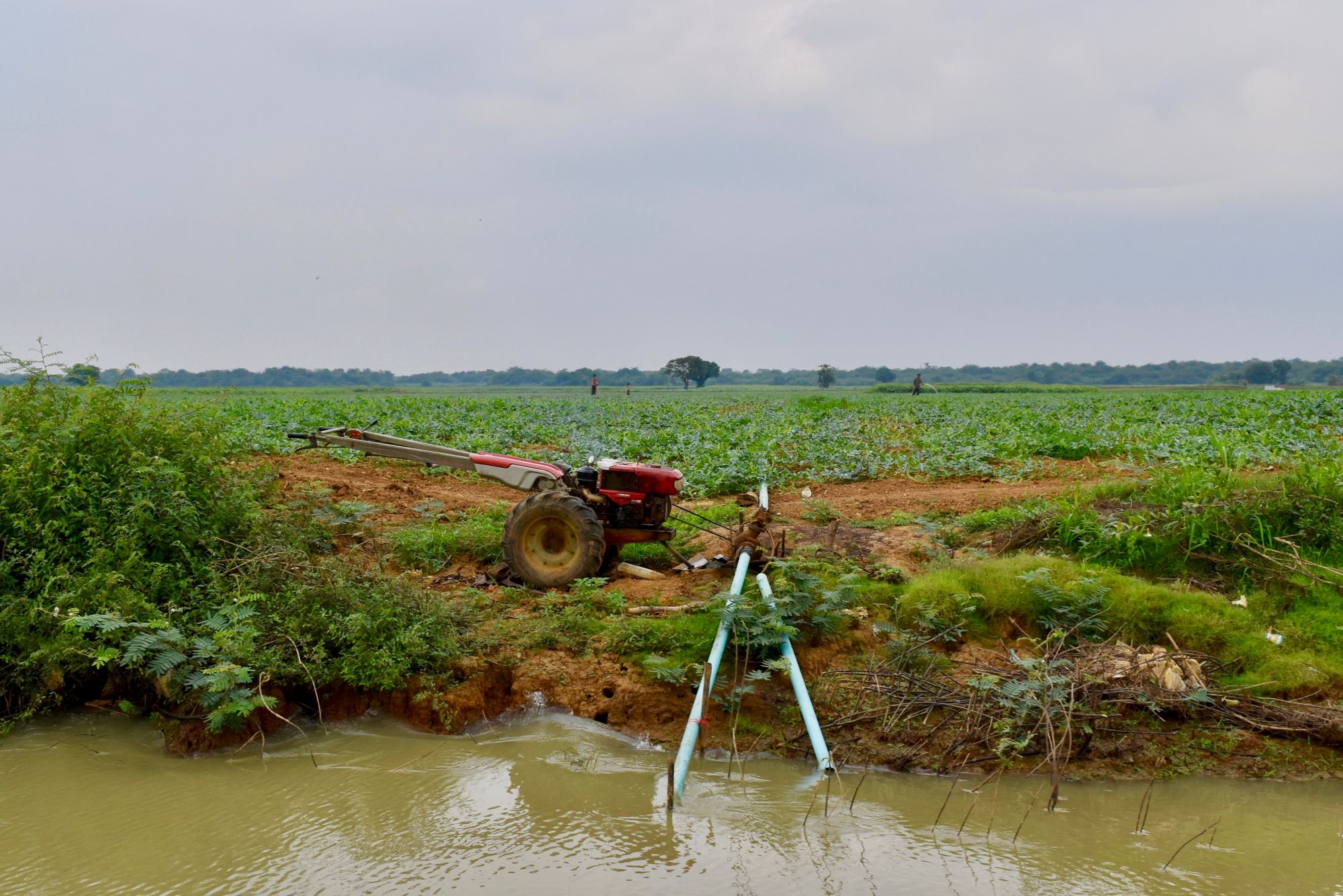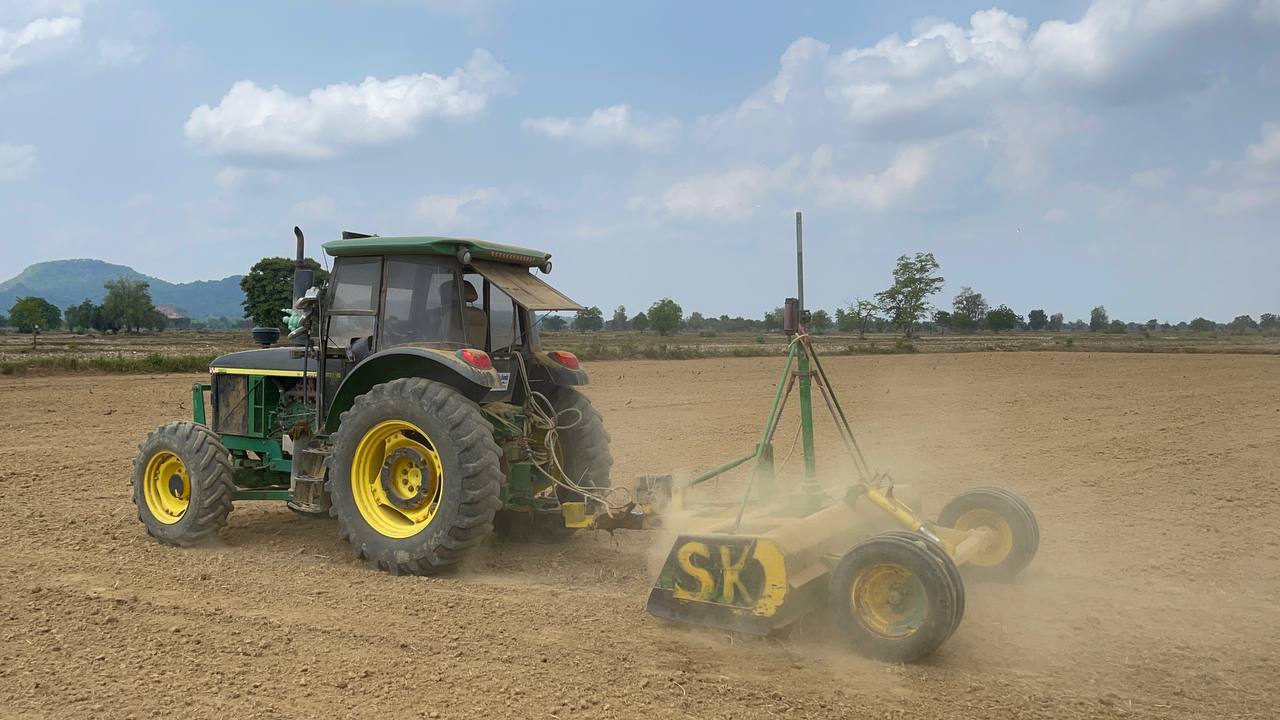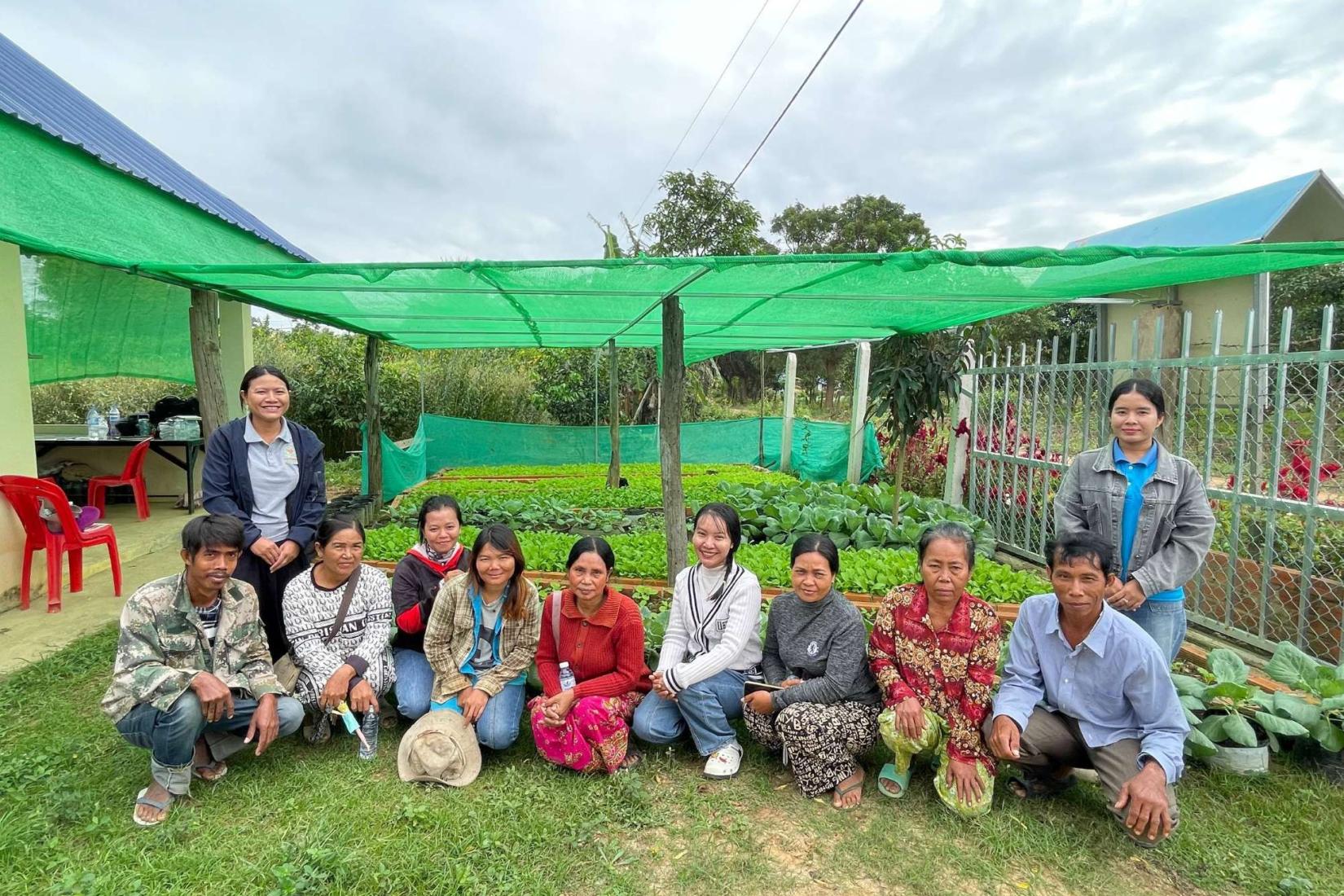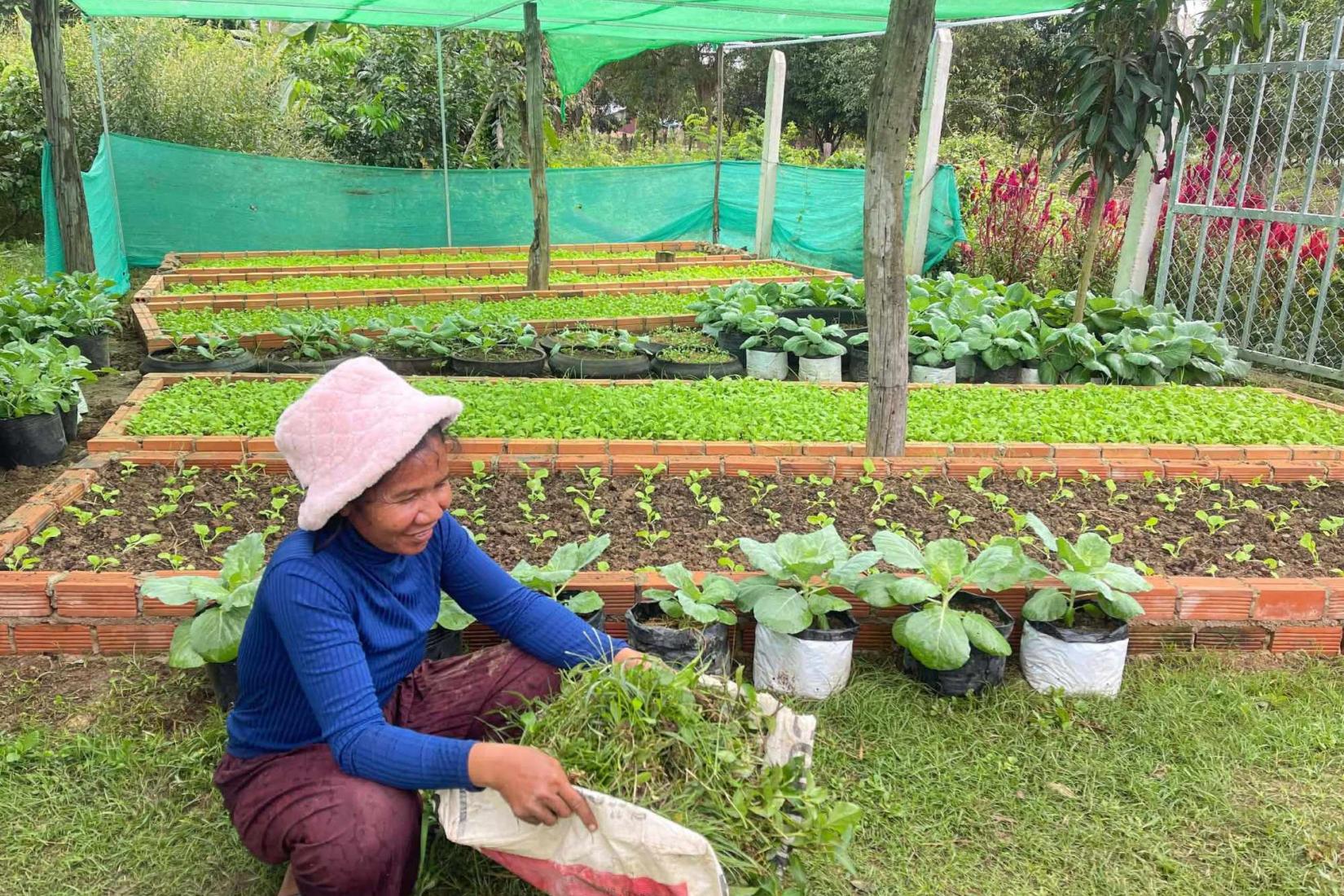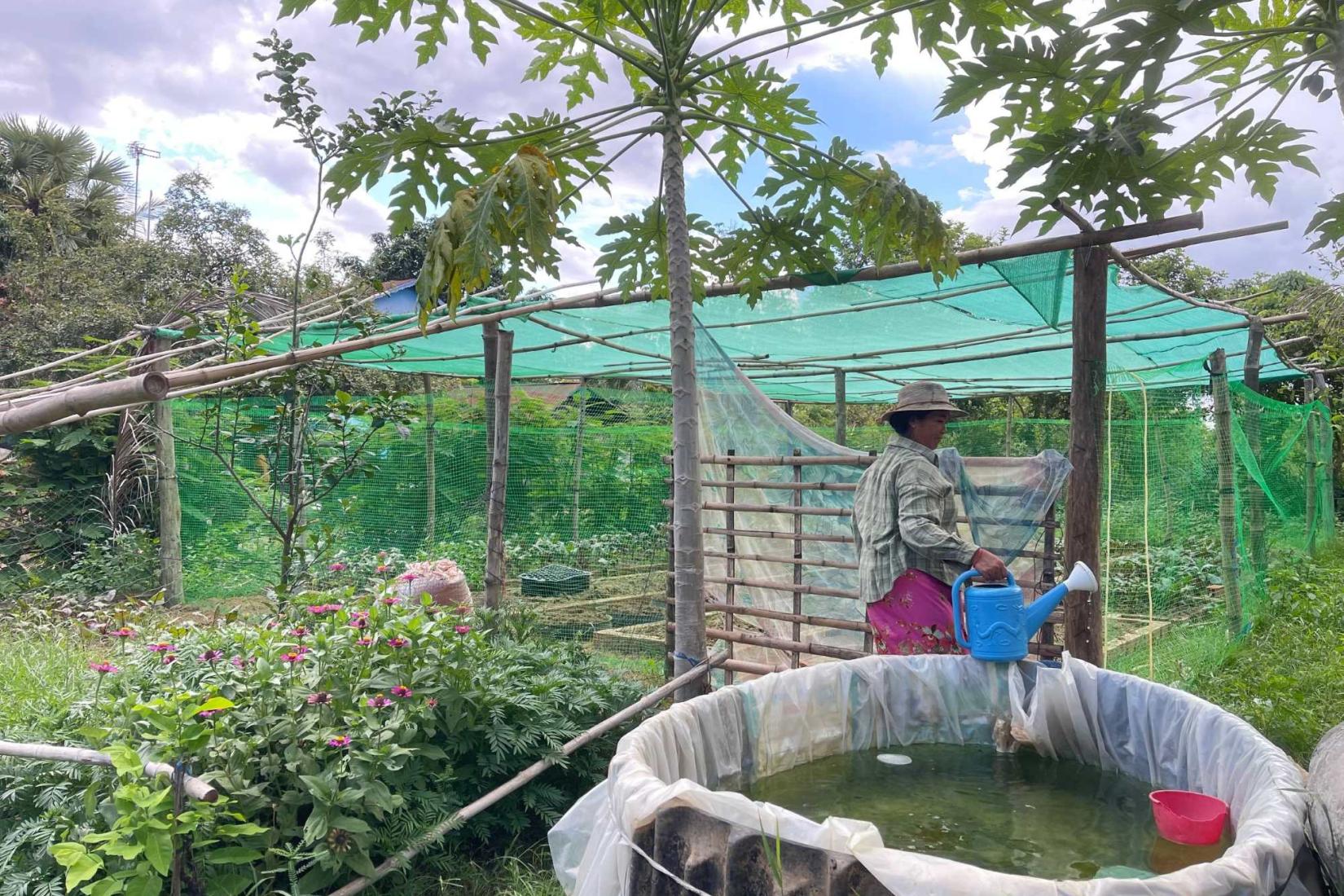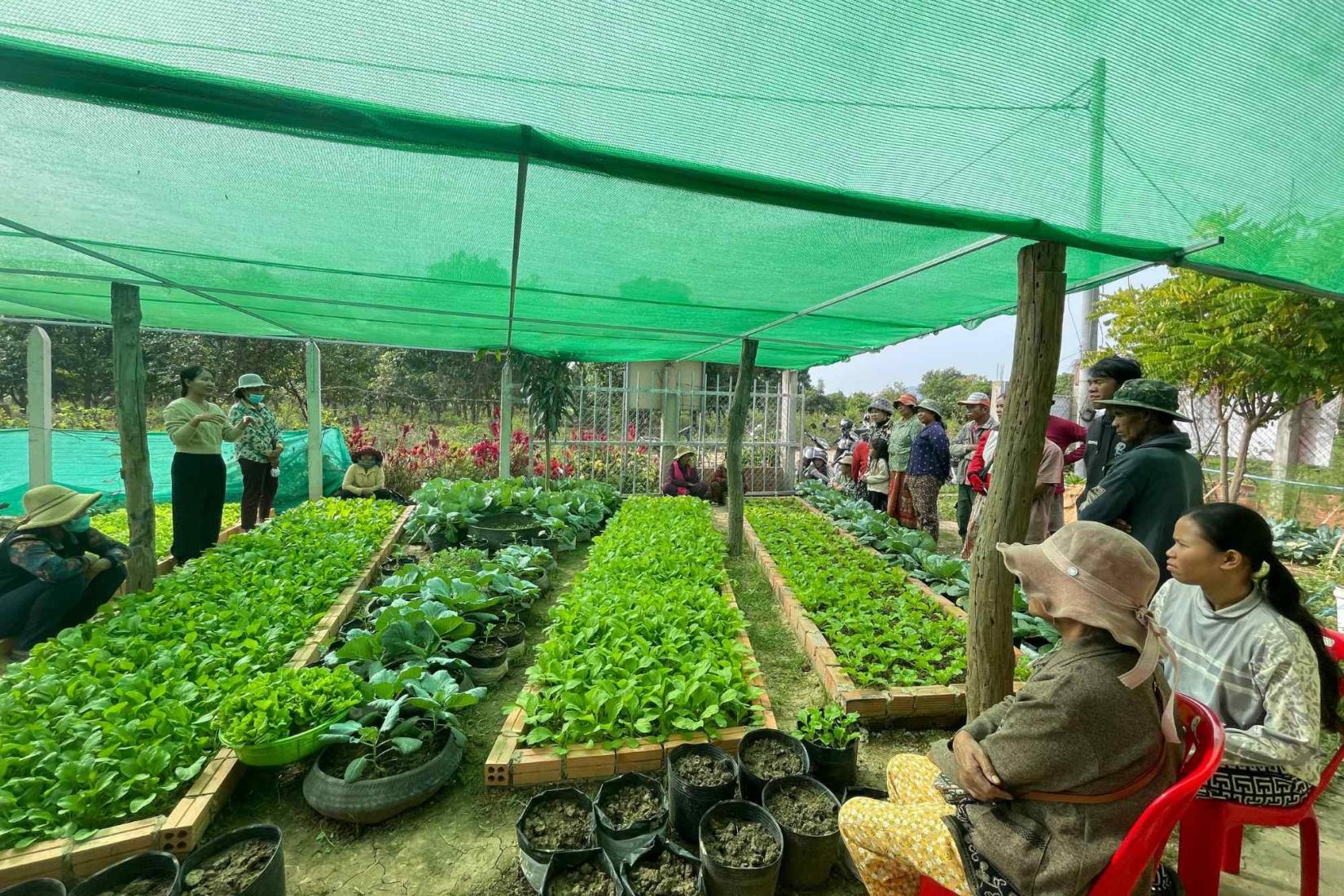


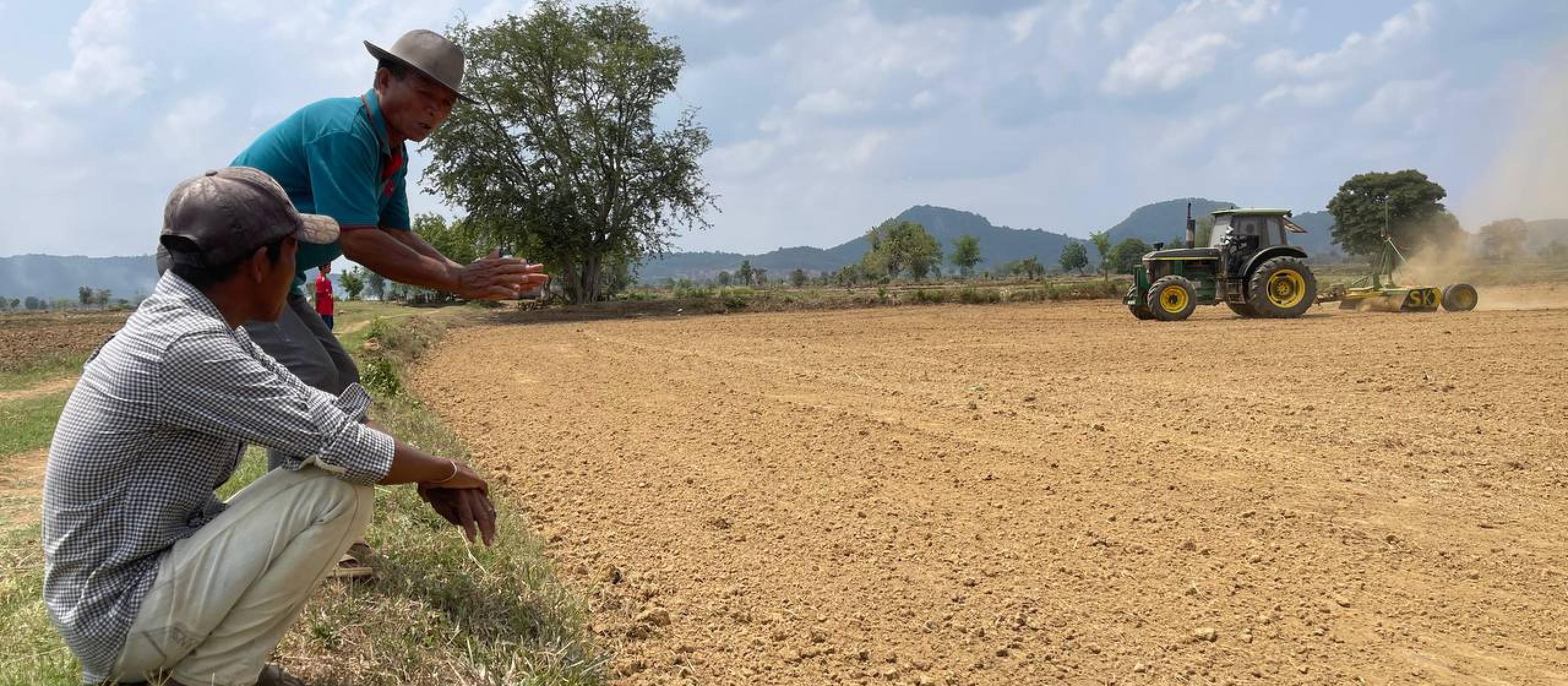


Across Northwest Cambodia, smallholder farmers live and work within increasingly complex and uncertain environments. Climate variability, fluctuating market conditions, rising input costs and long-standing structural constraints shape how farming households make decisions.
For many, these challenges are interconnected, affecting not only agricultural productivity but also wellbeing, food security and future opportunities.
The 6-year A$4.5 million Next Generation Agricultural Extension project, supported by ACIAR and led by The University of Melbourne, is seeking to rethink traditional approaches to agricultural extension (that is, applying scientific research and new knowledge to farming practices).
Moving beyond the simple delivery of technologies or inputs, the project is focused on how farmers interact with their environments, markets and communities. Through sustained engagement, the project is exploring the types of support that enable farmers to improve their livelihoods and move toward their own vision of a ‘good life.’
As these 6 stories about farmers and their communities in Battambang and Pailin provinces highlight, meaningful change does not come via a single intervention, but through a combination of knowledge, access, resources and relationships that together shape farmers’ decisions and possibilities.
They show that development is most effective when it strengthens farmers’ decision-making ability, confidence and connections, providing a rich understanding of agricultural transformation in Northwest Cambodia, with farmers as active agents of change.