Creating livelihood opportunities, reducing post-harvest food loss
Dr Masooma Munir works at the national level to advance research and capacity building, focusing on reducing post-harvest food losses, which in Pakistan can reach up to 40% in horticultural systems.
She works as senior scientist at the Pakistan Agricultural Research Council (PARC), a national research organisation with substations across the country that partners with federal and provincial agencies to deliver science-based solutions to agricultural challenges, including food security.
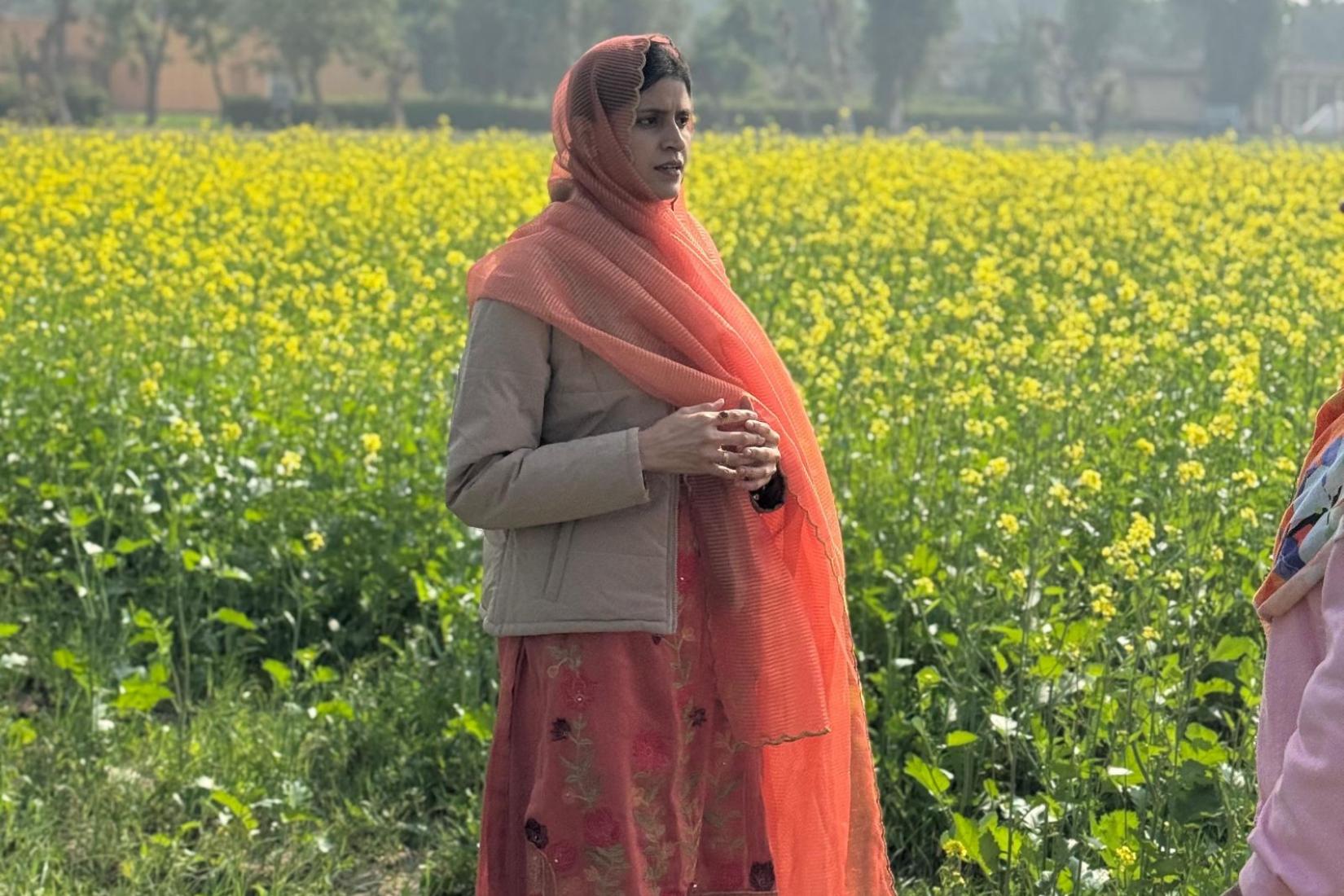
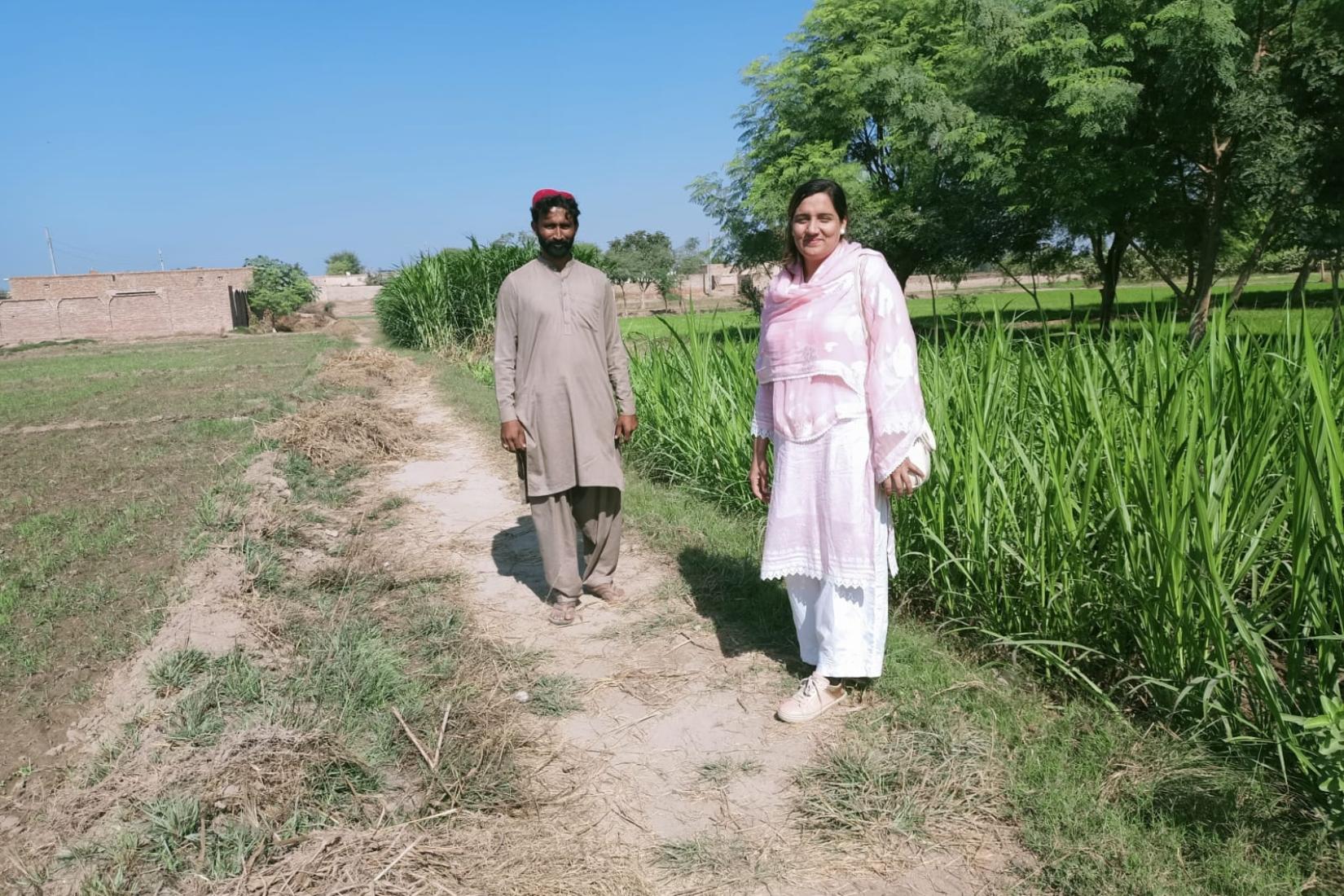
Based at the Mountain Agricultural Research Council in Gilgit–Baltistan, Dr Munir researches ways to create livelihood opportunities for poor farmers in some of Pakistan’s most remote and least developed regions.
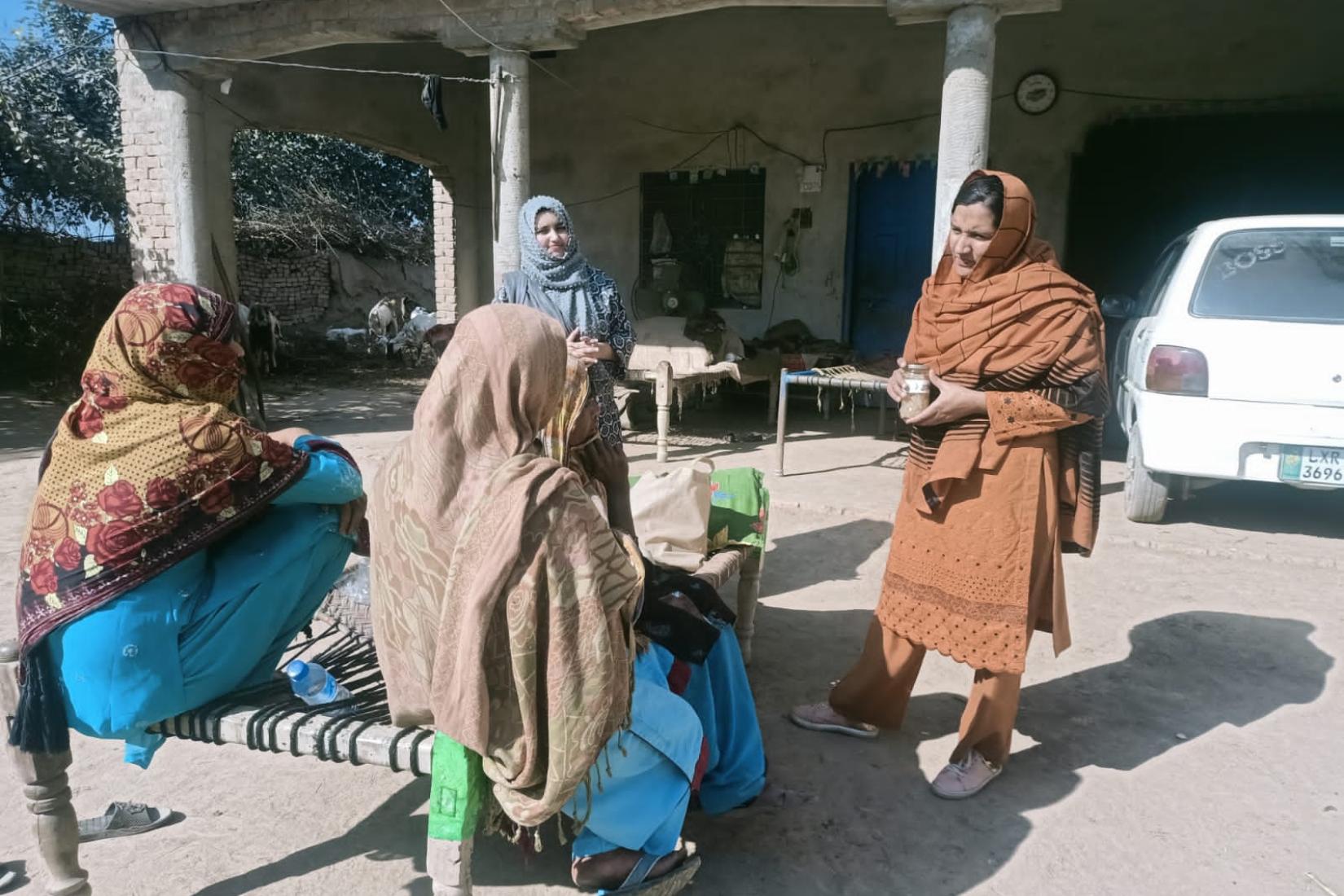
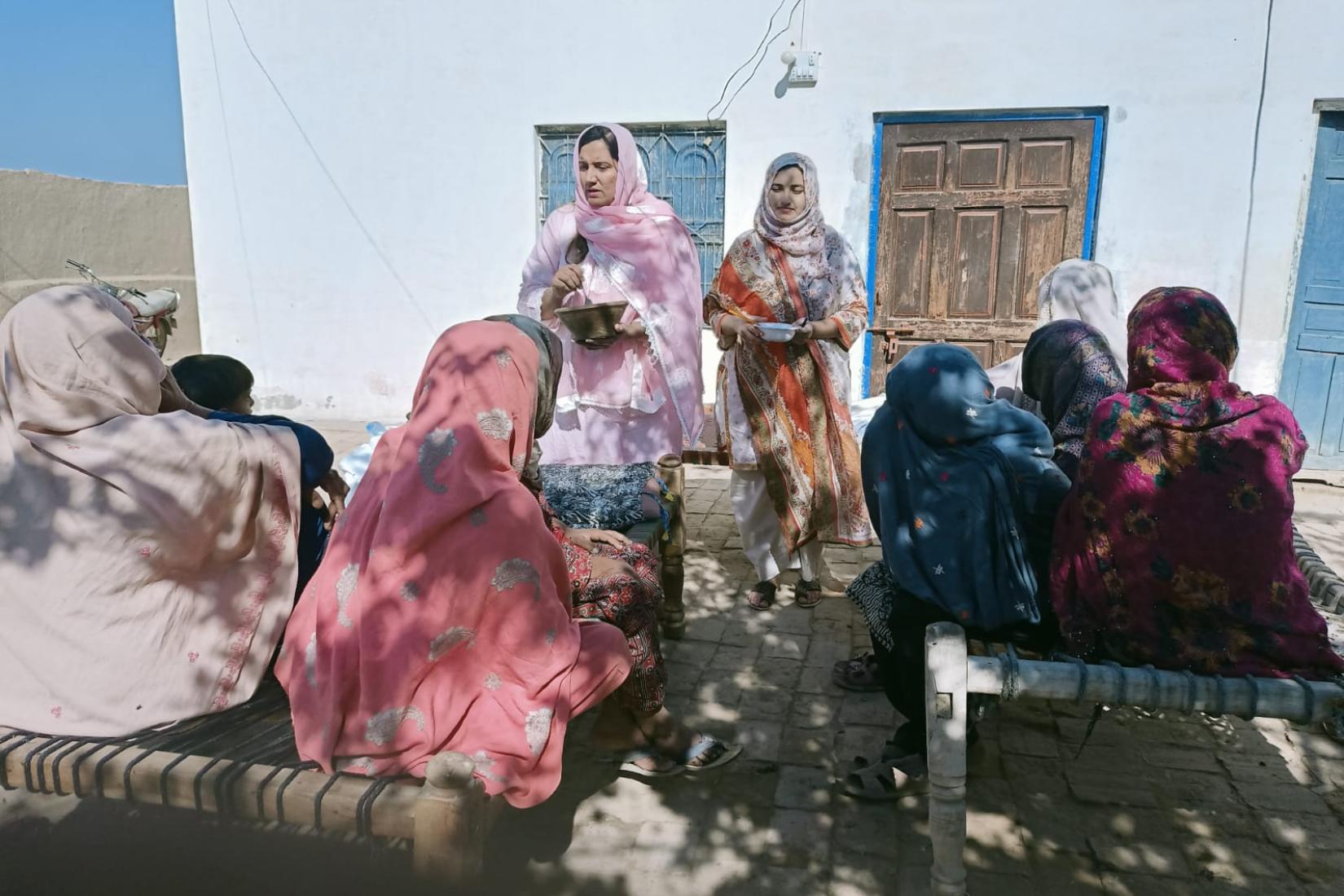
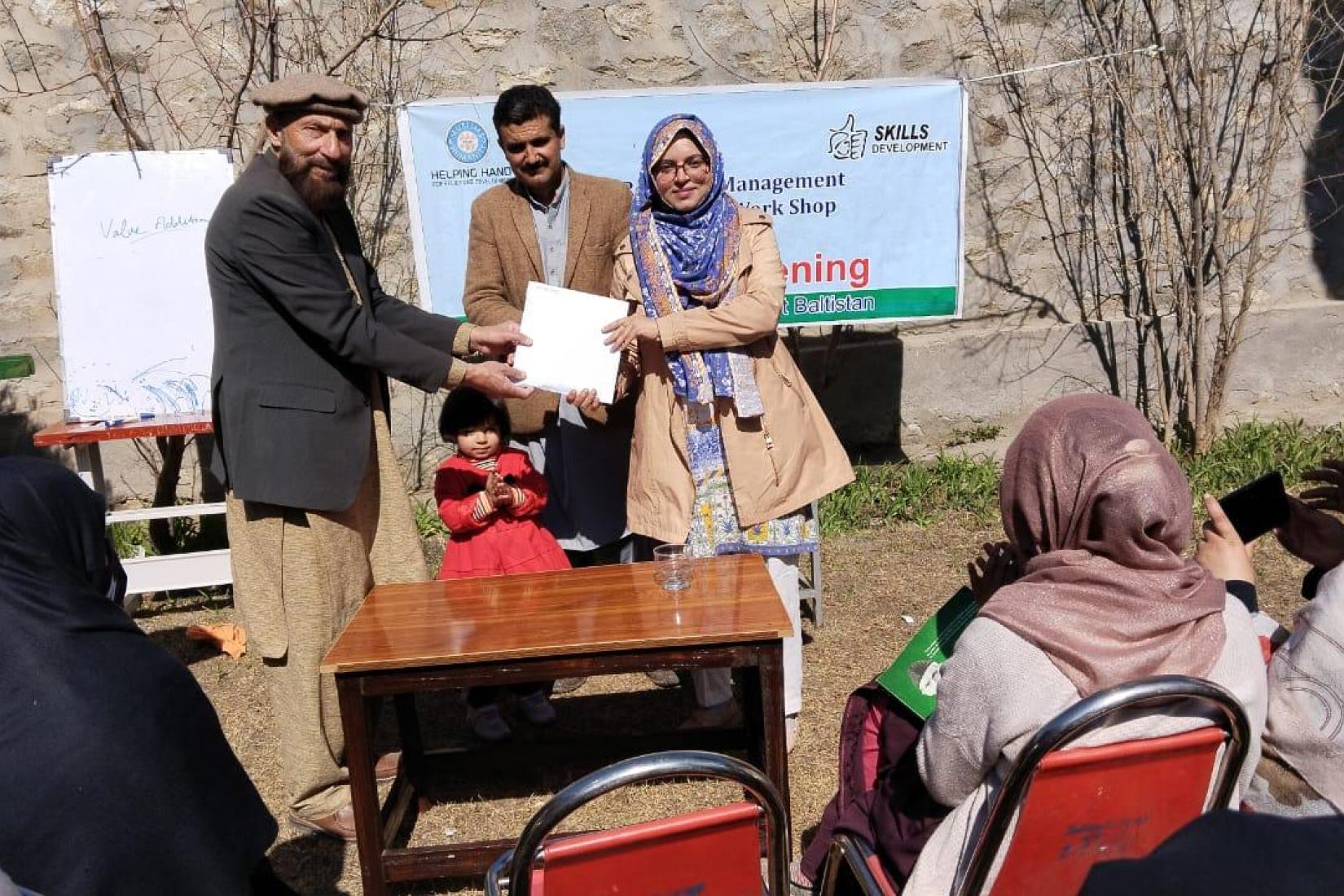
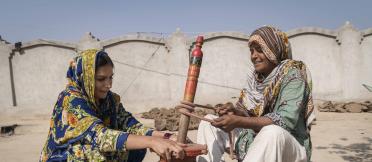
‘The area I work in is beautiful but underdeveloped, even with regard to infrastructure like roads,’ said Dr Munir. ‘The communities are wonderful and women play important roles producing food. I work with these communities to build capacity to preserve and process excess produce in a way that adds value. For example, by making pickles, fruit bars, preserves, jam and jellies.’
Dr Munir is the only female officer within her substation, which creates unique opportunities when it comes to supporting the women within Gilgit farming communities.
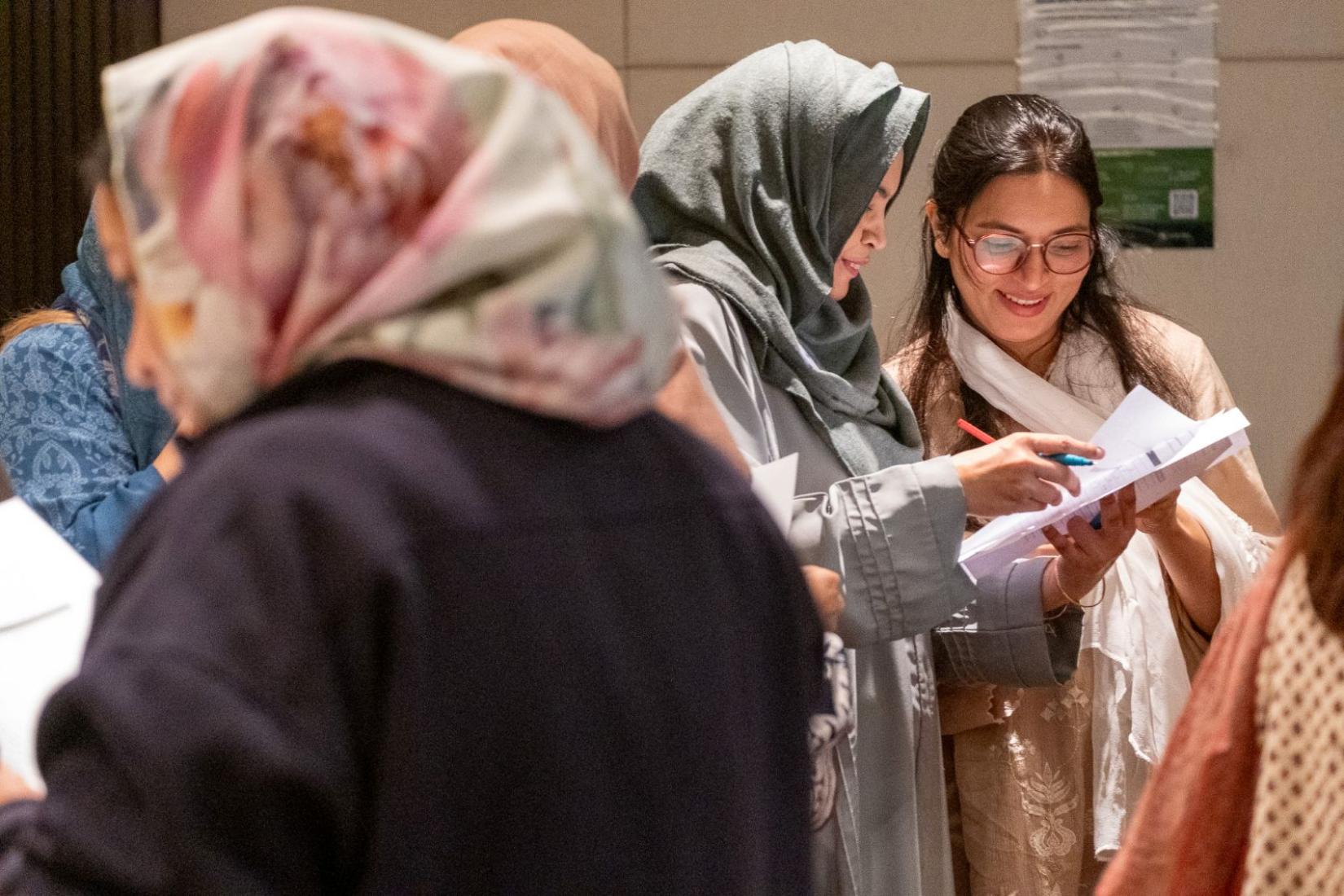
‘These communities can be distrustful of allowing female participation in training programs if the extension worker or trainer is male,’ said Dr Munir. ‘I don’t experience that restriction but, at the same time, I wasn’t trained to make the most of the situation. As such, I saw the MWF as an opportunity to upgrade my leadership skills and create new opportunities to benefit farmers in my care in gender equitable ways.’
Given the scale of potential impacts, she was insistent in her application to the MWF, stressing the profound need she had for the training and mentoring on offer.
Importantly, her mentor at the University of Melbourne brings expertise directly relevant to her field. During her visit to Australia, Dr Munir will engage with the university and other institutions, focusing on building networks and learning modern approaches to value addition and value chain innovation.
‘Already, my perspective has changed about leadership roles and my role within the organisation,’ she said. ‘I now look to create networks rather than trying to work on my own.
‘I really like the ACIAR partnership model and want to move forward and work in that manner, building teams from across institutions, disciplines and nations. And I want to do it for the farmers in my area. They are wonderful, hardworking people and I want to see them thrive and the women acknowledged and appreciated for all they do.’
Find out more about the Meryl Williams Fellowship.