Horticulture

Transforming mango production through IPM and smarter pesticide use in Southeast Asia and Australia

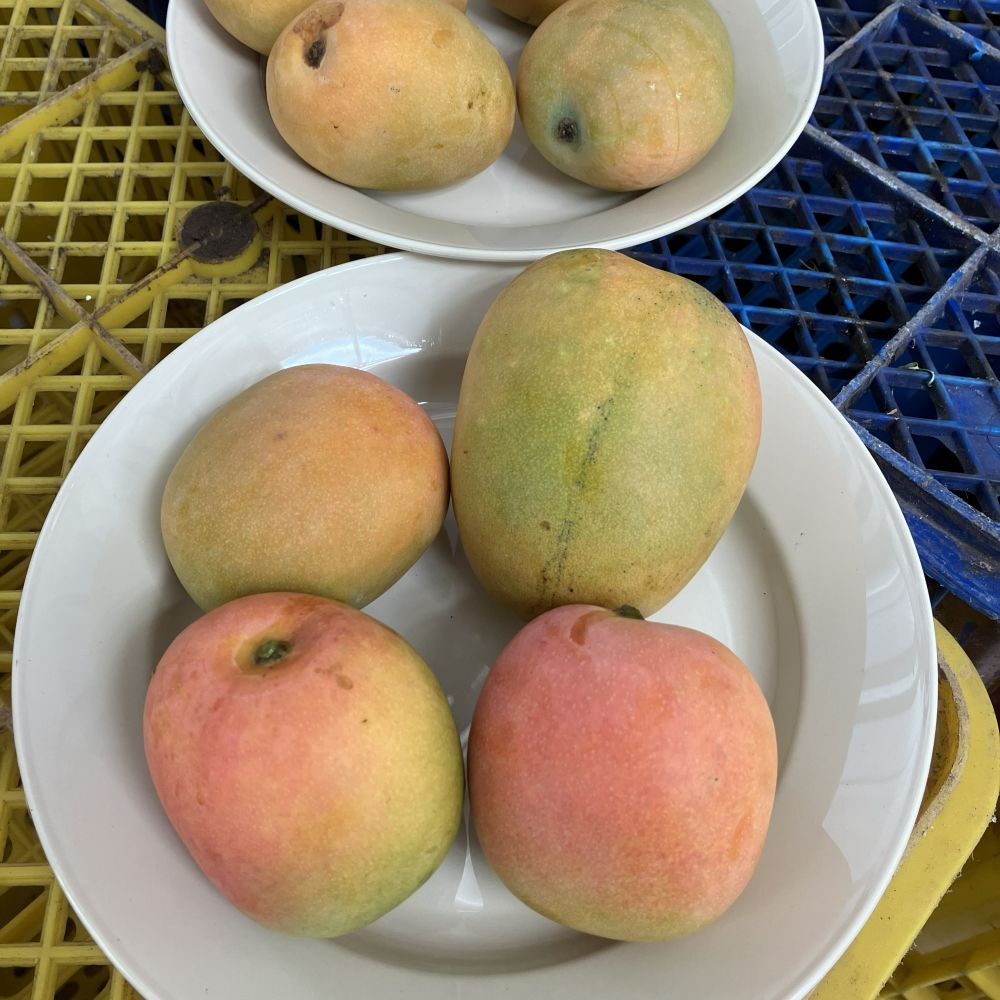
Four mangoes at different stages of ripeness arranged on a white plate, with another plate of mangoes in the background.
Image
Map showing Indonesia and Philippines

Research need

This project aims to reduce pesticide overuse and increase adoption of sustainable integrated pest management practices in mango production systems across the Philippines and Indonesia.

Mango is a vital cash crop for smallholder farmers in the Philippines and Indonesia, supporting incomes, employment and rural livelihoods. However, persistent pest and disease pressures have contributed to heavy reliance on chemical pesticides. This increases production costs as well as risks to human health, beneficial insects and surrounding ecosystems. Pesticide overuse can also undermine fruit quality, while residue concerns can limit access to higher-value markets.

Previous ACIAR-supported mango research in both countries has developed and tested more sustainable approaches to managing pests, particularly fruit fly. However, these approaches have not been widely or consistently adopted, while knowledge gaps remain for other major pests and diseases.

This project builds on earlier investments by validating and adapting integrated pest management options to local conditions and addressing barriers to their wider adoption. Wider adoption could reduce unnecessary pesticide use and improve pest and disease management. It could also lower health and environmental risks, improve fruit quality and market access, and support more sustainable smallholder livelihoods.

On this page

The project

The project addresses all aspects of adoption, from identifying and validating effective integrated pest management solutions to supporting their widespread and sustained use by smallholder mango farmers in the Philippines and Indonesia. The project will:

  • work with farmers, researchers and extension officers in both countries to test locally appropriate pest and disease management options through field trials and model farms 
  • use surveys, interviews and participatory workshops to understand farmer decision-making and barriers to integrated pest management adoption 
  • co-design and test gender-responsive behaviour change strategies, including training, communication and decision-support tools, to support sustained adoption 
  • assess the economic, health and environmental costs and benefits of changing pest management practices, and identify incentives that could encourage uptake 
  • work with government agencies, industry representatives and extension services to identify policy gaps and strengthen capacity to support adoption beyond project sites 
  • conduct comparative behavioural research and facilitate knowledge exchange across the Philippines, Indonesia and Australia.
Expected outcomes

The project is expected to support safer, more sustainable and climate-resilient mango production in the Philippines and Indonesia. Sustained adoption of integrated pest management will help farming communities reduce pesticide overuse while maintaining effective pest and disease control. Longer-term benefits are expected to include:

  • widespread adoption of integrated pest management and climate-resilient practices among mango farming communities, reducing reliance on pesticides and protecting biodiversity
  • improved incomes, food security and climate-resilient livelihoods through lower production costs, better fruit quality and access to higher-value domestic and export markets
  • enhanced skills and decision-making capacity among farmers and rural community members to implement and adapt integrated pest management and climate-resilient practices, supported by better-equipped extension personnel
  • improved health and safety awareness and practices among farmers and consumers, with safer pesticide handling and reduced exposure risks for farm workers, families and surrounding communities
  • stronger institutional capacity, regulatory frameworks, climate governance and policy advocacy mechanisms, supporting sustained adoption beyond project sites.


Benefits are expected to extend to women and disadvantaged farmers, supporting more equitable outcomes across rural communities.