



For communities across the Pacific, food security is increasingly intertwined with climate change.
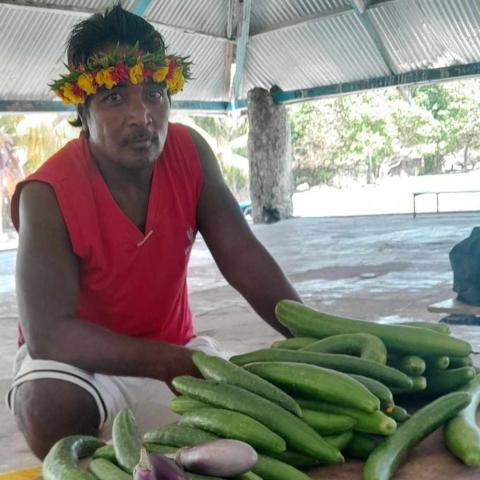
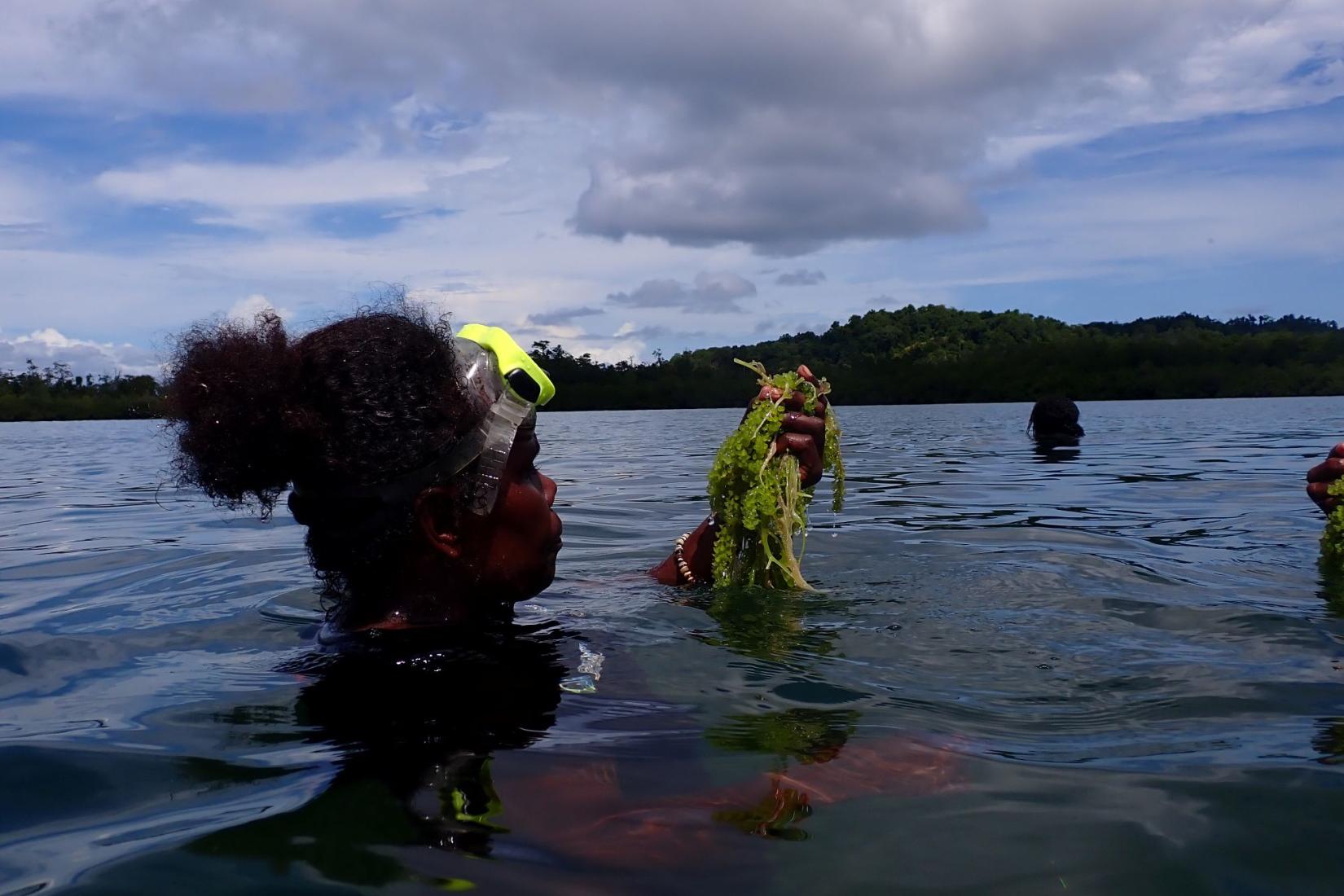
In Kiribati, rising sea levels, saltwater intrusion and scarce freshwater are placing mounting pressure on traditional food production. In the Solomon Islands, rapid population growth and coral bleaching are affecting the coastal ecosystems that underpin fisheries and local diets. Global shocks such as the COVID-19 pandemic, and dietary trends towards unhealthy imported foods exacerbate these challenges.
In recent months, these long-term pressures have been compounded by a series of acute shocks in Solomon Islands. Severe weather and flooding in early 2026 affected nearly 200,000 people, damaging crops, contaminating water sources and disrupting essential services.
Shortly after, a category 5 severe Tropical Cyclone Maila brought destructive winds, heavy rainfall and coastal inundation, leading to widespread damage to homes and food gardens, with around 150,000 people affected.
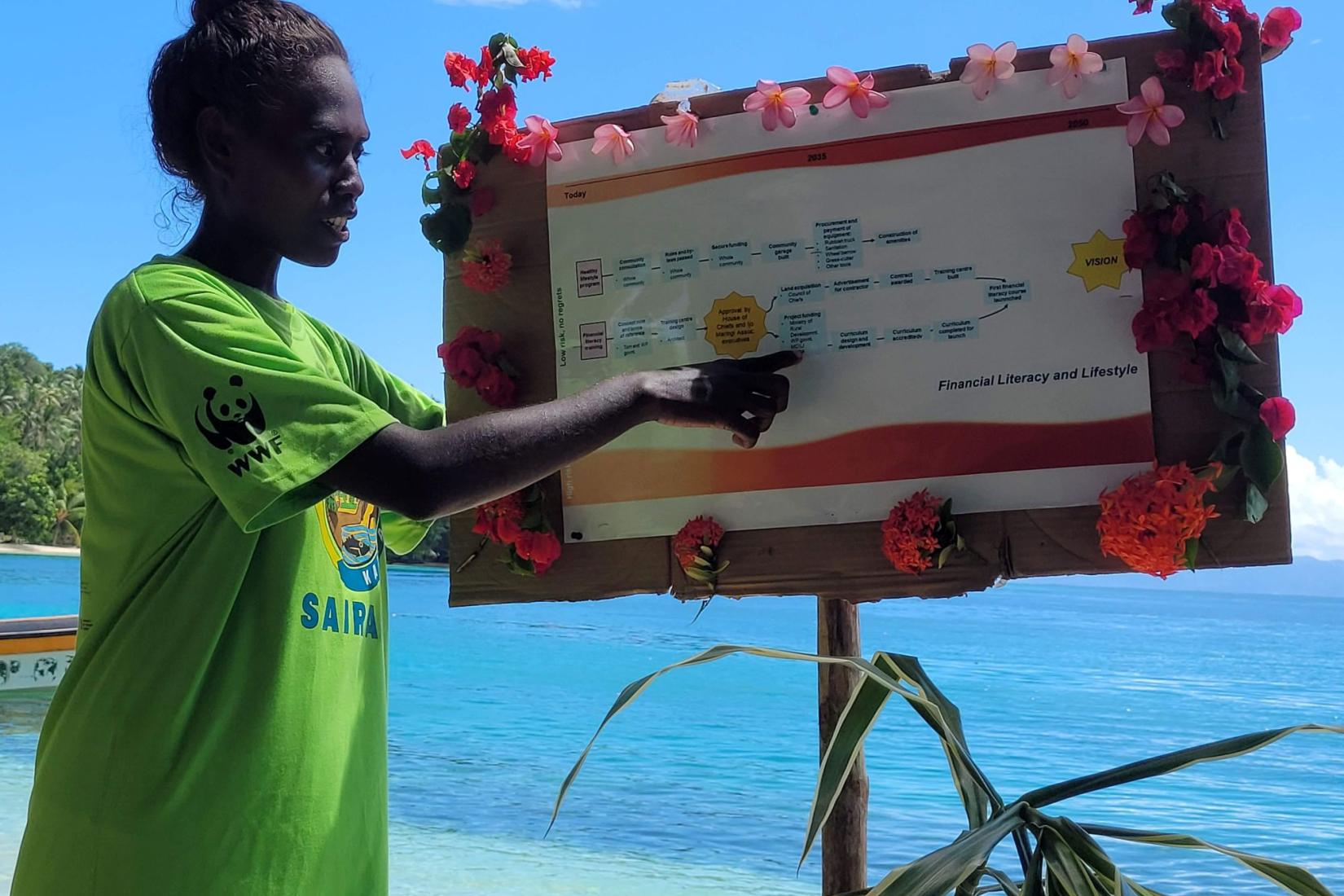
These challenges raise difficult questions for communities that depend on coastal food systems: What will their food systems look like in 10, 20 or even 30 years? And how can they prepare for a future that is increasingly uncertain?
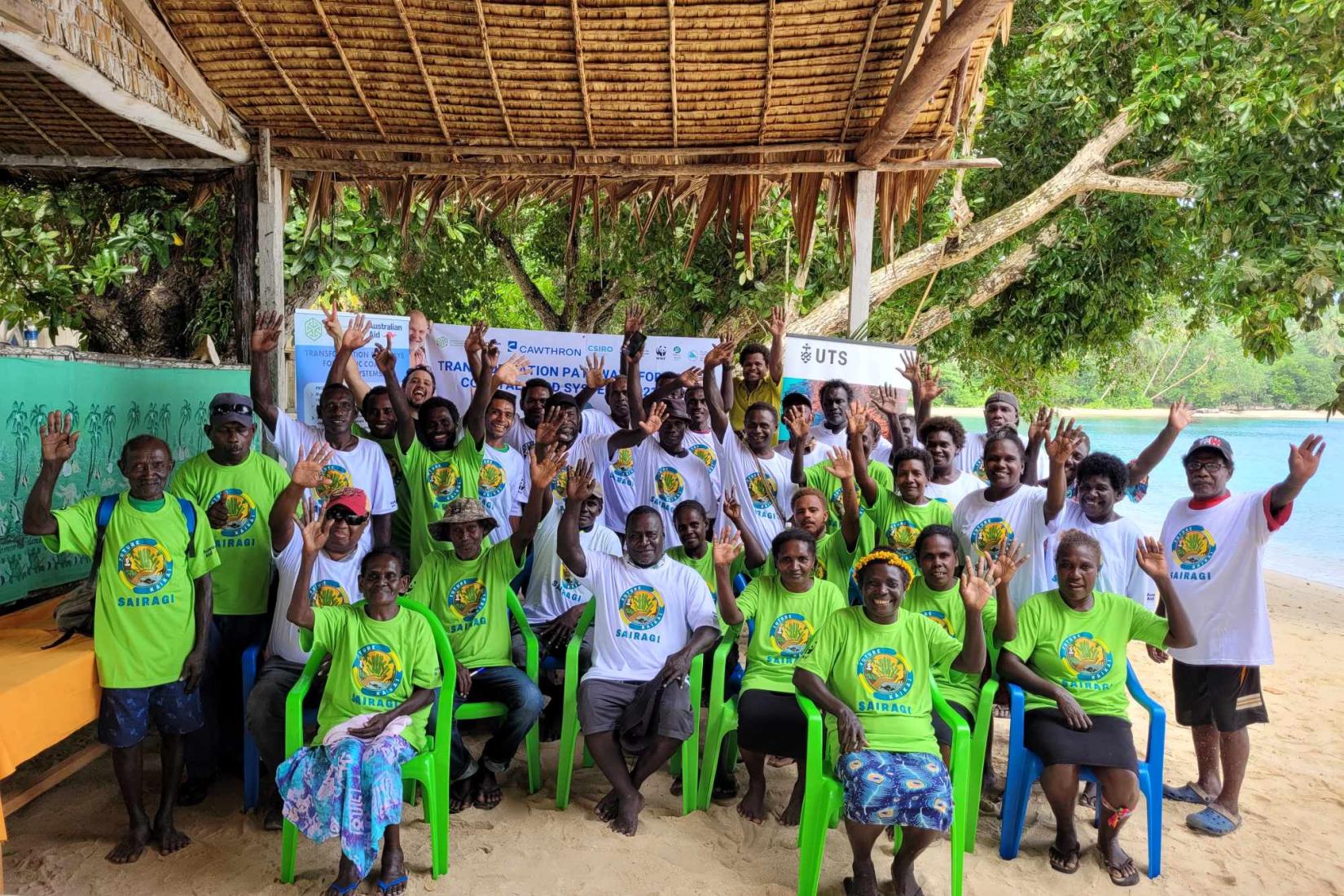
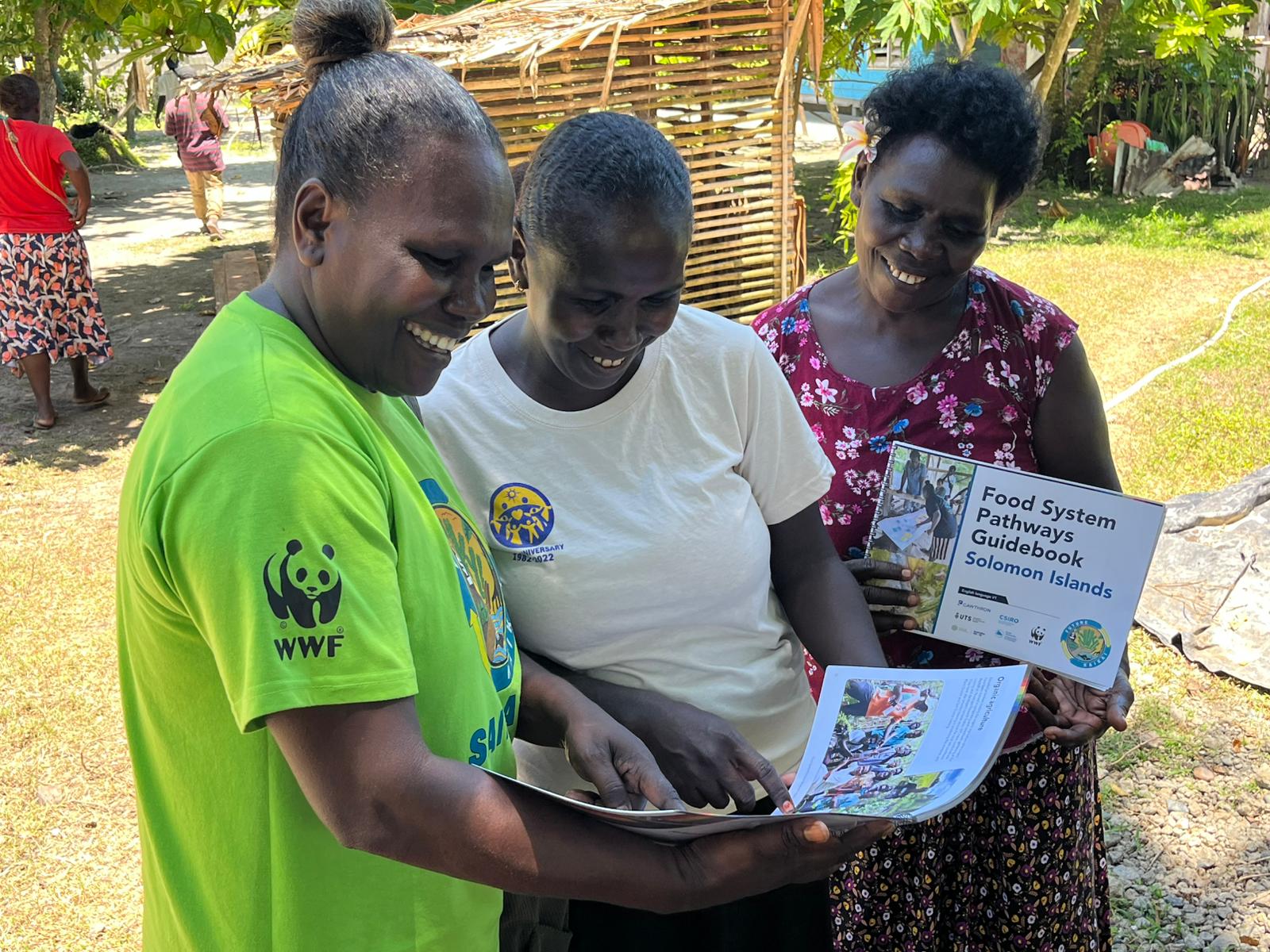
These questions underpinned a recently concluded A$1.9 million project, led by Cawthron Institute New Zealand and delivered in partnership with CSIRO, University of Technology Sydney, WWF Solomon Islands, Pacific Community (SPC), Live & Learn Kiribati and regional partners.
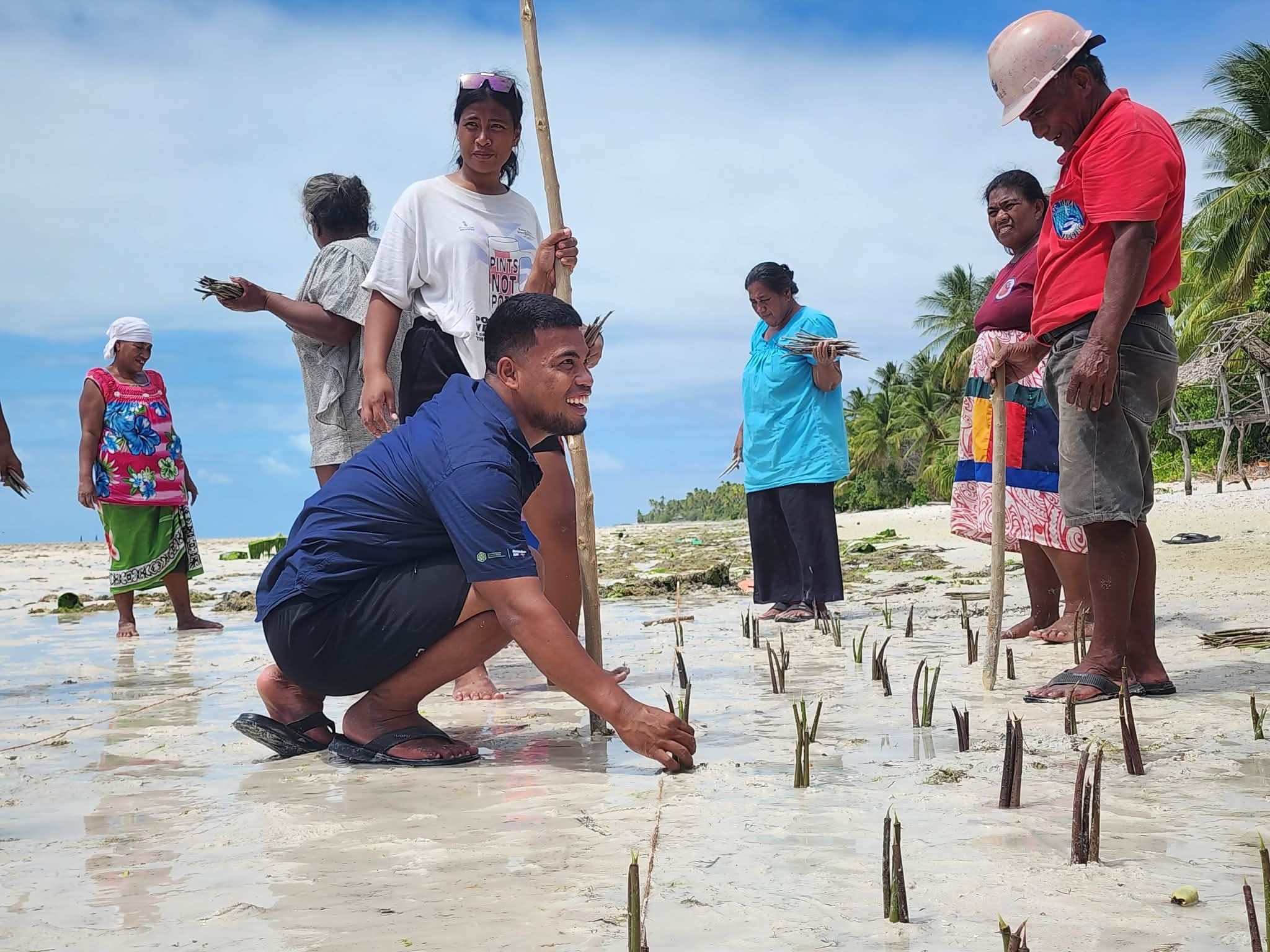
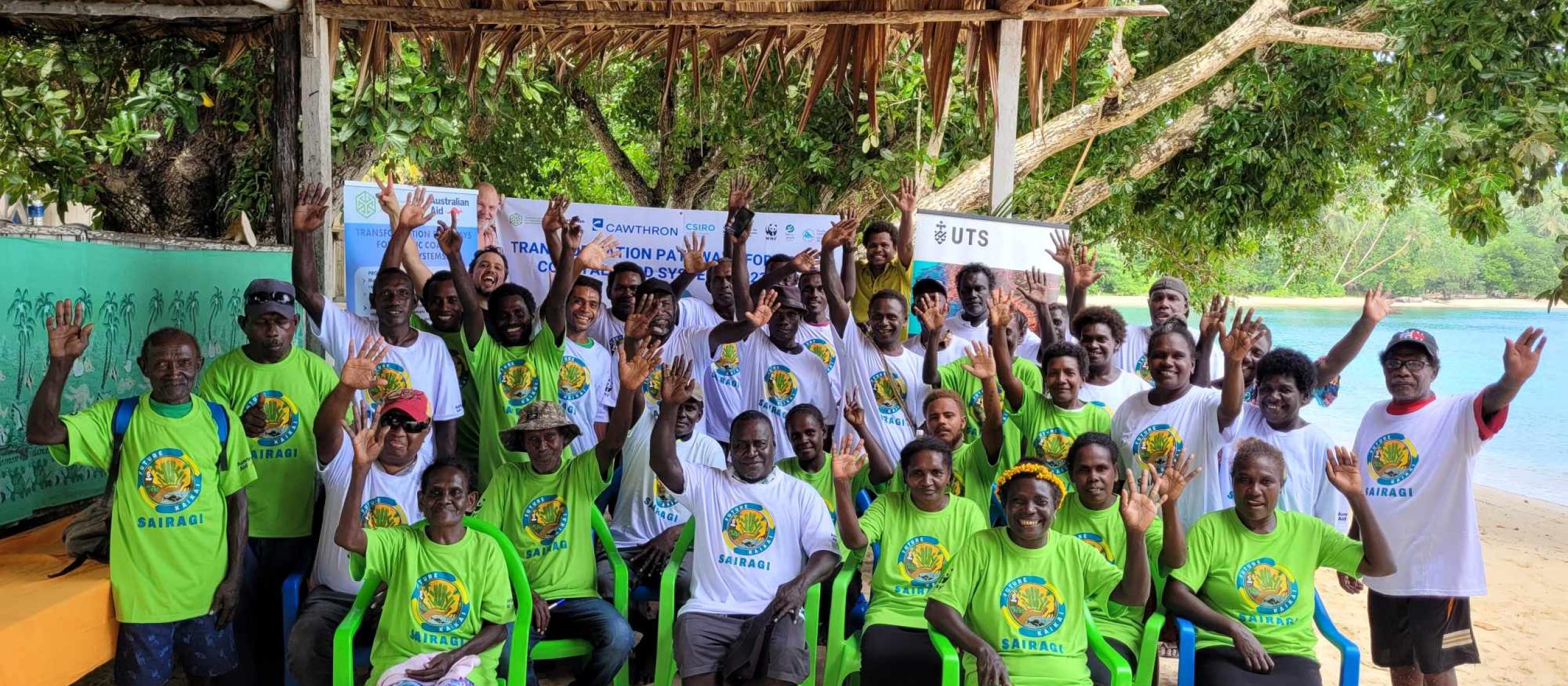
The project worked alongside communities in Ijo Maringi and Sairagi in Solomon Islands and Abaiang Island in Kiribati to explore pathways towards more resilient and sustainable food systems.