Overview
Agriculture is the primary economic activity of Papua New Guinea and is dominated by smallholder farming systems that support food, cash crop and livestock production. It generates income for more than 80% of the rural population and export revenue for the government. Agriculture contributes to around 30% of the country’s gross domestic product.
Our support to Papua New Guinea focuses on providing economic governance, supporting human development and enabling inclusive economic growth through responsible and sustainable agricultural research.
Our long-standing and bilateral support to Papua New Guinea is based on a shared history and geography. Together with the Papua New Guinea Government, our projects and programs remain focused on promoting economic growth through sustainable agriculture, fisheries and forestry management.
Ultimately, our research aims to help secure improvements in food supply, food access and rural incomes for smallholders through increased productivity and enhanced access to markets and services.
Country priorities
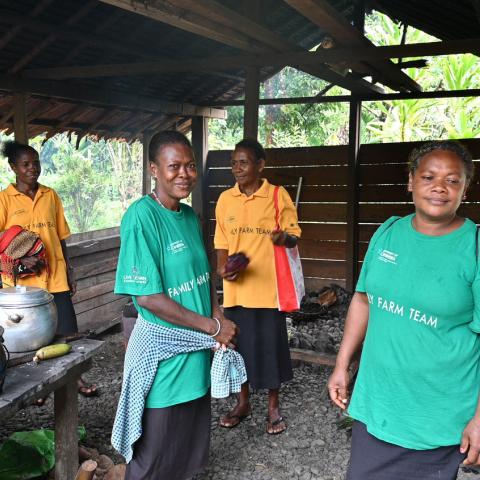
- Overcoming social, cultural and policy obstacles to gaining benefits from agricultural technologies, particularly with respect to gender equity and women.
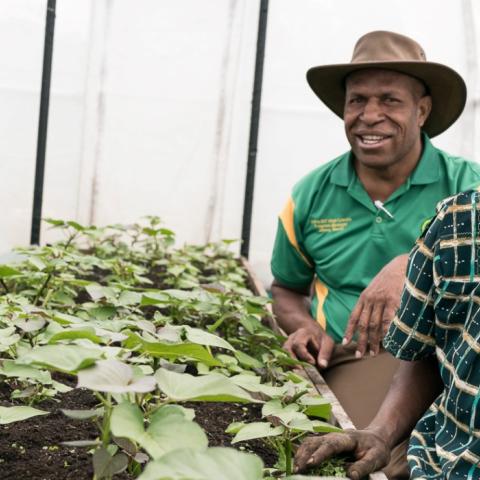
- Improving smallholder vegetables and starchy staple systems.
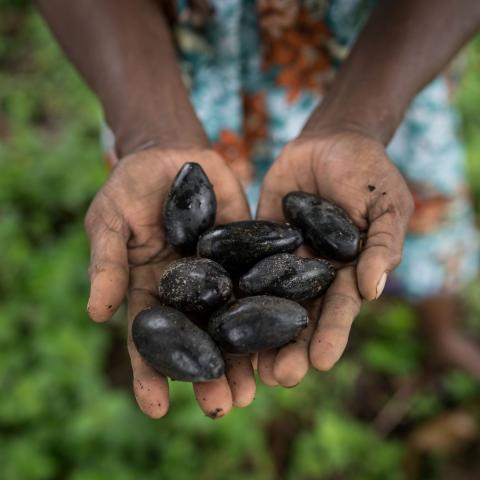
- Analysing commodity and market-chain analysis to guide policy and improve production and marketing for cocoa, coffee, coconut and oil palm crops.
- Enhancing germplasm quality for high-value tree species, improving community forestry and agroforestry systems.
- Working with private sector partners and farmers to adopt promising agricultural technologies.
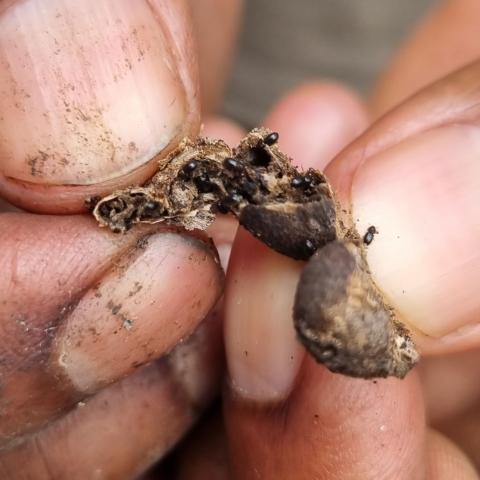
- Monitoring and identifying options to manage biosecurity threats.
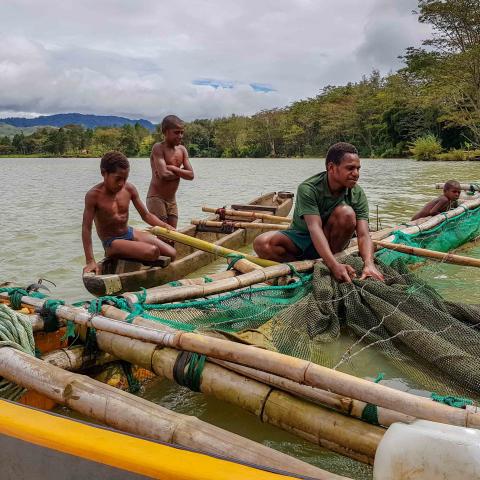
- Enhancing livelihoods from smallholder fisheries, and inland and marine aquaculture.
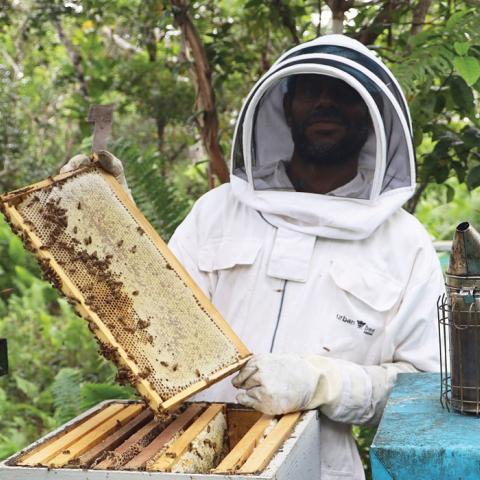
- Increasing household income through diversifying enterprises.